What Drugs Will Show Up on a BZO Drug Test?


Employers are now adding BZO drug test to their drug testing programs. Pre-employment drug test help employers to screen potential new hires for drug abuse. Most employers have strict rules to ensure employees comply with their standards for a drug-free workplace and safe working environment. But the question here is “What Drugs Show Up on a BZO Drug Test?”
What are Benzodiazepines? BZO or Benzodiazepine is a class of drugs that has a wide variety of medical uses. These include treatments for anxiety disorders, insomnia, alcohol withdrawal, muscle spasms, and seizure disorders. When taken frequently, these classified depressant drugs will have a long-term effect on the body, which is extremely dangerous and could lead to overdose deaths.
Different Types of Benzodiazepines
What are Benzodiazepines Drugs?
Let’s first take a look at some of the benzodiazepines that help treat anxiety. The benzodiazepines frequently used to treat anxiety disorders are:
-
- Alprazolam (Xanax)
- Lorazepam (Ativan)
- Clonazepam (Rivotril)
- Bromazepam (Lectopam)
- Oxazepam (Serax)
- Diazepam (Valium)
Why is a BZO Drug Test Necessary?
According to the National Institute on Drug Abuse, drug overdose deaths involving benzodiazepines rose from 1,135 in 1999 to 11,537 in 2017 and declined to 9,711 between 2017 to 2019.

What Drugs Will Show Up on a BZO Drug Test?
Benzodiazepine detection in urine varies depending on the drugs. These are the detectable drugs that will show up on a BZO urine test.
-
- Valium:10-30 days
- Ativan:5 days
- Xanax:5 days
- Klonopin:5 days
- Ambient:1 day
- Halcion:7-15 hours
Benzodiazepines Side Effects
Benzodiazepines have a low risk of addiction when used only for a few weeks. However, when used for several months, especially when taken more than the normal doses, getting addicted and physical dependence on the drug will increase.
Side effects of benzodiazepine ingestion can be mild and you might not even notice when using these drugs in low doses.
Common side effects are:
-
- Dizziness
- lack of coordination, drowsiness, and sedation. When used at higher doses, side effects include disorientation, confusion, breathing difficulties, agitation, hallucinations, amnesia, and depression.
It is necessary to have a BZO drug test because it can highly affect the person’s ability to work effectively. It is always best for a company to have a fair drug and alcohol policy that will help their employees maximize their productivity at work and ensure everyone’s safety.
How long does BZO stay in the system?
These are the different factors that affect the length of time benzodiazepines stay in the body:
-
- Weight
- which benzodiazepine was taken
- history of drug use
- medical history
- metabolism speed
The frequency of usage gives more evidence that will bring a positive result. Those who have quick metabolism that takes a small dose will test negative more quickly than someone with a slow metabolism which takes the same or larger doses.
Other factors that influence how long benzos stay in the body include:
-
- The regular dose
- How the drug was taken
- The presence of other drugs in the body
- Age
- Ethnicity
- Medical conditions
- Gender
- Psychiatric conditions
BZO tests can be conducted in different methods using urine, saliva, hair, and blood. Drug detection times for different specimens may vary depending on the substance amount and frequency of use. The blood specimen for BZO has the shortest window of detection for this substance. Saliva reflects the presence of drugs within several hours. The most common is urine testing. This offers a longer window of detection period for BZO, which is usually 7 days. The hair offers the longest window of detection that can be within weeks or months.
What Prescription Medications Can Affect BZO Drug Test Results?
Some medicines can cause false-positive results in benzodiazepine urine tests.
These medicines include:
-
- Tolmetin
- Oxaprozin
- Fenoprofen
- Naproxen
- Etodolac
- Sertraline
What Types of Drug Tests Can Detect BZO?
Listed below are the types of drug tests that can detect BZO.
-
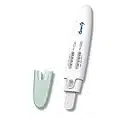
- Drug test cups – can detect different illicit drugs in one testing. Results can be achieved in 5 minutes.
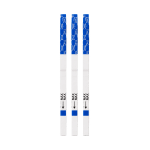
- Benzodiazepines strips – a rapid test that uses urine
- Oral swabs
- Multi-Drug test dip cards that specifically test for BZO
These are the drugs that will show on a BZO Drug Test.
Would you like to learn more about drug testing? Visit the 12 Panel Now . We have a wealth of information you can benefit from.
What Over-the-counter Drugs Will Test Positive for Benzodiazepines?
Certain over-the-counter drugs may test positive for benzodiazepines. These drugs include Valium, Xanax, Ativan, and Klonopin. It is important to be aware of this when undergoing a drug test, as the presence of benzodiazepines may lead to a positive result.
What Can Make You Test Positive for Benzos?
What Drugs Will Show Up on a BZO Drug Test? A false-negative benzodiazepines urine test can occur, leading to inaccurate results. It is important to be aware that certain drugs may not be detected, potentially compromising the validity of the test. Caution should be exercised when interpreting results and considering the presence of benzodiazepines.
Detection Window: The detection window for benzodiazepines in urine can vary depending on factors like the specific drug, dosage, frequency of use, and individual metabolism. Generally:
-
- Short-acting benzos (e.g., alprazolam): 3-5 days
- Intermediate-acting benzos (e.g., clonazepam): 5-7 days
- Long-acting benzos (e.g., diazepam): Up to 10-30 days
What Can Cause a False Positive Urine Drug Screening for Benzodiazepines?
There are a few medications and supplements that can actually cause a false-positive for BZO. Let’s check these out in more detail below:
-
- Certain medications:
-
- Sertraline (Zoloft) – an antidepressant
- Oxaprozin (Daypro) – a non-steroidal anti-inflammatory drug
- Efavirenz (Sustiva) – an HIV medication
-
- Some over-the-counter medications:
-
- Certain sleep aids containing diphenhydramine
- Some antacids
-
- Dietary supplements:
-
- Valerian root
- Some herbal sleep aids
-
- Food items:
-
- Poppy seeds (in large quantities)
-
- Cross-reactivity with other substances:
-
- Some drug tests may cross-react with other substances that have similar chemical structures to benzodiazepines
-
- Test sensitivity and specificity:
-
- Lower quality or less specific immunoassay tests may be more prone to false positives
-
- Certain medications:
Although these medications and supplements can cause false positives, it’s extremely rare for this to happen. If a false positive does appear on a drug test, another test, such as a gas chromatography-mass spectrometry (GC-MS) might be used to verify and get additional results.
Get a BZO Drug Test from 12 Panel Now.
Now that you know more about the importance of drug testing and what can show up on a BZO drug test, stop by 12 Panel Now to get inexpensive and accurate drug tests that detect BZO. 12 Panel Now is the leading provider of panel drug tests and makes drug testing in bulk a great option.
FAQ's
Yes. If you are legally prescribed a benzodiazepine such as Xanax, Valium, Ativan, or Klonopin, the drug can still appear on a BZO drug test. However, employers, healthcare providers, or testing agencies may ask for proof of your prescription before interpreting the result. Always disclose prescribed medications when required.
No. Casual contact with someone taking benzodiazepines, such as being in the same room or touching common surfaces, is not enough to trigger a positive BZO drug test. Detectable levels generally require direct ingestion of the medication.
Drinking water may dilute urine temporarily, but it does not eliminate benzodiazepines from the body. Excessive dilution can also cause an invalid or suspicious test result, which may require retesting. The body still needs time to naturally metabolize and eliminate the drug.
Benzodiazepines can remain in the body long after their effects wear off. Depending on the specific medication, dosage, frequency of use, and your metabolism, traces may still be detectable for several days or even weeks after the last dose.
No. Some benzodiazepines are easier to detect than others because they break down into different metabolites. Certain rapid screening tests may be more sensitive to some benzodiazepines, which is why confirmatory testing is sometimes needed.
Yes. Older adults often metabolize medications more slowly than younger individuals. As a result, benzodiazepines may remain detectable for a longer period, especially when taken regularly or at higher doses.
If you believe the result is inaccurate, request a confirmatory laboratory test. Advanced testing methods can distinguish benzodiazepines from substances that may have caused a false positive and provide more accurate results.
Yes. Someone who takes a benzodiazepine once or twice may clear the drug more quickly than someone who uses it regularly. Frequent use can cause the drug and its metabolites to accumulate in the body, extending the detection window.
Absolutely. Even when the calming or sedative effects are no longer noticeable, the drug’s metabolites can remain in the body and be detected by urine, blood, saliva, or hair testing for an extended period.
No. A positive BZO result only indicates that benzodiazepines or their metabolites were detected in the sample. It does not necessarily prove that a person was impaired at the time of testing. Additional evaluation may be required to determine current impairment.