Cost-Effective ETG & Fentanyl Monitoring: Multi-Panel Cup Guide


If you need to monitor both recent alcohol use (ETG) and fentanyl, you’ve probably noticed how quickly costs pile up. The “most cost-effective” option isn’t always the lowest-priced cup. It’s the one that cuts repeat testing, limits lab send-outs, and still gives results you can use with confidence. Here’s what to compare so you can spend less without cutting corners.
What “cost-effective” really means for ETG and fentanyl testing
It’s easy to start with, “What’s the cheapest test that includes ETG and fentanyl?” But the bigger costs usually come later: re-tests, confirmation testing, staff time, and the fallout when results don’t match your monitoring goals.
A cost-effective multi-panel cup does three things well: it tests for the substances you actually care about, it delivers clear results quickly, and it helps you trust the sample so you’re not re-running tests because something feels “off.”
You want to reduce total cost per decision, not cost per unit
If a cup costs a little more but prevents a second test later that week, it’s often the cheaper option overall. The same goes for a broader panel that replaces multiple add-ons, or a test format that reduces “not sure” results that trigger follow-up testing.
Why ETG + fentanyl is a tricky combo to cover cheaply
ETG and fentanyl don’t always show up in the typical “standard” multi-panel lineup. Many common cups focus on THC, cocaine, amphetamines, and opiates. That may be fine for general screening, but it doesn’t cover alcohol exposure the way ETG does, and it won’t reliably address fentanyl unless fentanyl is included as a dedicated panel.
That’s why many buyers end up stacking products: a multi-panel cup plus a separate ETG test plus a separate fentanyl test. It can work, but it increases per-person cost and adds more handling steps.
ETG: what you are paying for
ETG screens for a metabolite that can indicate alcohol consumption for up to about 80 hours. That longer window is useful for sobriety monitoring programs, return-to-work plans, family and custody situations, and probation-style monitoring. Breath testing can miss anything beyond the last several hours. ETG tightens the window with a single urine sample.
Fentanyl: why a dedicated panel matters
Fentanyl carries unique risk because it’s highly potent and can appear unexpectedly. A general “opiates” result doesn’t always answer the fentanyl question. If fentanyl monitoring is a real requirement, you’ll usually want a cup that reports fentanyl directly rather than relying on assumptions.
When a multi-panel cup is the most cost-effective choice
A multi-panel cup usually wins on cost when you test more than occasionally, need fast screening, and have more than one substance concern. It’s also a strong fit when your workflow benefits from “one sample, one device, one read.”
Buyers who get the best value from an ETG + fentanyl multi-panel cup tend to have a few things in common:
- You test repeatedly. Frequent monitoring makes per-test savings add up fast.
- You need speed. Point-of-care results let you respond the same day instead of waiting on lab turnaround.
- You need broad coverage. A wider panel can replace multiple separate tests.
- You want fewer handling steps. Fewer steps reduce staff time and cut down on process errors.
Key cost drivers you should compare before you buy
If you want a real answer on cost-effectiveness, you need a simple checklist. Unit price matters, but it’s only one part of the total.
1) Panel match: does it cover your real risk?
Start here: do you need ETG and fentanyl every time, or only in certain situations? If you need both most of the time, a combined cup is often cheaper than repeatedly buying separate ETG and fentanyl tests.
If fentanyl testing is only occasional, a standard multi-panel cup plus a separate fentanyl strip might cost less. The best value depends on your testing frequency and policy.
2) How often do you send positives out for confirmation?
Rapid urine cups are screening tools. Many organizations confirm non-negative results through a lab based on policy, regulations, or the stakes of the decision. Those confirmation costs can easily exceed the price of the cup.
The question to ask: does your approach reduce unnecessary send-outs? A better panel match can reduce surprise positives that aren’t relevant to your goal. Clear, readable results also cut down on borderline calls that end up at the lab.
3) Sample integrity concerns that trigger re-tests
Re-testing drains budgets. If staff doubts a sample, they may run another test or schedule a new collection. That’s time and money you won’t recover. Many modern cups include built-in checks that help support sample validity at the point of collection.
Even for home monitoring, integrity checks help prevent the “I don’t trust this result” cycle that leads to repeat purchases.
4) Training time and reading errors
A test that adds steps costs more in practice. Each extra step takes time and increases the chance of mistakes. Cup formats keep collection and screening in one device, reducing the risk of spills, swaps, and labeling errors.
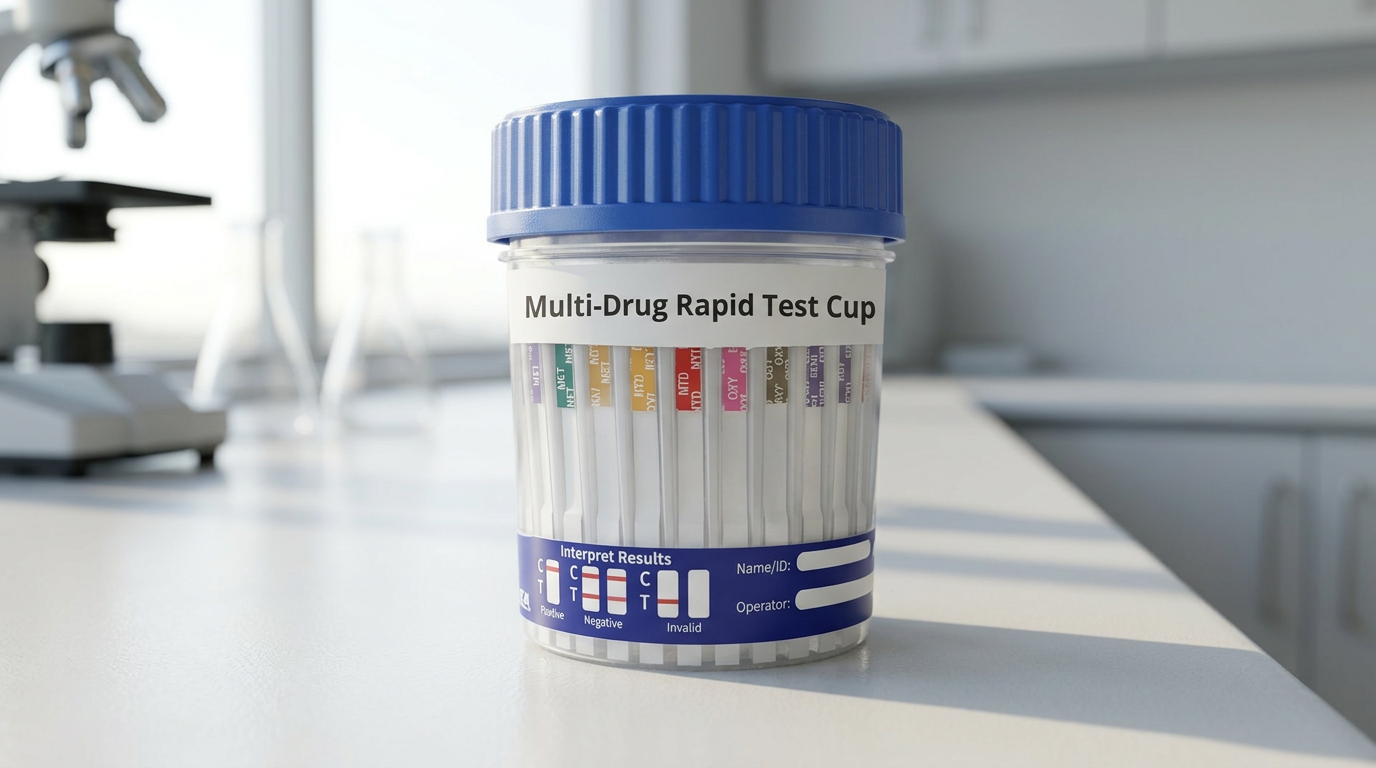
How a 12-panel cup changes the math versus smaller panels
People often compare a 12-panel cup to a 5-panel or 10-panel to save money. A better comparison is whether the smaller panel forces you to add extra tests later.
If you buy a smaller cup and keep adding ETG and fentanyl testing, costs and handling steps stack up. If you already know alcohol exposure and fentanyl matter, a broader cup that includes both can lower your total cost per screening.
A simple way to calculate your real cost
Use this quick formula to estimate total monthly cost:
- Start with your expected number of tests per month.
- Multiply by your all-in device cost per person. (Cup + any ETG or fentanyl add-ons you typically use.)
- Add your expected re-test rate. Even a small percentage can change which option is cheaper.
- Add expected confirmation costs for non-negative results. Base this on your policy and typical positivity rates.
This is more reliable than comparing unit prices in isolation.

Common buyer concerns: accuracy, detection windows, and “will it hold up?”
Cost-effectiveness doesn’t matter if the results don’t support decisions. Most buyers come back to a few practical questions.
“How far back does ETG really detect alcohol?”
ETG can detect recent alcohol consumption for up to about 80 hours. That longer window is useful for sobriety monitoring because it reaches beyond the short timeframe of breath testing. Set clear expectations, though: hydration, timing, and individual differences can affect urine screening. Consistent schedules and straightforward rules help results stay interpretable.
“Does fentanyl show up on a regular opiate test?”
Not reliably. Many “opiates” panels target morphine-like compounds, and fentanyl often requires its own panel. If fentanyl monitoring affects decisions, choose a test that includes fentanyl directly.
“Do I still need lab confirmation?”
That depends on your setting and policy. Many programs treat rapid tests as screens and confirm non-negative results through a lab before taking action—especially in employment, legal monitoring, and clinical decisions. Confirmation protects the person being tested and the organization relying on the result.
So, is a combined ETG + fentanyl multi-panel cup the most cost-effective option?
Often, yes. If ETG and fentanyl are frequent requirements, a combined multi-panel cup is usually cheaper than buying a general cup and adding separate ETG and fentanyl tests every time. It also streamlines the workflow: one collection, one device, one read. That time savings matters, especially when repeat steps are what turn “cheap” into expensive.
If you only need ETG or fentanyl occasionally, single-purpose tests can be the better buy. The right choice comes down to your testing cadence, the stakes of your program, and how aggressively you want to reduce re-tests and send-outs.
What to buy if you want one cup that covers both ETG and fentanyl
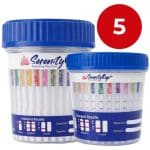
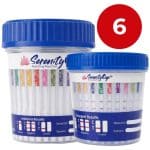
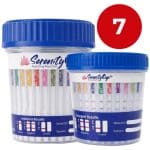
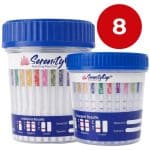
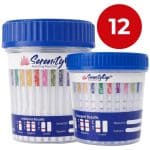
If you want one urine cup that provides broad screening and includes both ETG and fentanyl in the same device, choose a purpose-built option rather than piecing together separate products. You’ll keep the workflow simple and make per-person costs easier to predict.
FAQ
Is a multi-panel cup a good choice for home monitoring?
Yes. A cup keeps collection and testing together, which reduces handling mistakes and makes ongoing monitoring easier to manage.
How should I use rapid test results in a high-stakes setting?
Use rapid results as screening tools and follow your written policy. Many workplaces, courts, and clinics confirm non-negative results through a lab before taking action.
What makes a test “worth it” for frequent monitoring?
It’s worth it when it reduces add-on purchases, cuts re-tests, and gives clear, consistent answers for the substances you care about most.
Conclusion
If you test for both alcohol exposure and fentanyl risk on a regular schedule, you’ll usually spend less by using one cup that includes both instead of stacking separate tests. You’ll also simplify collection and reduce repeat steps, which helps keep results consistent across days and staff members. For a single-device option built for this use case, choose 12 Panel ETG & FEN Cup from 12 Panel Now.