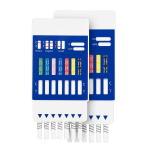
Fentanyl Drug Test Strips

Fentanyl is now a primary driver of the drug crisis, appearing in counterfeit pills, cocaine, meth, and heroin. Because it is impossible to detect by sight, it poses a severe risk across all sectors. For healthcare providers, probation officers, and HR managers, the priority has shifted from whether to test for fentanyl to how to do so accurately and affordably.
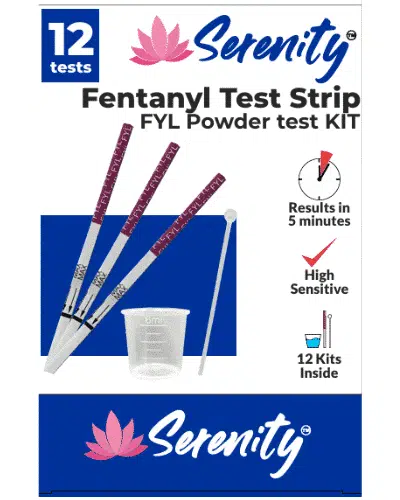
Fentanyl Harm Reduction Powder Test Kit: 10ng/ml, 12 Pc Box Set, Each set Containers Fentanyl Test strip, Mix cup and Pipet, As Low As $0.25 each Test.
FEN, FEN 10ng/mlForensic UseAs low As$0.25 $2.99 - $5.99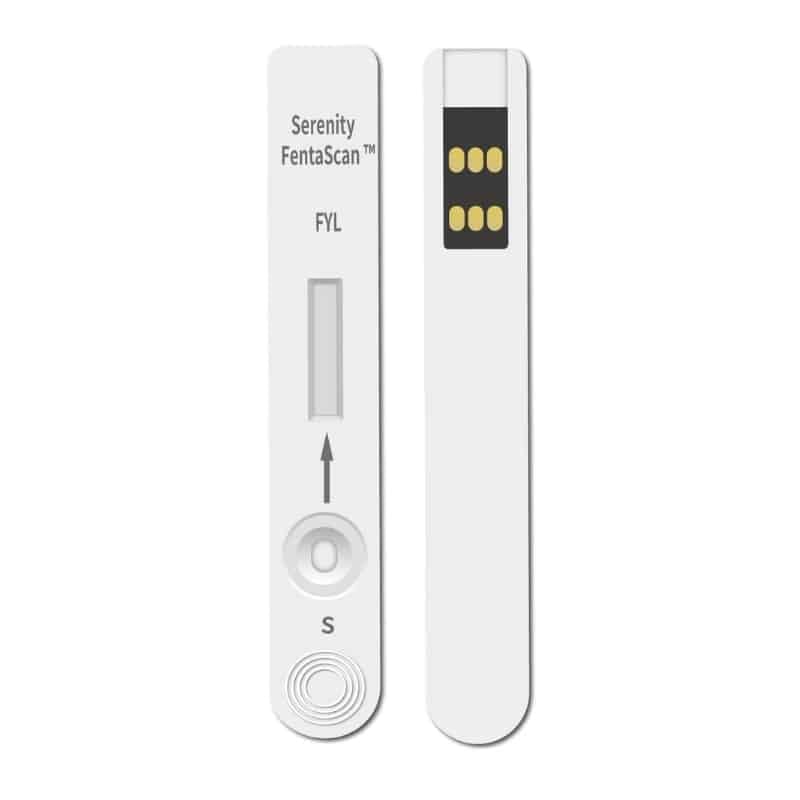
Clia Waived Fentanyl Instant Test, Comes with a FREE Digital Analyzer, As Low as $0.49 Per Test
FENCLIA WAIVEDAs low As$0.49 $0.49 - $0.69
Fentanyl Test Strips Harm Reduction (Powder) 10ng/ml Water-Based Testing
FEN, FEN 10ng/mlForensic UseAs low As$0.39 $0.39 - $0.59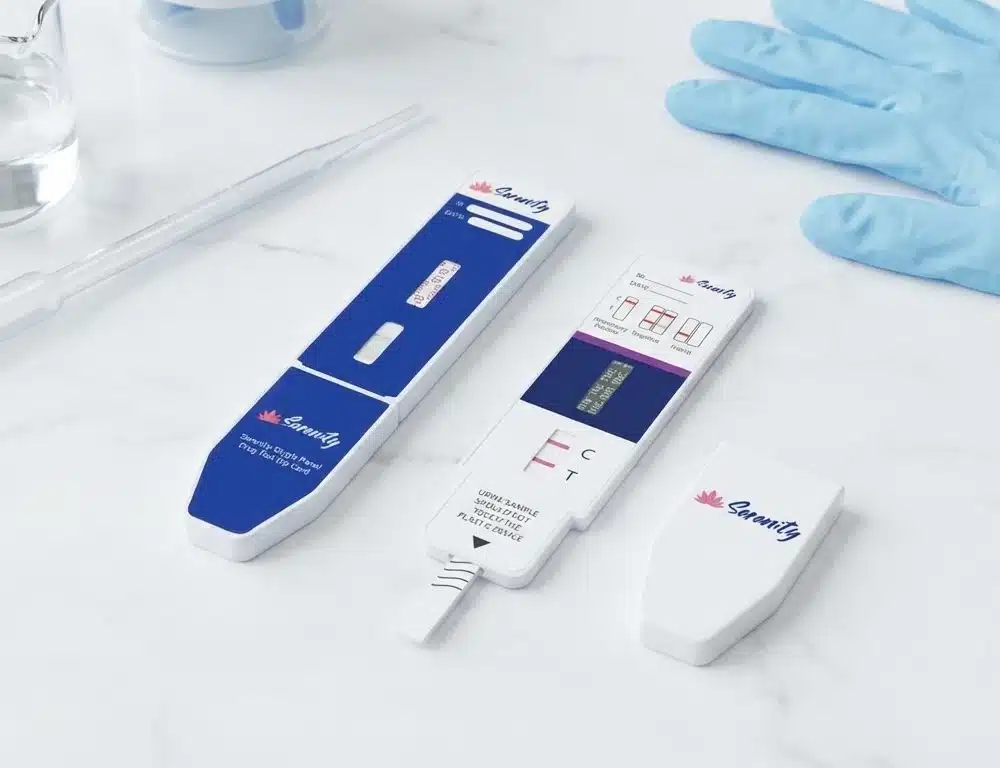
Dip Card FEN/20ng Detecting Fentanyl. Serenity Rapid Urine Drug Screening Test, As Low as $0.49 Per Test card
FENForensic UseAs low As$0.49 $0.49 - $0.69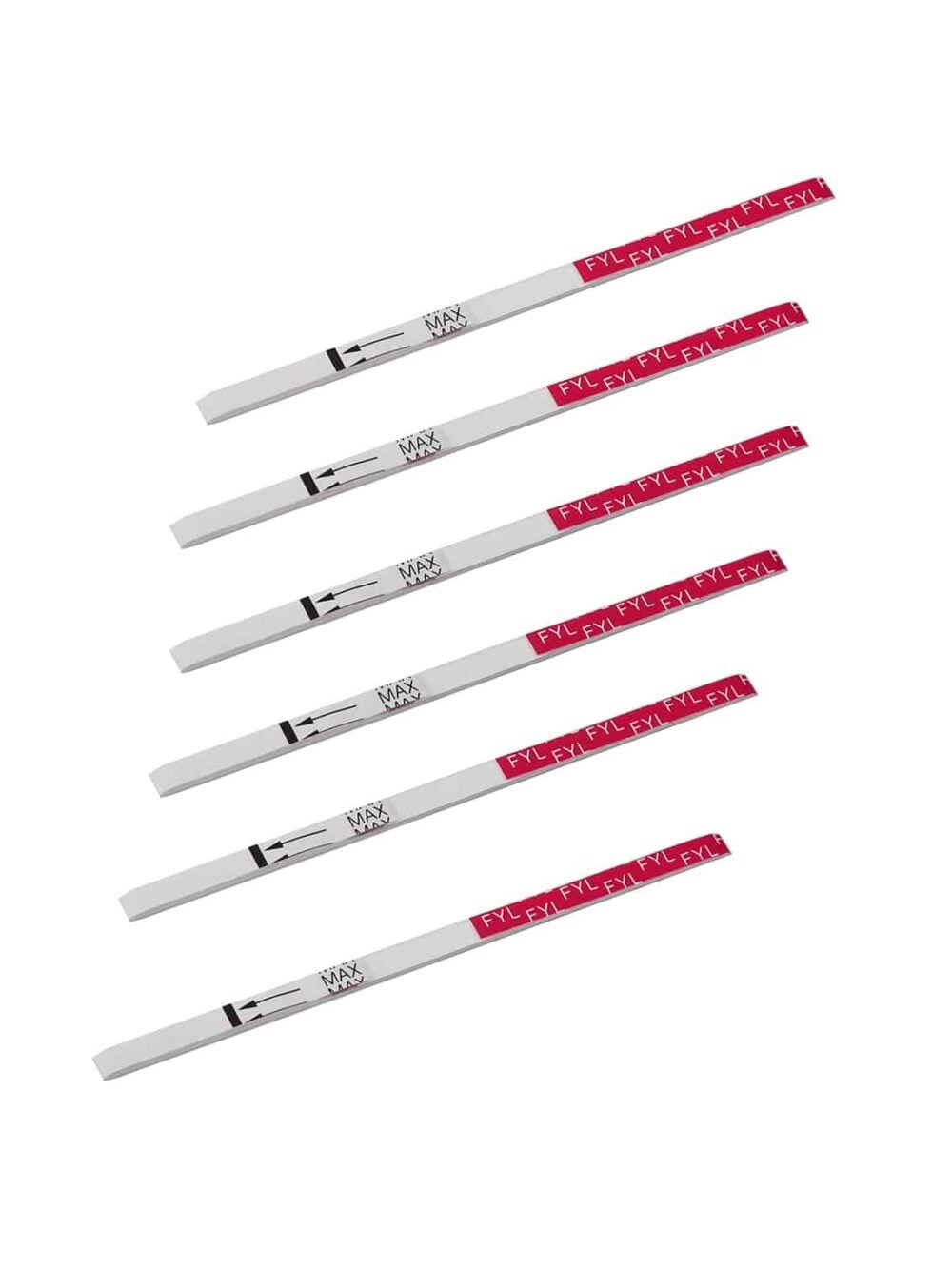
Fentanyl Urine Test – CLIA, 1ng/mL – Instant Drug Test Strip, CLIA Waived & FDA Approved
FEN, FEN 1ng/mlCLIA WAIVEDAs low As$0.39 $0.39 - $0.59
Fentanyl Test strip 20 ng/ml – Individual Pouch
FENForensic UseAs low As$0.39 $0.39 - $0.59
Dip Card FEN/20, Detecting Fentanyl. Serenity Single-Panel Urine Drug Test
FENForensic UseAs low As$0.49 $0.49 - $0.69Check out our Blog

Troubleshooting Invalid Drug Test Results: A Step-by-Step Guide
Posted by 12 Panel Now Use this quick matrix to classify the result pattern first—then choose the correct…
Learn More
Presumptive vs. confirmed drug test positives: The path to definitive results
Posted by 12 Panel Now A presumptive positive is an early warning, not a final verdict. This process…
Learn More
How to read a drug test: Your guide to faint lines, ghost lines, and confident results
Posted by 12 Panel Now A faint line can still mean a negative result. Use this gallery to…
Learn MoreHow A Fentanyl Drug Test Works
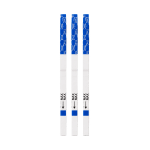
Fentanyl drug test strips are immunoassay-based tools designed to detect the presence of fentanyl and many of its analogs in a urine sample. The strips contain antibodies that react specifically to fentanyl compounds. When a sample is introduced, the antibodies bind to any fentanyl present, triggering a visible result on the strip within minutes.
The testing process is straightforward. A urine sample is collected, and the strip is dipped into the sample for the specified amount of time indicated in the product instructions. The strip is then laid flat and read within the result window, typically two to five minutes. No laboratory equipment is required, making these tests practical for use in field settings, clinics, workplaces, and at home.
It’s important to know that immunoassay tests like these are designed for initial screening purposes. A positive result indicates the likely presence of fentanyl at or above the strip’s cutoff concentration, but it is not a confirmed diagnosis. Any positive result used in a legal, clinical, or employment context should be sent to a licensed laboratory for confirmatory testing using a method such as gas chromatography-mass spectrometry (GC-MS).
What Fentanyl Test Strips Can And Cannot Detect
Understanding the detection capabilities of fentanyl testing strips is essential before putting them to use in any screening program. These strips are sensitive tools, but like all immunoassay-based tests, they have a defined scope of detection that every buyer should be aware of. Here is a breakdown of what fentanyl test strips are designed to detect, where their limitations lie, and how cross-reactivity factors into the equation:
Fentanyl And Its Analogs
Fentanyl test strips are formulated to detect fentanyl as well as a number of its synthetic analogs, including acetylfentanyl, carfentanil, and furanylfentanyl. This broad reactivity makes them particularly valuable in harm reduction and clinical settings where illicitly manufactured fentanyl, which often appears in unpredictable forms, may be present in a sample.
Detection Thresholds And Cutoff Concentrations
Every test strip operates at a specific cutoff concentration, typically measured in nanograms per milliliter (ng/mL). If fentanyl is present in a sample below that threshold, the test may return a negative result even when trace amounts exist. Buyers should review the cutoff level on their chosen product to ensure it aligns with the sensitivity requirements of their screening program.
Cross-Reactivity And Potential Limitations
Cross-reactivity occurs when a substance other than the target drug produces a positive result on a test strip. While fentanyl strips are highly specific, certain medications or compounds with a similar chemical structure may occasionally trigger a false positive. Confirmatory laboratory testing remains the recommended follow-up for any result used in a formal or high-stakes setting.
Fentanyl Testing Strips: Harm Reduction vs. Clinical Use
Fentanyl testing strips serve various purposes depending on the setting. A harm reduction organization’s deployment differs significantly from clinical or workplace applications. Understanding these distinctions ensures buyers select the right product for their specific needs. Here are the three primary contexts for fentanyl testing strip applications:
Harm Reduction And Community Settings
In harm reduction contexts, fentanyl testing strips are used to identify the presence of fentanyl in substances before consumption, with the goal of preventing accidental overdose. These strips are widely distributed by public health organizations, needle exchange programs, and community outreach groups. Their portability, ease of use, and rapid results make them a practical frontline tool in environments where laboratory access is not available.
Clinical And Rehabilitation Facilities
In clinical settings such as detox centers, rehabilitation facilities, and addiction treatment programs, fentanyl test strips are used to monitor patient compliance and track substance use during treatment. Results in these environments are typically documented as part of a broader care plan, and any positive findings are often followed up with confirmatory laboratory analysis to ensure accuracy before clinical decisions are made.
Workplace And Compliance Programs
Employers and compliance officers use fentanyl testing strips as part of structured drug screening programs to maintain safe and drug-free environments. While rapid test strips offer a convenient and cost-effective screening option, results used in employment or legal proceedings should always be confirmed by a certified laboratory to meet the evidentiary standards required in those contexts.
Reading And Interpreting Your Fentanyl Urine Test Results
Accurately interpreting a fentanyl urine test, including identifying faint lines, is essential for avoiding incorrect conclusions in clinical, workplace, or legal settings. The three possible outcomes—negative, positive, and invalid—must be clearly understood to ensure reliable results:
A Negative Result
A negative result is indicated by the appearance of two visible lines on the test strip, one in the control region and one in the test region. Even if the test line appears faint, it still counts as a negative result, meaning fentanyl was not detected at or above the cutoff concentration. Always refer to the product’s instruction insert to confirm the exact line placement for the specific strip being used.
A Positive Result
A positive result appears when only one line is visible, located in the control region, with no line present in the test region. This indicates that fentanyl or a reactive analog has been detected in the sample at or above the strip’s cutoff level. Any positive result intended for use in a formal, legal, or clinical context should be submitted to a licensed laboratory for confirmatory testing.
An Invalid Result
An invalid result occurs when no lines appear, or when a line shows only in the test region without a corresponding control line. This typically points to a procedural error, an expired strip, or a compromised sample. When an invalid result occurs, the test should be discarded and repeated using a new strip and a fresh sample.
Accuracy, Compliance, And What To Know Before You Buy
Purchasing fentanyl drug test strips requires more than simply comparing prices. Buyers need to evaluate accuracy ratings, regulatory compliance, and product specifications to ensure the strips they select are appropriate for their intended use. Here is what to look for across three of the most important purchasing considerations:
Accuracy And Certification Standards
Not all drug test strips are created equal. Buyers should look for products that are CLIA waived and FDA approved, as these designations indicate the test has met established federal standards for accuracy and performance in clinical and non-laboratory settings. A 99% accuracy rating, backed by proper certification, provides the level of confidence needed for professional screening programs and institutional use.
Shelf Life And Storage Requirements
Shelf life is a practical factor often overlooked until products expire. Quality fentanyl test strips should have a shelf life of at least 24 months from the manufacture date, allowing buyers to utilize bulk orders without waste. To maintain integrity, store strips at room temperature away from direct sunlight and humidity.
Bulk Availability And Shipping Timelines
For facilities and programs that test frequently, bulk availability and reliable shipping timelines are critical factors in maintaining an uninterrupted supply. Buyers should confirm that their supplier can fulfill large orders consistently and that same-day shipping options are available for time-sensitive restocking needs. Working with a high-volume supplier helps ensure that stock levels never become a bottleneck in an active screening program.
You can find even more fentanyl testing information at 12 Panel Now, where we provide the tests, alongside the vital information that you need to know before using them.
Frequently Asked Questions About Fentanyl Drug Test
How long does fentanyl stay detectable in urine?
Fentanyl is typically detectable in urine for 24 to 72 hours after last use, though this window can vary based on factors such as dosage, frequency of use, metabolism, and overall kidney function.
Can fentanyl test strips detect fentanyl in substances other than urine?
Some fentanyl test strips are designed for use with urine samples only, while others are formulated for surface or residue testing. Always check the product specifications to confirm the appropriate sample type before use.
What is the standard cutoff level for fentanyl test strips?
Cutoff concentrations for fentanyl test strips vary by product and intended use. Urine-based clinical strips commonly operate at a cutoff of 1 ng/mL, while strips designed for harm reduction purposes often use a cutoff of 20 ng/mL. Buyers should confirm the cutoff level listed on the product packaging to ensure it meets the sensitivity requirements of their program.
Are fentanyl test strips legal to use in all states?
Fentanyl test strip legality varies by state. While many states have moved to legalize their use as harm reduction tools, some restrictions may still apply depending on local drug paraphernalia laws. Checking current state regulations before purchasing is strongly recommended.
Can a prescribed medication cause a positive fentanyl test result?
Yes. Patients who are legitimately prescribed fentanyl-based medications, such as transdermal patches or lozenges used in pain management, will likely test positive on a fentanyl drug test. This is why confirmatory laboratory testing is important in any formal screening context.
How should used fentanyl test strips be disposed of?
Used test strips should be treated as biohazardous waste if they have come into contact with urine or other bodily fluids. Facilities should follow their standard protocols for medical waste disposal, while individual users should seal used strips in a bag before discarding them in the trash.
Do fentanyl test strips expire, and can expired strips still be used?
Yes, fentanyl test strips carry an expiration date printed on the packaging. Using expired strips is not recommended, as the antibody reactivity may degrade over time, increasing the likelihood of inaccurate results.
Can fentanyl test strips be used as part of a court-ordered drug testing program?
Fentanyl test strips can be used for initial screening in court-ordered programs, but results must be confirmed by a certified laboratory before they carry any evidentiary weight. Courts and probation offices typically require laboratory confirmation to meet the legal standards required in those proceedings.
What is the difference between a fentanyl test strip and a multi-panel drug test cup that includes fentanyl?
A fentanyl test strip tests for fentanyl only, making it useful for targeted screening. A multi-panel drug test cup that includes a fentanyl panel screens for multiple substances simultaneously, which is a more practical option for programs that need to monitor for a broader range of drugs in a single test.