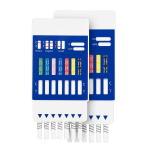
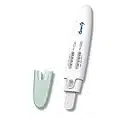
10 Panel Drug Test Cups

When a construction company in Ohio must screen 200 seasonal hires, or a probation office in Texas needs to process a full caseload by Friday, there is no room for unreliable drug tests. Panel count, accuracy, and product transparency are essential. While the 10-panel drug test is one of the nation’s most widely used screening tools, not all cups are built the same. Choosing the wrong one can cost time, credibility, and compliance.
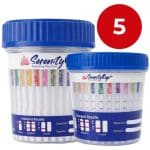
10 Panel Multi-Drug Urine Test Cup Detecting FEN & ETG, As low as $1.49
AMP, BUP, BZO, COC, EtG, FEN, MET, OPI/MOR, PCP, THCForensic UseAs low As$1.49 $1.49 - $2.09
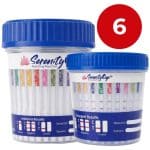
10 Panel Urine Test Cup: Detects Kratom, Fentanyl, K2 & Alcohol (ETG), As low as $1.49
BUP, BZO, COC, EtG, FEN, K2, KRA, MET, OPI/MOR, OXYForensic UseAs low As$1.49 $1.49 - $2.09
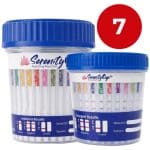
10 Panel Urine Drug Test Cup 90ML detecting ETG, FEN & Adulterants, As low as $1.19
ADLTX, AMP, BUP, BZO, COC, EtG, FEN, MET, OPI/MOR, PCP, THCForensic UseAs low As$1.19 $1.19 - $1.79
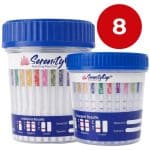
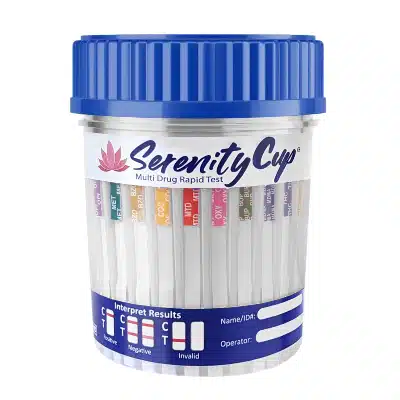
10 Panel Drug Test detects FEN, AMP, BZO, BUP, MET, METH, OXY, OPI, THC & COC, Low price $1.69, Serenity Cup
AMP, BUP, BZO, COC, FEN, MET, MTD, OPI/MOR, OXY, THCForensic UseAs low As$1.69 $1.69 - $2.49
10 Panel Drug Test, 90ML detecting ETG, K2, KRA & OPI/300, As low as $1.19
BUP, BZO, COC, EtG, K2, KRA, MET, OPI/MOR, OXY, THCForensic UseAs low As$1.19 $1.19 - $1.79
10 Panel Drug test Cup, 90ML detecting K2 & OPI/2000, As low as $1.19
AMP, BUP, BZO, COC, K2, MDMA, MET, OPI/MOR, OXY, THCForensic UseAs low As$1.19 $1.19 - $1.79
10 Panel Drug Test Cup, FDA Approved and CLIA Waived, Clearance Sale! As Low as $1.69
AMP, BUP, BZO, COC, MDMA, MET, MTD, OPI/MOR, OXY, THCCLIA WAIVED, FDA ApprovedAs low As$1.69 $1.69 - $2.49
10 Panel Drug Test Cup 90ml: CLIA Waived, FDA Approved, Detecting BUP & MDMA, As Low As $1.19
AMP, BUP, BZO, COC, MDMA, MET, MTD, OPI/MOR, OXY, THCCLIA WAIVEDAs low As$1.19 $1.19 - $1.79Check out our Blog

Troubleshooting Invalid Drug Test Results: A Step-by-Step Guide
Posted by 12 Panel Now Use this quick matrix to classify the result pattern first—then choose the correct…
Learn More
Presumptive vs. confirmed drug test positives: The path to definitive results
Posted by 12 Panel Now A presumptive positive is an early warning, not a final verdict. This process…
Learn More
How to read a drug test: Your guide to faint lines, ghost lines, and confident results
Posted by 12 Panel Now A faint line can still mean a negative result. Use this gallery to…
Learn MoreWhat Does A 10 Panel Drug Test Screen For?
A 10-panel drug test screens for ten commonly abused substances in one urine sample. The standard configuration typically includes:
- Illicit Drugs: Marijuana (THC), Cocaine (COC), Amphetamines (AMP), Methamphetamine (mAMP), and Phencyclidine (PCP).
- Prescription/Synthetics: Opiates (OPI), Benzodiazepines (BZO), Barbiturates (BAR), Methadone (MTD), and Propoxyphene (PPX).
This panel reflects real-world abuse patterns, making it a standard for workplace, court-ordered, and clinical monitoring. Each substance has a specific cutoff level calibrated to detect recent use rather than trace environmental exposure.
Note that results are preliminary. Any positive finding must be confirmed by a licensed laboratory using definitive methods like GC-MS before formal action is taken. This ensures results remain defensible in legal or employment contexts.
How A Ten Panel Drug Test Cup Works
A drug test cup is a self-contained urine screening device designed to deliver fast, readable results without the need for additional equipment or laboratory processing. Understanding how the cup functions helps administrators, HR teams, and compliance officers use it correctly and interpret results with confidence. Here is a breakdown of the three core stages of the testing process:
Collecting The Sample
The test begins when the donor provides a urine sample directly into the cup. Most 10-panel cups feature a built-in temperature strip to verify the specimen falls within the normal range of 90°F to 100°F. This step is a critical safeguard against tampering or substitution.
How The Immunoassay Reaction Works
Once the sample is collected, the urine travels through an internal wick and makes contact with the reagent strips embedded in the cup’s testing panel. Each strip is coated with antibodies that react to specific drug metabolites. When a substance is present at or above the cutoff concentration, it triggers a visible reaction on the corresponding strip, producing either a line or the absence of one to indicate the result.
Reading The Results
Results are typically visible within two to five minutes of sample collection. A line next to a drug abbreviation indicates a negative result, while the absence of a line indicates a presumptive positive for that substance. A control line must also appear to confirm the test functioned properly. Any result that is unclear or presumptively positive should be sent to a certified laboratory for confirmation.
Who Uses A 10 Panel Urine Drug Test And Why
The 10 panel urine drug test is one of the most versatile screening tools available, used across a wide range of industries and settings where substance monitoring is a routine or regulatory requirement. The combination of substances it covers makes it broad enough for general screening while remaining practical for day-to-day operational use. The following are three of the most common settings where this test is relied upon:
Workplace And Employment Screening
Employers across industries including transportation, construction, healthcare, and manufacturing use the 10 panel drug test as part of pre-employment screening, random testing programs, and post-incident investigations. The panel’s coverage of both illicit substances and commonly misused prescription drugs makes it a practical choice for safety-sensitive environments where a failed screen can have serious operational or liability consequences.
Court, Probation, And Legal Compliance
Courts and probation departments rely on the 10 panel drug screen to monitor individuals under supervision as a condition of their release or sentencing. Consistent, documented testing is a core part of compliance in these settings, and the cup format supports high-volume, observed collection with minimal processing time. Results that will be used in legal proceedings should always be confirmed by an accredited laboratory.
Rehabilitation And Clinical Monitoring
Rehab centers, detox facilities, and outpatient treatment programs use the 10 panel drug test to track patient progress and identify relapse during recovery. Regular screening supports treatment accountability and gives clinicians a reliable data point for adjusting care plans. The self-contained cup format is particularly well suited to clinical environments where efficiency and hygiene are both priorities.
How To Read And Interpret Your 10 Panel Drug Screen Results
Accurately reading a 10-panel drug screen is essential for maintaining professional standards. Misinterpreting results can lead to unnecessary follow-up, missed positives, or decisions based on flawed data. Use this guide to ensure accurate results:
Understanding Lines And What They Indicate
Each panel displays results via the presence or absence of a colored line. Any visible line next to a drug abbreviation—regardless of intensity—indicates a negative result. Conversely, the absence of a line indicates a presumptive positive. Because faint lines are valid negatives, users must be careful not to misinterpret them, as this remains a frequent point of confusion.
The Role Of The Control Line
Every valid test result depends on the control line appearing clearly on the cup. The control line confirms that the test device functioned as intended and that the result is readable. If the control line does not appear, the test is considered invalid regardless of what the other panels show, and a fresh test should be administered using a new cup.
What To Do With A Presumptive Positive
A presumptive positive on a 10 panel drug screen is not a confirmed result. It indicates that a substance may be present at or above the cutoff threshold, but it does not constitute a definitive finding. Before any formal action is taken in a workplace, legal, or clinical context, the sample should be sent to a certified laboratory for confirmatory testing using an accepted method such as GC-MS.
What To Look For When Buying A 10 Panel Drug Test Cup
Not all 10 panel drug test cups are manufactured to the same standard, and the differences between products can have a real impact on accuracy, compliance, and cost efficiency. Whether purchasing for a single location or managing supply for a large organization, knowing what to evaluate before buying saves time and reduces the risk of using a product that does not meet operational needs. Here are the three most important factors to consider:
Compliance Certifications And Accuracy Standards
The first step in evaluating a drug test cup is verifying its regulatory certifications. CLIA waiver status and FDA 510(k) clearance are the primary markers of a product approved for professional screening. A 99% accuracy rating, backed by these certifications, ensures reliable results, provided confirmatory testing is performed when required.
Panel Configuration And Customization Options
Different settings have different screening needs, and a supplier that offers a wide range of panel configurations gives buyers the flexibility to match the test to the program. Some organizations need a standard 10 panel setup, while others may require additional panels for substances like fentanyl, benzodiazepines, or kratom. Confirming that a supplier can accommodate both standard and custom panel configurations is an important step before committing to a bulk order.
Shelf Life, Storage, And Bulk Pricing
Operational buyers purchasing at volume need to account for shelf life and storage conditions alongside unit cost. A 24-month shelf life gives organizations the flexibility to buy in bulk without the risk of product expiration cutting into their supply. Wholesale pricing and same-day shipping on bulk orders are additional factors worth confirming with a supplier, as they directly affect both budget planning and the ability to restock quickly when inventory runs low.
Frequently Asked Questions About 10 Panel Drug Test
How long do drugs stay detectable in urine for a 10 panel drug test?
Detection windows vary by substance and individual factors. THC can remain detectable for several weeks in heavy users, while most other substances clear within two to four days. These are general ranges, not guarantees.
Can prescription medications cause a positive result on a 10 panel drug test?
Yes. Benzodiazepines, amphetamines, and opiates are all found in legally prescribed medications. Confirmatory laboratory testing is essential before any formal action is taken based on a presumptive positive.
Is a 10 panel drug test observed or unobserved?
This depends on the policy of the administering organization. Court and probation settings often require observed collection, while workplace programs may allow unobserved. The cup format supports both approaches.
What is the difference between a 10 panel drug test cup and a dip card?
A cup is a self-contained device where the donor collects directly into it and results appear on the integrated panel. A dip card requires a separate collection container. Cups are generally preferred where hygiene and tamper resistance matter.
Can a 10 panel drug test detect synthetic drugs like K2 or Spice?
No. A standard 10 panel does not include synthetic cannabinoids. Detecting K2 or Spice requires a specifically configured panel with that marker added.
How should used drug test cups be disposed of?
Used cups contain biological material and should be disposed of as biohazardous waste in accordance with local regulations and facility policy.
Do 10 panel drug test cups have a temperature strip, and why does it matter?
Most quality cups include a built-in temperature strip to verify the sample falls within normal body temperature range, providing an immediate checkpoint against tampering or substitution.