How to Keep Your Pee Warm for a Drug Test – Urine Temperature Matters During a Drug Test

Quick Answer
A freshly collected urine sample for a drug test should normally measure between 90°F and 100°F (32°C to 38°C) when its temperature is checked shortly after collection. Most professional collection sites verify specimen temperature within 4 minutes because temperature is one of the first indicators that a sample is fresh and has been collected according to testing procedures.
If a urine specimen falls outside the accepted temperature range, the collector may document the discrepancy, request another sample, or follow additional specimen validity procedures depending on workplace policies and applicable regulations. Modern urine drug test cups often include a built-in temperature strip that allows collectors to immediately confirm whether the specimen falls within the expected range.
Understanding why urine temperature matters helps employers, healthcare providers, and individuals better understand how professional drug testing protects the integrity and accuracy of test results.
Why Urine Temperature Matters During a Drug Test
Urine temperature is one of the most important specimen validity indicators evaluated during urine drug testing. Fresh urine naturally leaves the human body close to normal body temperature, so checking the specimen immediately after collection helps verify that it was recently provided and handled according* to established collection procedures.*
Temperature verification is not designed to determine whether drugs are present. Instead, it helps confirm that the specimen itself is suitable for testing.
Professional drug testing programs—including workplace drug screening, pre-employment testing, clinical monitoring, rehabilitation programs, probation testing, and Department of Transportation (DOT) collections—commonly include temperature verification as part of the collection process.
A fresh specimen that falls within the expected temperature range provides greater confidence that laboratory or instant drug testing results accurately represent the donor’s sample.
Why Collectors Check Temperature Immediately
Timing is critical because urine begins cooling as soon as it leaves the body.
For this reason, trained collectors typically verify specimen temperature within the first few minutes after collection. Many professional urine drug test cups include integrated temperature strips that provide an instant reading without additional equipment.
Immediate temperature verification helps maintain:
- Specimen integrity
- Accurate chain of custody
- Reliable screening results
- Proper workplace compliance
- Confidence in laboratory confirmation testing when required
This process has become standard practice in many occupational health clinics, hospitals, collection facilities, rehabilitation centers, and government testing programs.
What Is the Correct Urine Temperature for a Drug Test?
Fresh urine normally falls within an accepted temperature range of approximately:
| Measurement | Accepted Range |
|---|---|
| Fahrenheit | 90°F–100°F |
| Celsius | 32°C–38°C |
| Average Human Body Temperature | 98.6°F (37°C) |
This range reflects the temperature expected from a recently collected human urine specimen.
Although normal body temperature averages 98.6°F (37°C), slight variations occur between individuals and throughout the day. Because of these natural differences, professional testing programs allow a reasonable temperature window rather than expecting every sample to measure exactly the same.
When a specimen falls within the accepted range shortly after collection, it generally supports the conclusion that the sample was freshly provided.
Why 98.6°F Isn’t Required
Many people assume every urine sample should measure exactly 98.6°F.
In reality, several normal physiological factors influence urine temperature, including:
- Individual body temperature
- Hydration status
- Physical activity
- Environmental conditions
- Time between collection and measurement
This is why laboratories and collection facilities use an acceptable temperature range instead of a single number.
How Drug Test Cups Measure Urine Temperature
Modern urine drug test cups simplify specimen collection by including an integrated temperature strip directly on the collection cup.
Immediately after the donor provides the specimen, the collector reads the temperature indicator to verify whether the sample falls within the expected range.
Because the temperature strip is built directly into the cup, no additional thermometer is typically required for routine workplace testing.
Professional urine drug test cups commonly include:
- Built-in temperature strip
- Leak-resistant lid
- Multi-panel drug screening device
- Specimen identification area
- Tamper-evident design
- Easy-to-read result window
These features help reduce collection errors while improving consistency across testing programs.
How Temperature Strips Work
Temperature strips contain specialized liquid crystal indicators that change color as the specimen reaches different temperatures.
When urine is placed into the collection cup, the strip quickly displays the current specimen temperature, allowing collectors to determine whether it falls within the accepted verification range.
The reading usually becomes available within seconds.
This immediate verification supports:
- Specimen validity testing
- Chain of custody documentation
- Workplace compliance
- Clinical drug testing
- Laboratory specimen acceptance
How Quickly Is Urine Temperature Checked?
Professional specimen collection procedures require prompt temperature verification because urine naturally begins cooling almost immediately after collection.
Most collection sites check specimen temperature within four minutes after the donor submits the sample.
Waiting significantly longer may allow the specimen temperature to change naturally, making it more difficult to evaluate whether the sample reflects normal collection conditions.
For this reason, collectors usually:
- Receive the specimen immediately.
- Inspect the collection cup.
- Verify the temperature strip.
- Record collection observations when required.
- Continue the remaining specimen handling procedures.
This standardized process helps maintain consistency across workplace, healthcare, and federally regulated testing programs.
What Happens If a Urine Sample Is Outside the Accepted Temperature Range?
A urine sample that measures outside the expected temperature range does not automatically mean a person failed the drug test.
Instead, it indicates that the specimen may require additional review under the testing program’s established procedures.
Depending on employer policies, laboratory requirements, or regulatory guidelines, collectors may:
- Document the temperature observation.
- Request a new specimen.
- Perform additional specimen validity testing.
- Send the sample for laboratory review.
- Follow chain of custody documentation requirements.
- Conduct an observed recollection when permitted by policy.
The exact procedure depends on the organization’s drug testing program and applicable regulations.
Temperature Alone Does Not Determine Drug Test Results
It is important to understand the difference between:
Drug Screening
Determines whether drugs or drug metabolites are present above established cutoff levels.
Specimen Validity Testing
Determines whether the specimen appears suitable for testing by evaluating indicators such as temperature and other validity measures.
These are separate parts of the drug testing process.
A specimen may require additional review because of validity concerns even before the laboratory evaluates the presence or absence of drugs.
What Else Besides Temperature Is Checked During Specimen Validity Testing?
Temperature is only one component of Specimen Validity Testing (SVT).
Professional laboratories and many workplace testing programs evaluate additional characteristics to help determine whether the specimen appears consistent with normal human urine.
Common validity indicators include:
Creatinine
Creatinine is a natural waste product produced by muscles.
Very low creatinine levels may indicate an unusually diluted specimen.
Specific Gravity
Specific gravity measures the concentration of dissolved substances in urine.
Abnormally low or unusually high values may suggest dilution or other specimen concerns.
pH
Urine normally falls within a specific pH range.
Extremely acidic or highly alkaline samples may require further evaluation.
Oxidants
Some testing programs evaluate oxidizing substances that may interfere with drug screening.
Oxidant testing helps identify possible specimen adulteration.
Nitrites
Unusually elevated nitrite levels may indicate contamination or adulteration.
Visual Appearance
Collectors may also observe:
- Color
- Clarity
- Foam
- Sediment
- Odor
These observations help support specimen integrity but are interpreted alongside laboratory testing rather than independently.
Why Fresh Urine Produces the Most Reliable Results
Freshly collected urine provides the most stable testing conditions because its physical and chemical characteristics closely reflect the donor’s condition at the time of collection.
As urine sits over time, natural changes may occur, including:
- Temperature reduction
- Bacterial growth
- pH changes
- Chemical degradation
- Changes in odor
- Altered appearance
These natural changes are one reason professional collection procedures emphasize prompt specimen handling and timely laboratory processing.
Common Reasons Temperature Verification May Raise Questions
Temperature readings outside the expected range can occur for several reasons that are unrelated to the actual drug test result.
Examples include:
- Delays after specimen collection
- Environmental temperature exposure
- Improper specimen handling
- Transportation delays
- Collection timing issues
- Storage conditions
- Accidental cooling before verification
Because multiple factors can affect specimen temperature, trained collectors follow standardized procedures before determining whether additional collection steps are necessary.
Why Professional Drug Test Cups Improve Collection Accuracy
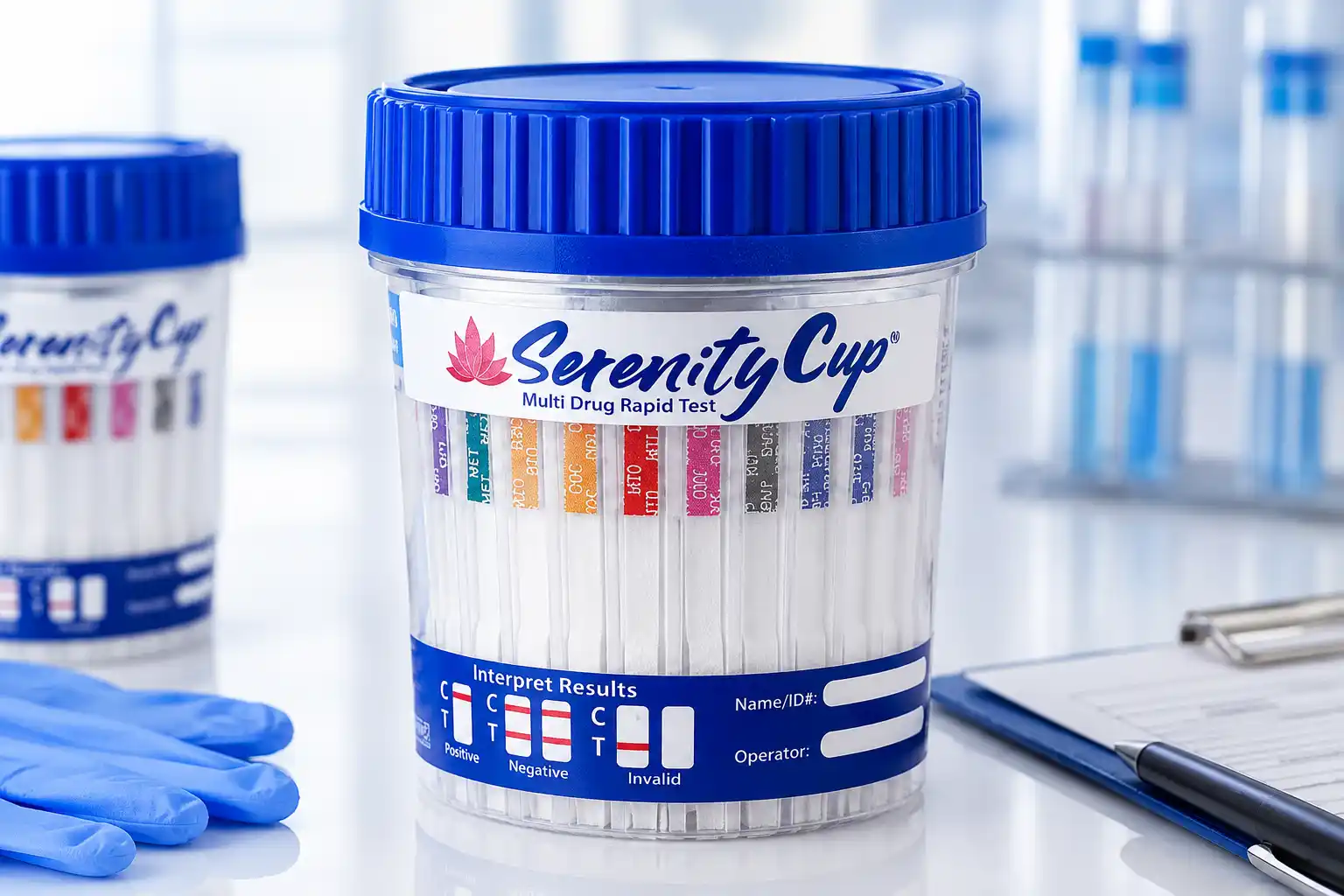
Modern 12 panel drug test cups are designed to simplify the specimen collection process while improving consistency and reducing documentation errors.
Professional-grade collection cups commonly include:
- Built-in temperature strip
- Integrated multi-panel drug screening
- Tamper-evident design
- Leak-resistant container
- Easy-to-read result window
- Space for donor identification
- Reliable specimen handling
These features help employers, occupational health providers, rehabilitation facilities, and clinical testing programs collect specimens more efficiently while maintaining specimen validity requirements.
Understanding DOT and SAMHSA Urine Collection Procedures
Many people searching “how to keep your pee warm for a drug test” are actually preparing for a workplace, Department of Transportation (DOT), or federally regulated drug test. Understanding how these testing programs work provides better insight into why specimen temperature is checked so carefully.
The U.S. Department of Transportation (DOT) and the Substance Abuse and Mental Health Services Administration (SAMHSA) have established standardized urine collection procedures to help ensure accurate, fair, and legally defensible drug testing.
These procedures emphasize:
- Proper donor identification
- Controlled specimen collection
- Temperature verification
- Chain of Custody documentation
- Specimen validity testing
- Certified laboratory analysis
- Medical Review Officer (MRO) review when appropriate
Rather than relying on a single indicator, professional drug testing uses multiple safeguards to protect both employers and donors throughout the testing process.
What Is a Chain of Custody Form (CCF)?
One of the most important documents used during workplace drug testing is the Chain of CustodyForm (CCF).
This document records every step of the specimen’s journey, from collection through laboratory analysis.
The Chain of Custody helps verify:
- Who collected the specimen
- When the sample was collected
- The specimen identification number
- Temperature verification
- Sample packaging
- Transportation details
- Laboratory receipt
- Final testing records
Maintaining an uninterrupted Chain of Custody helps preserve specimen integrity and reduces the possibility of specimen mix-ups or documentation errors.
For federally regulated testing programs, proper Chain of Custody procedures are essential for maintaining legally defensible results.
Why Employers Verify Specimen Validity
Drug testing programs are designed to produce reliable and defensible results. While many people focus only on whether drugs are detected, professional testing also evaluates whether the specimen itself appears valid for analysis.
This is where Specimen Validity Testing (SVT) becomes important.
Specimen validity testing helps identify unusual specimen characteristics before drug analysis begins.
Collectors and laboratories may evaluate:
- Temperature
- Creatinine
- Specific gravity
- pH
- Oxidants
- Nitrites
- Appearance
Together, these indicators help determine whether the sample appears consistent with normal human urine collected according to standard procedures.
How Built-In Temperature Strips Improve Drug Testing
Modern urine drug test cups have significantly improved specimen collection by incorporating built-in temperature strips directly into the collection container.
Instead of requiring separate thermometers, the collector can immediately verify specimen temperature during collection.
Benefits of integrated temperature strips include:
- Faster specimen verification
- Reduced collection errors
- Immediate visual confirmation
- Improved workplace efficiency
- Better documentation
- Greater confidence in specimen validity
- Simplified collection procedures
These features make temperature-verified drug test cups a preferred choice for employers, occupational health clinics, rehabilitation centers, pain management practices, correctional facilities, and healthcare providers.
Common Myths About Urine Temperature During Drug Testing
The internet contains a significant amount of misinformation about urine temperature and drug testing. Understanding the facts helps clarify how professional testing actually works.
Myth 1: Temperature Alone Determines Whether You Pass
This is false.
Temperature is only one part of specimen validity testing.
Drug screening results depend on whether drugs or their metabolites are present above established cutoff concentrations. Temperature simply helps confirm that the specimen appears suitable for testing.
Myth 2: Every Sample Must Be Exactly 98.6°F
Not true.
Fresh urine naturally varies slightly between individuals.
Most professional testing programs accept a temperature range of approximately 90°F to 100°F (32°C to 38°C) shortly after collection rather than expecting every sample to measure exactly 98.6°F.
Myth 3: Drug Test Cups Only Detect Drugs
Modern drug test cups often perform multiple functions simultaneously.
Depending on the product, they may include:
- Multi-panel drug screening
- Temperature verification
- Specimen collection
- Tamper-evident features
- Leak-resistant design
- Easy result interpretation
Some professional collection systems also support specimen validity testing before laboratory confirmation when necessary.
Myth 4: Temperature Is the Only Specimen Validity Indicator
Professional laboratories evaluate multiple specimen characteristics.
Additional validity indicators commonly include:
- Creatinine concentration
- Specific gravity
- pH
- Oxidants
- Nitrites
- Physical appearance
These measurements work together to support reliable testing.
Best Practices for Employers and Collection Sites
Successful workplace drug testing programs depend on consistent collection procedures and reliable testing equipment.
Organizations can improve testing quality by:
- Using professional drug test cups with built-in temperature strips.
- Following standardized specimen collection protocols.
- Properly training collection personnel.
- Maintaining complete Chain of Custody documentation.
- Performing specimen validity checks when appropriate.
- Using CLIA-waived instant drug tests when applicable.
- Sending non-negative specimens for laboratory confirmation.
These best practices help reduce collection errors while supporting accurate, defensible drug testing results.
Choosing the Right Urine Drug Test Cup
Not every drug test cup offers the same features.
When selecting a professional urine drug test cup, consider products that include:
Built-In Temperature Strip
Allows immediate verification of specimen temperature without additional equipment.
Tamper-Evident Design
Helps protect specimen integrity throughout the testing process.
Multi-Panel Drug Detection
Available in configurations ranging from 5-panel to 18-panel screening depending on workplace requirements.
Clear Result Window
Makes interpreting negative and preliminary positive screening results easier.
Leak-Resistant Lid
Reduces specimen handling issues during transportation.
CLIA-Waived Options
Suitable for many workplace and clinical testing environments when regulatory requirements are met.
Selecting high-quality collection devices can improve efficiency while helping maintain compliance with workplace testing procedures.
Why Professional Drug Testing Relies on Standardized Procedures
Drug testing programs are designed to produce consistent and reliable results regardless of where testing occurs.
Whether a specimen is collected at:
- An occupational health clinic
- A hospital
- A rehabilitation center
- A physician’s office
- A correctional facility
- A workplace collection site
The same principles generally apply:
- Proper identification
- Accurate specimen collection
- Immediate temperature verification
- Specimen validity evaluation
- Secure Chain of Custody
- Reliable laboratory analysis when required
Following standardized procedures helps protect both the testing organization and the individual providing the specimen.
Conclusion
Urine temperature is an important part of the drug testing process because it helps verify that a specimen was recently collected and handled according to established procedures. Fresh urine typically falls within an accepted temperature range of 90°F to 100°F (32°C to 38°C), and professional collection sites generally verify specimen temperature within the first few minutes after collection.
However, temperature is only one component of a comprehensive drug testing program. Employers, healthcare providers, and laboratories also evaluate other specimen validity indicators—such as creatinine, specific gravity, pH, oxidants, and overall sample integrity—to help ensure reliable and defensible results.
Using professional urine drug test cups with built-in temperature strips, following proper collection protocols, and maintaining complete Chain of Custody documentation all contribute to a more accurate and efficient testing process. Whether testing is performed for workplace compliance, healthcare, rehabilitation, or federally regulated programs, standardized specimen collection procedures help maintain confidence in every drug test result.
Frequently Asked Questions
What temperature should urine be for a drug test?
Fresh urine is generally expected to measure between 90°F and 100°F (32°C to 38°C) when checked shortly after collection. Most collection sites verify the specimen temperature within the first few minutes as part of standard specimen validity procedures.
Why is urine temperature checked during a drug test?
Temperature verification helps confirm that a urine specimen was recently collected and handled according to established testing procedures. It is one of several specimen validity indicators used to support accurate and reliable drug testing.
How soon is urine temperature measured after collection?
Most professional collection sites check specimen temperature within 4 minutes of collection. Many urine drug test cups include a built-in temperature strip that provides an immediate reading without additional equipment.
Can a urine sample be rejected because of its temperature?
If a specimen falls outside the accepted temperature range, the collector may document the finding and follow the organization’s collection procedures. Depending on workplace policies, this may involve recollection, additional specimen validity testing, or laboratory review.
What is specimen validity testing (SVT)?
Specimen Validity Testing (SVT) evaluates characteristics such as temperature, creatinine, specific gravity, pH, oxidants, and nitrites to determine whether a urine sample appears suitable for drug testing before laboratory analysis is completed.
Do all urine drug test cups include a temperature strip?
No. While many professional drug test cups feature an integrated temperature strip, some basic collection containers do not. Temperature-strip drug test cups are commonly used in workplace, clinical, and rehabilitation testing programs because they simplify specimen verification.
Why do employers use drug test cups with built-in temperature strips?
Built-in temperature strips provide immediate specimen verification, reduce collection errors, improve documentation, and help support specimen validity requirements during workplace and clinical drug testing.
What is the Chain of Custody in drug testing?
The Chain of Custody is a documented record that tracks a urine specimen from collection through laboratory testing. It helps ensure the sample is properly identified, securely handled, and accurately linked to the correct donor throughout the testing process.
What other factors besides temperature are checked in a urine drug test?
In addition to temperature, laboratories may evaluate creatinine, specific gravity, pH, oxidants, nitrites, and the specimen’s physical appearance. These measurements help verify sample integrity and identify potential validity concerns before drug analysis.
Are professional drug test cups more reliable than basic collection containers?
Professional urine drug test cups are designed with features such as built-in temperature strips, tamper-evident seals, leak-resistant lids, and integrated multi-panel drug screening. These features help improve collection accuracy, streamline testing, and support consistent specimen handling in workplace and clinical settings.