Cartridge Vs. Strip Drug Tests

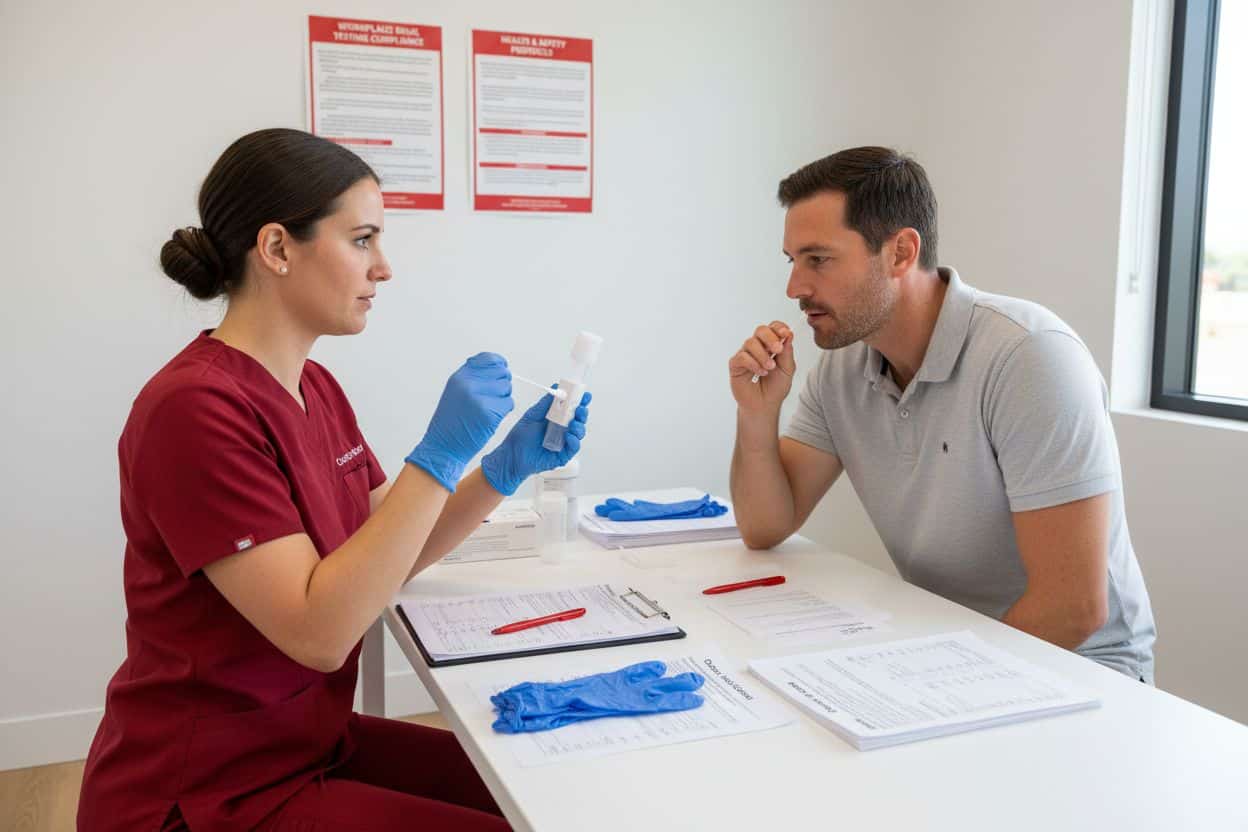
Cartridge vs strip tests is a common comparison in drug testing, as both options offer efficient and user-friendly solutions for detecting substance use. At 12 Panel Now, we recognize how critical accurate drug testing is across workplaces, healthcare facilities, and rehabilitation settings. This guide explores cartridge and strip drug tests in detail, highlighting their key features, advantages, limitations, and differences in reliability and cost. Understanding these factors will help you make informed decisions about which testing method best suits your needs.
Understanding Urine Drug Tests
The Importance of Drug Testing
Drug testing plays a crucial role in promoting safety and compliance in various environments. It helps organizations maintain a drug-free workplace, monitor compliance in rehabilitation programs, and monitor prescription medications for conditions such as attention deficit hyperactivity disorder, ensuring proper use of stimulant drugs and preventing misuse. By detecting substance misuse early, drug testing can prevent accidents, safeguard employee health, and support safe treatment practices. Accurate testing is essential to inform interventions and treatment planning.
Common Uses of Drug Tests
Rapid urine tests are widely used for:
-
- Workplace Screening: To meet safety regulations and reduce risks associated with substance abuse.
- Healthcare Environments: Monitoring medication compliance and ensuring patient safety, as well as testing a loved one at home for substance use.
- Legal and Criminal Justice Settings: To supervise abstinence and compliance with legal requirements, often under the supervision of a test administrator to ensure proper procedure.
Overview of Cartridge Drug Tests
How Cartridge Tests Work
Cartridge tests, also known as cassette tests, involve a small plastic housing that contains one or more reactive test strips. The testing process typically requires urine to be collected in a separate cup, and then a dropper is used to transfer the sample into the test device. Cartridge tests can detect multiple drugs from one sample. Once the sample is applied, it migrates across the membrane by capillary action, displaying results in a designated window within minutes.
Advantages of Cartridge Drug Tests
-
- Ease of Interpretation: The clearly marked control (C) and test (T) lines make results easier to read, especially for inexperienced users. Cartridge tests are designed to provide clear results and instant results, ensuring users can quickly and confidently interpret outcomes without ambiguity.
- Durability: The robust housing protects the internal test strip, enhancing durability and handling.
- Professional Presentation: The intended design is often more reassuring in clinical settings, which promotes confidence among users.
Limitations of Cartridge Drug Tests
-
- Higher Cost: Due to the plastic housing and added features, cartridges tend to be more expensive per test compared to strips.
- Additional Handling Step: The need to transfer urine increases the handling time and potential for contamination.
Following the instructions provided with the test can help reduce errors and minimize the risk of contamination.
Overview of Strip Drug Tests
How Strip Tests Work
Strip tests consist of a simple reactive test membrane mounted on a strip that is dipped directly into the collected urine. Users submerge the strip in the urine up to a designated line, allowing the sample to travel along the strip’s surface. After the recommended reaction time, results can be read based on the appearance of lines in the control and test areas.
Advantages of Strip Drug Tests
-
- Cost-Effective: Strips typically offer the most economical testing option, especially for one or two specific drugs.
- Compact Storage: Their small size makes them easy to store and transport in bulk.
- Quick Testing: Once users become familiar with the format, results can be obtained rapidly.
Limitations of Strip Drug Tests
-
- Interpretation Difficulty: Inexperienced users may find reading results less intuitive due to the lack of a clear window.
- Increased Handling Risk: Directly dipping the strip into the specimen can raise concerns around hygiene and potential cross-contamination.
Improper use or interpretation of strip tests can sometimes lead to false negatives, where the test fails to detect drugs that are actually present.
Comparing Accuracy and Reliability: Cartridge vs Strip Tests
Both cartridge and strip tests use similar immunoassay technology, leading to comparable rates of accuracy and reliability. Both test types use similar cut off levels to determine whether a drug is present in the sample. High-quality tests from trustworthy manufacturers often report accuracy rates approaching 99% when used correctly. The interpretation of test results is crucial: a negative, negative result, or negative test result means no drugs were detected in the sample, while to test positive indicates the presence of drugs and may require confirmatory laboratory testing. A drug is considered present if its concentration exceeds the cut off level. But, regardless of the method chosen, positive results should always be confirmed with laboratory testing before making significant decisions about employment, legal, or medical actions.
User Experience and Convenience
Cartridge tests may offer a more professional feel due to their protective casings and structured results display, making them favorable for environments where clarity is paramount. In contrast, strip tests are ideal for high-volume settings where speed and efficiency are prioritized. Experienced testers may find the strip format manageable, allowing for rapid testing without sacrificing performance.
Cost Considerations
Cost is often a decisive factor when choosing between cartridge and strip tests. Strips generally provide the lowest per-test cost, especially suitable for organizations needing to screen multiple individuals frequently. Cartridges, while more expensive, may be justified in situations requiring clearer instructions, ease of interpretation, and controlled handling. Plus, the investment in cartridge tests can lead to savings in error reduction during interpretation.
Laboratory Confirmation
Laboratory confirmation is a critical step in the urine drug testing process, especially when an initial drug test yields a positive result. While at-home tests and rapid screenings—such as cartridge or strip drug tests—offer fast results, they can sometimes produce false positives or negatives due to many factors, including cross-reactivity with other substances or improper sample collection. To ensure accuracy and reliability, a urine sample that tests positive in a preliminary screening is often sent to a laboratory for further analysis.
In the laboratory, advanced testing methods like gas chromatography/mass spectrometry (GC/MS) or liquid chromatography/tandem mass spectrometry (LC/MS/MS) are used. These techniques are highly sensitive and specific, allowing for the detection of even trace amounts of drugs or their metabolites in the urine. This means that laboratory testing can accurately determine the presence of prescription drugs, illegal drugs, and other substances, even at very low concentrations—often measured in nanograms per milliliter (ng/mL).
The process begins with careful sample collection, often under direct observation or with a temperature strip to ensure the integrity of the urine sample. Once the sample arrives at the laboratory, it is analyzed according to strict protocols. Regulatory agencies, such as the Substance Abuse and Mental Health Services Administration (SAMHSA), set cutoff levels for various drugs. For example, the cutoff for fentanyl is typically 0.20 ng/mL; if the concentration in the urine exceeds this threshold, the test result is reported as positive.
Laboratory confirmation is the most reliable way to verify the results of a urine drug test. It not only helps eliminate false positives that may arise from at-home tests or initial screenings, but also provides a comprehensive analysis for multiple drugs and other substances. This is especially important in situations where the consequences of a positive test result are significant, such as employment decisions, legal cases, or substance use treatment programs.
By using laboratory confirmation, organizations and individuals can ensure the safety and effectiveness of their drug testing programs. Accurate results help identify those who may be struggling with drug abuse or substance use disorders, enabling timely intervention and support. Whether you are testing for prescription medications, illegal drugs like cocaine or heroin, or newer threats such as fentanyl, laboratory confirmation provides the clarity and confidence needed to make informed decisions.
In summary, laboratory confirmation is an essential component of any comprehensive drug testing strategy. By leveraging advanced technology and strict standards, laboratories can detect the presence of drugs in a urine sample with unmatched accuracy—making it the gold standard for confirming positive results and ensuring the safety and integrity of your testing program.
Conclusion
In the end, the choice between cartridge and strip drug tests depends on the specific requirements of your testing scenario, including user experience, budget, and the importance of handling control. Both options provide reliable testing solutions, but selecting the right fit for your context can enhance the effectiveness of your drug testing program. At 12 Panel Now, we ensure our products meet the highest standards of quality and accuracy, equipping you with the tools needed to promote a safe and compliant environment.
Frequently Asked Questions
What is the difference between cartridge and strip drug tests?
Cartridge drug tests use a protective casing and require transferring urine, while strip tests are dipped directly into the urine. Cartridges are generally easier to read but are more costly than strip tests.
Are cartridge drug tests more reliable than strip tests?
Both cartridge and strip drug tests offer similar accuracy rates of about 99% when used correctly. However, cartridge tests may provide clearer interpretation, making them preferable in some contexts.
What are the advantages of using strip drug tests?
Strip drug tests are cost-effective, compact for storage, and allow for rapid testing. They’re ideal for high-volume scenarios where speed is a priority, especially when users are familiar with the process.
When should I choose a cartridge drug test over a strip drug test?
Opt for cartridge tests when you need clearer interpretation, professional presentation, and reduced handling errors, especially in clinical or sensitive settings where accuracy is crucial.
How do I read the results of a strip drug test?
To read a strip drug test, submerge the strip in urine up to the designated line and wait for the recommended time. Results are indicated by lines in the control and test areas, similar to a pregnancy test.
Can I trust the results of home drug tests?
While many home drug tests, including both cartridges and strips, provide reliable results, it is recommended to confirm any positive results with laboratory testing for accurate diagnoses and decisions.