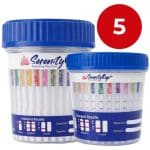
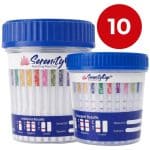
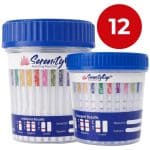
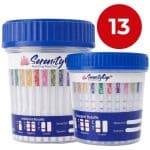
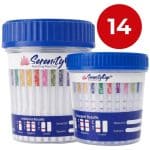
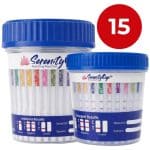
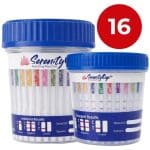
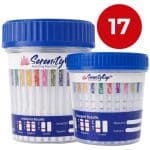
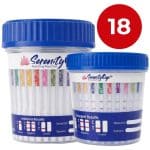
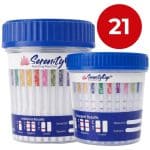
Concerned About Novel Substance Detection? Uncover All Threats with a 21-Panel Comprehensive Test


Why Novel Substance Detection Matters More Than Ever
Standard drug screens were built to detect common substances, but drug use patterns have changed. Many organizations now face risks from substances that do not appear on traditional panels. Synthetic cannabinoids, designer drugs, dissociatives, expanded opioid threats, and specimen tampering are all part of the current landscape.
That creates a real problem. If a testing program only screens for a narrow list of drugs, it may miss substances that affect safety, performance, judgment, and compliance. In high-stakes settings, that can influence accident prevention, treatment monitoring, policy enforcement, and overall risk management.
Broad-spectrum testing helps close those blind spots. A 21-panel cup gives decision-makers wider visibility by screening for more substances in one convenient format.
The Growing Risks Behind Emerging and Specialized Drugs
Novel substance detection is not about chasing headlines. It is about responding to actual patterns of use.
Psilocybin
Psilocybin has become more visible in public conversation, but that visibility also raises concerns for organizations that require active substance monitoring. Laws and policies vary, yet some programs still need to identify psilocybin exposure under their internal testing standards.
Kratom
Kratom is often framed as an alternative substance, but it can still be a concern where impairment, misuse, or policy violations matter. Many basic panels do not include it, which creates a clear testing gap.
Xylazine
Xylazine has become a major concern because of its presence in the illicit drug supply. It may appear alongside other substances, adding complexity to overdose and safety risks. Including xylazine on a panel is a meaningful step for organizations that want stronger detection.
K2 and Synthetic Cannabinoids
Synthetic cannabinoids such as K2 are known for being unpredictable. Their effects can vary widely, and they are often used by people trying to avoid detection on standard marijuana screens. Adding K2 helps address a common workaround.
Tramadol and Ketamine
Tramadol and ketamine both call for more specialized detection. Whether the issue is misuse, diversion, policy compliance, or treatment accountability, these drugs often require testing beyond a basic panel.
Fentanyl
Fentanyl remains one of the most urgent priorities in drug detection. Even trace exposure can have severe consequences, and its role in overdose risk makes it essential in many screening programs.
ETG and Alcohol Monitoring
ETG testing adds another useful layer by helping identify recent alcohol use. For treatment programs, monitoring settings, and certain workplace policies, ETG can be a valuable part of a broader screening approach.
Adulteration Testing
A result is only as reliable as the specimen behind it. Adulteration checks help identify tampering, dilution, and other specimen validity concerns. That matters even more in programs where participants may try to manipulate results.
What Makes a 21-Panel Cup a Smarter Choice?
A comprehensive cup is not just about adding more analytes. It also improves efficiency, consistency, and ease of use.
1. Wider Detection Coverage in One Device
Instead of combining multiple test types, a 21-panel cup brings broad screening into a single collection process. That means fewer steps, less handling, and a simpler workflow.
2. Fast, Convenient Screening
Cup-based testing remains popular because it allows straightforward sample collection and quick result interpretation. In busy environments, staff need tools that are practical and easy to administer.
3. Better Alignment with Current Drug Trends
As drug use changes, testing programs need to keep pace. A more complete panel is a proactive way to address emerging threats instead of waiting until a problem has already surfaced.
4. Added Confidence Through Specimen Validity Checks
When adulteration testing is included, organizations can make decisions with greater confidence. It helps protect the integrity of the testing process and discourages tampering.
5. Cost-Effective Coverage
Expanded testing does not have to mean excessive cost. With the right supplier, organizations can get broad coverage at a price that supports routine use and bulk purchasing.
Who Benefits from a Comprehensive 21-Panel Drug Test?
Expanded screening can benefit many types of programs.
Employers and Workplace Programs
Workplace safety depends on clear policies backed by practical tools. For employers in transportation, manufacturing, construction, logistics, healthcare, warehousing, and other safety-sensitive industries, broader detection supports stronger risk management.
Rehabilitation and Treatment Centers
Treatment settings often need to monitor a wider range of substances than a standard employment panel covers. A 21-panel cup can help track compliance, identify relapse concerns, and detect substances that are often left off basic tests.
Clinics and Behavioral Health Providers
Clinical and behavioral health teams may need a fuller view of substance use. Expanded panels can support intake, ongoing monitoring, and therapeutic accountability.
Probation, Corrections, and Monitoring Programs
Supervision programs need dependable testing tools that account for both traditional drugs and newer substances used to avoid detection. A broader panel improves visibility where compliance matters most.
Schools, Recovery Housing, and Community Programs
Programs responsible for maintaining safe, drug-free environments need testing options that reflect current substance use patterns. Comprehensive screening helps these organizations stay ahead of emerging risks.
The Hidden Cost of Limited Panels
A narrower panel may seem more affordable at first, but the real cost often shows up later. Missed detections can lead to repeated incidents, failed interventions, policy gaps, safety events, and more administrative strain.
If there is reason to believe novel or specialized substances may be involved, a limited panel can quickly become a liability. The better question is not whether broader screening costs more up front. It is whether incomplete screening costs more over time.
With affordable comprehensive testing now available, many organizations no longer have to choose between cost and coverage.
Key Features to Look for in a Modern Drug Test Cup
When evaluating a 21-panel test, focus on features that improve both performance and day-to-day usability.
- Broad substance coverage that includes traditional and emerging drugs
- ETG alcohol screening for expanded monitoring
- Adulteration checks to support specimen integrity
- Easy-to-read results
- Minimal training required for administration
- Reliable supply and consistent product quality
- Competitive pricing for routine or bulk use
These features matter most when testing is frequent, involves multiple participants, or must be handled in time-sensitive settings.
Why 12 Panel Now Focuses on Practical, Expanded Screening
At 12 Panel Now, buyers are looking for more than a long list of analytes. They want confidence. They need a product that addresses current risks without creating a complicated purchasing process or stretching the budget.
That is why comprehensive test cups are such a strong fit for modern screening programs. They offer meaningful breadth, straightforward administration, and solid value in one solution. When your environment demands more than the basics, a broader panel helps you respond accordingly.
Affordability matters too. Testing programs need dependable products at scalable pricing, whether they are buying for a small facility or a larger operation. Expanded screening should be practical and accessible.
Stay Ahead of Substance Trends with Broader Detection
The drug landscape will keep changing. New compounds, shifting patterns of use, and ongoing attempts to beat standard testing all put pressure on organizations to update their approach. A comprehensive 21-panel cup helps meet that challenge by expanding visibility where it matters most.
If your program needs to screen for psilocybin, kratom, xylazine, K2, tramadol, ketamine, fentanyl, ETG, and adulteration indicators alongside a broader list of substances, it makes sense to choose a solution built for current realities rather than outdated assumptions.
The right test can help close dangerous gaps, strengthen policy enforcement, and improve confidence in every screening event. For organizations ready to upgrade detection without overpaying, 21 Panel Drug Test Cup, Psilocybin, KRA, Xylazine, K2, TRA, KET, FEN, ETG & ADLTX, Low price $2.89 is a smart, cost-effective option from 12 Panel Now.