7 Steps to a Complete Drug Testing Compliance Checklist


Federal workplace drug testing affects over 56 million american employees each year. Balancing strict legal requirements with fair treatment can feel daunting for many organizations. With constantly shifting federal and state laws, understanding compliance is the difference between a safe work environment and costly legal trouble. This guide breaks down each step to help american employers create a program that is accurate and respectful while protecting both their business and their people.
Table of Contents
- Understand Federal And State Drug Testing Laws
- Develop A Clear Written Drug Testing Policy
- Select Reliable Drug Testing Supplies
- Train Staff On Proper Sample Collection
- Ensure Accurate Documentation And Recordkeeping
- Protect Employee Privacy And Confidentiality
- Regularly Review And Update Compliance Practices
Quick Summary
| Takeaway | Explanation |
|---|---|
| 1. Understand drug testing laws | Familiarize yourself with federal and state drug testing regulations to ensure compliance and protect employee rights. |
| 2. Create a written policy | Develop a clear written drug testing policy outlining objectives, prohibited behaviors, and consequences to establish workplace standards. |
| 3. Choose quality testing supplies | Select reliable and certified drug testing supplies to ensure accurate results and compliance with federal guidelines. |
| 4. Train staff on collection methods | Provide comprehensive training for staff on proper sample collection to maintain integrity and fairness in testing processes. |
| 5. Regularly update policies | Evaluate and revise drug testing policies regularly to adapt to legal changes and maintain effective compliance practices. |
1. Understand Federal and State Drug Testing Laws
Navigating drug testing compliance begins with a comprehensive understanding of the complex legal landscape governing workplace screening procedures. Federal and state regulations create a multi layered framework that employers must carefully follow to protect both organizational interests and employee rights.
At the federal level, several key laws shape drug testing protocols. The Drug Free Workplace Act mandates comprehensive policies for organizations receiving federal contracts or grants. This legislation requires employers to maintain a workplace environment free from substance abuse while establishing clear guidelines for testing and potential consequences.
Beyond federal regulations, state laws introduce significant variations in drug testing requirements. According to Substance Abuse and Mental Health Services Administration, each state maintains unique statutes that can dramatically impact how employers implement drug screening programs.
Key Considerations for Legal Compliance:
- Understand specific requirements for your state and industry
- Review federal guidelines from the Department of Labor
- Develop written policies that align with current legal standards
- Ensure consistent and non discriminatory testing procedures
Employers must recognize that legal compliance is not a one time task but an ongoing process. Regularly updating policies to reflect current federal and state regulations is critical. Consulting with legal professionals who specialize in employment law can provide targeted guidance specific to your organizational context.
2. Develop a Clear Written Drug Testing Policy
A comprehensive written drug testing policy serves as the foundation for maintaining a safe and productive workplace environment. This critical document not only establishes expectations but also provides clear guidelines for both employers and employees regarding substance use and screening procedures.
According to Substance Abuse and Mental Health Services Administration, developing an effective policy requires careful consideration of organizational goals and potential workplace risks. The policy should articulate precise expectations, define prohibited behaviors, and outline specific consequences for policy violations.
Essential Components of a Drug Testing Policy:
- Clear statement of organizational objectives
- Detailed definitions of prohibited substances
- Explanation of testing procedures and circumstances
- Consequences for policy violations
- Employee support and rehabilitation options
Successful policies go beyond mere prohibition. They create a supportive framework that balances organizational safety with employee privacy and dignity. By implementing a comprehensive workplace drug testing checklist, organizations can develop nuanced approaches that protect both individual and collective interests.
Remember that a robust policy is not static. Regular reviews and updates ensure the document remains current with legal requirements and organizational needs. Consulting with legal professionals and human resources experts can help create a policy that is both comprehensive and adaptable.
3. Select Reliable Drug Testing Supplies
Choosing high quality drug testing supplies is a critical step in maintaining an effective workplace screening program. The right testing tools not only ensure accuracy but also protect both organizational integrity and employee rights.
According to Substance Abuse and Mental Health Services Administration, selecting reliable testing supplies requires careful consideration of multiple factors. Federal guidelines emphasize the importance of using certified testing methods that meet stringent accuracy and reliability standards.
Key Considerations for Drug Testing Supplies:
- Compliance with federal testing guidelines
- Proven accuracy and sensitivity
- Clear and consistent result reporting
- Appropriate panel configuration for your needs
- Cost effectiveness and reliability
Professional organizations often recommend comprehensive bulk drug test purchasing strategies to streamline procurement processes. When selecting testing supplies, focus on vendors who provide documentation of their testing methodologies and maintain certifications from recognized regulatory bodies.
Remember that drug testing is not just about the equipment but about creating a systematic approach to workplace safety. Regularly review and update your testing supplies to ensure they meet current technological and regulatory standards.
4. Train Staff on Proper Sample Collection
Training staff on proper sample collection is a crucial component of maintaining an effective and legally compliant drug testing program. Consistent and standardized collection procedures protect the integrity of testing results and ensure fair treatment for all employees.
According to Substance Abuse and Mental Health Services Administration, comprehensive staff training goes beyond simple instruction. It involves creating a systematic approach that emphasizes precision, confidentiality, and respect for individual privacy.
Essential Training Components for Sample Collection:
- Understanding chain of custody protocols
- Proper handling and documentation techniques
- Maintaining employee privacy and dignity
- Recognizing potential sample tampering indicators
- Following strict procedural guidelines
Organizations can enhance their training effectiveness by implementing a detailed chain of custody checklist that outlines each step of the collection process. This approach ensures that staff members understand not just the how but also the why behind each procedural requirement.
Remember that effective training is an ongoing process. Regular refresher courses and updated guidance help maintain high standards of professionalism and accuracy in sample collection procedures.
5. Ensure Accurate Documentation and Recordkeeping
Accurate documentation serves as the backbone of a legally compliant and defensible drug testing program. Meticulous recordkeeping protects both the organization and its employees by creating a transparent and verifiable process for drug screening activities.
According to Substance Abuse and Mental Health Services Administration, proper documentation is critical for demonstrating adherence to federal and state regulations. Each record must be complete, confidential, and maintained with the highest level of professional integrity.
Key Documentation Requirements:
- Detailed collection logs
- Secure storage of test results
- Confidential employee health records
- Consistent reporting formats
- Systematic record retention protocols
Organizations can enhance their documentation processes by implementing best practices for drug testing across all organizational levels. This approach ensures a standardized method for tracking and managing sensitive testing information.
Remember that documentation is more than just paperwork. It represents a commitment to workplace safety, legal compliance, and respect for employee privacy. Regularly audit your documentation processes to maintain the highest standards of accuracy and confidentiality.
6. Protect Employee Privacy and Confidentiality
Protecting employee privacy during drug testing is not just a legal requirement but a fundamental aspect of maintaining workplace trust and respect. The most effective drug testing programs balance organizational safety with individual dignity and confidentiality.
According to Substance Abuse and Mental Health Services Administration, federal regulations mandate strict protocols for safeguarding employee health information and testing results. This approach ensures that sensitive personal data remains protected throughout the testing process.
Critical Privacy Protection Strategies:
- Limit access to test results
- Use secure storage systems
- Implement strict confidentiality agreements
- Create clear communication protocols
- Train staff on privacy regulations
Organizations can enhance their privacy protections by reviewing best practices for drug testing across different workplace environments. The goal is to create a transparent process that respects individual rights while maintaining workplace safety standards.
Remember that privacy protection is an ongoing commitment. Regularly review and update your confidentiality procedures to ensure they meet current legal standards and protect your employees comprehensive personal information.
7. Regularly Review and Update Compliance Practices
Compliance is not a static destination but a continuous journey of adaptation and improvement. Drug testing regulations and workplace safety standards evolve rapidly, demanding proactive and systematic approaches to policy management.
According to Substance Abuse and Mental Health Services Administration, organizations must commit to ongoing evaluation of their drug testing practices. This dynamic approach ensures that policies remain current with legal requirements and emerging workplace safety standards.
Key Areas for Regular Review:
- Federal and state regulatory changes
- Technological advancements in testing
- Emerging workplace safety research
- Internal organizational shifts
- Employee feedback and workplace dynamics
To stay ahead of compliance challenges, organizations can explore custom drug panel configurations that adapt to changing workplace needs. This strategy allows for more flexible and responsive drug testing protocols.
Remember that effective compliance is about anticipation rather than reaction. Establish a regular schedule for comprehensive policy reviews, ensuring your drug testing program remains robust, fair, and legally sound.
Below is a comprehensive table summarizing the main points and essential steps discussed in the article regarding workplace drug testing compliance and policy development.
| Topic | Description | Key Considerations |
|---|---|---|
| Federal and State Laws | Understand federal laws like the Drug Free Workplace Act and state variations in regulations. | Maintain ongoing compliance and consult with legal professionals. |
| Written Drug Testing Policy | Develop policies with clear expectations, prohibited substances, and consequences. | Align policies with legal standards and update regularly. |
| Reliable Testing Supplies | Choose high-quality, certified testing supplies for accuracy and compliance. | Ensure supplies meet federal guidelines and consider cost-effectiveness. |
| Staff Training | Train staff on proper sample collection and chain of custody. | Emphasize privacy, accuracy, and regular refresher courses. |
| Documentation and Recordkeeping | Maintain meticulous records to ensure compliance and defensibility. | Implement consistent formats and secure storage of sensitive information. |
| Privacy and Confidentiality | Protect employee privacy with strong confidentiality protocols. | Limit data access and train staff on privacy regulations. |
| Ongoing Compliance Review | Regularly update policies in response to legal and technological changes. | Schedule periodic reviews and adapt to feedback and workplace dynamics. |
Strengthen Your Workplace Drug Testing Compliance with Trusted Solutions
Implementing the 7 essential steps for drug testing compliance can feel overwhelming. From navigating complex federal and state laws to ensuring accurate documentation and protecting employee privacy, every detail matters for a smooth, legally sound program. Your goal is to build trust while maintaining safety, but the challenge lies in sourcing reliable tools and staying updated with best practices.
12 Panel Now specializes in providing high-quality drug testing supplies designed to support organizations like yours in meeting these exact requirements. With carefully selected products that align with federal guidelines and proven accuracy, we help simplify your compliance journey. Enhance your program by exploring our Complete Drug Test Knowledge Base – 12 Panel Now and find answers to your toughest questions in our Drug Testing FAQs: Unravel the Mysteries about Drug Testing.
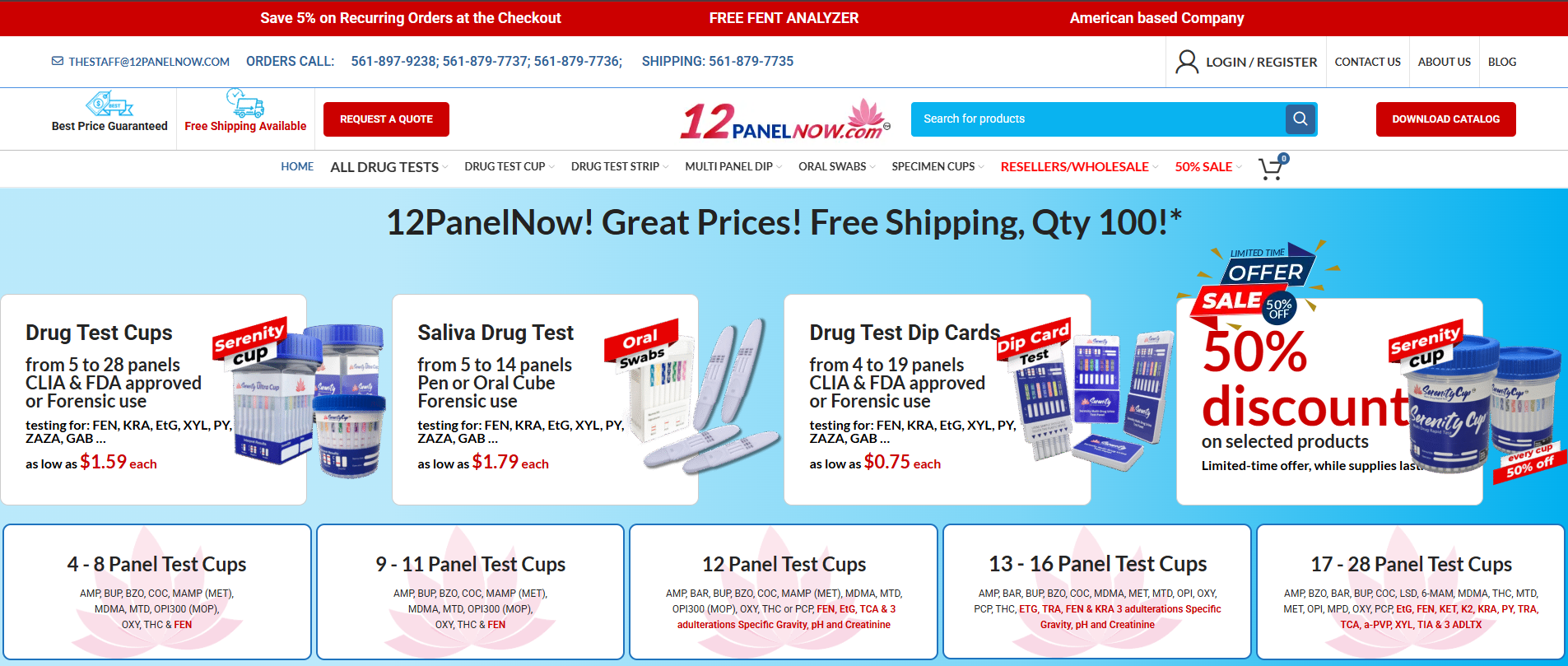
Take control of your drug testing program now by choosing trusted supplies from 12 Panel Now. Act today to ensure your workplace safety measures are reliable, compliant, and respectful of employee rights.
Frequently Asked Questions
What are the essential steps in a complete drug testing compliance checklist?
A complete drug testing compliance checklist includes understanding federal and state laws, developing a clear written policy, selecting reliable testing supplies, training staff on proper sample collection, ensuring accurate documentation, protecting employee privacy, and regularly reviewing compliance practices. Start by drafting a checklist that outlines each of these steps for your organization.
How can I ensure my drug testing policy complies with current laws?
To ensure compliance, regularly review and update your drug testing policy to align with the latest federal and state regulations. Schedule audits at least annually to check that your policy reflects any legal changes.
What should I include in the employee training for drug testing procedures?
Employee training for drug testing procedures should cover the chain of custody, collection techniques, privacy concerns, and how to identify potential sample tampering. Conduct training sessions at least once every year to maintain high standards and reinforce compliance.
How can I protect employee privacy during drug testing?
Protect employee privacy by limiting access to test results, using secure storage systems, and implementing strict confidentiality agreements. Conduct regular reviews of your privacy practices to ensure they meet current standards and reinforce employee trust.
What are the key components of accurate documentation in drug testing?
Accurate documentation should include detailed collection logs, secure storage of test results, and consistent reporting formats. Establish a record retention protocol to review documentation every six months to ensure completeness and compliance.
How often should I review and update my drug testing compliance practices?
You should review and update your drug testing compliance practices regularly, ideally every six to twelve months, to stay aligned with evolving regulations and workplace needs. Create a schedule for these reviews to ensure that policies remain up-to-date and effective.
Recommended
- 7-Step Employee Drug Testing Checklist for Workplaces – 12PanelNow | 12 Panel Drug Test | Free Shipping
- 7 Best Practices for Drug Testing Every Organization Should Know – 12PanelNow | 12 Panel Drug Test | Free Shipping
- Workplace Drug Testing Checklist: 8 Essential Steps – 12PanelNow | 12 Panel Drug Test | Free Shipping
- Ultimate Guide to Custom Drug Panels – 12PanelNow | 12 Panel Drug Test | Free Shipping