Structure of a Drug Test Kit: Complete Guide


Almost every american workplace or healthcare facility depends on drug test kits that can deliver results in minutes, not days. With over 50% of employment-related drug screenings conducted on-site every year, the reliability and accuracy of these kits matter more than ever. Understanding how these kits work, their key components, and the most common mistakes helps ensure trustworthy results in environments where every decision counts.
Table of Contents
- Defining The Core Structure Of Drug Test Kits
- Types Of Drug Test Kits And Key Differences
- Components And How Drug Test Kits Work
- Proper Use And Interpretation Of Test Results
- Common Mistakes And Compliance Guidelines
Key Takeaways
| Point | Details |
|---|---|
| Core Structure of Drug Test Kits | Drug test kits typically include immunoassay test strips, chemical reagents, and sterile collection containers for efficient screening of substances. |
| Types and Detection Methods | Various drug test kits target different substances through methods such as urine, saliva, hair, and blood samples, with sensitivity and detection windows varying across types. |
| Proper Use and Interpretation | Precise adherence to manufacturer instructions is crucial for accurate result interpretation, as initial test results are presumptive and require confirmatory testing. |
| Common Mistakes in Testing | Avoid reliance on preliminary results without laboratory confirmation and ensure strict compliance with testing protocols to maintain reliability and legal standards. |
Defining the Core Structure of Drug Test Kits
Drug test kits are sophisticated diagnostic tools designed for rapid substance screening across various professional environments. According to the United Nations Office on Drugs and Crime (UNODC), these kits are portable, shock-proof, and engineered to provide quick preliminary identification of substances through color-based testing methods.
The fundamental structure of a drug test kit typically encompasses several critical components that enable efficient and accurate screening. Key elements include immunoassay panels, specialized test strips, and precise chemical reagents. As outlined by EBSCO Research, these panels utilize specific antibody-antigen reactions to detect multiple substances like marijuana, cocaine, amphetamines, opiates, and methamphetamines in biological samples.
Core structural components of drug test kits generally include:
- Sterile collection containers
- Immunoassay test strips
- Chemical reagents for color-based detection
- Instruction manual
- Personal protective equipment
- Control and calibration materials
Professional drug testing facilities and healthcare providers rely on these meticulously designed kits to perform rapid, accurate screenings. The standardized structure ensures consistency, reliability, and ease of use across different testing scenarios, from workplace screenings to medical diagnostics.
Types of Drug Test Kits and Key Differences
Drug test kits represent a complex spectrum of diagnostic tools designed to detect various substances across multiple testing scenarios. According to the United Nations Office on Drugs and Crime (UNODC), these kits can target an extensive range of substances including amphetamines, methamphetamines, ecstasy, barbiturates, cannabis, cocaine, heroin, and opium.
Primary types of drug test kits encompass different sample collection methods and detection technologies. Urine-based test kits remain the most common, allowing quick and non-invasive screening. EBSCO Research highlights that these immunoassay panels provide preliminary results and are widely used in workplace, educational, and medical settings.
Key differences among drug test kits include:
- Sample collection method (urine, saliva, hair, blood)
- Number of drug panels tested
- Detection sensitivity
- Window of substance detection
- Confirmation testing requirements
Most drug test kits are categorized based on their panel configuration, ranging from single-substance screens to comprehensive multi-panel tests capable of detecting numerous substances simultaneously.
Healthcare providers and testing facilities carefully select kits based on specific screening requirements, ensuring accurate and reliable substance detection across various professional contexts.
Components and How Drug Test Kits Work
Drug test kits are intricate diagnostic systems designed to detect and identify substance presence through sophisticated chemical interactions. According to the United Nations Office on Drugs and Crime (UNODC), these kits include specialized reagents, precise tools, and detailed instructions that enable rapid on-site substance identification within seconds.
EBSCO Research explains the core mechanism of drug test kits, which typically involves immersing test strips into biological samples like urine. These strips contain specific antibodies that trigger color-changing reactions when they encounter target substances such as marijuana, cocaine, amphetamines, and opiates.
Critical components of drug test kits include:
- Immunoassay test strips
- Chemical reagents
- Sterile collection containers
- Color-change indicators
- Detailed instruction manual
- Personal protective equipment
The testing process follows a standardized sequence: sample collection, strip immersion, chemical reaction analysis, and result interpretation.
Professional testing facilities carefully calibrate these kits to ensure high accuracy, with positive preliminary results typically requiring confirmation through more advanced laboratory techniques like gas chromatography or mass spectrometry.
Proper Use and Interpretation of Test Results
Accurate drug test result interpretation requires meticulous attention to detail and strict adherence to standardized protocols. According to the United Nations Office on Drugs and Crime (UNODC), preliminary test results are presumptive and should never be considered conclusive without subsequent confirmatory laboratory testing.
EBSCO Research emphasizes the critical importance of following manufacturer instructions precisely, including ensuring that test strips and biological samples reach room temperature before analysis. Proper interpretation involves understanding several key factors:
Critical steps for accurate test result interpretation:
- Maintain consistent testing temperature
- Follow manufacturer’s instructions exactly
- Check test strip for proper color development
- Compare results against standardized color charts
- Document findings meticulously
- Verify positive results through advanced laboratory confirmation
Professional testing facilities recognize that drug test kits provide initial screening insights, not definitive legal evidence. Trained personnel must exercise professional judgment, understanding that these tests serve as preliminary indicators requiring subsequent comprehensive scientific verification to ensure accuracy and reliability.
Common Mistakes and Compliance Guidelines
Drug test kit usage requires rigorous attention to technical and procedural details to maintain testing integrity. According to the United Nations Office on Drugs and Crime (UNODC), one of the most critical compliance mistakes is relying exclusively on preliminary test results without subsequent laboratory confirmation, which can compromise legal and professional standards.
EBSCO Research highlights several key technical errors that can significantly impact test accuracy, including improper sample temperature management and incorrect immersion techniques. These seemingly minor procedural deviations can lead to substantial misinterpretation of test outcomes.
Common mistakes in drug test kit usage include:
- Failing to verify positive preliminary results
- Incorrect sample temperature management
- Improper test strip handling
- Overlooking manufacturer-specific instructions
- Inadequate documentation of testing procedures
- Neglecting quality control protocols
Professional testing facilities must implement comprehensive quality assurance frameworks that address potential sources of error. This involves continuous staff training, strict adherence to standardized protocols, and maintaining meticulous documentation to ensure the reliability and legal defensibility of drug screening processes.
Enhance Your Drug Testing Accuracy with Trusted Supplies
Understanding the detailed structure of drug test kits is vital for anyone responsible for reliable substance screening. This guide highlights critical components like immunoassay test strips and chemical reagents and the importance of proper use and interpretation to avoid costly errors and ensure compliance. If you are challenged by the complexities of selecting or managing drug test kits, maintaining quality control, or want to improve your testing outcomes, 12 Panel Now has the dependable solutions you need.
Explore our Complete Drug Test Knowledge Base – 12 Panel Now to deepen your understanding of different drug tests and how they work.
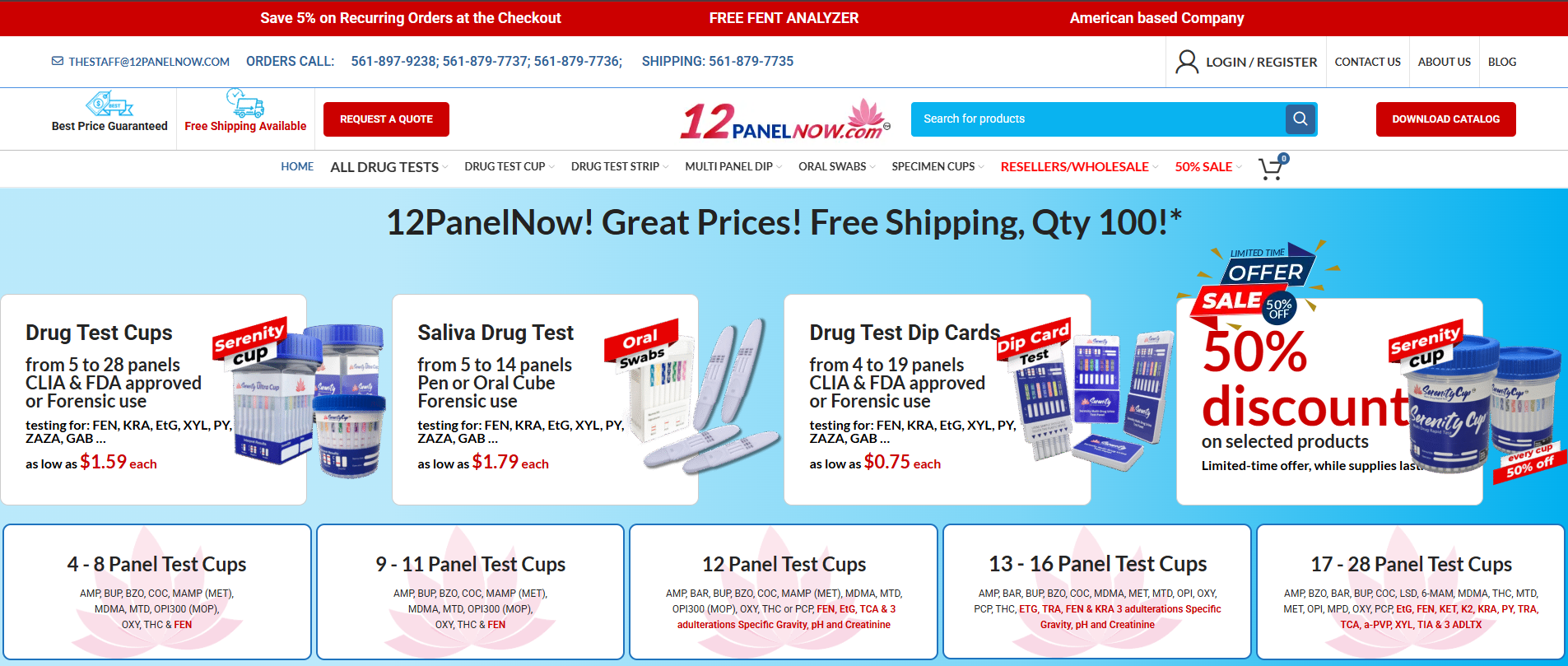
Get the superior drug testing supplies trusted by healthcare providers, workplaces, and law enforcement across the United States. Do not risk inaccurate results or procedural mistakes; choose from a wide selection of high-quality kits and accessories at 12 Panel Now. Need answers before you buy Check out our Drug Testing FAQs: Unravel the Mysteries about Drug Testing to make an informed decision today.
Frequently Asked Questions
What are the main components of a drug test kit?
The main components of a drug test kit typically include sterile collection containers, immunoassay test strips, chemical reagents for color-based detection, an instruction manual, personal protective equipment, and control materials for calibration.
How do drug test kits work?
Drug test kits work by immersing test strips into biological samples, such as urine, which contain specific antibodies that trigger color changes in the presence of target substances like marijuana, cocaine, and opiates, allowing for rapid preliminary identification.
What are the different types of drug test kits available?
Different types of drug test kits are categorized based on sample collection methods (such as urine, saliva, hair, or blood), the number of drug panels tested, the sensitivity of detection, the window of substance detection, and whether confirmation testing is required.
How should one interpret the results of a drug test kit?
Results from drug test kits should be interpreted carefully by following the manufacturer’s instructions, ensuring that test strips and samples are at room temperature, observing color changes, and comparing results against standardized color charts. Positive results should be confirmed through advanced laboratory testing for legal and professional accuracy.
Recommended
- Complete Drug Test Knowledge Base – 12 Panel Now
- How to Choose Multi-Panel Drug Tests: Complete Guide – 12PanelNow | 12 Panel Drug Test | Free Shipping
- 7-Step Employee Drug Testing Checklist for Workplaces – 12PanelNow | 12 Panel Drug Test | Free Shipping
- 7 Steps to a Complete Drug Testing Compliance Checklist