Building a Modern Harm Reduction Strategy: A 2026 Guide to Harm Reduction Supplies

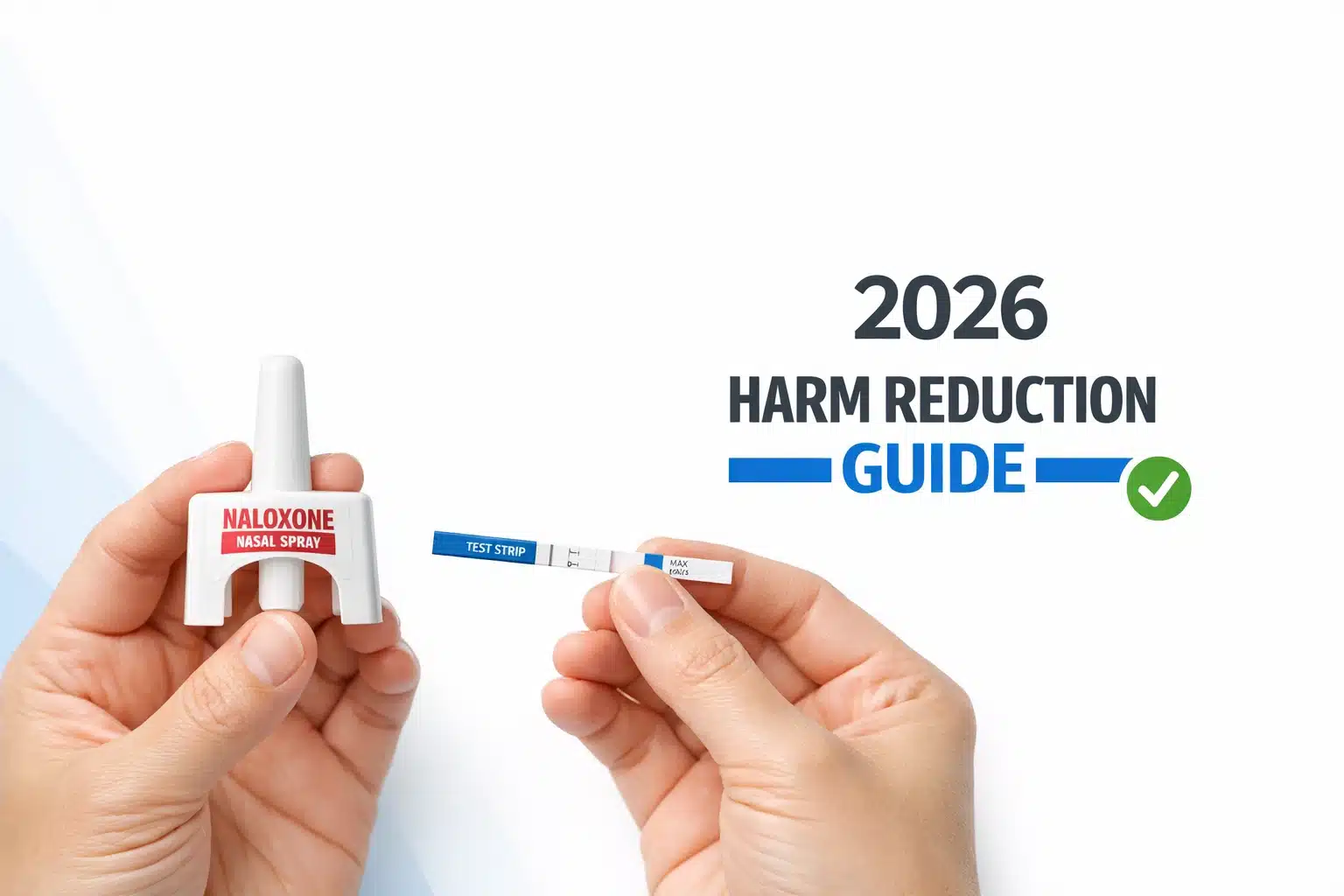
Legalizing fentanyl test strips is associated with a 7% decrease in overdose mortality, a figure that jumps to 13.5% among Black individuals, according to a 2025 JAMA study. This single data point shows that harm reduction is no longer just a reactive measure. It’s a proactive strategy built on a foundation of accessible information, effective reversal agents, and reliable testing supplies.
For any organization navigating the complexities of overdose prevention, success depends on moving beyond outdated assumptions and creating a complete system of care. This means understanding the latest FDA guidelines for naloxone, choosing the right testing tools for emerging threats, and connecting every action back to a cycle of education and support. This guide provides a clear framework for building a harm reduction protocol that meets the challenges of 2026.
What Are Harm Reduction Supplies?
Harm reduction supplies are products designed to reduce the health risks associated with substance use while supporting education, overdose prevention, and access to care. These supplies do not encourage drug use. Instead, they help individuals make safer decisions, reduce preventable harm, and create opportunities for engagement with healthcare professionals and community support services.
Depending on the setting, harm reduction supplies may include naloxone nasal sprays, fentanyl test strips, xylazine test strips, drug testing kits, personal protective equipment, safer-use resources, and educational materials. Community organisations, healthcare providers, public health agencies, outreach teams, and first responders often rely on these tools as part of wider overdose prevention initiatives.
When combined with training and referral pathways, harm reduction supplies become part of a comprehensive public health strategy that helps reduce overdose deaths while improving access to long-term treatment and recovery services.
The readiness check: Is your naloxone supply out of date?
A surprising number of public health resources still reference naloxone shelf-life at 24 to 36 months. This information is now obsolete. In January 2024, the FDA officially extended the shelf-life of newly manufactured Narcan 4mg nasal spray to 48 months. Similarly, Kloxxado 8mg spray was extended to 36 months in August 2024.
This isn’t just a minor administrative update; it has significant implications for budgeting, distribution logistics, and the confidence of first responders. An overdose reversal agent is only effective if it’s available and viable when needed. Relying on outdated expiration windows means organizations may be discarding perfectly good supplies, wasting funds, and creating unnecessary gaps in community coverage.
A proper readiness audit begins with verifying your inventory against these new timelines.

A quick audit of naloxone readiness. Use the 2024 FDA updates to check what’s still within shelf-life and avoid outdated 2–3 year assumptions when planning kits and distribution.
Who Benefits From Harm Reduction Supplies?
Although harm reduction initiatives are often associated with healthcare providers, a wide range of organisations now incorporate harm reduction supplies into their public health programmes. Community outreach teams, homeless support services, universities, schools, treatment providers, pharmacies, public health departments, employers, libraries, and emergency response organisations all play important roles in improving access to overdose prevention resources.
Family members, caregivers, peer support workers, and individuals prescribed opioid medications may also benefit from carrying naloxone and understanding how to use drug checking supplies appropriately. Expanding access across different community settings increases opportunities to prevent overdose while reducing barriers to education and healthcare services.
Who should carry naloxone and which format is right?
The CDC’s 2024 guidelines outline clear indications for co-prescribing take-home naloxone, particularly for patients receiving opioid dosages at or above certain thresholds. But the circle of people who can save a life is much wider, including family members, community outreach workers, and even chronic pain patients themselves.
One often-overlooked group is individuals managing Opioid-Induced Constipation (OIC). Searches for terms like “naloxone for bowels” reveal a user base that is trying to manage a side effect of prescribed medication, not necessarily thinking about overdose risk. This presents a crucial opportunity for education. Naloxone can help with OIC because it blocks opioid receptors in the gut without crossing the blood-brain barrier, offering relief without negating pain management. Explaining this can open a conversation about overall opioid safety and the value of having a rescue dose on hand.
The medication Pentazocine/Naloxone (Talwin NX) offers a clinical model for this kind of “built-in” harm reduction. The naloxone is added specifically to prevent misuse; it remains inactive when taken orally for pain but would precipitate withdrawal if injected. This same principle can be applied to education: addressing a manageable side effect can become a gateway to life-saving prevention.
Once you’ve identified who needs naloxone, the next step is choosing the right delivery method.

Not all naloxone formats fit every setting. This matrix helps teams compare ease-of-use, training needs, and dose considerations so they can stock the option people will actually use.
The modern testing toolkit: Fentanyl vs. Xylazine
While naloxone is a critical tool for overdose reversal, drug testing supplies are the proactive element that can prevent an overdose from happening in the first place. The unregulated drug supply is increasingly contaminated with potent synthetics like fentanyl and the veterinary tranquilizer xylazine, making it impossible to know a substance’s true contents without testing.
Fentanyl test strips (FTS) and xylazine test strips (XTS) empower individuals to make more informed decisions. However, it’s vital to understand their capabilities and limitations.
- Fentanyl Test Strips (FTS): These are highly effective at detecting the presence of fentanyl and many of its analogs. They are a simple, low-cost tool that provides a yes/no result in minutes.
- Xylazine Test Strips (XTS): With the rise of xylazine as an adulterant, these strips have become essential. Xylazine does not respond to naloxone, so knowing if it’s present is critical for tailoring an emergency response, which may require rescue breathing and other supportive care.
It’s important to educate users that these strips have limitations. Certain substances, like diphenhydramine (Benadryl) or lidocaine, can sometimes cause false positives on FTS. More importantly, a negative result isn’t a green light for unsafe use. The strips can’t determine the quantity or potency of a substance, and a sample could still contain other dangerous compounds.

Testing is a decision tool, not a guarantee. Compare what each strip can and can’t tell you, then pair results with safer-use steps like smaller doses, not using alone, and carrying naloxone.
How to Build a Harm Reduction Kit
An effective harm reduction kit combines overdose response tools with practical resources that support safer decision-making. While the contents of each kit will vary depending on the organisation and intended setting, the goal is to ensure individuals have immediate access to supplies that may reduce harm during an emergency.
Many organisations include naloxone nasal spray alongside fentanyl and xylazine test strips so that individuals can both assess potential risks and respond quickly if an overdose occurs. Additional items such as disposable gloves, alcohol wipes, rescue breathing masks, disposal bags, educational leaflets, and emergency contact information may also improve preparedness.
Some community programmes also include information about local treatment providers, peer support organisations, crisis services, and public health resources. Providing this information alongside physical supplies helps create opportunities for individuals to access additional care whenever they are ready.
Regularly reviewing kit contents, replacing expired products, and adapting supplies to reflect emerging drug trends helps maintain the effectiveness of harm reduction programmes over time.
Choosing High-Quality Harm Reduction Supplies
The effectiveness of any harm reduction programme depends on the quality and reliability of the products being distributed. Selecting trusted harm reduction supplies helps organisations provide accurate information, improve user confidence, and support safer outcomes within the communities they serve.
When evaluating suppliers, organisations should consider product quality, regulatory compliance, manufacturer reputation, storage requirements, expiry dates, and ease of use. Products that meet recognised quality standards and are supplied with clear instructions are generally better suited to community distribution, outreach programmes, and healthcare settings.
Purchasing supplies from established providers also supports consistent stock availability, allowing organisations to maintain distribution programmes without unnecessary interruptions. Routine inventory management ensures products remain within their recommended shelf life and are available when communities need them most.
Understanding Legal Access and Community Distribution
Access to naloxone and harm reduction supplies continues to expand through state legislation, standing orders, and public health initiatives. However, distribution requirements and legal protections vary between jurisdictions, making it important for organisations to understand the regulations that apply within their area.
Many regions have introduced Good Samaritan Laws designed to encourage people to seek emergency medical assistance during an overdose by providing legal protections in specific circumstances. Community organisations should ensure volunteers, staff, and programme participants understand how these protections apply locally while continuing to emphasise that emergency services should always be contacted during a suspected overdose.
Organisations operating across multiple locations should periodically review relevant legislation to ensure distribution practices remain aligned with current public health guidance and local regulatory requirements.
From supplies to systems: Implementing a full harm reduction loop
Effective harm reduction is more than just handing out kits. It’s about building a sustainable system that connects supplies with education, action, and linkage to care. Successful programs, like Virginia’s “REVIVE!” training or Vancouver’s “Take Home Naloxone” initiative, demonstrate the power of a holistic approach.
These programs don’t just distribute supplies. They train community members, establish clear protocols for responding to an overdose, and create pathways for individuals to access treatment and support services when they are ready. The goal is to create a continuous loop where every interaction is an opportunity to reduce harm and offer help.
This loop starts with low-barrier access to testing supplies and naloxone, moves to education on safer use practices, and connects individuals with peer support, medical care, and other vital resources.

A complete harm-reduction loop connects supplies, information, and action. This roadmap shows how testing, safer-use steps, and naloxone readiness can flow into training, services, and follow-up care.
Building this system requires a reliable partner. The quality, affordability, and accessibility of your drug testing supplies form the foundation of your entire program. Ensuring your kits are accurate, easy to use, and compliant with health standards like being CLIA-waived and FDA-approved is non-negotiable.
To equip your team and community with the tools they need, explore our comprehensive range of drug testing supplies. From multi-panel cups to individual fentanyl and xylazine test strips, we provide affordable and dependable solutions to support every stage of your harm reduction strategy.
Common Misconceptions About Harm Reduction
Despite growing acceptance within public health, harm reduction is still widely misunderstood. Addressing these misconceptions helps organisations build trust within their communities while supporting informed decision-making.
One common misconception is that providing naloxone or drug checking supplies encourages drug use. Research consistently shows that harm reduction programmes are designed to reduce preventable injuries and overdose deaths while creating opportunities for individuals to access healthcare, treatment, and recovery services.
Another misconception is that fentanyl or xylazine test strips make substance use safe. Drug checking tools are intended to provide additional information about potential risks, but they cannot detect every substance, measure potency, or eliminate the possibility of overdose. They should always be used alongside other safer-use practices and access to naloxone.
Some people also believe naloxone alone is enough to manage every overdose. While naloxone effectively reverses opioid overdoses, it does not reverse the effects of non-opioid substances such as xylazine. Calling emergency services, providing rescue breathing where appropriate, and monitoring the individual remain essential components of an overdose response.