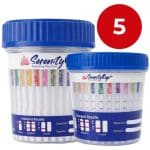
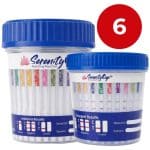
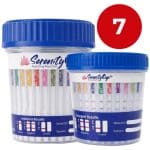
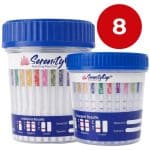
High-Panel Drug Test Checklist: 16 Key Substances You Should Catch


Buying a high-panel drug test sounds straightforward—until you realize “high-panel” can mean very different things depending on the brand. One test may cover the usual suspects but miss newer, higher-risk substances. Another might include alcohol markers or fentanyl, which completely changes what you’ll learn from a sample. Here’s what to look for so you can choose a 16-substance screen confidently and avoid the most common buying mistakes.
First, confirm what “high-panel” really means
“High-panel” is often just a marketing label. What you actually need is a number and a specific list. A legitimate high-panel test clearly states how many substances it screens and names each one—on the device, the packaging, or the package insert. If a listing relies on vague claims like “tests for everything,” consider that a warning sign.
Use this rule: you should know what the test checks before you collect a sample. If you need a particular substance—EtG for alcohol, kratom, fentanyl—make sure it appears on the panel list in plain language, not buried in a broad category.
Look for the right 16 substances for real-world risk
Most people buy a high-panel test for one of three reasons: workplace safety, treatment/sobriety monitoring, or family peace of mind. The challenge is that drug trends change fast, while many “standard” panels haven’t kept up. Your panel set should match what people actually use and encounter today.
A strong 16-panel screen usually includes a mix of:
- Common illicit drugs that still drive many positives
- Prescription misuse categories often tracked in monitoring programs
- High-risk or emerging substances that basic panels miss
Why fentanyl belongs on your shortlist
Fentanyl raises the stakes because of overdose risk and the potential for contamination. A common mistake is assuming an “opioid” or “opiate” panel automatically includes fentanyl. Many standard opiate screens are designed around morphine-like compounds and do not reliably cover fentanyl. If fentanyl matters in your setting, the test should list fentanyl as its own named panel.
When you’re comparing products, look for fentanyl as a named analyte on the device and in the instructions. If the listing only says “opioids,” don’t assume you’re covered.
Why EtG matters if alcohol use affects decisions
EtG (ethyl glucuronide) is widely used for alcohol monitoring in court-related situations, treatment plans, and personal sobriety agreements. Many multi-panel drug tests don’t include alcohol markers at all. If alcohol use is part of what you’re trying to assess, choose a test that specifically lists EtG.
Keep expectations grounded: rapid screens are great for quick guidance, but lab confirmation is what you’ll want when results affect legal matters, employment, or formal program decisions. The most reliable approach is rapid screening plus a clear plan for confirmation if needed.
Why kratom shows up in “what did I miss?” stories
Kratom is a frequent blind spot. Many workplace-style panels don’t test for it, even when a buyer assumes a “multi-panel” test will cover anything commonly used. That gap can cause problems if your goal is broad monitoring or if kratom violates program rules.
If kratom matters to you, don’t rely on the label “multi-panel.” Buy a test that explicitly names kratom on the panel list. That one detail prevents a lot of confusion later.
Choose a format that matches how you actually test
High-panel tests come in several formats. The best choice depends on who collects the specimen, how much privacy you need, and how formal your process is. Dip cards are popular because they’re simple, compact, and quick to use.
When a dip card makes sense
Dip cards are a good fit when you want fast screening and you already have a clean cup or container for urine collection. Many families prefer them because they’re easy to store and don’t feel as “clinical” as a full cup system. Clinics and small offices also like dip cards because training is simple and inventory stays manageable.
Before you buy, confirm the product includes clear instructions for:
- How to collect the sample properly
- How long to dip the card
- When to read the results
- How to interpret faint lines
When you should consider a cup instead
If you need built-in specimen validity checks—like temperature strips and adulteration indicators—a cup format may be the better choice. Those features can help flag diluted or tampered samples. If you’re working under a strict chain-of-custody process or formal documentation requirements, pick the format that fits that workflow.
For quick screening at home or in a small office, dip cards still make sense when collection conditions are controlled.
Pay attention to result timing and readability
Fast results are helpful, but readable results are essential. Confusion often comes down to faint lines—especially when someone assumes a faint line means “positive.”
Most rapid immunoassay tests work like this: a visible test line generally indicates a negative, even if it’s light. No test line typically indicates a presumptive positive. Always follow the instructions for the specific brand, since result windows and labels can vary. The best products include a simple diagram that shows exactly how to read the card.
How to handle faint lines without guessing
Make results easier to interpret with a consistent routine:
- Read the card under bright, neutral light.
- Use the stated read-time window—don’t read early or late.
- Take a photo at the correct read time if you need documentation.
- Confirm presumptive positives with a lab when the outcome affects a job, custody, probation, or treatment status.
Know what “accurate” means for rapid drug screens
Rapid tests are screening tools, not final verdicts. That doesn’t make them “less useful”—it defines how they should be used. A good screen helps you make quick decisions, reduces unnecessary lab confirmations for clear negatives, and flags results that deserve follow-up.
What you should expect from a quality rapid test:
- Consistent performance when you follow directions and store the tests correctly
- A clear next step for presumptive positives (typically lab confirmation)
What can cause false results
No screening test is perfect. These are common reasons results can be misleading:
- Dilution from drinking excessive fluids before testing
- Cross-reactivity with certain medications or supplements
- Expired or poorly stored tests
- Reading outside the time window
If a result doesn’t make sense, treat it as a reason to verify—not as proof of anything by itself.

Check the cutoffs and the intended use (home vs professional)
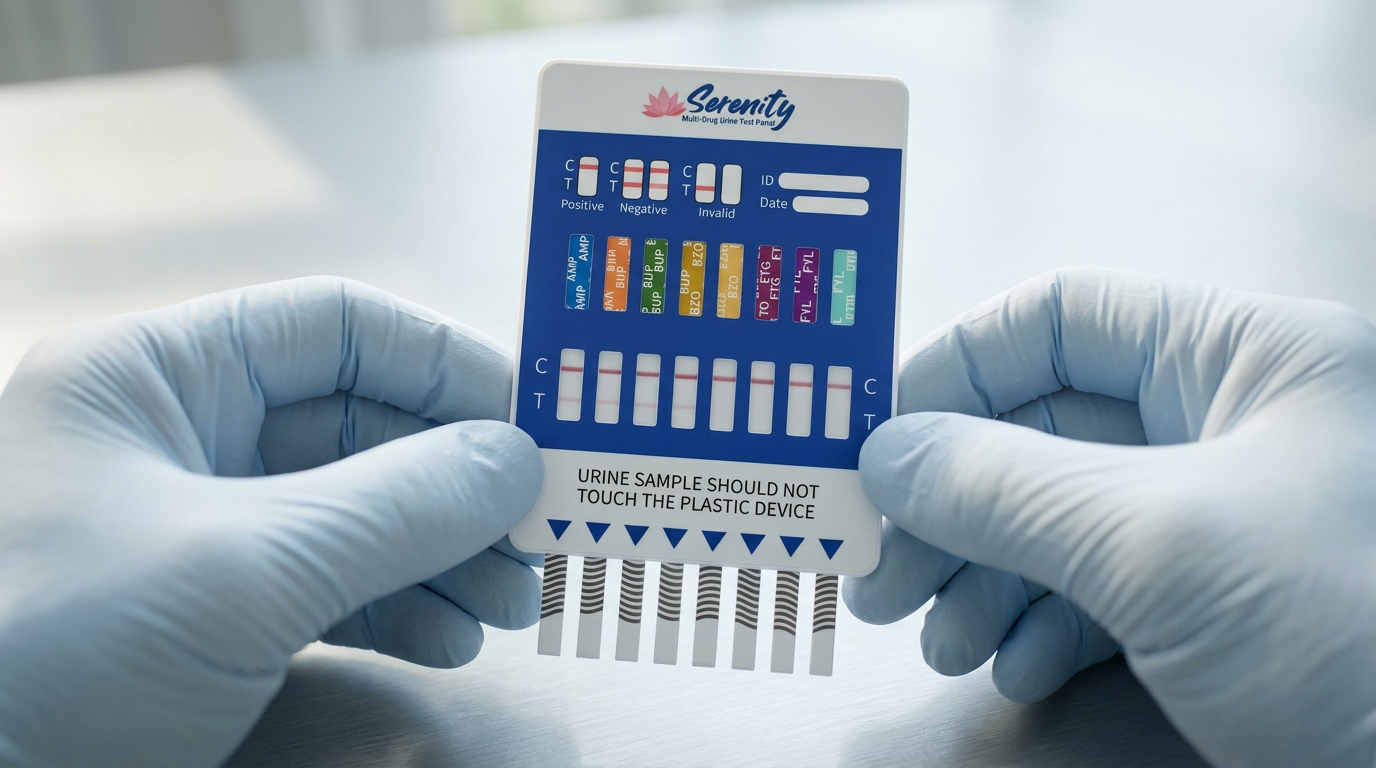
Two products can both claim “16-panel” and still behave differently because their cutoff levels differ. Cutoffs influence sensitivity and how results line up with workplace policies, court programs, or treatment rules. A serious listing will provide cutoff levels in documentation or make them available on request.
Also confirm intended use. Some tests are designed for home screening, while others are better suited for clinical or workplace workflows. Keep it simple: match the product to your setting and the consequences tied to the result.
Decide how you will respond to a positive before you test
This is where many people get caught off guard. A high-panel test can surface unexpected positives—especially when it includes fentanyl, EtG, or kratom. Decide ahead of time what you’ll do with that information so you’re not making high-stakes decisions in the moment.
Practical response plans that keep things fair and calm:
- For workplaces: follow your written policy, protect privacy, and use confirmation testing when required.
- For treatment monitoring: treat presumptive positives as clinical data and confirm when necessary.
- For families: focus on safety and support, not “gotcha” moments; confirm results before major consequences.
Spot the product listing signals that predict a better experience
You don’t need a lab background to shop smart. Look for a few signs that usually mean fewer surprises:
- A complete panel list that clearly names each substance
- Clear instructions with a results diagram
- A stated read time and straightforward handling steps
- A plain explanation that positives are presumptive
If a listing hides the panel list or glosses over interpretation, move on.
Optional FAQ
Does a 16-panel test automatically include fentanyl and EtG?
No. The panel count doesn’t guarantee what’s included. Confirm that the test names fentanyl and EtG on the panel list—don’t rely on broad labels like “opioids” or “alcohol.”
How fast should a high-panel dip card give results?
Many rapid dip cards produce results within minutes. Follow the manufacturer’s read-time window exactly, because reading too early or too late can lead to misinterpretation.
Should I trust an at-home positive result?
Treat it as presumptive. If the outcome affects employment, legal status, custody, probation, or treatment decisions, confirm through a certified lab method.
Conclusion
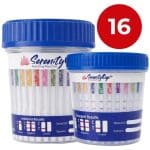
A good high-panel drug test does three things: it clearly names the substances, it’s easy to read within the proper time window, and it covers modern risks like fentanyl, EtG, and kratom when those matter to you. If you want a single dip card that checks those boxes, 16 Panel Drug Test with Kratom, ETG and Fentanyl from 12 Panel Now fits the job.