Home Drug Testing vs. Clinical Testing

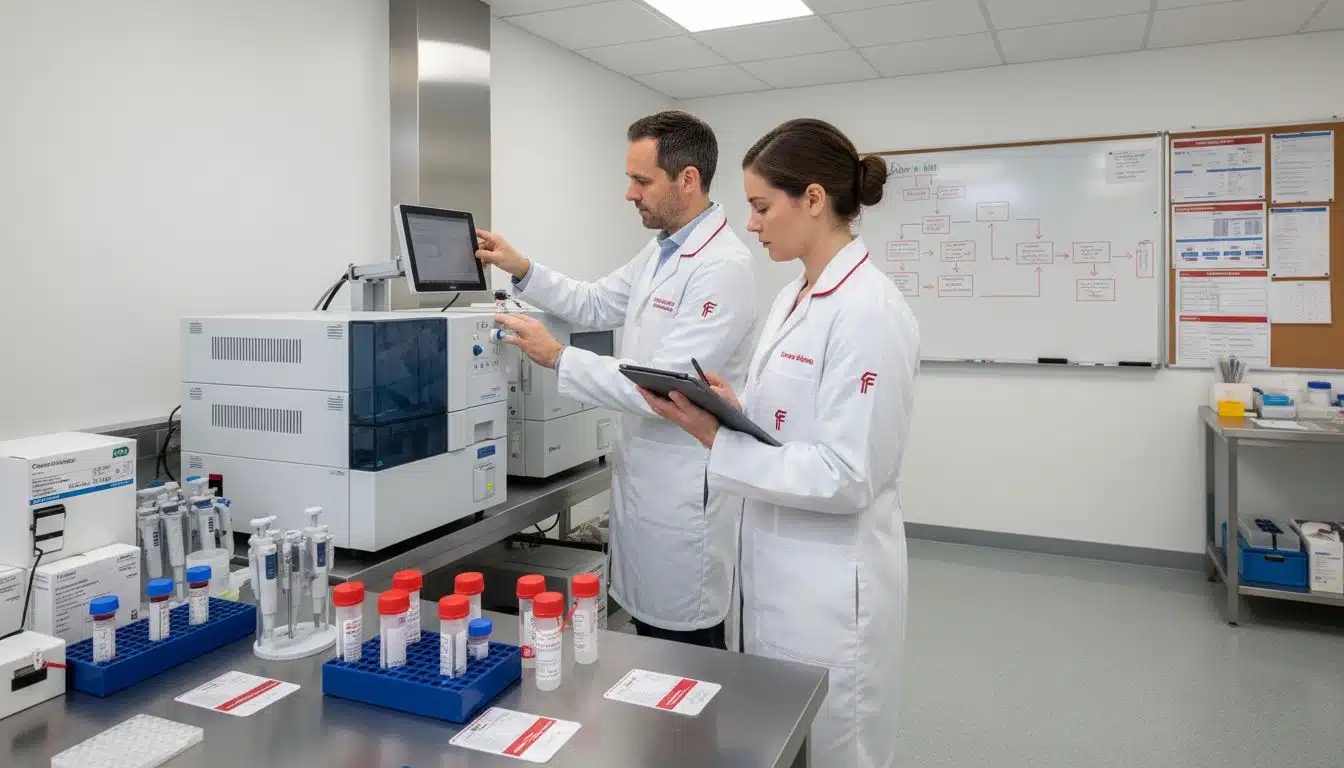
In today’s world, the need for drug testing spans various sectors, from workplaces to rehabilitation centers. While both home drug testing and clinical testing serve the essential purpose of identifying substance use, they differ significantly in terms of methods, accuracy, and usage. This guide explores these differences, helping you make an well-informed choice on which option best suits your needs while emphasizing the benefits of using reliable testing solutions from 12 Panel Now. Professional laboratories like Quest Diagnostics use advanced protocols and equipment, setting a higher standard for accuracy compared to home drug testing.
Understanding Home Drug Testing
Home drug testing is designed to provide quick and convenient preliminary screens for substance use within the comfort of your own home. These tests mainly detect drugs in urine or saliva through the use of immunoassay strips. They offer a practical solution for monitoring drug use, whether for personal reasons or workplace compliance. Home drug testing kits are ideal for personal use, allowing individuals to privately check for substances without medical supervision.
Types of Home Drug Tests
Home drug tests come in various forms, catering to different needs. Common types include:
-
- Urine Dipsticks: These are test strips designed to detect drugs in urine samples, providing a clear and easy-to-read result by showing lines on the strip.
- Saliva Swabs: A less invasive option, saliva tests can detect drugs within the mouth and give quick feedback.
- Multi-Panel Kits: These kits can test for multiple substances simultaneously, ranging from 5 to 12 different drugs in a single test.
Some home tests even offer the ability to send a sample to a lab for confirmation, adding another layer of validation.
How Home Drug Tests Work
Home drug tests are straightforward to use, making them accessible for everyone. Before starting, it’s important to prepare by carefully reading all instructions and avoiding any foods or substances that could interfere with the results.
Here’s a brief rundown of the typical process:
-
- Sample Collection: Users collect a sample of either urine or saliva, depending on the type of test.
- Application: The sample is applied to the test device according to the provided instructions.
- Reading Results: After a short waiting period, usually just a few minutes, results appear, indicated by lines or colors that determine whether the test is positive or negative for specific substances.
This ease of use is one of the key attractions of home drug testing.
Comparing Accuracy: Home Tests vs. Clinical Tests
When it comes to accuracy, one of the most significant drawbacks of home drug testing is its variable reliability. Home tests can yield false positives or negatives due to several factors:
-
- User Error: Misapplication or misunderstanding of the instructions can lead to inaccurate results.
- Sensitivity and Specificity: Home tests generally have lower sensitivity compared to clinical tests, meaning they may not detect all substances, especially at low levels. Their detection capabilities are limited, so home drug tests may not identify many drugs that clinical laboratory tests can detect.
- Reagent Limitations: Some tests may react to substances not intended to be measured, causing confusion. For example, consuming poppy seeds can sometimes cause a false positive result for opiates in home drug tests.
In contrast, clinical testing employs trained technicians and advanced equipment, utilizing methods like Gas Chromatography-Mass Spectrometry (GC-MS) for confirmatory testing. This results in superior precision and lower detection limits, making clinical tests a more reliable option for critical situations.
Lab Tests and Quality Control
Laboratory tests are the backbone of clinical drug testing, offering healthcare professionals the precision and reliability needed to make informed decisions about patient care. Unlike at home tests, laboratory tests are conducted in controlled environments using advanced laboratory equipment and strict protocols, ensuring that every urine sample is handled with the utmost care from collection to analysis.
Quality control is a fundamental aspect of laboratory testing. It encompasses every stage of the drug testing process—from sample collection to the interpretation of test results. Rigorous quality control measures are in place to verify the integrity of each urine drug test, minimize the risk of a false positive result, and guarantee the accurate detection of prescription drugs, illegal drugs, and other substances. This is especially important when monitoring patients on chronic opioid therapy, where the presence or absence of certain drugs can directly impact treatment decisions.
Proper sample collection is critical to achieving accurate results. Laboratories use specialized equipment and standardized procedures to ensure that each urine sample is collected, stored, and analyzed correctly. Test kits used in both clinical and at home drug tests must meet stringent quality standards, but laboratory-based tests benefit from additional layers of oversight and confirmatory testing. For example, if a urine drug test yields a positive test result for substances like marijuana or cocaine, a confirmatory test—often using advanced techniques such as mass spectrometry—is performed to rule out false positives and provide definitive answers.
The cost of laboratory tests can vary depending on the complexity of the test and the equipment required. While lab testing may be more expensive than at home tests, the investment is justified by the accuracy and reliability of the results. This is particularly important when detecting common drugs or monitoring for drug abuse, as accurate test results are essential for effective treatment and patient safety.
Laboratory tests are also subject to regulatory oversight, with guidelines set by organizations such as the FDA. Healthcare professionals must remain aware of these regulations and ensure that their drug screening practices are fully compliant. Adhering to these standards not only ensures accurate results but also protects patients and supports the overall goal of preventing drug abuse.
For instance, in the context of chronic therapy with controlled substances, regular urine drug tests are used to monitor adherence to prescription medicine and detect the presence of one or more drugs that may indicate abuse. By relying on laboratory tests and prioritizing quality control, clinicians can make well-informed decisions that enhance patient care and reduce the risk of substance use disorders.
To further minimize the risk of false positive results, it is essential to use high-quality test kits, maintain proper laboratory equipment, and follow strict protocols for sample collection and handling. These measures help ensure that laboratory tests consistently deliver accurate, reliable results—whether for detecting common drugs like amphetamines, tricyclic antidepressants, or monitoring for the misuse of prescription drugs.
In summary, lab tests and quality control are indispensable to clinical drug testing. By emphasizing accuracy, reliability, and regulatory compliance, laboratory tests provide the critical information needed to guide treatment, monitor patient care, and prevent drug abuse. Whether used to detect the presence of illegal drugs or to ensure the safe use of prescription medicines, laboratory testing remains a cornerstone of effective drug screening and patient safety.
When and Why to Choose Clinical Testing
Clinical drug testing is the preferred choice when the stakes are high, whether for employment screening, legal situations, or medical treatment plans. Clinical testing is also essential for accurate diagnosis in medical and legal cases, where confirmatory results are required.
Here are a few reasons to opt for clinical testing:
-
- Verified Results: Clinical tests follow strict protocols, ensuring that every sample is handled properly and securely.
- Chain of Custody: This process ensures that the sample is tracked from collection to analysis, which is crucial for legal defensibility.
- Expert Reviews: Many clinical tests involve Medical Review Officers (MROs) who evaluate the results, ensuring accuracy and providing professional interpretation, which can be critical in high-stakes scenarios.
Cost Considerations for Home vs. Clinical Testing
Cost is often a major factor when deciding between home and clinical drug testing:
-
- Home Drug Tests: These typically range from $15 to $35 per kit, making them an affordable option for routine checks. But, their potential to yield inaccurate results can lead to significant costs down the line if a false positive occurs, especially in job-related situations. Inaccurate results can affect employment opportunities, legal standing, or personal finances, as a false positive may result in lost job offers, legal issues, or unnecessary expenses to dispute the outcome.
- Clinical Testing: Lab tests can start at around $75 and up but are far more cost-effective in the long run due to their reliability. The investment in clinical testing can save money by preventing job loss or legal complications stemming from inaccurate results.
Privacy and Confidentiality in Drug Testing
Privacy is a key consideration in drug testing. Individuals may have concerns about privacy, confidentiality, and the potential implications of test results. Home drug tests provide complete discretion, allowing users to conduct tests without third-party involvement. This may be ideal for those who value their privacy or wish to maintain confidentiality in sensitive situations.
In contrast, clinical tests also maintain confidentiality, as they involve regulated labs with strict protocols to safeguard patient information. But, these tests require physical visits, which may involve sharing sensitive details with lab personnel.
Conclusion
Summarizing, both home drug testing and clinical testing offer unique advantages and disadvantages. Home tests provide convenience and privacy but may sacrifice accuracy. On the other hand, clinical tests are more reliable and ideal for situations where precision is critical, even if they require more time and potentially higher costs.
Eventually, the choice between these two testing methods should depend on your specific needs, the stakes involved, and your need for reliability. At 12 Panel Now, we pride ourselves on delivering high-quality testing solutions suited for every scenario.
Frequently Asked Questions
What is home drug testing, and how does it work?
Home drug testing provides convenient preliminary screenings for substance use; a home test is an over-the-counter kit that individuals can use themselves. Users collect samples of urine or saliva, apply them to a test device, and receive results within minutes, indicating the presence of specific drugs.
How accurate are home drug tests compared to clinical testing?
Home drug tests may lack reliability, leading to false positives or negatives. A positive result means that drugs or their metabolites are present in the sample, indicating recent use or exposure. Clinical testing, on the other hand, uses advanced methods like GC-MS, offering superior accuracy and reliability in critical situations.
When should I choose clinical testing over home drug testing?
Opt for clinical testing when results are critical for employment, legal reasons, or medical treatments. Clinical tests can accurately distinguish between illicit substances and prescription medications, which is crucial in these situations. Clinical tests ensure accurate, verified results through strict protocols and expert reviews.
What are the key differences between home drug testing and clinical testing?
Home drug tests offer convenience and privacy but may lack accuracy, while clinical testing provides reliable results through professional analysis, often at a higher cost and requiring in-person visits. Clinical tests can also detect drug use over a longer period—sometimes up to several days after consumption—depending on the substance and the testing method used.
Are home drug tests suitable for workplace compliance?
Home drug tests can be used for workplace compliance but should be followed up with clinical testing for critical decisions, as their accuracy may not always meet required standards. If an individual were to test positive on a home drug test, a confirmatory clinical test is recommended to ensure the result is accurate and legally defensible.
How do I ensure privacy when undergoing drug testing?
Home drug tests offer complete discretion, while clinical testing maintains confidentiality through regulated labs, although they require physical visits. Drug tests can detect substances in different parts of the body, such as urine, saliva, or blood, which may also affect privacy and the choice of testing method. Choose based on your privacy needs in sensitive situations.
In today’s world, the need for drug testing spans various sectors, from workplaces to rehabilitation centers. While both home drug testing and clinical testing serve the essential purpose of identifying substance use, they differ significantly in terms of methods, accuracy, and usage. This guide explores these differences, helping you make an well-informed choice on which option best suits your needs while emphasizing the benefits of using reliable testing solutions from 12 Panel Now. Professional laboratories like Quest Diagnostics use advanced protocols and equipment, setting a higher standard for accuracy compared to home drug testing.
Understanding Home Drug Testing
Home drug testing is designed to provide quick and convenient preliminary screens for substance use within the comfort of your own home. These tests mainly detect drugs in urine or saliva through the use of immunoassay strips. They offer a practical solution for monitoring drug use, whether for personal reasons or workplace compliance. Home drug testing kits are ideal for personal use, allowing individuals to privately check for substances without medical supervision.
Types of Home Drug Tests
Home drug tests come in various forms, catering to different needs. Common types include:
-
- Urine Dipsticks: These are test strips designed to detect drugs in urine samples, providing a clear and easy-to-read result by showing lines on the strip.
- Saliva Swabs: A less invasive option, saliva tests can detect drugs within the mouth and give quick feedback.
- Multi-Panel Kits: These kits can test for multiple substances simultaneously, ranging from 5 to 12 different drugs in a single test.
Some home tests even offer the ability to send a sample to a lab for confirmation, adding another layer of validation.
How Home Drug Tests Work
Home drug tests are straightforward to use, making them accessible for everyone. Before starting, it’s important to prepare by carefully reading all instructions and avoiding any foods or substances that could interfere with the results.
Here’s a brief rundown of the typical process:
-
- Sample Collection: Users collect a sample of either urine or saliva, depending on the type of test.
- Application: The sample is applied to the test device according to the provided instructions.
- Reading Results: After a short waiting period, usually just a few minutes, results appear, indicated by lines or colors that determine whether the test is positive or negative for specific substances.
This ease of use is one of the key attractions of home drug testing.
Comparing Accuracy: Home Tests vs. Clinical Tests
When it comes to accuracy, one of the most significant drawbacks of home drug testing is its variable reliability. Home tests can yield false positives or negatives due to several factors:
-
- User Error: Misapplication or misunderstanding of the instructions can lead to inaccurate results.
- Sensitivity and Specificity: Home tests generally have lower sensitivity compared to clinical tests, meaning they may not detect all substances, especially at low levels. Their detection capabilities are limited, so home drug tests may not identify many drugs that clinical laboratory tests can detect.
- Reagent Limitations: Some tests may react to substances not intended to be measured, causing confusion. For example, consuming poppy seeds can sometimes cause a false positive result for opiates in home drug tests.
In contrast, clinical testing employs trained technicians and advanced equipment, utilizing methods like Gas Chromatography-Mass Spectrometry (GC-MS) for confirmatory testing. This results in superior precision and lower detection limits, making clinical tests a more reliable option for critical situations.
Lab Tests and Quality Control
Laboratory tests are the backbone of clinical drug testing, offering healthcare professionals the precision and reliability needed to make informed decisions about patient care. Unlike at home tests, laboratory tests are conducted in controlled environments using advanced laboratory equipment and strict protocols, ensuring that every urine sample is handled with the utmost care from collection to analysis.
Quality control is a fundamental aspect of laboratory testing. It encompasses every stage of the drug testing process—from sample collection to the interpretation of test results. Rigorous quality control measures are in place to verify the integrity of each urine drug test, minimize the risk of a false positive result, and guarantee the accurate detection of prescription drugs, illegal drugs, and other substances. This is especially important when monitoring patients on chronic opioid therapy, where the presence or absence of certain drugs can directly impact treatment decisions.
Proper sample collection is critical to achieving accurate results. Laboratories use specialized equipment and standardized procedures to ensure that each urine sample is collected, stored, and analyzed correctly. Test kits used in both clinical and at home drug tests must meet stringent quality standards, but laboratory-based tests benefit from additional layers of oversight and confirmatory testing. For example, if a urine drug test yields a positive test result for substances like marijuana or cocaine, a confirmatory test—often using advanced techniques such as mass spectrometry—is performed to rule out false positives and provide definitive answers.
The cost of laboratory tests can vary depending on the complexity of the test and the equipment required. While lab testing may be more expensive than at home tests, the investment is justified by the accuracy and reliability of the results. This is particularly important when detecting common drugs or monitoring for drug abuse, as accurate test results are essential for effective treatment and patient safety.
Laboratory tests are also subject to regulatory oversight, with guidelines set by organizations such as the FDA. Healthcare professionals must remain aware of these regulations and ensure that their drug screening practices are fully compliant. Adhering to these standards not only ensures accurate results but also protects patients and supports the overall goal of preventing drug abuse.
For instance, in the context of chronic therapy with controlled substances, regular urine drug tests are used to monitor adherence to prescription medicine and detect the presence of one or more drugs that may indicate abuse. By relying on laboratory tests and prioritizing quality control, clinicians can make well-informed decisions that enhance patient care and reduce the risk of substance use disorders.
To further minimize the risk of false positive results, it is essential to use high-quality test kits, maintain proper laboratory equipment, and follow strict protocols for sample collection and handling. These measures help ensure that laboratory tests consistently deliver accurate, reliable results—whether for detecting common drugs like amphetamines, tricyclic antidepressants, or monitoring for the misuse of prescription drugs.
In summary, lab tests and quality control are indispensable to clinical drug testing. By emphasizing accuracy, reliability, and regulatory compliance, laboratory tests provide the critical information needed to guide treatment, monitor patient care, and prevent drug abuse. Whether used to detect the presence of illegal drugs or to ensure the safe use of prescription medicines, laboratory testing remains a cornerstone of effective drug screening and patient safety.
When and Why to Choose Clinical Testing
Clinical drug testing is the preferred choice when the stakes are high, whether for employment screening, legal situations, or medical treatment plans. Clinical testing is also essential for accurate diagnosis in medical and legal cases, where confirmatory results are required.
Here are a few reasons to opt for clinical testing:
-
- Verified Results: Clinical tests follow strict protocols, ensuring that every sample is handled properly and securely.
- Chain of Custody: This process ensures that the sample is tracked from collection to analysis, which is crucial for legal defensibility.
- Expert Reviews: Many clinical tests involve Medical Review Officers (MROs) who evaluate the results, ensuring accuracy and providing professional interpretation, which can be critical in high-stakes scenarios.
Cost Considerations for Home vs. Clinical Testing
Cost is often a major factor when deciding between home and clinical drug testing:
-
- Home Drug Tests: These typically range from $15 to $35 per kit, making them an affordable option for routine checks. But, their potential to yield inaccurate results can lead to significant costs down the line if a false positive occurs, especially in job-related situations. Inaccurate results can affect employment opportunities, legal standing, or personal finances, as a false positive may result in lost job offers, legal issues, or unnecessary expenses to dispute the outcome.
- Clinical Testing: Lab tests can start at around $75 and up but are far more cost-effective in the long run due to their reliability. The investment in clinical testing can save money by preventing job loss or legal complications stemming from inaccurate results.
Privacy and Confidentiality in Drug Testing
Privacy is a key consideration in drug testing. Individuals may have concerns about privacy, confidentiality, and the potential implications of test results. Home drug tests provide complete discretion, allowing users to conduct tests without third-party involvement. This may be ideal for those who value their privacy or wish to maintain confidentiality in sensitive situations.
In contrast, clinical tests also maintain confidentiality, as they involve regulated labs with strict protocols to safeguard patient information. But, these tests require physical visits, which may involve sharing sensitive details with lab personnel.
Conclusion
Summarizing, both home drug testing and clinical testing offer unique advantages and disadvantages. Home tests provide convenience and privacy but may sacrifice accuracy. On the other hand, clinical tests are more reliable and ideal for situations where precision is critical, even if they require more time and potentially higher costs.
Eventually, the choice between these two testing methods should depend on your specific needs, the stakes involved, and your need for reliability. At 12 Panel Now, we pride ourselves on delivering high-quality testing solutions suited for every scenario.
Frequently Asked Questions
What is home drug testing, and how does it work?
Home drug testing provides convenient preliminary screenings for substance use; a home test is an over-the-counter kit that individuals can use themselves. Users collect samples of urine or saliva, apply them to a test device, and receive results within minutes, indicating the presence of specific drugs.
How accurate are home drug tests compared to clinical testing?
Home drug tests may lack reliability, leading to false positives or negatives. A positive result means that drugs or their metabolites are present in the sample, indicating recent use or exposure. Clinical testing, on the other hand, uses advanced methods like GC-MS, offering superior accuracy and reliability in critical situations.
When should I choose clinical testing over home drug testing?
Opt for clinical testing when results are critical for employment, legal reasons, or medical treatments. Clinical tests can accurately distinguish between illicit substances and prescription medications, which is crucial in these situations. Clinical tests ensure accurate, verified results through strict protocols and expert reviews.
What are the key differences between home drug testing and clinical testing?
Home drug tests offer convenience and privacy but may lack accuracy, while clinical testing provides reliable results through professional analysis, often at a higher cost and requiring in-person visits. Clinical tests can also detect drug use over a longer period—sometimes up to several days after consumption—depending on the substance and the testing method used.
Are home drug tests suitable for workplace compliance?
Home drug tests can be used for workplace compliance but should be followed up with clinical testing for critical decisions, as their accuracy may not always meet required standards. If an individual were to test positive on a home drug test, a confirmatory clinical test is recommended to ensure the result is accurate and legally defensible.
How do I ensure privacy when undergoing drug testing?
Home drug tests offer complete discretion, while clinical testing maintains confidentiality through regulated labs, although they require physical visits. Drug tests can detect substances in different parts of the body, such as urine, saliva, or blood, which may also affect privacy and the choice of testing method. Choose based on your privacy needs in sensitive situations.