How Accurate Are ETG Rapid Tests Up to 80 Hours Later?

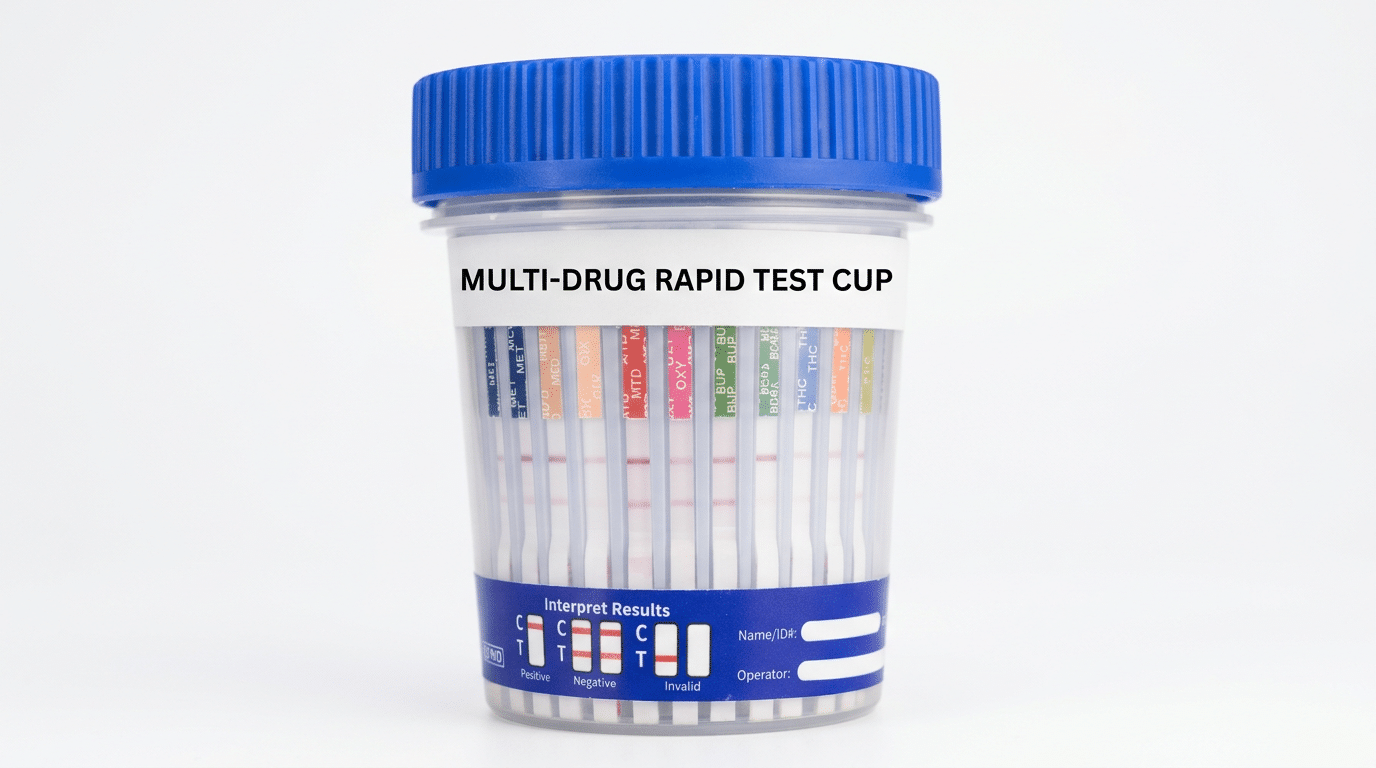
If you’re buying an ETG rapid test, you want a result you can rely on—even a few days after drinking. ETG is often described as detectable for “up to 80 hours,” but whether a rapid test is accurate that far out depends on how ETG behaves in the body, what cutoff the test uses, and how well the sample is collected and read. Here’s what “accurate” really looks like at 48–80 hours, and how to avoid results that don’t match reality.
What ETG testing measures (and why it lasts longer than breath alcohol)
ETG stands for ethyl glucuronide. Your body produces ETG after it metabolizes alcohol. A breathalyzer looks for ethanol that’s still present right now. An ETG urine test looks for a metabolite that can remain after ethanol is already gone.
That’s why the ETG window can stretch for days. You can feel completely sober and still test positive on ETG because the alcohol has been processed, but ETG remains as a trace marker in urine.
So how accurate are ETG rapid tests at 80 hours?
ETG rapid tests are solid screening tools, but accuracy at 80 hours depends heavily on where your ETG level sits relative to the test’s cutoff. If your ETG is clearly above the cutoff, the rapid test will usually read positive. If your level is hovering near the cutoff, small changes—hydration, timing, or even how the result is read—can push the result either way.
This is what trips people up: as more time passes after drinking, ETG levels drop. More tests end up “on the edge,” and borderline results are where most complaints about “inaccurate tests” come from.
What “up to 80 hours” really means in real life
“Up to 80 hours” is a possible detection window, not a promise. Many people will test negative well before 80 hours, especially after light drinking. Others may still test positive close to that mark after heavier intake.
A useful way to frame it is simple: “Am I testing near the edge?” The closer you get to 80 hours, the more likely you’re testing near the edge for many drinking patterns.
Accuracy depends on the cutoff, not just the clock
ETG rapid tests use a cutoff level. Above it is positive; below it is negative. Hours are easy to count, so people fixate on time. The test is reacting to concentration.
Two people can test at the same hour and get different results because their ETG levels differ. Time matters, but the concentration relative to the cutoff matters more.
What most commonly causes “wrong” ETG rapid test results
Most unexpected results fall into three categories: collection/handling issues, reading mistakes, and borderline ETG levels near the cutoff. Alcohol-containing products can also contribute in certain situations, especially when programs use low cutoffs.
1) Dilution from heavy water intake
Urine concentration changes throughout the day. If you drink a lot of water right before testing, you can dilute ETG in the sample. Dilution doesn’t remove ETG, but it can lower the concentration enough to turn a borderline positive into a negative.
For the most dependable result, avoid extremes. Don’t deliberately over-hydrate right before testing. Provide a normal sample, not a forced one.
2) Very concentrated urine (and why it can do the opposite)
Dehydration can concentrate urine and make ETG appear higher than it would in a normally hydrated state. This matters most when you’re close to the cutoff.
First-morning urine is often more concentrated. If you’re near the edge, testing first thing in the morning can increase the chance of a positive result.
3) Misreading the lines (this causes more confusion than people admit)
Many rapid urine tests use line-based results. In many common test formats, a faint line still counts as a negative. People often see a light line and assume it means “barely positive,” which turns real negatives into “false positives” in their minds.
Follow the instructions, use good lighting, and read results within the stated time window. If you wait too long, evaporation and background changes can make almost any rapid test look odd.
4) Testing too soon after alcohol exposure from products
People often ask about mouthwash, cough syrups, vanilla extract, kombucha, or hand sanitizer. In edge cases—heavy use followed by testing soon after—these exposures can matter. Typical everyday use usually doesn’t create the same ETG levels as drinking, but low cutoffs make this issue more relevant.
If you’re trying to avoid unexpected positives, skip alcohol-containing products for a few days before testing when you can—especially in programs where any positive triggers serious consequences.
5) Not confirming a positive result when it really matters
Rapid tests are screens. They’re designed to quickly separate negative from non-negative samples. If a rapid test reads positive and the outcome is high-stakes, a confirmation test through a certified lab can clear up uncertainty.
This doesn’t mean rapid tests are useless. It means a positive screen shouldn’t be treated as the final word when a job, custody issue, or legal status is on the line.
What you should expect at 48, 72, and 80 hours
People want a simple chart, but drinking pattern matters more than a generic timeline. Still, these expectations can help you plan when to test and what kinds of results are more likely.
At about 48 hours
Many people who drank moderately will still have detectable ETG at 48 hours, but not everyone will. Heavy drinking increases the odds of a positive at this point.
At 48 hours, results are often clearer—more obvious positives or negatives. Borderline outcomes still happen, but they become more common as time goes on.
At about 72 hours
At 72 hours, the “it depends” factor becomes hard to ignore. Light drinking may already be below the cutoff for many people. Heavier drinking is more likely to remain detectable.
ETG can help answer “Was there drinking sometime in the past few days?” It generally can’t answer “Was the person drinking exactly three days ago?” with precision.
At about 80 hours
By 80 hours, expect more borderline situations. People who drank lightly may test negative by then. People who drank heavily may still test positive, depending on metabolism, hydration, and the cutoff level used.
ETG rapid tests can detect alcohol up to 80 hours, but accuracy near the limit depends on how much signal is left to measure. The test doesn’t suddenly fail at 80 hours—ETG levels just tend to get low enough that small factors matter more.

How to get the most reliable ETG rapid test result
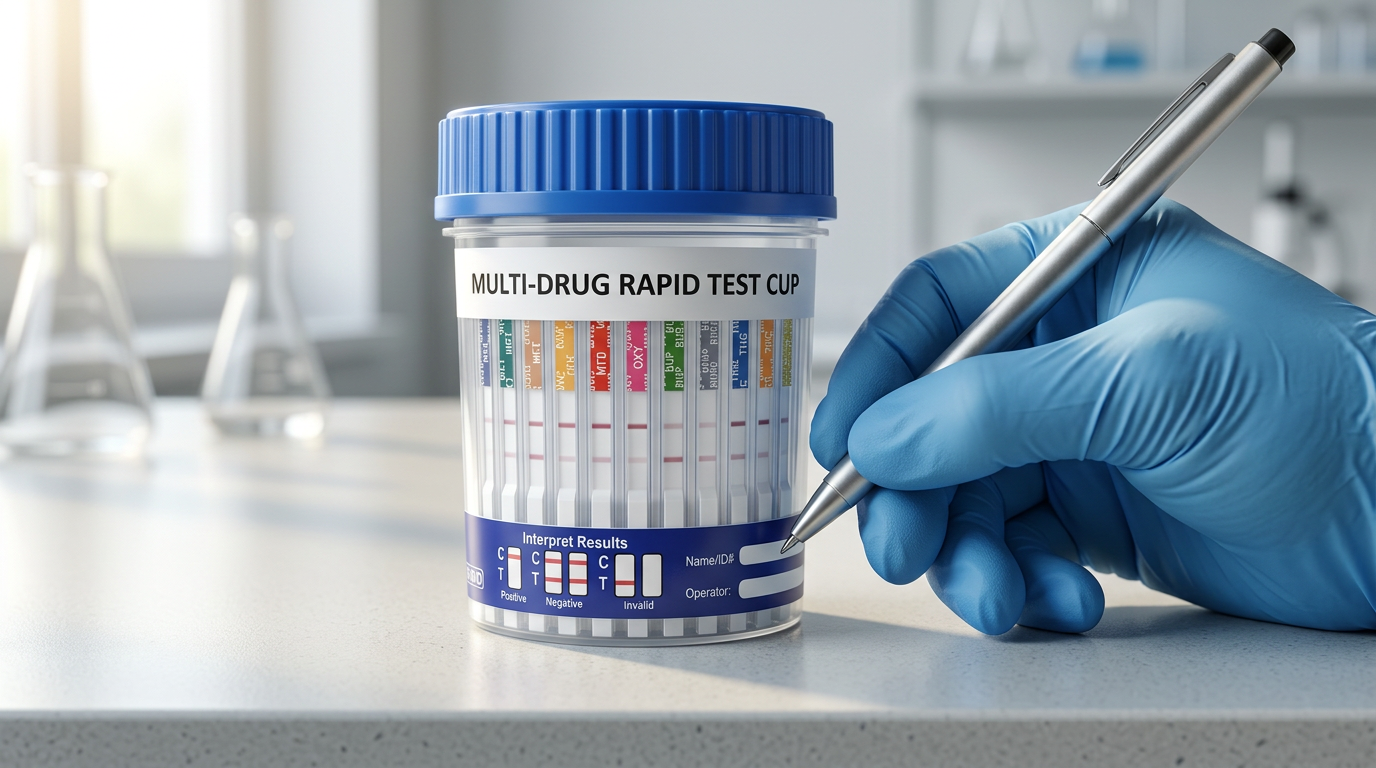
You can avoid the most common accuracy problems with a consistent collection and reading routine.
- Use a fresh sample and test right away instead of letting urine sit.
- Follow the reading window exactly, and don’t interpret lines after the stated time.
- Avoid extreme hydration right before the test.
- Test consistently if you’re running multiple tests (for example, the same time each day).
- Photograph results in good lighting if you need documentation.
What buyers should look for in an ETG rapid test cup
Price matters, but accuracy in real life often comes down to build quality and how easy the test is to use correctly. For workplace, clinical, probation, or home monitoring, choose a format that reduces handling mistakes.
Choose a cup format when sample integrity matters
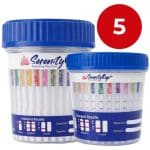
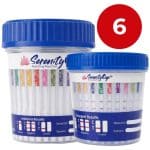
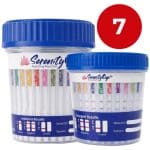
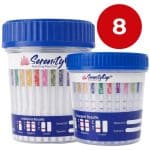
A cup combines collection and testing in one container. That reduces transfers, which reduces spills and mix-ups. It’s also easier to supervise in settings that require basic chain-of-custody habits.
Choose multi-panel screening when alcohol is not the only concern
Many monitoring programs screen for more than alcohol. Opioids, stimulants, and other substances may also be part of the picture. If you’re already testing urine, a multi-panel cup can save time and avoid running separate tests.
Optional FAQ
Do ETG rapid tests show how much someone drank?
No. An ETG rapid test is typically a positive/negative result based on a cutoff. It doesn’t provide a numeric level and can’t be translated into a specific number of drinks.
Can a single drink still show up at 80 hours?
For many people, a single drink won’t remain detectable that long, but it varies. Near 80 hours, the cutoff and urine concentration have a bigger influence on the outcome.
Should I trust an at-home ETG rapid test for a serious decision?
It’s useful as a quick screen, especially when the result is negative. If you get a positive result and real consequences are involved, treat it as a reason to pursue lab confirmation.
Conclusion
ETG rapid tests can detect alcohol for up to 80 hours, but the most dependable results come from consistent sampling, avoiding extreme hydration, and reading the test correctly—especially when you’re near the cutoff. If you want an all-in-one screening cup that covers ETG plus a broader substance panel, consider the 12 Panel ETG & FEN Cup from 12 Panel Now.