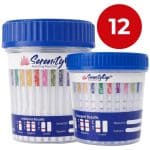
How Long Do Drugs Stay in Your System on a 12 Panel Urine Test?

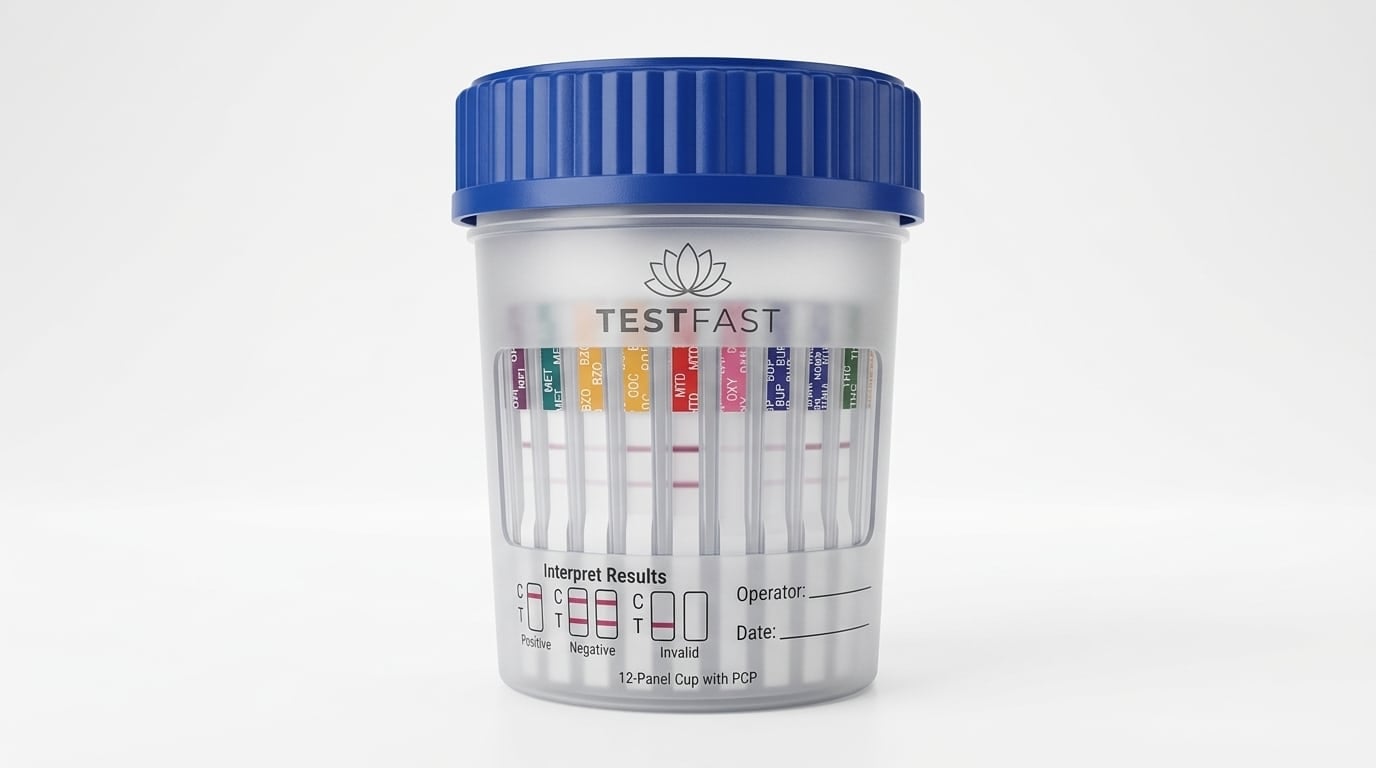
If you’re facing a urine drug screen, you probably want a clear answer: how long will a drug show up? The short version is that every substance has its own detection window, and the result can vary based on your body, the amount used, and how often you use it. This article explains what a 12 panel urine test checks for, how long common drugs may stay detectable, and what can affect the outcome.
What does a 12 panel urine test look for?
A 12 panel urine test screens for several common drugs at once rather than just one substance. The exact panel can vary by lab, product, employer, or clinic, but many include marijuana, cocaine, amphetamines, methamphetamines, opiates, benzodiazepines, barbiturates, methadone, PCP, and other frequently screened substances.
The main thing to understand is this: a urine test does not measure whether someone is impaired at that moment. It looks for drug metabolites left behind in urine after use. That’s why someone can feel completely normal and still test positive days later.
How long do drugs stay in urine on a 12 panel test?
Detection windows differ by drug. Someone who used once may have a very different result from someone who uses daily. Hydration, body size, metabolism, and the test cutoff can also affect the answer. Even so, these general ranges are a useful guide.
- Amphetamines: about 1 to 3 days
- Methamphetamine: about 2 to 4 days
- Cocaine: about 2 to 4 days
- Opiates: about 1 to 3 days
- Oxycodone: about 1 to 4 days
- Methadone: about 2 to 7 days
- Benzodiazepines: about 3 days to several weeks, depending on the drug
- Barbiturates: about 2 days to 3 weeks, depending on the type
- PCP: about 3 to 7 days, sometimes longer with heavy use
- Marijuana: about 1 to 30 days or longer, depending on frequency of use
These are estimates, not guarantees. Heavy or repeated use usually extends the detection window. Some prescription drugs also remain in the body longer than many people expect, even when they are taken correctly.
Why do detection times vary so much?
Two people can use the same drug and still get different urine test results. That happens because drugs are processed differently from one person to the next, and not every substance behaves the same in the body.
Use pattern matters more than most people think
One-time use usually clears faster than repeated use. When a drug builds up in the body, its metabolites tend to remain in urine longer. Marijuana is a common example. A person who used it once may test negative after a few days, while a daily user may stay positive for weeks.
The type of drug matters
Some drugs break down and leave the body quickly. Others have longer half-lives or are stored in fat tissue. Long-acting benzodiazepines and some barbiturates are detectable longer than short-acting versions. PCP and methadone can also stay in the system longer than many people assume.
Your body matters too
Metabolism, age, body composition, activity level, and hydration all play a role. Even so, there is no reliable home trick that guarantees a clean result. Drinking excessive water may dilute urine, but it can also lead to an invalid sample or raise concerns about tampering.
How long does marijuana stay on a 12 panel urine test?
This is often the biggest question. Marijuana has one of the widest detection ranges on a 12 panel urine screen. With one-time use, it may show up for 1 to 3 days. With moderate use, it may be detectable for around a week. With daily or heavy use, it can remain detectable for several weeks.
That longer window happens because THC metabolites are stored in body fat and leave the body slowly. If you want a rough rule of thumb, frequency of use is usually the best predictor. The more often someone uses marijuana, the longer the likely detection window.
Can a urine test detect same-day drug use?
Yes, but timing matters. Some drugs appear in urine within a few hours of use, while others take longer to reach detectable levels. In general, urine testing is better at showing recent past use than use from the immediate moment.
If the question is whether someone used a drug earlier the same day, urine testing can help, but it is not ideal for exact timing. Blood or saliva tests may offer a tighter picture of recent use in some cases, while urine remains a common option because it is simple, quick, and widely used for routine screening.

Does a 12 panel urine test show exact amounts?
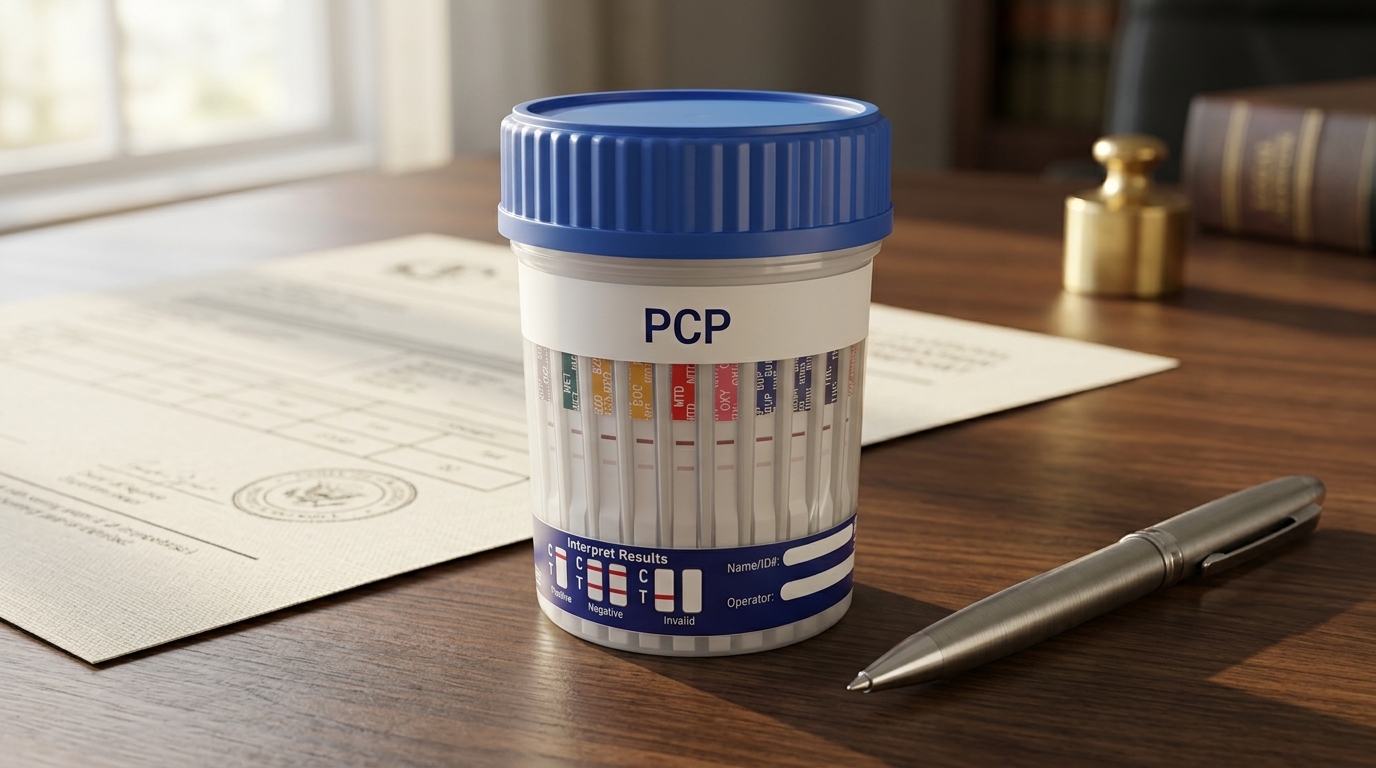
No. A standard rapid urine screen gives a negative or non-negative result based on a cutoff level. It does not show exactly how much of a drug was used, and it cannot tell you precisely when use happened.
If the result has legal, workplace, school, or medical consequences, a positive screening result is usually sent for lab confirmation. Confirmation testing helps rule out false positives and identifies the substance more accurately.
What can cause a false positive or unexpected result?
Urine screens are useful, but they are still screening tools. Some legal medications, over-the-counter products, and supplements can lead to unexpected results. That is why medical review and lab confirmation matter when the stakes are high.
- Prescription medication with a similar chemical profile
- Over-the-counter cold or sleep medicine
- Cross-reactivity with another substance
- Sample mix-up or handling error
- Diluted or compromised urine sample
If a result does not make sense, don’t guess. Ask which panel was used, what the cutoff level was, and whether confirmation testing is available.
How accurate are rapid 12 panel urine tests?
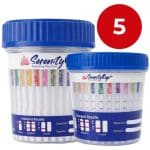
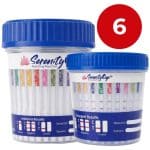
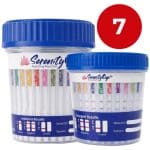
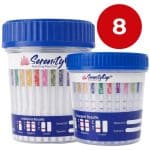
Rapid urine tests can provide useful screening results in minutes, which is why they are common in workplaces, clinics, treatment programs, and at-home settings. Their purpose is to quickly identify a likely negative or likely positive result. A well-designed test can also help protect sample integrity during collection.
Still, any non-negative result should be treated as a first step rather than a final answer when the outcome matters. A reliable cup with clear result lines and specimen validity checks makes on-site testing easier to manage and easier to read.
What should you look for in a 12 panel urine test cup?
If you are buying a test for workplace, clinical, or personal use, focus on clarity and reliability. You want a cup that is easy to use, easy to read, and built for real screening conditions.
- Broad panel coverage: screens multiple common drugs in one test
- Fast results: quick read time supports on-site decisions
- Built-in temperature check: helps confirm a fresh sample
- Clear instructions: reduces user error
- Reliable screening performance: helps you act with more confidence
For many buyers, the best option is a single cup that handles the full process without extra steps or supplies.
Optional FAQ
Can drinking water help you pass a 12 panel urine test?
Water can change urine concentration, but it does not remove drug metabolites. Drinking too much may produce a diluted sample, which can lead to a retest or concerns about sample validity.
Will a 12 panel urine test detect prescription drugs?
Yes, some panels detect prescription medications or their drug class, including benzodiazepines, methadone, oxycodone, and barbiturates. The exact substances depend on the panel being used.
How soon should a urine sample be tested?
A sample should be handled and read according to the manufacturer’s instructions. Rapid test cups are designed for prompt on-site screening, which helps preserve result quality and limit handling problems.
Conclusion
How long a drug stays detectable on a 12 panel urine test depends on the substance, the amount used, how often it was used, and how the body processes it. Many drugs remain detectable for a few days, while marijuana, some benzodiazepines, methadone, and PCP may stay in the system longer. For straightforward on-site screening in an all-in-one format, 12 Panel Drug Test Cup with PCP is a practical option from 12 Panel Now.