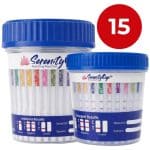
Is a 15-Panel Drug Test a Smart Long-Term Investment?


If you buy drug tests for workplace screening, clinical use, compliance programs, or home monitoring, value matters just as much as speed. A cheap test that misses key substances or fails to catch tampering can end up costing more later. The real question is simple: does a 15-panel drug test with broader detection and adulteration checks make financial and practical sense over time?
What does “long-term value” mean with a drug test?
Long-term value is about more than the price of a single cup. It includes what the test helps you avoid, what it helps you catch early, and how often you need extra tests to cover gaps. A low upfront price matters, but the bigger issue is whether one test covers enough ground to reduce repeat testing, delays, and weak screening decisions.
For most buyers, long-term value comes down to four things: whether the test screens for the substances that matter, whether it helps flag tampering, whether it saves time, and whether it cuts spending on separate tests. If it checks all four boxes, it is usually a smart buy.
Why would a 15-panel test offer better value than a smaller panel?
A larger panel gives you broader screening in one step. That matters because substance use patterns change. A narrow test works when your concern is limited to a short list of drugs. A broader cup is a better fit when you need screening that reflects real-world uncertainty.
When a test includes substances such as fentanyl, kratom, and EtG alcohol markers, it covers areas many older panels leave out. That helps employers, clinics, and families avoid a common problem: buying one test first, then ordering another after realizing the first did not screen for the substance they actually needed.
When a broader panel saves money
- You avoid buying multiple single-substance tests.
- You reduce repeat collections and retesting.
- You spend less staff time managing extra screening steps.
- You lower the risk of missing a substance that matters in your setting.
Does advanced substance detection really matter?
Yes, because drug trends have changed. Buyers ask about fentanyl far more often than they did a few years ago. Many also want visibility into kratom use or recent alcohol exposure through EtG screening. If your test menu ignores those concerns, your screening program can quickly feel outdated, even if the cup looks inexpensive.
Advanced detection matters most when the cost of a missed result is high. That might mean a workplace safety issue, a failed monitoring plan, or a false sense of security at home. A test that reflects current concerns offers better value than a cheaper option that only covers older basics.
How important is adulteration testing for long-term value?
It matters a lot. Sample integrity is a major part of a test’s value. If a donor alters a sample and the cup does not help catch it, the result loses much of its meaning. Then you are dealing with the cost of retesting, policy disputes, or decisions based on a questionable sample.
An adulteration strip adds value because it helps confirm that the specimen is suitable for screening. That is not just a technical add-on. It protects the usefulness of the result you paid for. Over time, that makes a real difference for high-volume buyers and anyone who needs consistent monitoring.
Why sample checks pay off
- They support cleaner screening decisions.
- They help reduce avoidable retests.
- They add confidence in home, workplace, and clinical settings.
- They protect the value of every collected sample.
Is a low-cost 15-panel cup actually a better financial choice?
It can be, if the cup combines broad coverage with practical features. The best value is not always the cheapest test on the page. It is the one that lowers your total screening cost. A low-priced multi-panel cup with built-in specimen integrity checks can do exactly that.
The math is straightforward. If one test screens for more substances and checks for adulteration at the same time, you reduce add-on purchases. You also cut indirect costs such as extra handling time, repeat collections, and disruptions caused by incomplete screening. That is where long-term savings show up.
Who benefits most from investing in this type of test?
This type of test works best for buyers who need wide coverage and fast answers. Employers with safety-sensitive roles benefit because broader screening supports stronger hiring and random testing workflows. Clinics and recovery programs benefit because they need frequent monitoring and clear specimen validity. Parents and private buyers benefit because one cup can answer more questions at once.
The more often you test, the easier the return is to see. Frequent users gain the most from a panel that reduces gaps and retests. Even occasional buyers benefit when they want to avoid the hassle of ordering a second product after the first one falls short.
Are there limits buyers should understand before purchasing?
Yes. A rapid urine cup is a screening tool, not the final word in every case. Positive screens usually need confirmation by a laboratory method. That does not reduce the value of the cup; it simply defines its role. The cup provides quick, low-cost screening that helps you decide what needs a closer look.
Buyers should also match the panel to their actual needs. More panels do not help if they do not include the substances you care about. The smart choice is the one that fits current risk, testing frequency, and budget while still offering enough coverage for likely future needs.
What should you ask before choosing a 15-panel test?
- Does it include the substances I am most concerned about right now?
- Does it cover newer concerns like fentanyl, kratom, or EtG alcohol markers?
- Does it check for adulteration or sample integrity?
- Will it reduce the need for separate tests later?
- Is the unit price low enough to support repeat use?
If a product earns a yes on all five, it has a strong case for long-term value.
So, is investing in a 15-panel drug test a smart long-term decision?
For many buyers, yes. A 15-panel cup makes sense when you want broader coverage, up-to-date substance relevance, quick screening, and more confidence in the specimen itself. The biggest benefit is not just convenience. It is avoiding the hidden cost of narrow testing that leaves gaps, creates retests, or misses substances that matter.
If your goal is to buy once and screen smarter over time, a broad panel with adulteration checks is a practical choice. It gives you more useful information in one step and helps stretch each testing dollar further.
FAQ
Is a 15-panel drug test too much for basic screening?
Not if your needs may change. A broader panel gives you more flexibility for real-world concerns, especially when fentanyl, kratom, or alcohol monitoring matter. It can also help you avoid buying extra tests later.
Does an adulteration strip really matter for home or workplace use?
Yes. A result is only useful if the sample is valid. An adulteration check adds trust to the screening process and lowers the chance of wasting time on compromised samples.
Is a rapid cup still worth it if positives need confirmation?
Yes. The cup provides fast screening at a much lower upfront cost than sending every sample to a lab. That makes it a practical first step for routine testing programs.
Conclusion
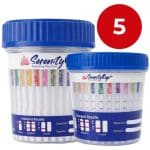
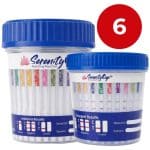
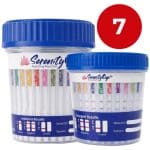
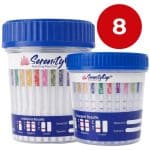
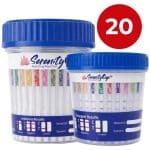
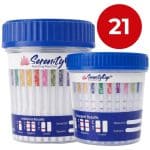
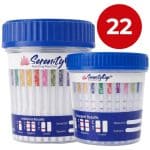
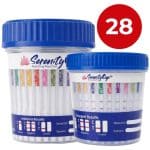
A smart long-term drug testing purchase does three things well: it screens for the substances you care about, protects sample integrity, and keeps repeat costs under control. A broad panel with current detection targets does that better than a narrow bargain option. For buyers who want stronger value per test, 15 Panel Drug Test with Kratom, Alcohol, (ETG) Fentanyl And Adulterations, Low price $2.49 from 12 Panel Now stands out as a practical choice.