True Time and Cost Savings: Rapid Multi-Panel vs Lab Drug Tests


If you run drug screening for hiring, probation, treatment, or even at home, you usually want two things: fast answers and predictable costs. Multi-panel rapid drug tests can help on both fronts. Lab screening still has an important role, but it also adds delays, fees, and extra workflow steps that are easy to overlook. Here’s a practical, numbers-first look at what you actually save (and what you don’t) when you choose rapid multi-panel cups instead of traditional lab screening.
What “time savings” really means in drug testing
Time isn’t just “how fast I see a result.” It’s also the hours spent coordinating collection, completing chain-of-custody steps, packaging, shipping, retrieving results, and handling follow-up calls. A fast test that reduces admin work often saves more time than people expect.
Rapid multi-panel cups compress the process because collection and screening happen in one sitting. Lab screening stretches it out because your timeline depends on transport and lab queue time.
Rapid multi-panel timeline (typical)
A point-of-care multi-panel cup is straightforward: collect the sample, start the timer, read the strips, record the result, then follow your policy on next steps. Many programs handle it as a single appointment.
- Result time: minutes after collection
- Decision time: same visit (if your policy allows)
- Follow-up time: mostly limited to positives, refusals, or invalid samples
Traditional lab screening timeline (typical)
Even when a lab runs efficiently, lab testing adds calendar time because it adds steps: collection, labeling, custody paperwork, transport, reporting, and often medical review.
- Result time: usually days, not minutes
- Decision time: delayed until results post
- Follow-up time: more calls and scheduling, especially for re-tests
Where rapid tests save the most time: the “negative majority”
In most testing programs, the majority of samples are negative. Rapid testing shines here because you close the loop immediately. With a lab-first process, you keep cases open until results arrive—even when nothing is found.
For hiring, those days can push start dates back. For treatment or monitoring, delays can blunt the value of the test because the best time for a useful conversation is often the same day.
Example: hiring workflow
Say you manage a small company and screen new hires weekly. Rapid cups let you collect and screen the same day, which helps you avoid waiting days to move someone into orientation. Lab screening can create a dead zone where the candidate waits, you wait, and the role stays unfilled.
- Rapid: collect and screen in one appointment; you move to onboarding faster.
- Lab: you manage a pending file, track status, and sometimes reschedule start dates.
Example: probation or compliance workflow
If someone has a same-day requirement, a lab timeline often doesn’t match the need. Rapid testing provides an on-the-spot screen so you can take immediate next steps. Labs still matter for confirmation, but the rapid screen helps you decide what actually needs confirming.
What “cost savings” really includes (beyond the price per test)
It’s easy to compare the sticker price of a rapid cup to a lab fee and stop there. The real cost includes staff time, supplies, shipping, re-collection, and confirmation testing for presumptive positives.
Rapid multi-panel tests often win on total cost when they’re used as the first screen and lab confirmation is reserved for the smaller set of non-negative results.
Direct costs you can see on an invoice
- Rapid multi-panel cup: typically a low per-test cost and no shipping fee to a lab for negatives.
- Lab screening: per-test fee, often collection fees, plus possible medical review or reporting costs depending on the program.
Indirect costs many buyers forget to count
- Staff minutes per test: paperwork, tracking, calling, rescheduling, documenting decisions.
- Shipping and packaging: shipping materials, courier pickups, outbound fees.
- Delays: open job slots, missed appointments, time spent waiting to make decisions.
- Re-collections: extra visits when samples leak, paperwork is incomplete, or timing requirements expire.
The biggest money question: How many panels do you need in one test?
Panel count drives value. A multi-panel cup pays off when it replaces multiple single tests and reduces the chance you miss a substance your policy cares about. The right panel count depends on your real risk and your decision needs—not what looks impressive on a label.
When more panels save money
More panels can save money when you’d otherwise run separate tests or end up sending more samples to a lab after a surprise non-negative. A broader on-site screen can also reduce repeat testing cycles.
- You manage a higher-risk environment and see a wider range of substances.
- You run random testing and want consistent coverage each time.
- You want one collection event instead of multiple kits and multiple read times.
When more panels do not save money
If your policy only requires a narrow set of drugs, extra panels can add cost without adding useful information. In that case, a smaller panel is often the better fit. The goal is coverage that supports your decisions—no more, no less.
Confirmation testing: the part that changes the math
Rapid urine cups are screening tools. Many programs treat positive results as presumptive and confirm them with lab methods such as GC/MS or LC/MS. That confirmation step adds both cost and time, so it needs to be part of your budget.
The key point: rapid testing still saves time and money when most tests are negative, because you only confirm the smaller set of non-negative screens instead of sending every sample to the lab.
A simple way to estimate your real spend
You can estimate monthly cost with a straightforward formula:
- Total rapid cost = number of tests × price per cup
- Total confirmation cost = number of presumptive positives × lab confirmation fee
- Total program cost = rapid cost + confirmation cost + staff time
If your presumptive positive rate stays low, confirmation remains a manageable line item. If the positive rate rises, a lab-first strategy still costs more for the negative group, but it can simplify compliance in certain regulated environments. Let policy drive the workflow, not the other way around.

Adulteration and invalid samples: where time disappears fast
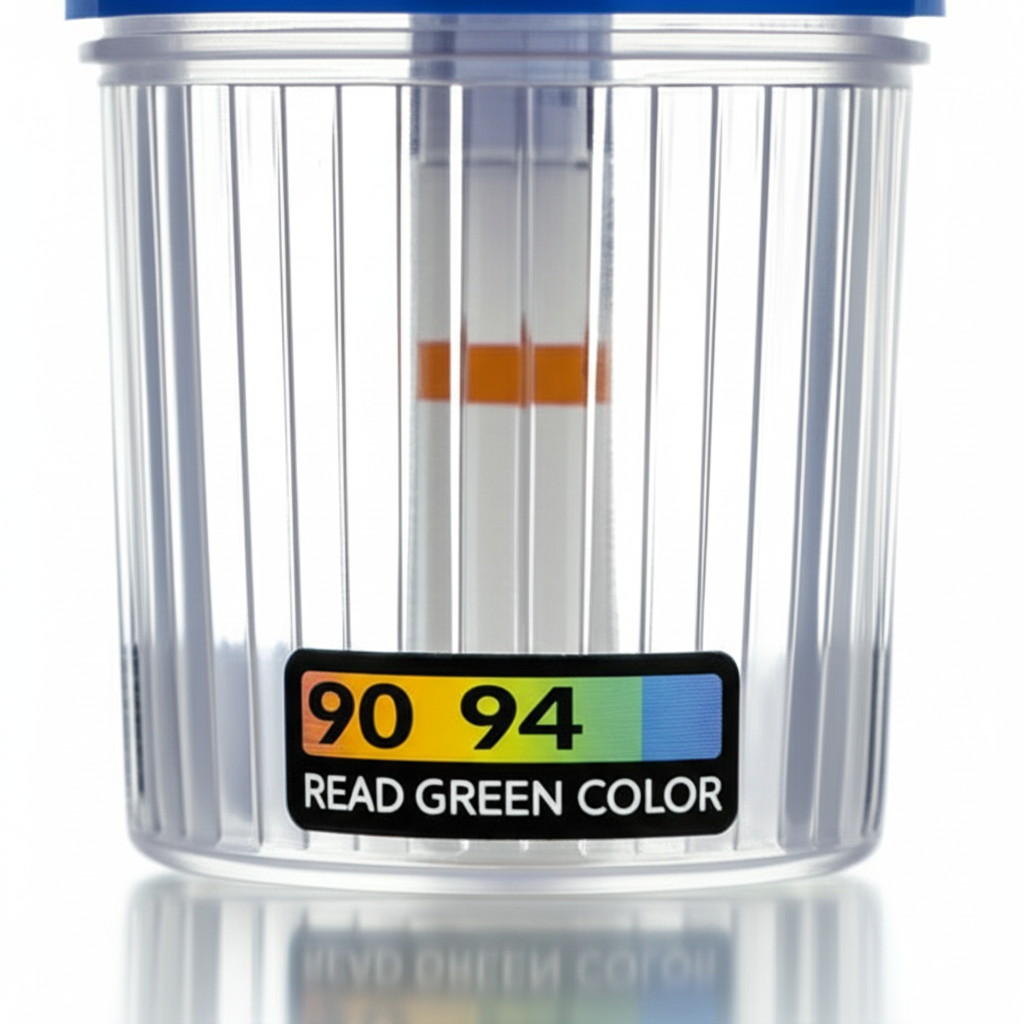
An invalid or tampered sample costs more than a routine test. It can trigger re-collection, closer supervision, more documentation, and more scheduling. That’s true in workplace programs and in personal monitoring.
A cup that checks sample integrity during the same collection event can reduce repeat visits. It also gives faster clarity on why a result looks off, which helps you apply your policy consistently.
What you save when you catch problems early
- Fewer re-tests: fewer “come back tomorrow” situations.
- Fewer disputes: issues are documented at the point of collection.
- Less staff time: fewer minutes spent chasing a clean, complete process.
Real-world scenarios: when rapid cups beat lab screening on time and cost
Rapid multi-panel testing usually wins when you need fast decisions and you run enough tests that most results will be negative. That describes many workplaces, schools, and monitoring programs.
Scenario 1: Small business doing pre-employment screening
If you test candidates weekly, every day of delay matters. Rapid cups cut waiting time and reduce back-and-forth. If your policy allows rapid screening first, you also avoid paying lab fees on every negative.
Scenario 2: Treatment program or outpatient clinic
Clinics need timely information to guide the next conversation. Rapid testing supports that same-day moment. Confirmations still happen when needed, but you avoid paying confirmation-level costs for routine negatives.
Scenario 3: Home testing for accountability
Families and individuals often want quick clarity and privacy. A rapid cup avoids shipping, lab coordination, and days of uncertainty. For many households, the biggest savings is the simple, repeatable process.
When lab screening still makes sense
Lab testing is the right call when you need formal defensibility, strict regulatory procedures, or confirmatory precision on every sample. Some workplaces and legal programs require lab-based processes for official actions, regardless of rapid screening options.
Even then, many programs use rapid multi-panel testing as a first screen where rules allow, then confirm only what truly needs confirmation. Done well, that approach keeps costs predictable without giving up lab certainty on the results that matter most.
How to choose a rapid multi-panel test without wasting money
You’ll get the best value by matching the test to your actual decisions. Start with your “decision list”: what actions might you take after a test, and which substances affect those actions?
A practical checklist buyers use
- Panel coverage: Does it match what you actually screen for?
- Result speed: Does it support your same-day workflow?
- Sample integrity support: Do you need help spotting invalid or adulterated samples?
- Budget: Do you want a low cost per screen so you can test more frequently?
- Policy fit: Do you have a clear plan for presumptive positives and confirmation?
Optional FAQ
Do rapid multi-panel drug tests replace lab testing?
No. Rapid cups provide fast screening results. Many programs confirm non-negative results with lab methods, especially when results can lead to formal action.
What is the most common hidden cost in lab screening?
Admin time and delay costs. Staff still has to coordinate collection and tracking, and operations can stall while you wait for results.
How do multi-panel cups save money if confirmations still cost money?
You don’t confirm negatives. When most results are negative, you avoid sending most samples to a lab while still confirming the smaller group that needs it.
Conclusion
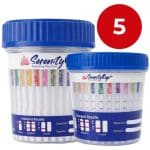
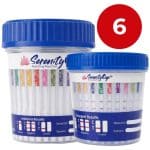
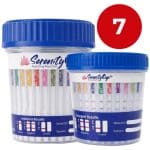
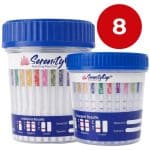
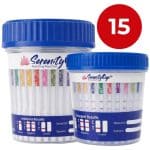
Multi-panel rapid drug tests save the most time when you need same-day decisions, and they save the most money when negatives make up the bulk of your testing. Lab screening still matters for confirmation and for programs with strict requirements, but rapid cups can simplify workflow and reduce avoidable spending on routine negatives. For a broad, on-site screen that supports quick action, 12 Panel Now offers the 15 Panel Drug Test with Kratom, Alcohol, (ETG) Fentanyl And Adulterations, Low price $2.49.