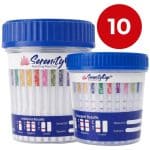
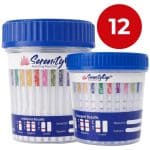
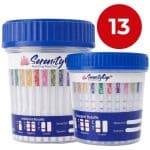
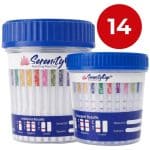
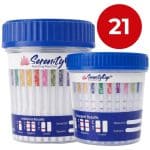
Multi Drug Screens Explained: How Modern Multi-Panel Tests Work


More than 55 percent of american employers now use multi drug screening as part of their routine hiring or compliance checks. This surge underscores the growing demand for reliable, efficient ways to detect multiple substances quickly. Whether for workplace safety, legal needs, or healthcare monitoring, understanding how these advanced tests work can help you make better choices for your organization or personal health. Discover the essentials behind multi drug screens and why they have become a key tool across various american industries.
Table of Contents
- Multi Drug Screen Definition And Core Purpose
- Common Types Of Multi Drug Screening Panels
- How Multi Drug Screening Kits Work
- Detection Windows And Test Accuracy Factors
- Legal And Regulatory Framework In The U.S.
- Common Mistakes And Best Practices
Key Takeaways
| Point | Details |
|---|---|
| Purpose of Multi Drug Screens | These tests are designed to detect multiple substances in biological samples for medical, legal, and workplace contexts. |
| Types of Screening Panels | Common options include 5-panel and 10-panel drug screens that vary in complexity and breadth of substances tested. |
| Testing Mechanism | Multi drug screening kits work through specific biochemical processes to ensure accurate and quick results. |
| Legal Compliance | Understanding the legal and regulatory framework is essential for proper administration and adherence to guidelines in drug testing. |
Multi Drug Screen Definition and Core Purpose
Multi drug screens are comprehensive diagnostic tests designed to detect multiple substances simultaneously within an individual’s biological samples. These sophisticated screening methods provide healthcare professionals, employers, and legal entities with critical insights into potential drug use or exposure.
A multi drug screen typically identifies specific drugs and their metabolites through biological specimens like urine, blood, hair, or saliva. The core purpose extends beyond simple detection, serving multiple critical functions across various professional domains:
- Medical assessment and treatment monitoring
- Workplace compliance and safety protocols
- Legal and forensic investigations
- Rehabilitation program screenings
- Athletic performance verification
The comprehensive nature of multi drug screens allows professionals to assess an individual’s potential substance use quickly and accurately. By testing for numerous substances in a single evaluation, these screenings provide efficient and cost-effective methods for detecting prescription medication misuse, illegal drug consumption, or potential substance abuse patterns. Modern multi drug screens can simultaneously test for substances like marijuana, cocaine, opiates, amphetamines, and other controlled substances, offering a holistic approach to understanding an individual’s potential chemical exposures.
Understanding the types of laboratory drug screens can help organizations and healthcare providers select the most appropriate testing method for their specific requirements, ensuring precise and reliable results across diverse professional contexts.
Common Types of Multi Drug Screening Panels
Multi drug screening panels range in complexity and comprehensiveness, designed to detect varying numbers of substances across different professional and medical contexts. Drug screening panels typically vary from 5 to 10 different substances, providing flexibility for organizations with specific testing requirements.
The most common multi drug screening panels include:
- 5-Panel Drug Screen
- Detects fundamental substances like marijuana, cocaine, amphetamines, opiates, and phencyclidine (PCP)
- Frequently used in workplace and transportation industry screenings
- Provides basic substance detection for standard compliance protocols
- 10-Panel Drug Screen
- Expands testing to include additional substances beyond the 5-panel screen
- Tests for substances including benzodiazepines, barbiturates, methadone, and methamphetamines
- Offers more comprehensive substance detection for medical and legal environments
The selection of a specific drug screening panel depends on the intended purpose, with different industries and organizations requiring unique testing approaches. Choosing the right multi-panel drug test involves considering factors like regulatory requirements, potential substance risks, and the specific context of the screening.
Specialized panels also exist for specific sectors, such as Department of Transportation (DOT) regulated screenings, which have distinct protocols and substance detection requirements. These targeted approaches ensure that drug screening remains precise, relevant, and aligned with professional standards across various industries.
How Multi Drug Screening Kits Work
Multi drug screening kits employ sophisticated scientific techniques to detect the presence of various substances in biological samples. These tests utilize a lateral flow immunochromatographic competitive binding assay designed to identify drugs and their metabolites with precision and efficiency.
The core mechanism of multi drug screening kits involves several critical steps:
- Sample Collection: Obtaining a biological specimen (typically urine, saliva, or blood)
- Immunoassay Reaction: Introducing the sample to reactive chemical compounds
- Competitive Binding Process: Drug molecules compete with detection antibodies
- Visual or Electronic Result Interpretation: Analyzing color changes or electronic signals
Oral fluid drug tests represent an increasingly popular screening method, offering quick and non-invasive substance detection. These kits work by capturing drug molecules present in saliva, providing a snapshot of recent substance use with minimal preparation.
The sensitivity and specificity of multi drug screening kits depend on advanced chemical engineering. By using carefully calibrated antibodies and reagents, these tests can detect minute quantities of substances, distinguishing between different drug classes and providing reliable results within minutes. This technological precision ensures organizations can make informed decisions about substance use with confidence and accuracy.
Detection Windows and Test Accuracy Factors
Detection windows represent the critical timeframe during which a multi drug screening test can accurately identify specific substances in biological samples. Multiple factors influence test accuracy, including drug type, frequency of use, individual metabolism, and test sensitivity, making precise substance detection a complex scientific process.
Typical detection windows vary significantly across different substances:
- Marijuana: 3-30 days (depending on usage frequency)
- Cocaine: 2-10 days
- Amphetamines: 2-5 days
- Opioids: 2-4 days
- Alcohol: 12-48 hours
Key accuracy factors that impact multi drug screening results include:
- Individual metabolic rate
- Body mass and hydration levels
- Frequency and quantity of substance use
- Type of biological specimen used
- Specific testing methodology employed
12 panel drug tests offer comprehensive screening capabilities, addressing potential variations in detection accuracy. These advanced testing methods incorporate multiple verification mechanisms to minimize false positive and negative results, providing organizations with reliable substance screening tools.
Professionals must understand that no single drug test is 100% definitive. Confirmatory testing through more advanced laboratory techniques remains essential for conclusive substance detection, especially in high-stakes environments requiring absolute precision and reliability.
Legal and Regulatory Framework in the U.S.
Multi drug screening operates within a complex legal landscape governed by multiple federal and state regulations. The FDA plays a critical role in evaluating and approving multi-drug screening devices, ensuring these testing technologies meet rigorous safety and effectiveness standards before entering the marketplace.
Key regulatory domains impacting drug screening include:
- Workplace Testing
- Department of Transportation (DOT) regulations
- Occupational Safety and Health Administration (OSHA) guidelines
- Americans with Disabilities Act (ADA) compliance
- Medical Screening
- Health Insurance Portability and Accountability Act (HIPAA) privacy protections
- Clinical Laboratory Improvement Amendments (CLIA) certification requirements
- Legal and Criminal Justice
- Fourth Amendment considerations regarding search and seizure
- State-specific laws governing consent and testing procedures
DOT drug panels vs. non-DOT panels demonstrate the nuanced regulatory environment, with different sectors maintaining distinct testing protocols. These variations reflect the complex balance between individual privacy rights and organizational safety requirements.
Professionals must navigate these regulations carefully, understanding that legal compliance extends beyond simply conducting a drug test. Proper documentation, informed consent, confidentiality protection, and adherence to established testing protocols are fundamental to maintaining legal and ethical standards in substance screening practices.
Common Mistakes and Best Practices
Multi drug screening requires meticulous attention to detail and precise implementation. On-site drug tests are popular for their convenience, but performance can vary significantly among devices, making it crucial to understand potential pitfalls and optimal strategies.
Common mistakes in drug screening include:
- Improper Sample Handling
- Contamination of specimens
- Incorrect storage temperatures
- Delayed processing
- Procedural Errors
- Insufficient training of personnel
- Misreading test results
- Failing to follow manufacturer’s instructions
- Interpretation Challenges
- Misunderstanding detection windows
- Overlooking potential false positives
- Inadequate confirmatory testing
Best practices for reliable drug screening involve:
- Comprehensive staff training
- Strict chain of custody protocols
- Regular equipment calibration
- Consistent adherence to testing guidelines
Custom drug panels offer organizations flexibility in addressing specific screening requirements, allowing for more targeted and precise substance detection. Professionals must approach drug screening with a combination of scientific rigor, technological understanding, and unwavering commitment to accuracy.
Ultimately, successful drug screening transcends simple testing. It requires a holistic approach that balances technological capability, legal compliance, and ethical considerations, ensuring both organizational safety and individual privacy are maintained with the highest standards of professionalism.
Simplify Your Multi Drug Screening with Trusted Supplies
Understanding how crucial accurate multi drug screens are for safety and compliance can feel overwhelming. Whether you need to detect a wide range of substances or require specialized panels for your workplace or healthcare setting, finding reliable and easy-to-use testing solutions is essential. Key challenges like ensuring test accuracy, managing detection windows, and following legal protocols make it vital to have supplies you can trust.
Explore our extensive selection designed for professionals who demand precision and efficiency. From 5-panel to 12-panel drug tests, and everything in between, 12 Panel Now offers high-quality kits that support your screening goals while maintaining compliance. Learn more about how these tests work and get your questions answered in our Complete Drug Test Knowledge Base – 12 Panel Now.
Take control of your drug screening process today with dependable tools tailored to your specific needs. Visit 12 Panel Now to browse our selection and get free shipping on your orders. For quick insights into common concerns, see our Drug Testing FAQs: Unravel the Mysteries about Drug Testing and start making informed decisions with confidence.
Frequently Asked Questions
What is the purpose of a multi drug screen?
A multi drug screen is designed to detect multiple substances simultaneously in biological samples, providing insights into potential drug use or exposure for medical, workplace, legal, and rehabilitation contexts.
How does a multi drug screening kit work?
Multi drug screening kits employ a process that starts with sample collection, followed by an immunoassay reaction where drug molecules compete with detection antibodies, leading to visual or electronic result interpretation based on color changes or signals.
What substances can be detected in a 10-panel drug screen?
A 10-panel drug screen can detect substances like marijuana, cocaine, amphetamines, opiates, benzodiazepines, barbiturates, methadone, and methamphetamines, among others, offering a comprehensive assessment of potential substance use.
What are the common mistakes to avoid during drug screening?
Common mistakes include improper sample handling, procedural errors such as misreading test results, and not conducting confirmatory testing, all of which can lead to inaccurate results.
Recommended
- 12 Panel Drug Test: Everything You Need to Know – 12PanelNow | 12 Panel Drug Test | Free Shipping
- 7 Types of Laboratory Drug Screens Every Buyer Should Know – 12PanelNow | 12 Panel Drug Test | Free Shipping
- How to Choose Multi-Panel Drug Tests: Complete Guide – 12PanelNow | 12 Panel Drug Test | Free Shipping
- What Is a 12 Panel Drug Test? Complete Overview – 12PanelNow | 12 Panel Drug Test | Free Shipping