Urine Drug Tests: Everything You Need to Know


Did you know more than 55 million urine drug tests are performed every year in the United States? These screenings touch nearly every part of daily life, from job applications to health care visits. Misinformation can shape how people think about testing reliability and privacy concerns. Gaining a clear understanding of what urine drug tests detect, how they work, and the truth behind common myths helps people make informed choices and avoid surprises during crucial moments. Along with test and Products from 12panelnow we offer multiple information and forms of information on how to use, implement and ensure proper guides for such tests.
Table of Contents
- Defining Urine Drug Tests And Common Myths
- Types Of Substances Detected By Urine Testing
- How Urine Drug Tests Work: Process And Accuracy
- Legal And Workplace Uses Of Urine Drug Testing
- Comparing Urine Tests To Alternative Methods
- Limitations, Risks, And Compliance Considerations
Key Takeaways
| Point | Details |
|---|---|
| Precision of Urine Drug Tests | Urine drug tests accurately detect a range of substances, including illegal drugs and prescription medications, enhancing workplace safety. |
| Myths About Testing | Misconceptions about urine test manipulation persist; however, modern protocols include measures to ensure the authenticity of samples. |
| Test Accuracy and Limitations | While reliable, urine drug tests can yield false positives or negatives, necessitating strict adherence to testing protocols and comprehensive understanding. |
| Legal and Workplace Applications | Urine drug testing serves critical roles in employment screening, compliance monitoring, and safety measures across various industries. |
Defining Urine Drug Tests and Common Myths
A urine drug test is a precise screening method designed to detect the presence of various prescription and illegal substances within an individual’s urine sample. According to the FDA, these tests can identify multiple drugs including marijuana, cocaine, opiates, methamphetamine, amphetamines, and benzodiazepines. The primary purpose is to provide a quick, non-invasive way to determine recent drug use.
Contrary to popular belief, urine drug tests are far more sophisticated than most people realize. Debunking 3 Myths About Urine Drug Tests reveals that modern testing procedures have advanced significantly to prevent common manipulation attempts. For instance, many individuals mistakenly believe they can substitute their urine sample, but contemporary tests now include temperature checks to ensure sample authenticity.
Some prevalent myths surrounding urine drug tests can lead to misconceptions about their effectiveness. Research indicates that while certain foods or beverages might theoretically interfere with test results, professional laboratory confirmatory testing is designed to distinguish between true and false positives. This ensures a high degree of accuracy in drug screening processes. Professionals recommend understanding the specific testing protocols and being transparent about any prescription medications that might potentially affect test outcomes.
Key features of urine drug tests include:
- Rapid screening capabilities
- Detection of multiple drug categories
- Non-invasive collection method
- Qualitative results indicating drug presence
- Advanced authentication procedures to prevent sample manipulation
Types of Substances Detected by Urine Testing
Urine drug tests are comprehensive screening tools capable of detecting an extensive range of substances. According to the FDA, these tests can identify multiple drug categories including marijuana, cocaine, opiates, methamphetamine, amphetamines, and benzodiazepines. The detection capabilities extend to prescription medications, illegal substances, and performance-enhancing drugs.
The National Institute on Drug Abuse highlights that urine tests can detect diverse substance groups, from central nervous system depressants to stimulants and hallucinogens. Types of Laboratory Drug Screens reveal that the specific substances identified depend on the testing panel used. Typical drug categories include:
- Cannabinoids (marijuana)
- Cocaine
- Opiates
- Amphetamines
- Methamphetamines
- Benzodiazepines
- Barbiturates
- Methadone
- Tricyclic antidepressants
- Ecstasy
- Oxycodone
- Phencyclidine (PCP)
The detection window for these substances varies significantly based on individual metabolism, dosage, frequency of use, and specific drug characteristics. Some drugs remain detectable for days or weeks after consumption, while others may have shorter detection periods. Professionals recommend understanding these nuanced detection windows when interpreting urine drug test results.
How Urine Drug Tests Work: Process and Accuracy
Urine drug testing is a complex screening process involving multiple stages of detection and verification. According to the FDA, the typical workflow begins with an initial screening test, which provides a sensitive first-pass evaluation of potential drug presence. This initial test is designed to quickly identify possible drug metabolites in the urine sample.
The process becomes more sophisticated with follow-up confirmation. Drug Testing FAQs explains that if the initial screening returns a positive result, a confirmatory laboratory test is conducted. This secondary test uses more advanced techniques like gas chromatography or mass spectrometry to validate the initial findings and eliminate potential false positives.
Research from the Office of Justice Programs highlights critical considerations in urine drug testing accuracy. The testing process involves several key steps:
- Collection of urine sample under controlled conditions
- Initial immunoassay screening
- Confirmation of positive results through advanced laboratory techniques
- Verification of sample authenticity
- Detailed analysis of drug metabolites
Professionals emphasize that while urine drug tests are highly reliable, no testing method is 100% infallible. Factors such as individual metabolism, medication interactions, and testing methodology can influence results. Proper collection protocols, advanced testing techniques, and expert interpretation are crucial to ensuring the most accurate and reliable drug screening outcomes.
Legal and Workplace Uses of Urine Drug Testing
Urine drug testing has become a critical tool in various professional and legal settings, serving multiple important purposes. According to the Substance Abuse and Mental Health Services Administration, workplace drug testing programs are strategically designed to detect the presence of alcohol, illicit drugs, and certain prescription medications. These programs act as both a preventative measure and a deterrent against substance abuse in professional environments.
Workplace Drug Testing Checklist highlights the comprehensive nature of these screening processes across different sectors. The primary legal and workplace applications include:
- Pre-employment screening
- Random workplace testing
- Post-accident investigation
- Reasonable suspicion monitoring
- Return-to-work protocols
- Probation and legal compliance monitoring
- Healthcare professional credentialing
The National Institute on Drug Abuse emphasizes that while urine drug testing is widely utilized, it cannot diagnose a substance use disorder independently. Instead, it serves as one component of a broader comprehensive assessment. Employers and legal entities must navigate complex regulations, ensuring testing procedures respect individual privacy rights while maintaining workplace safety and productivity. Professional organizations must balance rigorous screening protocols with fair, consistent implementation to create safe and supportive environments.
Comparing Urine Tests to Alternative Methods
Drug testing technologies have evolved significantly, offering multiple screening methods beyond traditional urine analysis. According to the National Institute on Drug Abuse, while urine drug testing remains the most prevalent approach, alternative methods like blood, hair, and saliva tests provide unique advantages for different screening scenarios. Each testing method comes with distinct detection windows and specific performance characteristics.
Oral Swab vs Urine Tests provides insights into the comparative strengths of various drug screening techniques. Key alternative testing methods include:
Here’s a comparison of common drug testing methods:
| Method | Detection Window | Invasiveness | Key Advantages |
|---|---|---|---|
| Urine Test | 2-5 days | Non-invasive | Most common Quick results |
| Blood Test | Hours to 2 days | Invasive | Highly accurate |
| Hair Follicle Test | Up to 90 days | Non-invasive | Long detection window |
| Saliva Test | 12-48 hours | Non-invasive | Simple collection |
| Sweat Patch Test | 1-2 weeks (continuous) | Non-invasive | Continuous monitoring |
- Urine Tests: 2-5 days detection window, most common method
- Blood Tests: Most accurate, but invasive and expensive
- Hair Follicle Tests: Longest detection window (up to 90 days)
- Saliva Tests: Shortest detection window, non-invasive
- Sweat Patch Tests: Continuous monitoring over extended periods
Research from the Office of Justice Programs highlights that emerging screening technologies like hair analysis offer longer detection windows compared to traditional urine tests. However, the optimal testing method depends on specific context, testing objectives, and individual circumstances. Professionals must carefully consider factors such as detection sensitivity, cost-effectiveness, invasiveness, and practical implementation when selecting the most appropriate drug screening approach.
Limitations, Risks, and Compliance Considerations
Urine drug testing, while widely used, comes with inherent complexities and potential challenges that organizations must carefully navigate. According to research from the Office of Justice Programs, testing errors are an inevitable aspect of drug screening processes, underscoring the critical importance of implementing rigorous and standardized testing protocols to minimize inaccuracies.
Drug Testing FAQs emphasizes the multifaceted nature of drug testing compliance. Key limitations and risks include:
- Potential for false positive/negative results
- Privacy and legal compliance challenges
- Individual variability in metabolic processing
- Technical limitations of testing methodologies
- Complex legal and ethical considerations
- Risk of discriminatory testing practices
- Potential medical confidentiality violations
The Substance Abuse and Mental Health Services Administration stresses that workplace drug-testing programs must meticulously adhere to local, state, and federal regulations. Organizations must balance comprehensive screening with respect for individual rights, ensuring testing procedures are fair, scientifically valid, and implemented with robust legal and ethical safeguards. Successful drug testing programs require continuous evaluation, transparent policies, and a nuanced understanding of both technological capabilities and human rights considerations.
Ensure Accurate and Reliable Urine Drug Testing with Trusted Supplies
Understanding the complexities and challenges of urine drug tests is essential for achieving accurate results and maintaining compliance. With concerns like sample authenticity, detection windows, and the risk of false positives, professionals need high-quality testing supplies that support rigorous screening protocols and deliver consistent performance. Whether you manage workplace drug testing, healthcare screenings, or legal compliance, reliable tools are your first line of defense.
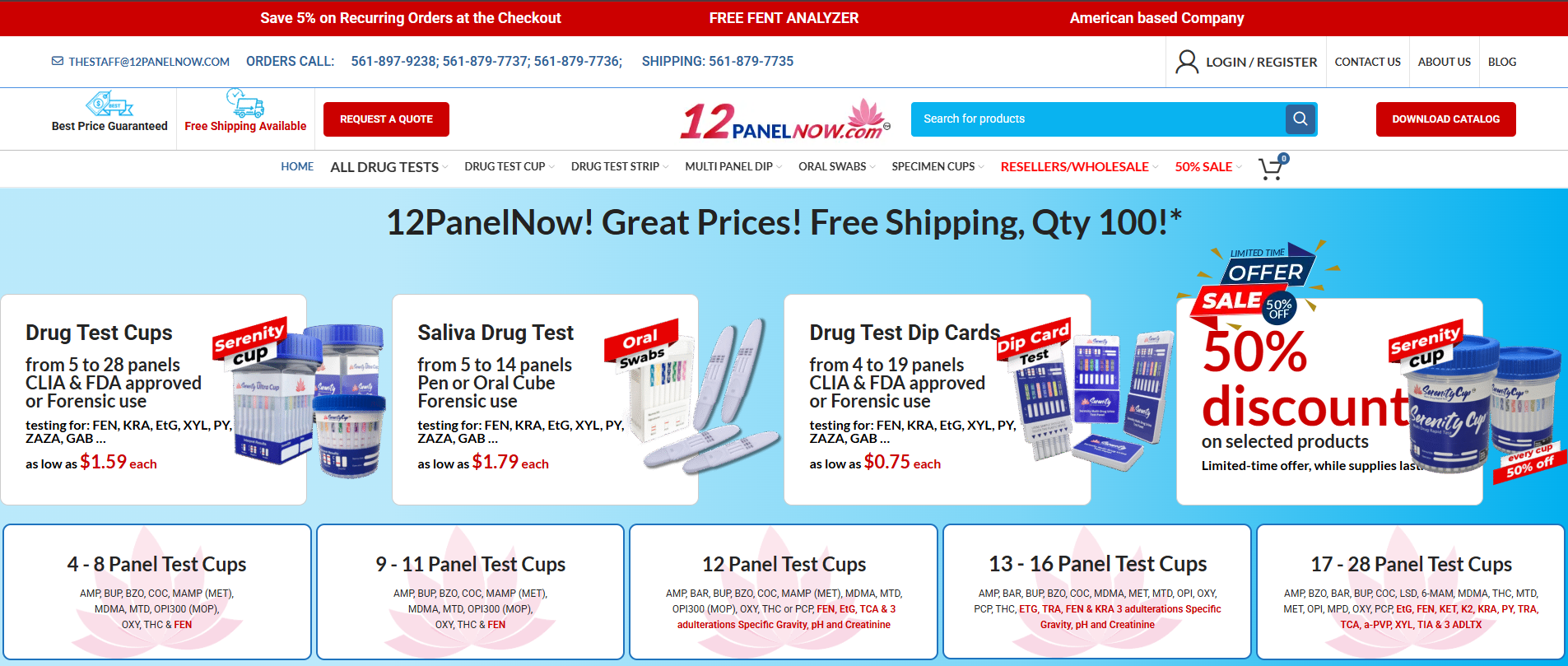
Explore our wide selection of premium drug testing supplies at 12 Panel Now to get solutions tailored for your specific needs. Don’t let unreliable materials or outdated kits jeopardize your testing accuracy. Visit our Drug Testing FAQs and Types of Laboratory Drug Screens to learn more about effective screening methods and expert recommendations. Act now to enhance the trustworthiness of your urine drug testing process with supplies you can count on.
Frequently Asked Questions
What substances can be detected by a urine drug test?
Urine drug tests can detect a wide range of substances including marijuana, cocaine, opiates, methamphetamine, amphetamines, benzodiazepines, and more. The specific substances identified depend on the testing panel used.
How does the urine drug testing process work?
The urine drug testing process typically involves collecting a urine sample, conducting an initial screening test to check for possible drug metabolites, and if needed, performing a confirmatory laboratory test for more accurate results.
What are the limitations of urine drug testing?
Some limitations of urine drug testing include the potential for false positive or negative results, variability in individual metabolism, and challenges related to privacy and compliance with legal standards.
How does urine testing compare to other drug testing methods?
Urine testing is the most common method due to its quick results and ability to detect multiple substances, but other methods like blood, hair, and saliva tests offer different detection windows and levels of invasiveness, each suitable for specific situations.
Recommended
- Drug Testing FAQs: Common Questions Answered – 12PanelNow | 12 Panel Drug Test | Free Shipping
- 7 Best Practices for Drug Testing Every Organization Should Know – 12PanelNow | 12 Panel Drug Test | Free Shipping
- Top 7 Drug Testing Supplies for Healthcare Facilities – 12PanelNow | 12 Panel Drug Test | Free Shipping
- Oral Swab vs Urine Tests: Which Is Better? – 12PanelNow | 12 Panel Drug Test | Free Shipping