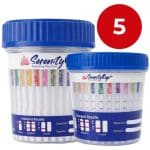
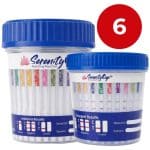
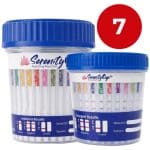
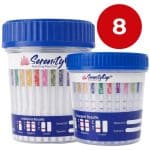
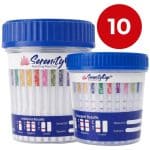
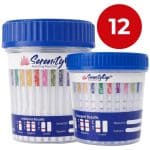
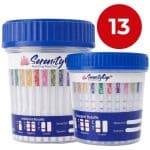
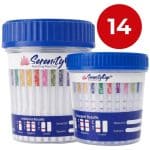
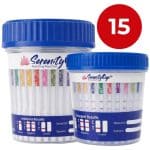
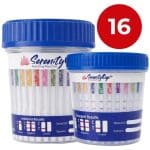
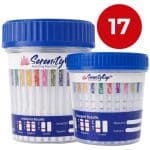
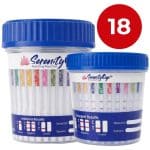
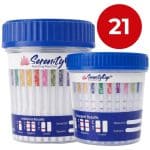
Worried About Novel Substances? Broaden Your Detection with Advanced 21-Panel Screening.


Drug trends do not stay still. New substances enter the market, older ones resurface in different forms, and many organizations are still trying to manage modern risks with outdated screening tools. If you handle workplace testing, clinical intake, rehabilitation monitoring, corrections, or program compliance, a limited panel can leave serious blind spots. That is why broader, more current screening matters.
At 12 Panel Now, we know the current testing landscape demands more than a basic panel. Traditional cups may detect common drugs of abuse, but they often miss substances now driving concern in real-world settings. From synthetic compounds and dissociatives to alcohol markers and specimen validity checks, broader detection can mean the difference between confidence and uncertainty. A 21-panel cup is not just a longer checklist. It is a practical response to how substance use has changed.
Why broader screening matters now
The biggest challenge in drug testing is not just volume. It is variety. Employers, treatment providers, and program administrators are seeing substances that were rarely included in older screening protocols. A standard panel may catch familiar drugs, but it can miss newer or less commonly screened compounds that still carry major safety, compliance, and health consequences.
That matters most in environments where impaired judgment, slower reaction time, or undisclosed substance use can lead to real harm. Workplace safety incidents, treatment setbacks, compliance violations, and delayed intervention often happen when testing programs are too narrow for the risks they are supposed to address. A broader panel helps close those gaps.
Interest in substances such as psilocybin, kratom, xylazine, K2/spice, ketamine, fentanyl, tramadol, and alcohol biomarkers has changed what many organizations need from a screening program. Testing should reflect current use patterns, not assumptions built around older drug trends. A more advanced cup provides that broader view without making collection more complicated.
What makes a 21-panel drug test cup a smart upgrade
A 21-panel cup streamlines broad detection into a single collection device. That means less hassle for staff, fewer steps during administration, and faster preliminary screening when time matters. Instead of piecing together multiple tests or accepting limited visibility, you get a fuller picture in one easy-to-use format.
For many buyers, the real value is balance. You want broad coverage, but you also need affordability, speed, and convenience. That is where an advanced all-in-one cup stands out. It supports consistent workflows while helping your program keep pace with changing substance patterns.
A well-designed 21-panel cup can be especially useful for:
- Workplace and pre-employment screening programs
- Random and post-accident testing
- Treatment and rehabilitation monitoring
- Corrections and probation settings
- Clinical intake and behavioral health environments
- School, community, and organizational compliance programs
When your testing needs go beyond the basics, broader screening supports better-informed decisions.
Looking beyond traditional panels
Many decision-makers still rely on familiar panel structures because they have been in place for years. But testing programs should change when the substance landscape changes. A broader cup helps organizations shift from reactive testing to more proactive screening.
Consider what happens when testing does not include emerging or specialty analytes. Someone may pass a standard screen while still using substances that affect behavior, cognition, or physical performance. In treatment and recovery settings, that can interfere with care planning and accountability. In workplaces, it can leave risks undiscovered until after an incident. In compliance programs, it can weaken confidence in the results.
Broad-spectrum testing helps address those blind spots by covering substances that routine panels often overlook.
Key analytes that reflect today’s concerns
One of the strongest advantages of an advanced 21-panel cup is the inclusion of analytes tied to current, real-world concerns.
Psilocybin
As psychedelic substances become more visible in mainstream conversations, psilocybin is getting more attention. Even as public interest grows, many organizations still need visibility into use when policy, compliance, or safety is on the line. Including psilocybin helps cover a category often left out of conventional cups.
Kratom (KRA)
Kratom occupies a unique place in the substance landscape. It is widely discussed, increasingly used, and not always included in basic drug screens. Depending on your setting, kratom screening may matter for monitoring adherence, identifying misuse patterns, or supporting policy enforcement.
Xylazine
Xylazine has become a growing concern in many communities. Its presence in the broader drug supply has raised awareness around the need for more comprehensive testing. Including xylazine can improve situational awareness in clinical, rehabilitation, and safety-sensitive environments.
K2 / Synthetic Cannabinoids
Synthetic cannabinoids remain a serious issue because their effects can be unpredictable and they may slip past simpler testing protocols. Screening for K2 strengthens your ability to detect substances associated with elevated behavioral and medical risk.
Tramadol (TRA)
Tramadol is not always captured in standard opioid testing, yet it can still be highly relevant in many monitoring programs. Adding tramadol improves visibility where prescription drug misuse or policy-sensitive medication monitoring is a concern.
Ketamine (KET)
Ketamine continues to come up in both recreational and clinical contexts, making it a useful addition for organizations that want a more current, wide-angle panel. In settings where cognitive impairment and behavioral effects matter, ketamine screening can offer valuable insight.
Fentanyl (FEN)
Few substances have raised more concern in recent years than fentanyl. Given its potency and public health impact, fentanyl screening has become essential for many programs. Broad panels that include fentanyl better align testing capabilities with one of today’s most urgent substance risks.
ETG
ETG testing extends visibility into alcohol consumption beyond immediate intoxication windows. For treatment programs, recovery monitoring, and abstinence-based environments, ETG can be an especially valuable part of a more complete screening approach.
Adulteration / Specimen Validity (ADLTX)
A test result is only useful if the specimen itself is credible. Adulteration and specimen validity checks add another layer of confidence by helping identify attempts to tamper with the sample. That strengthens the integrity of the entire testing process.

Convenience without compromising scope
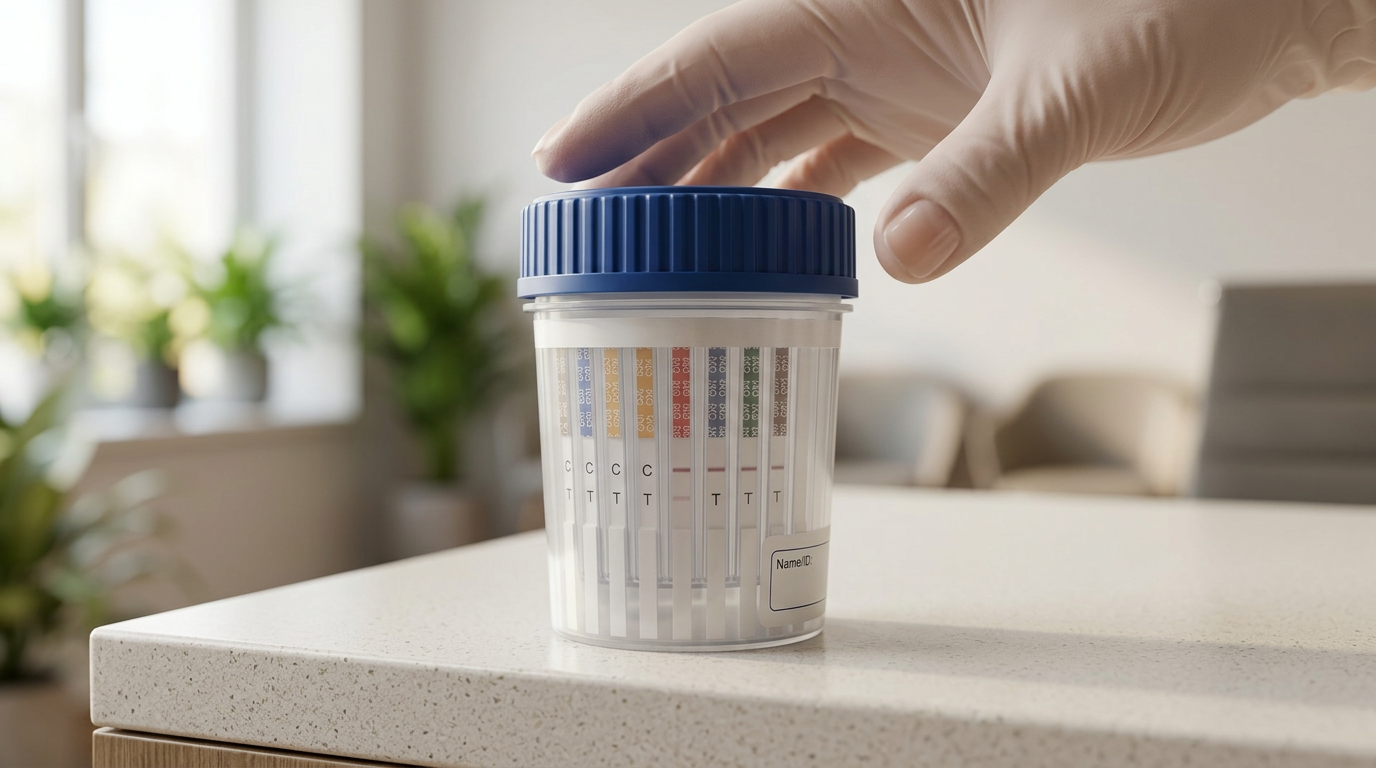
One reason buyers hesitate to expand testing is concern about complexity. More analytes can sound like more work. With the right cup format, it does not have to be. A single integrated device simplifies collection and screening while still broadening your coverage.
This is where product design matters. An all-in-one cup can reduce handling steps, support straightforward administration, and improve workflow consistency for staff. That is a major advantage in busy environments where time, clarity, and standardization matter.
At 12 Panel Now, we believe broader testing should be practical, not complicated. Organizations should not have to choose between modern relevance and operational efficiency.
Cost matters too
Advanced testing does not have to come with inflated pricing. Budget pressure is real for employers, clinics, treatment providers, and agencies of every size. If broader detection is priced out of reach, many programs stay stuck with outdated panels even when they know those panels no longer fit their needs.
That is why affordability is a real part of the value equation. A 21-panel cup offered at a low per-unit cost makes expanded screening more accessible, whether you are ordering for a small program or managing volume purchasing across a larger operation. When pricing and panel breadth line up, upgrading your screening program becomes much easier to justify.
Who benefits from advanced 21-panel screening?
The short answer is any organization that needs more confidence in what it is detecting.
Employers gain better visibility into a wider range of substances that could affect performance, safety, and liability. Treatment and recovery programs get more tools for monitoring abstinence, identifying relapse risks, and supporting accountability. Clinical settings gain useful substance context for intake and ongoing care decisions. Corrections and probation programs strengthen compliance oversight. Community organizations and schools may also benefit where policy and participant safety are priorities.
If your current panel leaves too many unanswered questions, broader screening may be the most practical next step.
Choosing a test that matches today’s reality
The best screening tool is not always the one with the most familiar name. It is the one that matches the actual substances of concern in your environment. Today, that often means moving beyond legacy panels and choosing a device built for a more complex drug landscape.
A 21-panel cup that includes psilocybin, kratom, xylazine, K2, tramadol, ketamine, fentanyl, ETG, and adulteration checks reflects a more forward-looking approach. It recognizes that modern screening requires adaptability, broader awareness, and operational simplicity.
At 12 Panel Now, we focus on giving customers access to testing solutions that are relevant, convenient, and competitively priced. Broad detection should not be hard to find, difficult to use, or too expensive to put in place.
Conclusion
If novel and emerging substances are a concern, now is the time to broaden your detection strategy with a screening solution built for current realities rather than yesterday’s assumptions. A wider panel can reduce blind spots, strengthen confidence in your program, and support better decisions across workplace, clinical, treatment, and compliance settings. For organizations ready to upgrade without overpaying, 21 Panel Drug Test Cup, Psilocybin, KRA, Xylazine, K2, TRA, KET, FEN, ETG & ADLTX, Low price $2.89 makes the choice simple.