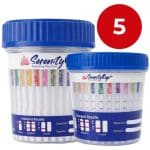
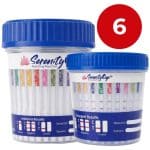
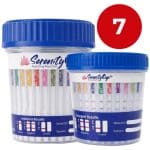
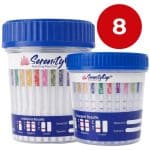
CLIA Waived Drug Test Cups |
FDA Cleared Rapid Drug Test Cups
FREE SHIPPING ON ORDERS OVER 100 PIECES!*
Find FDA-cleared CLIA Waived Drug Test Cups offering convenient
all-in-one urine drug screening.
CLIA Waived Drug Test Cup for Fast & Accurate Drug Testing
Reliable, lab-quality results with easy-to-use test kits.
350+ High-Demand SKUs
From everyday staples to specialty products:
- Multi-Dip Tests
- Drug Test Cups
- Oral Drug Test Swabs
- 60+ Drug Test Strips
- Cartridges COVID-19 Tests
- Gloves & PPE

220,000 Sq. Ft. Mega Warehouse

Same-Day Blind Drop Shipping

Lowest Wholesale Pricing. Highest Commissions. Period.

Private Label Available

Real-Time Partner Portal

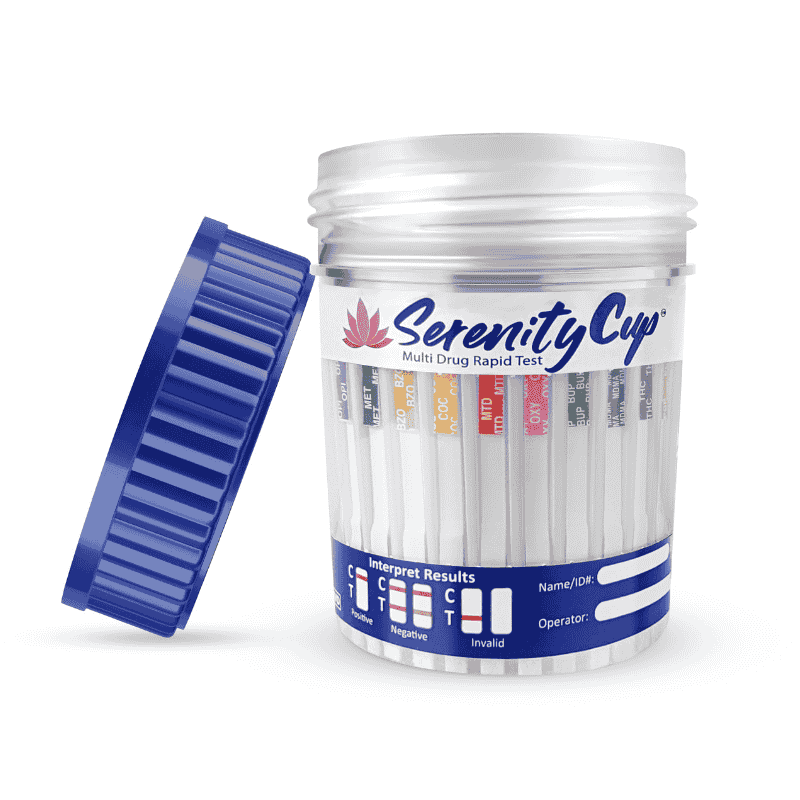
CLIA Waived 16 Panel Drug Test Cup, detects Fentanyl 1ng, PPX, TCA and TML FDA Approved – As low as $2.09
AMP, BAR, BUP, BZO, COC, MDMA, MET, MTD, OPI/MOR, OXY, PCP, PPX, TCA, THC, FEN 1ng/ml, TRACLIA WAIVEDAs low As$2.09 $2.09 - $3.29
15 Panel Drug Test Cup Detects Fentanyl, Nor Fentanyl & EDDP, CLIA Waived- Clearance! As low as $1.89
AMP, BAR, BUP, BZO, COC, FEN, MDMA, MET, MTD, NFEN, OPI/MOR, OXY, PCP, THC, EDDP, FEN 1ng/mlCLIA WAIVEDAs low As$1.89 $1.89 - $3.09
14 Panel Drug Test Cup detects Fentanyl, CLIA Waived with EDDP & TCA – Clearance! As low as $1.79
AMP, BAR, BUP, BZO, COC, FEN, MDMA, MET, MTD, OPI/MOR, OXY, TCA, THC, EDDP, FEN 1ng/mlCLIA WAIVEDAs low As$1.79 $1.79 - $2.99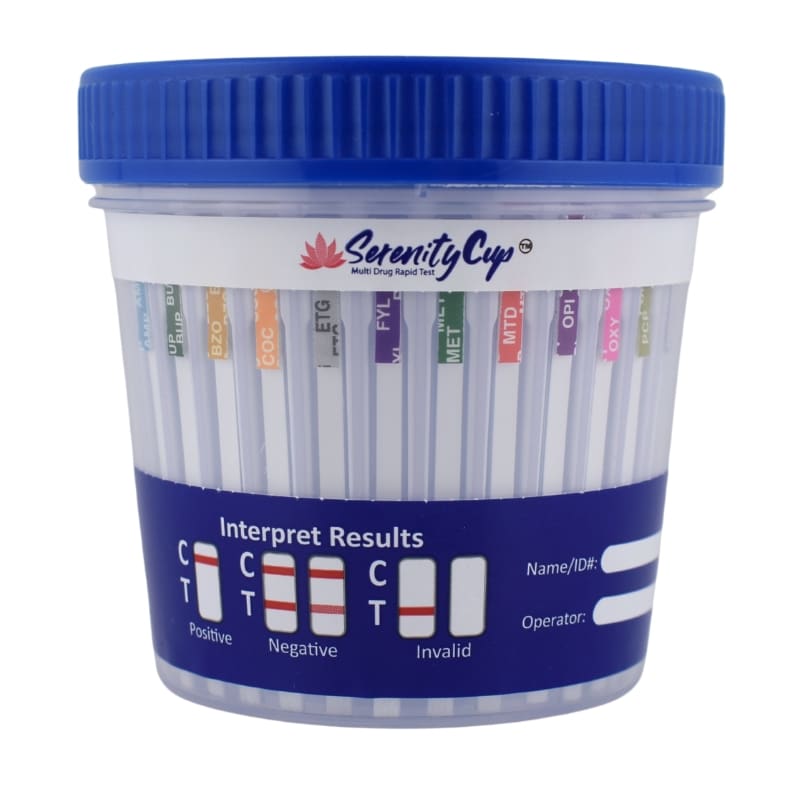
14 Panel Urine Drug Test Cup 90ML CLIA Waived & FDA Approved Detects PPX, OPI/2000, BUP, OXY, BZO, PCP, TCA & Adulterants, As low as $1.69
ADLTX, AMP, BAR, BUP, BZO, COC, MDMA, MET, MTD, OPI/MOR, OXY, PCP, PPX, TCA, THCCLIA WAIVEDAs low As$1.69 $1.69 - $2.89
13 Panel Drug Test Detects Fentanyl 1ng: CLIA Waived & FDA Approved, As Low as $1.79
AMP, BAR, BUP, BZO, COC, FEN, MDMA, MET, MTD, OPI/MOR, OXY, PCP, THC, FEN 1ng/mlCLIA WAIVEDAs low As$1.79 $1.79 - $2.99
12 Panel Drug Test Cup 90ml: CLIA Waived, FDA Approved, Blow out Sale!!! As Low As $1.29
AMP, BAR, BUP, BZO, COC, MDMA, MET, MTD, OPI/MOR, OXY, PCP, THCCLIA WAIVEDAs low As$1.29 $1.29 - $2.39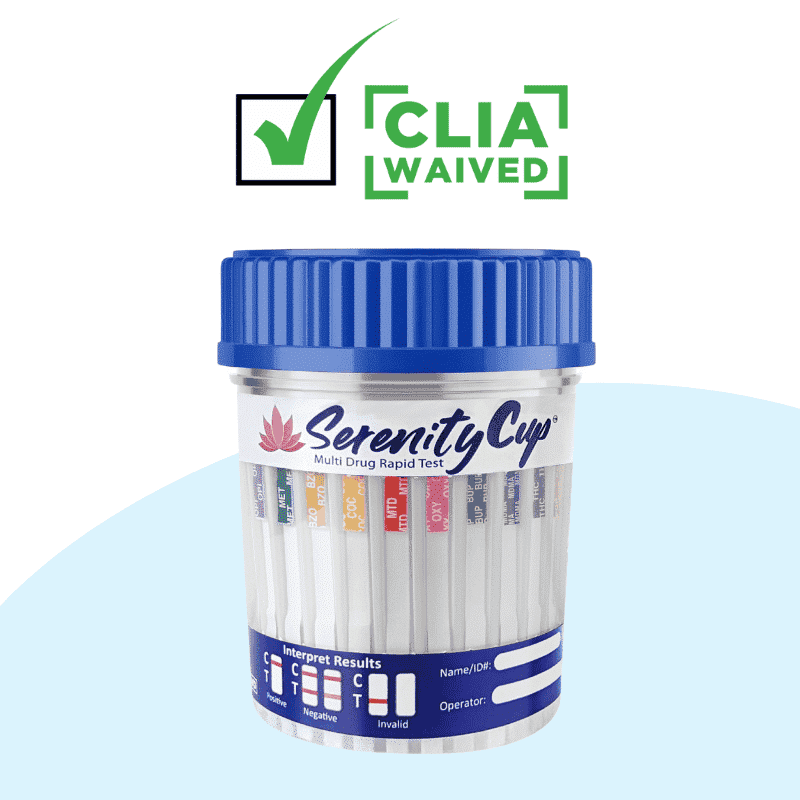
12 Panel Drug Test (120ml)Detects PCP, OXY, COC, METH, OPI & More CLIA Waived & FDA Approved, Serenity Click Cup, As low as $1.69
AMP, BAR, BUP, BZO, COC, MDMA, MET, MTD, OPI/MOR, OXY, PCP, THCCLIA WAIVEDAs low As$1.69 $1.69 - $2.79
12 Panel Drug Test Cup , TCA, CLIA Waived and FDA approved, As low as $1.69
AMP, BAR, BUP, BZO, COC, MDMA, MET, MTD, OPI/MOR, OXY, TCA, THCCLIA WAIVED, FDA ApprovedAs low As$1.69 $1.69 - $2.79
11 Panel CLIA Multi-Drug Urine Test Cup detecting OXY, MDMA, MOP, BZO, COC, PCP, BUP and More As low as $1.59
AMP, BAR, BUP, BZO, COC, MDMA, MET, MTD, OPI/MOR, OXY, PCPCLIA WAIVEDAs low As$1.59 $1.59 - $2.69
10 Panel CLIA Waived Multi-Drug Urine Test Cup 120ML detecting THC, OXY, BZO, BUP, COC, METH, MOP, MTD, MDMA, AMP, low as $1.49
AMP, BUP, BZO, COC, MDMA, MET, MTD, OPI/MOR, OXY, THCCLIA WAIVEDAs low As$1.49 $1.49 - $2.39
10 Panel Cup 90 ml
AMP, BUP, BZO, COC, MDMA, MET, MTD, OPI/MOR, OXY, THCCLIA WAIVEDAs low As$1.39 $1.39 - $2.39
10 Panel Drug Test Cups AMP, MET, THC, MTD, OPI, OXY
AMP, BUP, BZO, COC, MDMA, MET, MTD, OPI/MOR, OXY, THCCLIA WAIVED, FDA ApprovedAs low As$1.59 $1.59 - $2.49
10 Panel Cup 90 ml
AMP, BUP, BZO, COC, MDMA, MET, MTD, OPI/MOR, OXY, THCCLIA WAIVEDAs low As$1.39 $1.39 - $2.39
10 Panel Urine Test Cup with Kratom and Fentanyl- 90ml
BUP, BZO, COC, EtG, FEN, K2, KRA, MET, OPI/MOR, OXYForensic UseAs low As$1.49 $1.49 - $2.39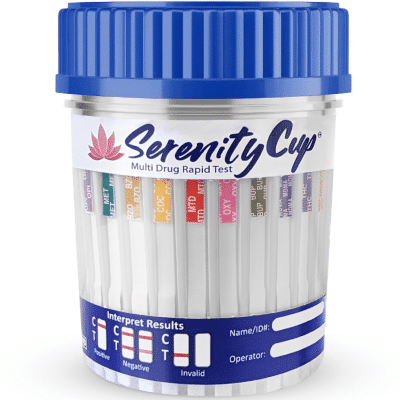
10 Panel Drug Screen, FEN/20, AMP/1000, OPI/300, MET/1000, BZO/300, COC/300, MTD/300, OXY/100, BUP/10, THC/50
AMP, BUP, BZO, COC, FEN, MET, MTD, OPI/MOR, OXY, THCForensic UseAs low As$1.59 $1.59 - $2.49
10 Panel Multi-Drug Urine Test Cup, Alcohol (ETG) and Fentanyl, As low as $1.49
AMP, BUP, BZO, COC, EtG, FEN, MET, OPI/MOR, PCP, THCForensic UseAs low As$1.49 $1.49 - $2.39
90ML Urine Test Cup 10 Panel with ETG, K2, KRA & OPI/300
BUP, BZO, COC, EtG, K2, KRA, MET, OPI/MOR, OXY, THCForensic UseAs low As$ 0.99 $0.99 - $1.99CLIA Waived Drug Test Cups
FDA approved and CLIA Waived drug test cups from $0.99 per cup, available in configurations from 5-panel through 15-panel, covering every clinical testing need from basic DOT-compliant screening to comprehensive fourteen-substance panels with integrated Fentanyl and EDDP detection.
CLIA Waived classification authorizes these devices for use in physician offices, urgent care centers, addiction treatment clinics, occupational medicine departments, and any setting operating under the Clinical Laboratory Improvement Amendments where minimally trained operators administer tests at the point of care without laboratory certification.
Searching for CLIA waived drug test cups near me? 12 Panel Now ships same-day wholesale before 3:00 PM EST anywhere in the US with free shipping on qualifying bulk orders. As the manufacturer of the Serenity brand drug testing product line, 12 Panel Now produces all CLIA Waived drug test cups to the FDA 510(k) clearance standards that authorize their clinical use.
| Panel | Full Substance Panel | CLIA SKU | From |
|---|---|---|---|
| 5 Panel CLIA | AMP / COC / OPI / PCP / THC | SM-CDOA-5105FUO | $0.99 |
| 6 Panel CLIA | AMP / BUP / BZO / COC / OPI / OXY | SM-CDOA-6106CLIA | $1.29 |
| 8 Panel CLIA | AMP / BUP / BZO / COC / MET / OPI / OXY / THC | SM-CDOA-8108CLIA | $1.69 |
| 10 Panel CLIA | AMP / BUP / BZO / COC / MDMA / MET / MTD / OPI / OXY / THC | SM-CDOA-10110CLIA | $1.69 |
| 12 Panel CLIA | + BAR / TCA or ETG / FEN configs | SM-CDOA-12112CLIA | $1.59 |
| 13 Panel CLIA with FEN | + FEN / NFYL / EDDP configs | SM-CDOA-4135CLIA | $1.59 |
| 14 Panel CLIA with FEN + EDDP | + EDDP / FEN or ETG / FEN | SM-CDOA varies | $1.79 |
| 15 Panel CLIA with FEN | AMP/BAR/BUP/BZO/COC/FEN/MDMA/MET/MTD/OPI/OXY/PCP/TCA/THC + FEN variant | SM-CDOA-9155CLIA | $1.59 |
Browse all CLIA Waived drug test cup configurations |
Full CLIA Waived drug test product range
What Are CLIA Waived Drug Test Cups?
What is CLIA waived drug test cup? CLIA Waived drug test cups are urine drug screening devices that have received a waived classification under the Clinical Laboratory Improvement Amendments (CLIA) through an FDA 510(k) clearance process, legally authorizing their use in any clinical setting by minimally trained operators for point-of-care drug screening without the requirement for laboratory certification, trained laboratory staff, or a CLIA certificate other than a Certificate of Waiver.
The CLIA system, administered jointly by the FDA, Centers for Medicare and Medicaid Services (CMS), and the CDC, classifies laboratory tests by complexity and operator risk. Waived tests are the least complex category, defined as tests that are simple to perform, have a negligible risk of producing incorrect results when performed incorrectly, and pose no unreasonable risk of harm to the patient.
The 12 Panel Now Serenity Drug Test Cups that carry CLIA Waived classification satisfy all three criteria: they require no sample preparation, no reagent mixing, no calibration, and produce results through direct visual reading of band presence or absence. A clinical facility using CLIA Waived cups must obtain a Certificate of Waiver from CMS, which requires only a simple application and a biennial fee, rather than the full laboratory certificate required for higher-complexity tests.
As the manufacturer of the Serenity brand drug testing product line, 12 Panel Now produces all CLIA Waived drug test cups to the FDA 510(k) clearance standards that authorize their clinical classification.
Which Clinical Settings Are Required to Use CLIA Waived Drug Test Cups?
Any healthcare setting that performs drug testing as part of patient care, clinical decision-making, or billable medical services is required by CLIA to use only CLIA Waived devices unless the setting holds a higher-level CLIA certificate.
This includes: physician offices of all specialties that screen patients for substance use; urgent care centers and emergency departments conducting point-of-care toxicology screening; addiction treatment programs including methadone clinics, buprenorphine programs, and inpatient detox facilities; hospital-based and free-standing occupational medicine clinics; pain management clinics performing urine drug monitoring; and federally qualified health centers and community health programs.
Settings that use a Forensic Use Only cup in a clinical context where a CLIA Waived device is required are in violation of CLIA, and results from a FUO device used in a clinical setting cannot be billed under CPT codes, cannot be used for clinical documentation, and may expose the facility to regulatory liability. The CMS CLIA program guidance provides the complete regulatory framework for determining when a Certificate of Waiver is required and how to obtain one.
What Is the Difference Between CLIA Waived and Forensic Use Only Drug Test Cups?
The difference between CLIA waived vs Forensic Use Only drug test cups is regulatory not analytical: a CLIA Waived cup is specifically authorized for clinical use in patient care settings and carries FDA 510(k) clearance plus a waived classification under CLIA, while a Forensic Use Only (FUO) drug test cup is authorized for forensic, compliance, and non-clinical applications including employer testing, probation monitoring, drug courts, and correctional settings, but is not authorized for use in any setting where CLIA regulations apply.
Both classifications produce results at the same 99% accuracy and use the same lateral flow immunoassay technology at the same cutoff thresholds. The difference is entirely regulatory rather than analytical. A CLIA Waived cup can be used in any context, including forensic and compliance settings, because its CLIA Waived status does not restrict it to clinical use only.
A Forensic Use Only cup cannot be legally substituted for a CLIA Waived device in a clinical setting, even if the substance panel configuration is otherwise identical.
For programs that operate in both clinical and non-clinical contexts, the CLIA Waived cup format can serve both without requiring separate device inventories. The CLIA Waived verification guide at 12 Panel Now documents exactly how to confirm that a specific device carries a genuine CLIA Waived classification rather than a manufacturer claim not backed by FDA clearance.
How Do I Verify That a Drug Test Cup Is Genuinely CLIA Waived?
Genuine CLIA Waived status requires two things: an FDA 510(k) clearance number and a waived classification in the FDA database. The FDA maintains a publicly searchable database of all 510(k)-cleared devices at the FDA 510(k) Premarket Notification database. Any Serenity Drug Test Cup carrying CLIA Waived designation has a 510(k) clearance number printed on the product packaging and included in the product insert.
Searching that clearance number in the FDA database should return a device record showing “Waived” under the CLIA complexity field. The CDC also maintains the waived tests list as an independent reference. Programs should verify the CLIA Waived claim in one of these two official databases before deploying cups in a clinical setting to avoid the regulatory and liability risks of using a FUO device where a CLIA Waived device is required.
The complete CLIA verification guide at 12 Panel Now walks through this database lookup step by step.
Does CLIA Waived Mean FDA Approved? Understanding the Two Classifications
CLIA Waived and FDA Approved are two separate regulatory designations that can both apply to the same device: CLIA Waived refers to the device’s clinical laboratory complexity classification under the Clinical Laboratory Improvement Amendments administered by CMS and the CDC, while FDA approved drug test cups carry FDA 510(k) clearance, commonly called FDA Approved in commercial contexts, which is the FDA’s determination that the device is substantially equivalent in safety and effectiveness to a legally marketed device.
A device can be FDA 510(k) cleared without being CLIA Waived, and in some cases a CLIA Waived device receives its classification without a separate 510(k) clearance if it meets the waived criteria by other pathways. For the Serenity Drug Test Cups at 12 Panel Now, the CLIA Waived configurations carry both FDA 510(k) clearance and CLIA Waived classification, meaning they satisfy both regulatory designations simultaneously.
While FDA focuses on the safety and effectiveness of the device design, as explained in the FDA 510(k) premarket notification guidance, CLIA focuses on the complexity and operator error risk of the test in clinical use. The CMS CLIA regulatory guidance confirms that waived tests must be simple enough that following the manufacturer’s instructions correctly poses minimal risk to the patient. Both designations must be confirmed when purchasing a drug test cup for clinical use.
Who Can Administer a CLIA Waived Drug Test Cup?
Who can administer CLIA waived drug test cups? Any operator who has read and can follow the manufacturer’s instructions for use may administer a CLIA Waived drug test cup in a Certificate of Waiver facility, with no minimum training credential requirement, no required proficiency testing, and no required laboratory director oversight beyond basic compliance with the Certificate of Waiver facility’s quality assurance protocol.
This is the defining regulatory advantage of CLIA Waived classification. A medical assistant, front desk staff member, clinical coordinator, or any other staff member in a physician office or treatment clinic can administer a CLIA Waived cup after being trained to follow the product insert instructions, without holding any laboratory credential.
The CMS CLIA Certificate of Waiver requirements state that the facility must use the test according to the manufacturer’s instructions and follow any quality control procedures the manufacturer specifies. They do not require formal proficiency testing, external quality assessment participation, or laboratory staff certification for waived testing.
For settings uncertain whether their collection or reading protocol meets the manufacturer’s instructions for use, the 12 Panel Now clinical support team is available at 561-897-9238 to review protocols.
What CLIA Waived Drug Test Cup Configurations Are Available?
12 Panel Now offers CLIA Waived drug test cups in configurations from 5-panel through 15-panel, with Fentanyl integrated as a standard CLIA Waived strip from the 13-panel configuration onward, meeting the post-July 2025 HHS fentanyl authorization standard in a clinical format authorized for physician office and treatment clinic use.
The 5-panel CLIA Waived cup at $0.99 covers the DOT-standard five substances in the format appropriate for occupational medicine settings conducting regulated employer testing. The 10-panel CLIA Waived cup at $1.69 covers the full standard ten-substance baseline for clinical settings needing comprehensive initial screening without specialty analytes.
The 13 panel CLIA waived cup (SM-CDOA-4135CLIA) from $1.59 is the minimum CLIA Waived configuration meeting the post-July 2025 HHS fentanyl mandate as specified in the HHS Federal Register notice of January 2025.
The 14 panel CLIA waived cup with EDDP and FEN from $1.79 adds methadone metabolite verification alongside fentanyl for methadone treatment programs needing point-of-care compliance verification.
The 15-panel CLIA Waived cup (SM-CDOA-9155CLIA) from $1.59 extends fentanyl-integrated baseline to fifteen substances for programs needing the broadest available CLIA Waived cup coverage in a single device.
Which CLIA Waived Cup Is Right for Methadone and Buprenorphine Programs?
For methadone treatment programs, the 14-panel CLIA Waived cup with EDDP and FEN is the most analytically appropriate configuration because it simultaneously detects methadone (MTD) and its primary urinary metabolite EDDP alongside fentanyl and the standard opioid baseline.
An MTD-positive/EDDP-negative result is physiologically inconsistent with genuine methadone ingestion and suggests specimen adulteration, as documented for the 14-panel dip card, providing a CLIA Waived point-of-care compliance verification tool that was previously only available from laboratory confirmation.
For buprenorphine treatment programs, the 13-panel or 15-panel CLIA Waived cups with FEN are appropriate because they confirm BUP compliance at 10 ng/mL while simultaneously screening for fentanyl co-use. Contact the 12 Panel Now clinical accounts team at 561-897-9238 to determine which CLIA Waived configuration best matches your specific MAT program’s monitoring protocol.
Can a CLIA Waived Drug Test Cup Be Used for Workplace Drug Testing?
Yes, a CLIA Waived drug test cup can be used in any workplace drug testing context, including DOT-regulated employer programs, non-DOT employer programs, and post-incident or reasonable-suspicion employer testing, because CLIA Waived status does not restrict a device to clinical use only but instead authorizes it for the broadest possible range of applications.
CLIA Waived cups are not restricted to clinical settings. Their CLIA Waived designation is a ceiling, not a floor: it means the device is cleared for the most demanding regulated context (clinical patient care) while remaining fully authorized for all other contexts.
The OSHA Drug-Free Workplace guidelines do not require CLIA Waived devices for non-clinical employer testing, but selecting CLIA Waived cups provides additional assurance of regulatory compliance that some employers and their legal counsel prefer as a conservative standard.
For DOT-regulated employers, the 5-panel CLIA Waived cup covers the standard DOT substance panel and can be used for the required pre-employment, random, and post-accident screening protocols.
Does the CLIA Waived Fentanyl Drug Test Cup Meet the Post-July 2025 HHS Standard?
Yes. The CLIA waived fentanyl drug test configurations — including the 13-panel, 14-panel, and 15-panel CLIA Waived cups with FEN at 20 ng/mL — meet the post-July 2025 HHS federal standard requiring fentanyl detection capability in authorized testing panels.
The HHS Federal Register mandate of January 2025 effective July 7, 2025 authorizes fentanyl as a standard testing analyte on federal workplace drug testing panels.
For clinical programs using CLIA Waived cups and needing to demonstrate compliance with this authorization, the 13-panel CLIA Waived cup (SM-CDOA-4135CLIA) from $1.59 is the most cost-efficient single configuration that integrates FEN alongside the standard twelve-substance baseline in a CLIA Waived format authorized for clinical settings.
According to the Quest Diagnostics 2025 Drug Testing Index, fentanyl positivity in random workplace testing reached 1.13% in 2024, reinforcing the clinical significance of integrating FEN detection into the standard CLIA Waived cup configuration.
Who Uses CLIA Waived Drug Test Cups?
CLIA Waived drug test cups are used by physician offices of all specialties conducting point-of-care substance screening, pain management clinics monitoring opioid prescribing compliance, addiction treatment programs including methadone clinics and buprenorphine practices, hospital-based and free-standing occupational medicine departments, urgent care centers conducting employment and clinical toxicology screening, federally qualified health centers, and any clinical program that bills drug screening under CPT codes and requires CLIA Waived devices for regulatory compliance.
Pain management clinics are the highest-volume single buyer category for CLIA Waived cups because pain management monitoring is an explicitly clinical function requiring CLIA Waived devices, and the 13 through 15 panel configurations with FEN align with pain management’s substance monitoring requirements.
Methadone clinics and buprenorphine programs use CLIA Waived cups because their point-of-care testing is a clinical diagnostic function subject to CLIA requirements.
Occupational medicine departments use the 5-panel and 10-panel CLIA Waived configurations for employer-sponsored testing where the clinical setting’s billing and documentation requirements mandate CLIA Waived device classification.
What Is the Certificate of Waiver Requirement for Using CLIA Waived Cups?
A healthcare facility that uses CLIA Waived devices for patient care must hold a Certificate of Waiver issued by CMS. Obtaining a Certificate of Waiver requires submitting CMS Form 116 to the state CLIA program office along with a biennial fee.
The Certificate of Waiver does not require laboratory director oversight, proficiency testing enrollment, or inspection visits beyond the initial issuance.
Once the Certificate of Waiver is in place, the facility may perform any device that carries CLIA Waived classification according to the manufacturer’s instructions. Most physician offices, urgent care centers, and treatment clinics that bill Medicare or Medicaid already hold a Certificate of Waiver for other waived tests and do not need to apply specifically for drug test cups.
Facilities that do not yet hold a Certificate of Waiver and plan to add point-of-care drug testing should apply to CMS before deploying CLIA Waived cups in their clinical workflow. The complete guidance on Certificate of Waiver applications and requirements is available at the CMS CLIA program page.
How Do You Read a Drug Test Cup Result?
Drug test cup results are read through the photocopy-compatible result window on the exterior of the cup body, which shows the control (C) and test (T) bands for each analyte strip simultaneously at 5 minutes after specimen collection.
For each analyte strip in the result window, two bands (C and T both visible) indicates a negative result. One band in the C region only with no T band visible indicates a presumptive positive result for that substance.
No band in the C region indicates an invalid test requiring a fresh specimen and new cup. Results should be read no earlier than 5 minutes and no later than 10 minutes after specimen introduction. The result window is designed to be photographed or photocopied for documentation without opening the cup, maintaining chain-of-custody integrity.
All presumptive positive results on any strip must be confirmed by GC-MS or LC-MS/MS certified laboratory testing before any employment, clinical, or legal action is taken, consistent with SAMHSA confirmation requirements for rapid immunoassay screening results.
Drug Test Cup vs Dip Card: Which Testing Format Is Right for Your Program?
The drug test cup and the drug test dip card detect identical substances at equivalent immunoassay accuracy, but the cup format integrates specimen collection, immunoassay testing, temperature validity checking, and result documentation in a single self-contained device, while the dip card format requires a separate collection container and a manual dip step that makes it lower-cost per test but operationally distinct from the cup.
The right choice between a drug test cup vs dip card is determined by four factors: chain-of-custody requirements, specimen validity documentation, monitoring frequency, and per-test budget.
For settings where the donor provides the specimen in a private restroom and passes the cup to a staff member who reads the results through the sealed window, the cup’s no-drip click-top lid, integrated temperature strip, and photocopy-compatible result window provide the chain-of-custody features that a dip card protocol cannot replicate without adding a separate specimen cup and temperature strip.
For high-frequency monitoring programs, such as sober living homes or residential treatment centers conducting daily testing where observed collection is standard and chain-of-custody documentation is not required for each test, the dip card’s lower per-test price provides meaningful cost savings without sacrificing substance coverage.
When Is a Drug Test Cup Required Instead of a Dip Card?
A drug test cup is required rather than optional in four specific contexts. First, when chain-of-custody documentation is required for legal proceedings, probation violations, or employer termination actions, the cup’s sealed design with integrated result window supports a more defensible documentation protocol.
Second, when the collection environment does not allow for direct staff observation of the dip step, the cup format ensures the specimen contacts only the integrated immunoassay strips inside the sealed device.
Third, when temperature verification at point of collection is a program requirement, the cup’s exterior temperature strip provides an immediate physiological range indicator that requires no additional equipment.
Fourth, for probation programs, drug court programs, and employer drug testing programs using the results for consequential decisions, the cup’s tamper-evident sealed design provides a higher standard of specimen integrity protection than a dip card protocol.
What Does the Temperature Strip on a Drug Test Cup Detect?
The built-in drug test cup temperature strip is a liquid crystal thermometer bonded to the exterior of the cup body that reads the temperature of the urine specimen in the 90 to 100 degrees Fahrenheit range for approximately 4 minutes after voiding, providing a point-of-collection specimen validity indicator that identifies cold specimens suggesting the sample is not freshly voided human urine or specimens outside the physiological temperature range that should prompt immediate re-collection.
Fresh human urine exits the body at core body temperature of 98.6 degrees Fahrenheit and cools to a reading in the 94 to 100 degree range on the temperature strip within 2 to 4 minutes of voiding.
A specimen below 90 degrees Fahrenheit has either been voided more than 4 minutes prior to temperature reading, suggesting delayed transfer from a pre-collected container, or has been substituted with water, synthetic urine, or a non-urine fluid.
The SAMHSA Mandatory Guidelines for Federal Workplace Drug Testing Programs specify that urine specimens must be collected in the 90 to 100 degree Fahrenheit temperature range, and specimens outside this range must be treated as potentially invalid and require immediate re-collection under direct observation. The temperature strip on every Serenity Drug Test Cup is calibrated to these SAMHSA temperature validity parameters.
Does the Click-Top Lid on a Drug Test Cup Prevent Specimen Adulteration?
The no-drip click-top lid on the Serenity Drug Test Cup snaps sealed immediately after the donor closes it, preventing the introduction of adulterant substances into the specimen after collection and before result reading. The sealed lid design also prevents spillage during transport from the restroom to the reading station, eliminating the most common cause of specimen contamination in cup-format drug testing.
In programs using the cup format with a modified observed collection protocol, the click-top design allows the donor to close the cup privately and pass it to the staff member with the collection sealed, maintaining dignity while preserving sample integrity.
For programs requiring adulterant strip verification beyond temperature checking, 12 Panel Now offers cup configurations with integrated ADLTX (Specific Gravity, pH, and Creatinine) strips as standard features on the 18-panel and higher cup formats.
The 18-panel format combines the no-drip lid and temperature strip integrity features with built-in specimen validity checking for the most complete point-of-collection anti-adulteration protocol available in a single cup device.
What Drug Test Cup Panel Counts Are Available at 12 Panel Now?
12 Panel Now carries drug test cups from 5-panel through 28-panel, covering every standard and specialty configuration available in the US market, with over 8 million cups in stock at all times across all panel configurations and no backorders on any format.
The 5 panel drug test cup covers the standard DOT-mandated substances (AMP, COC, OPI, PCP, THC) in a CLIA Waived format from $0.99, making it the most cost-efficient compliant option for regulated employer programs and basic clinical screening.
The 12 panel drug test cup at $1.59 covers the full standard twelve-substance baseline and is the most commonly ordered configuration for general clinical, compliance, and workplace programs.
The 13-panel cup with Fentanyl from $1.59 is the minimum configuration meeting the post-July 2025 HHS fentanyl authorization mandate in a cup format, as specified in the HHS Federal Register notice of January 2025.
The 16 through 28 panel cups serve programs with comprehensive emerging-substance monitoring needs including Kratom, Gabapentin, Tramadol, Ketamine, Xylazine, Tianeptine, Delta-8 THC, and LSD. The complete panel-by-panel cup product catalog is available at the Drug Test Cups category page at 12 Panel Now.
What Is the 120mL Capacity of a Drug Test Cup For?
The 120mL specimen capacity of the Serenity Drug Test Cup is the minimum volume required to simultaneously fill all integrated immunoassay strips to their required contact height and provide a residual specimen volume for potential confirmatory laboratory testing if any strip produces a presumptive positive result. The integrated strips require a minimum of 30 to 45mL to wick properly across all analyte zones.
The remaining capacity provides a surplus volume that can be transferred to a separate specimen container for laboratory confirmation via GC-MS or LC-MS/MS if a presumptive positive is identified, without requiring a separate collection step. The SAMHSA Mandatory Guidelines specify minimum specimen volume requirements for confirmatory testing that are met by the 120mL Serenity cup capacity.
Who Uses Drug Test Cups and Which Settings Prefer Cups Over Dip Cards?
Drug test cups are used by employers, clinical programs, probation departments, drug courts, correctional facilities, pain management clinics, treatment centers, and occupational medicine departments where the self-contained sealed design, built-in temperature strip, and chain-of-custody-compatible result window provide features that a dip card protocol cannot replicate without additional equipment.
Employer drug testing programs and DOT-regulated employers use the 5-panel or 10-panel cups for pre-employment and random testing because the cup format supports documented chain-of-custody protocols without requiring staff to directly observe the dip step.
Pain management clinics and methadone treatment programs use the 12 through 15 panel CLIA Waived cups because the sealed format meets CLIA specimen handling standards while the CLIA Waived classification permits clinical administration by non-laboratory staff.
Probation offices and drug courts use the cup format because the sealed result window produces a specimen-result package that is more defensible in legal proceedings. Correctional facilities use the 16 through 28 panel cups for the broadest emerging-substance coverage in a single sealed device.
Are Drug Test Cups Accurate and What Is Their Detection Threshold?
Serenity Drug Test Cups deliver 99% accuracy across all immunoassay strips when administered according to the product insert instructions. Each strip is calibrated to the same cutoff thresholds used in SAMHSA-certified laboratory immunoassay screening.
The most sensitive analyte across most cup configurations is BUP (Buprenorphine) at 10 ng/mL, followed by FEN (Fentanyl) at 20 ng/mL in configurations where those strips are included.
Both require the cup to be maintained between 36 and 86 degrees Fahrenheit from storage through use to maintain antibody performance at the rated cutoff threshold. The CDC waived test classification guidance confirms that waived devices are validated at the same analytical performance thresholds as non-waived devices of the same design, meaning CLIA Waived cup configurations at 12 Panel Now meet the same accuracy standard as the FUO formats at equivalent panel counts.
What Is the Difference Between CLIA Waived and Forensic Use Only Drug Test Cups?
CLIA Waived drug test cups carry FDA 510(k) clearance and a waived classification under the Clinical Laboratory Improvement Amendments, meaning they are legally authorized for use in clinical settings by minimally trained operators, while Forensic Use Only cups are validated for forensic, compliance, and non-clinical applications and are not authorized for use in clinical diagnosis or patient care settings.
Both classifications produce results at the same 99% accuracy using the same lateral flow immunoassay technology at the same cutoff thresholds. The difference is entirely regulatory: it determines where the cup can legally be used and by whom.
The complete guide to verifying CLIA Waived status before purchasing for clinical use is available at the CLIA Waived verification guide at 12 Panel Now. The full CLIA Waived drug test cup collection is available at the CLIA Waived Drug Test Cups collection page.
Buying CLIA Waived Drug Test Cups in Bulk
At 12 Panel Now, CLIA waived drug test cups bulk and CLIA waived drug test cups wholesale pricing starts from $0.99 per cup for the 5-panel CLIA Waived format, with same-day shipping before 3:00 PM EST and free shipping on orders of 100 cups or more.
All CLIA Waived configurations include the product insert with complete instructions for use, FDA 510(k) clearance number for regulatory documentation, and lot number and expiration date for quality assurance records.
Each cup is individually sealed with an 18 to 24 month shelf life. Store between 36 and 86 degrees Fahrenheit away from direct sunlight and humidity. As the US-based manufacturer of the Serenity brand drug testing product line, 12 Panel Now maintains full stock of all CLIA Waived configurations with no backorders.
Send a competitor rate sheet and 12 Panel Now beats it by 10% guaranteed. OEM, private label, and custom CLIA Waived cup configurations are available for qualified clinical accounts.
Contact the clinical accounts team at 561-897-9238 or [email protected].
CLIA Waived Drug Test Cups at 12 Panel Now (Serenity Drug Test / Slash Medical), 801 N Congress Ave, Suite 101, Boynton Beach FL 33426. Manufacturer of the Serenity brand drug testing product line.
CLIA Waived configurations: 5-panel through 15-panel. Key products: 5-panel CLIA from $0.99; 10-panel CLIA from $1.69; 13-panel CLIA with FEN (SM-CDOA-4135CLIA) from $1.59; 14-panel CLIA with EDDP+FEN from $1.79; 15-panel CLIA (SM-CDOA-9155CLIA) from $1.59.
Regulatory references: CMS CLIA regulatory guidance and Certificate of Waiver requirements. CDC CLIA waived test list. FDA 510(k) premarket notification guidance. FDA 510(k) premarket notification database. HHS fentanyl authorization effective July 7, 2025. Quest Diagnostics 2025 Drug Testing Index. SAMHSA Mandatory Guidelines 2025. OSHA Drug-Free Workplace guidelines.
Professional CLIA Waived Drug Test Cups with Instant Results
A CLIA Waived Drug Test Cups is a reliable and comprehensive urine drug screening solution designed to detect ten commonly abused substances in a single, easy-to-use test. These CLIA Waived Drug Test Cups are widely used in workplaces, healthcare facilities, rehabilitation centers, and forensic testing environments for fast, accurate, and convenient drug screening.
With a broader detection range than lower-panel tests, 10 panel drug test cups are ideal for routine workplace testing, compliance programs, clinical monitoring, and forensic applications. Their all-in-one design minimizes handling while delivering rapid and dependable results, making them an efficient choice for high-volume screening environments.
FAQS
1. How long do CLIA Waived drug test cups remain accurate before expiration?
Most CLIA Waived drug test cups have a shelf life of 18 to 24 months when stored according to the manufacturer’s instructions. Always check the expiration date printed on the packaging and avoid using expired tests, as reagent performance may decline and affect result reliability.
3. What factors can cause an invalid result on a CLIA Waived drug test cup?
Invalid results may occur if the control line does not appear, the test is used incorrectly, the device is damaged, or the specimen volume is insufficient. Improper storage conditions and expired products can also contribute to invalid outcomes.
5. How should CLIA Waived drug test cups be stored to maintain testing accuracy?
Drug test cups should be stored in a clean, dry environment within the temperature range specified by the manufacturer. Exposure to excessive heat, freezing temperatures, humidity, or direct sunlight may affect test performance.
7. Can CLIA Waived drug test cups be used for random employee drug screening programs?
Yes. Many employers use CLIA Waived drug test cups for pre-employment, random, post-accident, and reasonable-suspicion testing programs. Their rapid results and easy administration make them a practical option for workplace screening.
9. How quickly can bulk orders of CLIA Waived drug test cups be shipped?
Shipping times vary by supplier and inventory availability, but many wholesale distributors offer same-day or next-business-day processing for in-stock products. Bulk purchasing can also qualify for expedited shipping and reduced per-unit costs.
2. Can CLIA Waived drug test cups detect synthetic opioids beyond fentanyl?
Some advanced panel configurations can screen for fentanyl and other specialized analytes depending on the test design. Facilities requiring broader synthetic opioid monitoring should review the specific substance panel included in each cup before purchasing.
4. Are CLIA Waived drug test cups suitable for mobile testing and on-site screening programs?
Yes. Their all-in-one collection and testing design makes them ideal for workplace testing, occupational health programs, community outreach services, and other locations where immediate results are needed without laboratory equipment.
6. What substances are commonly included in a 10-panel versus a 15-panel drug test cup?
A standard 10-panel cup typically screens for commonly abused drugs such as amphetamines, cocaine, opiates, methadone, oxycodone, benzodiazepines, buprenorphine, THC, MDMA, and methamphetamine. A 15-panel configuration expands coverage to include additional substances such as fentanyl, barbiturates, PCP, tricyclic antidepressants, or other specialty analytes.
8. What is the benefit of choosing a drug test cup with integrated adulteration testing strips?
Integrated adulteration strips help identify abnormal urine characteristics that may indicate sample tampering. Parameters such as creatinine, pH, and specific gravity provide additional specimen validity information and can strengthen testing integrity.
10. How do I choose the right panel configuration for my clinic, treatment center, or workplace testing program?
The ideal panel depends on your testing objectives, regulatory requirements, and substances of concern. Basic workplace programs may only need a 5-panel or 10-panel cup, while addiction treatment centers, pain management clinics, and specialized monitoring programs often benefit from expanded panels that include fentanyl, EDDP, or other targeted analytes.