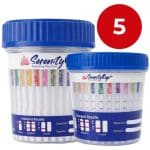
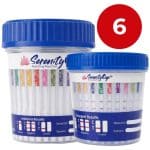
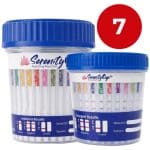
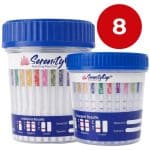
Adulteration Panel Checklist for Multi-Panel Drug Test Cups

Buyer’s Guide: How to Choose Multi-Panel Drug Test Cups with Adulteration Testing
Multi-panel drug test cups look straightforward, but the result only holds up if the specimen does. That’s why buyers ask about adulteration panels. A solid adulteration panel helps flag tampering, dilution, or urine that looks “too perfect.” Use this checklist to choose the right cup before you buy, then read the integrity markers quickly and consistently after you test.

What an adulteration panel does (and what it does not do)
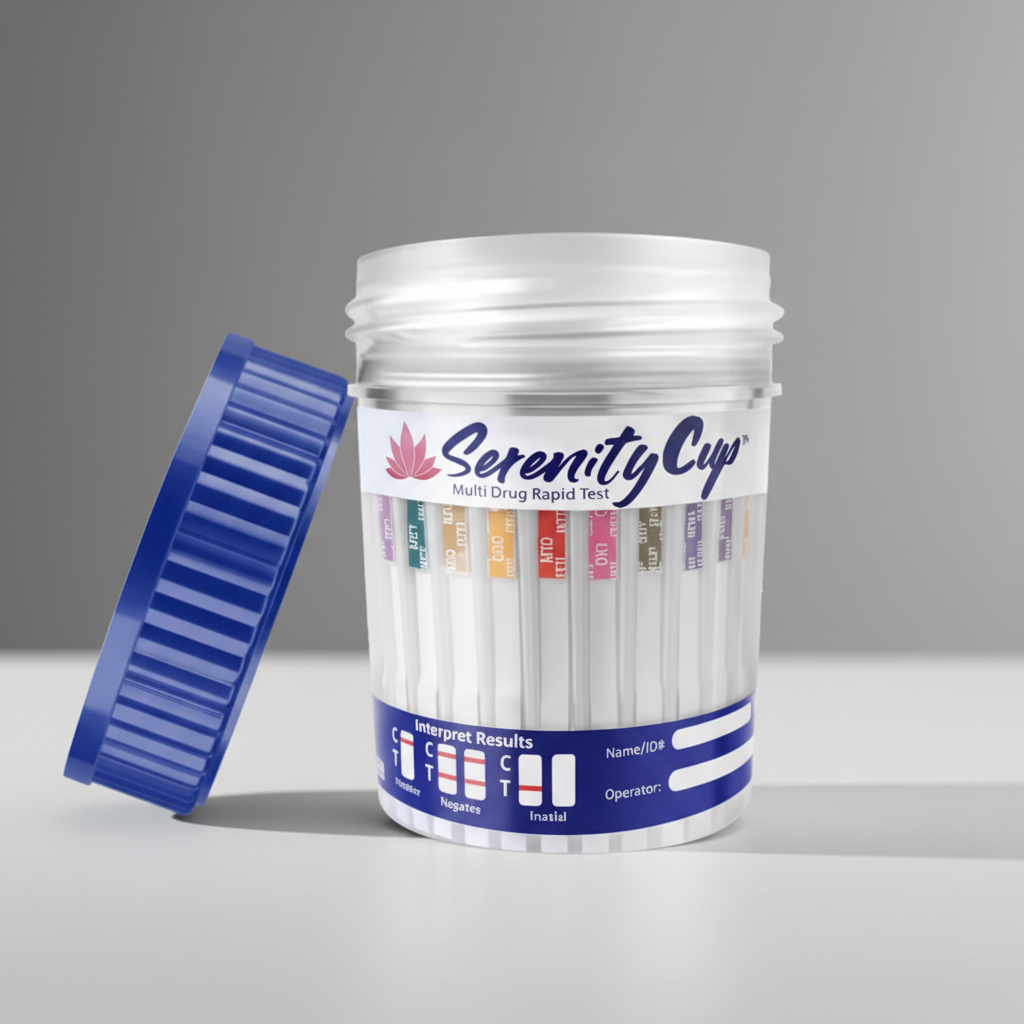
An adulteration panel checks whether a urine sample looks like real, fresh human urine. It does not verify identity, and it does not confirm a drug result. What it gives you is a basic integrity screen.
Most buyers are trying to achieve two things: reduce invalid tests and reduce disputes about whether a sample was altered. An adulteration panel supports both—if you know what you’re checking and what you’ll do when a value is out of range.
The buyer’s adulteration panel checklist (use this before you purchase)
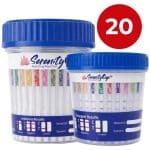
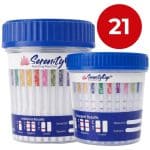
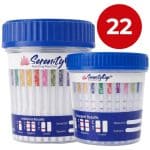
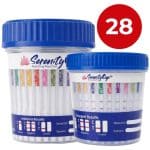
Product photos don’t always show the details that matter during real collection. Use this checklist to filter options quickly. A good cup should help you answer, “Is this sample believable?” in under a minute.
- Temperature strip present and easy to read (a fast freshness check right at collection).
- Core integrity markers included: pH, creatinine, and specific gravity.
- Oxidant/adulterant indicator (flags common “add-in” chemicals meant to interfere with screening).
- Clear color blocks and labeling (so different staff interpret results the same way).
- All-in-one layout (no juggling separate strips during collection).
- Compatible workflow for your setting (home, clinic, workplace, probation, or rehab).
If a cup skips the core integrity markers, you lose most of the value of “adulteration testing.” And if the panel is hard to interpret, you’ll get inconsistent calls across staff, shifts, and locations.
Temperature: the first integrity check you should do
Temperature catches the most common integrity problem fast: a sample that didn’t come straight from the donor. A fresh specimen should land in a reasonable range soon after collection. If the temperature looks off, treat the test as questionable before you even read drug lines.
Look for a temperature strip placed where staff can read it immediately—no spinning the cup around, no squinting at faint numbers. In observed collections or strict chain-of-custody workflows, temperature is a key step because it gives you an instant, documentable flag.
pH: your quick read for “too acidic” or “too alkaline” urine
pH tells you how acidic or alkaline a sample is. Most urine falls in a typical range; extreme readings can signal tampering or unusual handling. People sometimes try to shift pH because certain products and home methods claim they can disrupt screening.
The practical buyer question is simple: “Do we have a written rule for what happens if pH is extreme?” Without one, decisions drift from person to person. Many programs treat extreme pH as an invalid specimen that triggers recollection or lab confirmation.
Creatinine: the dilution marker most buyers care about
Creatinine helps you spot dilution. Dilution can be unintentional (drinking a lot of water) or deliberate (mixing urine with water). Low creatinine can indicate a specimen that doesn’t reflect normal concentration.
Creatinine protects the meaning of a negative result. A negative is less reassuring when the sample reads like it was watered down. For workplace screening and compliance monitoring, creatinine belongs on the must-have list.
Specific gravity: the “does this look like real urine” double-check
Specific gravity measures urine concentration. It pairs well with creatinine because each marker adds context. When both point toward dilution, the integrity signal is stronger than either marker alone.
If you test regularly, you’ll see borderline samples. Specific gravity helps you decide whether a borderline result fits a normal pattern or looks like an attempt to reduce detection.
Oxidants and adulterants: what this check helps you catch
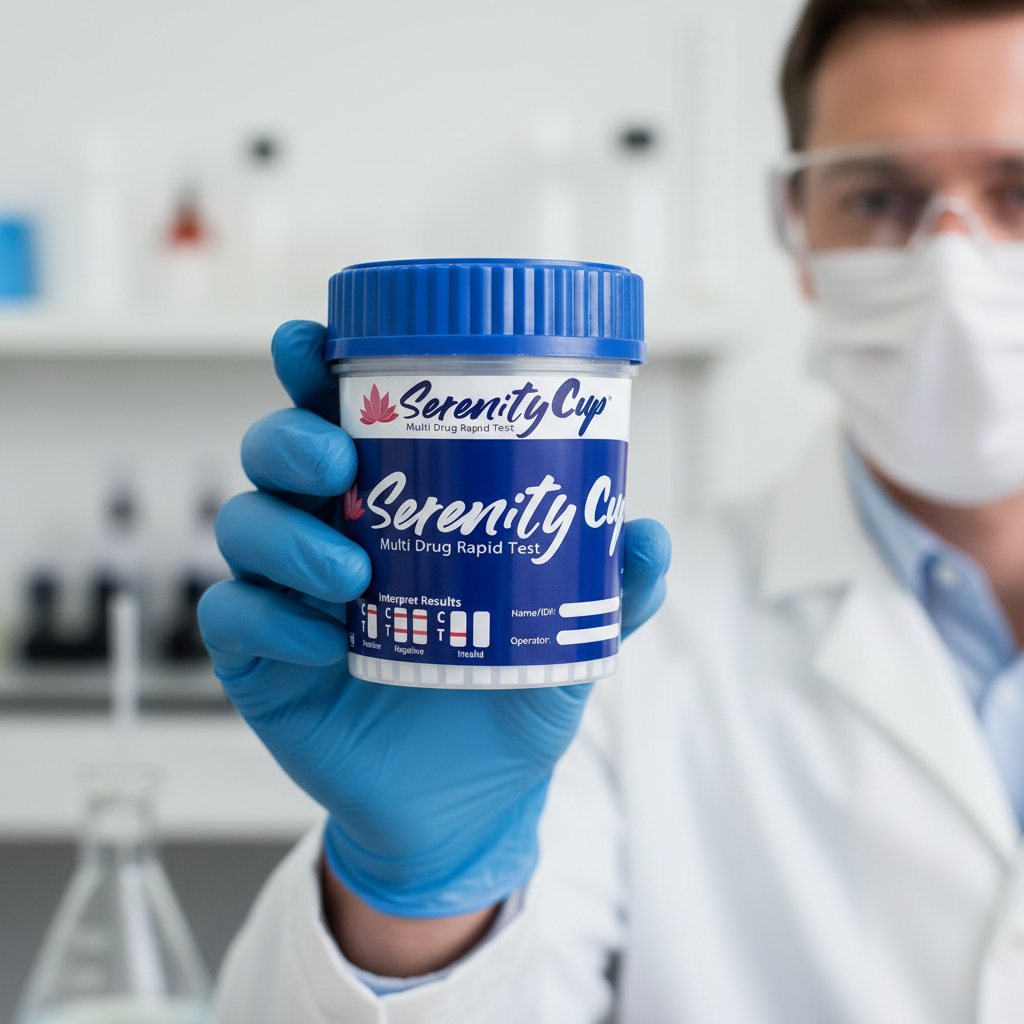
Some donors add chemicals to the cup after collection to damage test chemistry or mask metabolites. An oxidant/adulterant indicator is designed to catch those “add-in” tactics.
Think of this as risk control. You don’t need to keep up with every product name online. You need a panel that can flag a suspicious specimen so you can stop, document, and move to the next step—often recollection under stricter conditions or lab confirmation.
How to read the adulteration panel without overreacting
Two mistakes show up all the time: ignoring adulteration results entirely, or treating any odd value as proof of cheating. A simple decision ladder keeps things consistent.
- Check temperature first. If it’s off, document it immediately.
- Check creatinine and specific gravity together. If both suggest dilution, treat the drug result as questionable.
- Check pH. If it’s extreme, treat the specimen as potentially invalid.
- Check oxidants/adulterants. If it flags, assume the sample was altered after collection.
- Follow your written policy. Consistency protects you more than guesswork.
This approach works for home testing, too. If integrity markers look off, pause and talk about collection conditions instead of arguing over faint lines on the drug panel.
What “adulteration panel included” should mean in real use
Some listings advertise “adulteration,” yet collection still turns into a headache. The panel should work as part of the cup’s workflow, not as a tacked-on feature. Expect easy-to-read color blocks, clear labels, and a layout that minimizes handling.
A well-designed panel should also reduce retests. Catching an invalid specimen early saves time, prevents false confidence, and keeps the process fair.
Common buyer questions before choosing a multi-panel cup with adulterations
Do I still need lab confirmation if the cup includes adulteration testing?
In many programs, yes—especially for positives. A rapid cup is a screening tool. The adulteration panel helps you judge specimen integrity, but it doesn’t convert a screen into a confirmatory test.
What if the drug panel looks negative but the adulteration markers look wrong?
Treat it as questionable. Dilution or adulteration can reduce confidence in a negative. Many buyers respond with recollection under tighter controls or a lab test, depending on the setting.
Is an adulteration panel worth it for home testing?
Yes if you’re concerned about intentional tampering or heavy dilution. Home testing often has fewer controls, so an integrity check makes the results easier to trust.
How this checklist connects to a 13–16 panel cup purchase
When shopping for a 13–16 panel cup, most people start with the drug list. That’s reasonable—but adulteration is what protects the value of the entire test. A broad drug panel doesn’t help if the specimen fails basic integrity.
If your use case involves compliance, safety, or repeat monitoring, put adulteration markers on the same priority level as panel count. Panel breadth answers “what are you testing for?” Adulteration answers “does this sample mean anything?”
Conclusion
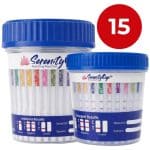
An adulteration panel helps you trust the result by checking the specimen before you trust the lines. Use temperature for freshness, creatinine and specific gravity for dilution, pH for extremes, and oxidant/adulterant markers for chemical add-ins. If you want a cup that combines a broad screen with an integrated integrity check, choose 15 Panel Drug Test with Kratom, Alcohol, (ETG) Fentanyl And Adulterations, Low price $2.49 from 12 Panel Now.