What to Verify Before Buying a Multi-Panel Urine Drug Test for Workplace

Buying multi-panel urine drug tests for a workplace or clinic sounds straightforward until you’re the one dealing with a disputed result, an avoidable re-test, or a policy mismatch. The right cup gives fast screening results you can defend, with the cutoffs, integrity checks, and documentation support your program actually needs. Here’s what to verify before you buy.

1) Verify the test fits your program goal (screening vs. decisions)
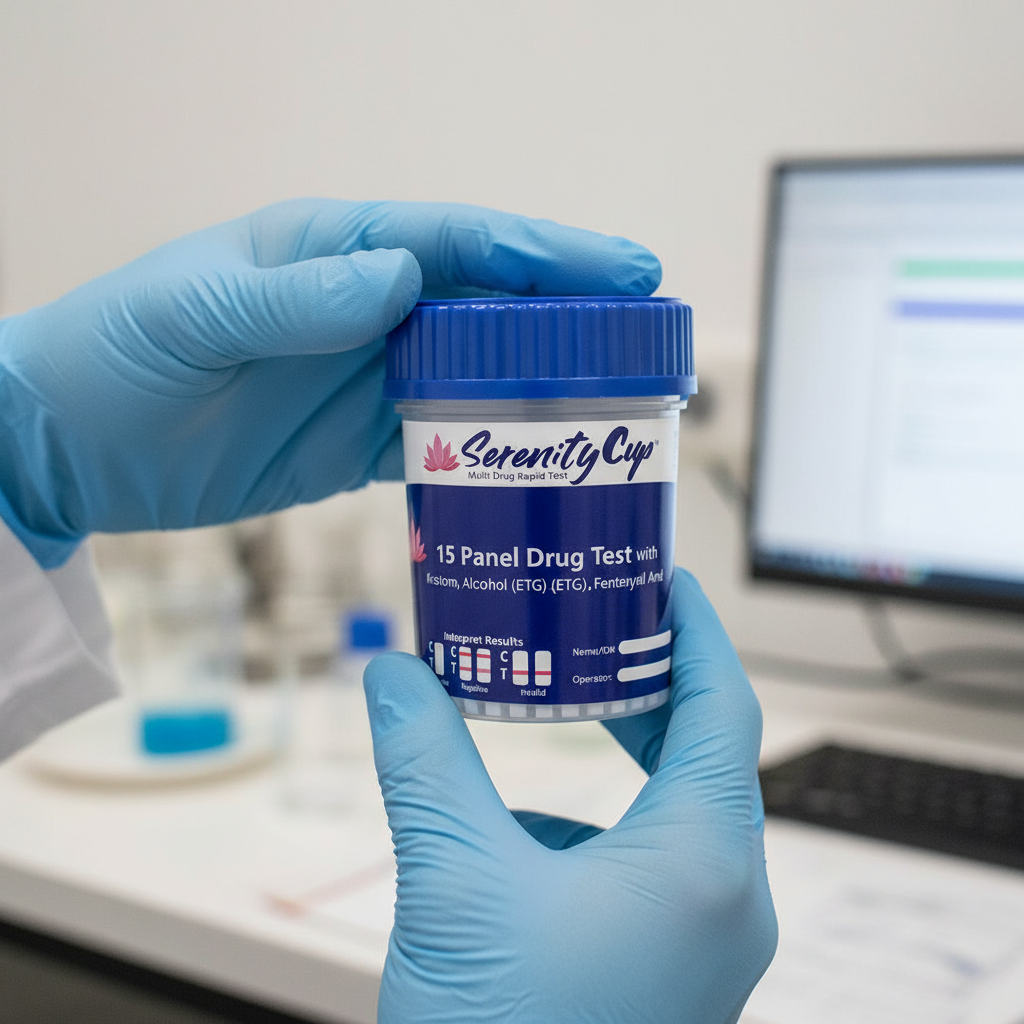
Start with the role the test plays in your program. A rapid urine cup is a screening tool. Your policy should spell out what happens next, especially after a non-negative result. In many workplace programs, a certified lab confirmation is required before any employment action. In clinical settings, screening often supports a conversation, a treatment adjustment, or a decision to order confirmation testing.
Problems show up when teams treat a rapid cup like a lab report. If you treat it as a quick filter and escalate appropriately when needed, expectations stay clear for staff and for the person being tested.
2) Confirm the exact drug panels match your real risk
Don’t buy based on panel count alone. A “bigger number” doesn’t help if the cup misses the substances that matter in your environment. A construction employer may prioritize opioids and stimulants. A recovery-focused clinic may need alcohol exposure monitoring. In many regions, fentanyl coverage is no longer optional. Some employers also ask for kratom because it comes up in incident investigations and EAP discussions.
Before ordering, list the substances you actually need to screen for, then confirm the cup includes them by name. Also confirm your policy (or clinician order) supports testing for each substance you plan to include.
Quick panel checklist to use before checkout
- Core panels: confirm the specific drugs you screen today (not what the vendor assumes is “standard”).
- Emerging risk: decide whether fentanyl and kratom are relevant for your population.
- Alcohol monitoring: confirm whether you need EtG rather than relying on breath testing.
- Specimen integrity: confirm adulteration checks are included if you need defensible collections.
3) Verify cutoff levels and align them with your policy
Cutoffs determine what triggers a non-negative screen. If cutoffs are too low for your policy, you’ll create extra follow-up work. If they’re too high, you may miss use your program expects to detect. Verify the cutoff for every panel you care about, not just the “headline” drugs.
For workplace programs, your policy and any applicable standards should drive cutoff selection. For clinical use, cutoffs should fit the care plan and patient population. Either way, document why you chose that cutoff set. It’s valuable during audits and when outcomes are challenged.
4) Verify adulteration checks and specimen validity safeguards
If you run workplace testing or monitored collections, specimen validity is as important as the drug panels. People may attempt dilution, substitution, or chemical adulteration. Cups with built-in adulteration checks can flag issues immediately, when you can still respond appropriately.
Don’t assume all “adulteration panels” are the same. Confirm which parameters are included and how your staff should interpret “out of range” results under your policy. Also confirm the cup includes a temperature strip; it’s one of the fastest ways to spot a collection that may not be fresh.
What to look for in real-world operations
- Temperature strip: staff must read it within the required window after collection.
- Adulteration strip: staff should know what each abnormal range means and what action to take.
- Chain-of-custody fit: your forms, seals, and labeling process should work with the cup design.
5) Verify result readability and reduce interpretation errors
Many disputes come down to line interpretation. You want clear, consistent lines and a results window that’s easy to read under normal site conditions. Instructions should match how your team works, especially if you operate across multiple shifts or locations.
Confirm the reading time window and the exact steps required. Also confirm how faint lines are handled under your policy. With many rapid immunoassays, a faint line still indicates a negative result for that panel, but that only helps if everyone applies the rule the same way. A short internal SOP prevents one supervisor from calling a faint line “positive” while another calls it “negative.”
6) Verify handling requirements: storage, expiration, and shipping conditions
Rapid tests are sensitive to storage conditions. Heat, humidity, and expired inventory can affect performance and lead to confusing outcomes. Before placing a bulk order, confirm shipping conditions and the storage requirements at your site.
Check remaining shelf life at purchase. A low unit price isn’t a deal if part of the shipment expires before you can use it. If you test sporadically, longer dating matters. If you test daily, turnover is faster, but you still need predictable supply and consistent lots when possible.
Operational questions to ask your own team
- Where will we store the cups, and who checks temperature and humidity?
- How will we rotate inventory so older stock is used first?
- How will we record lot numbers and expiration dates for audits or incident reviews?
7) Verify compliance needs: CLIA status, documentation, and confirmatory pathways
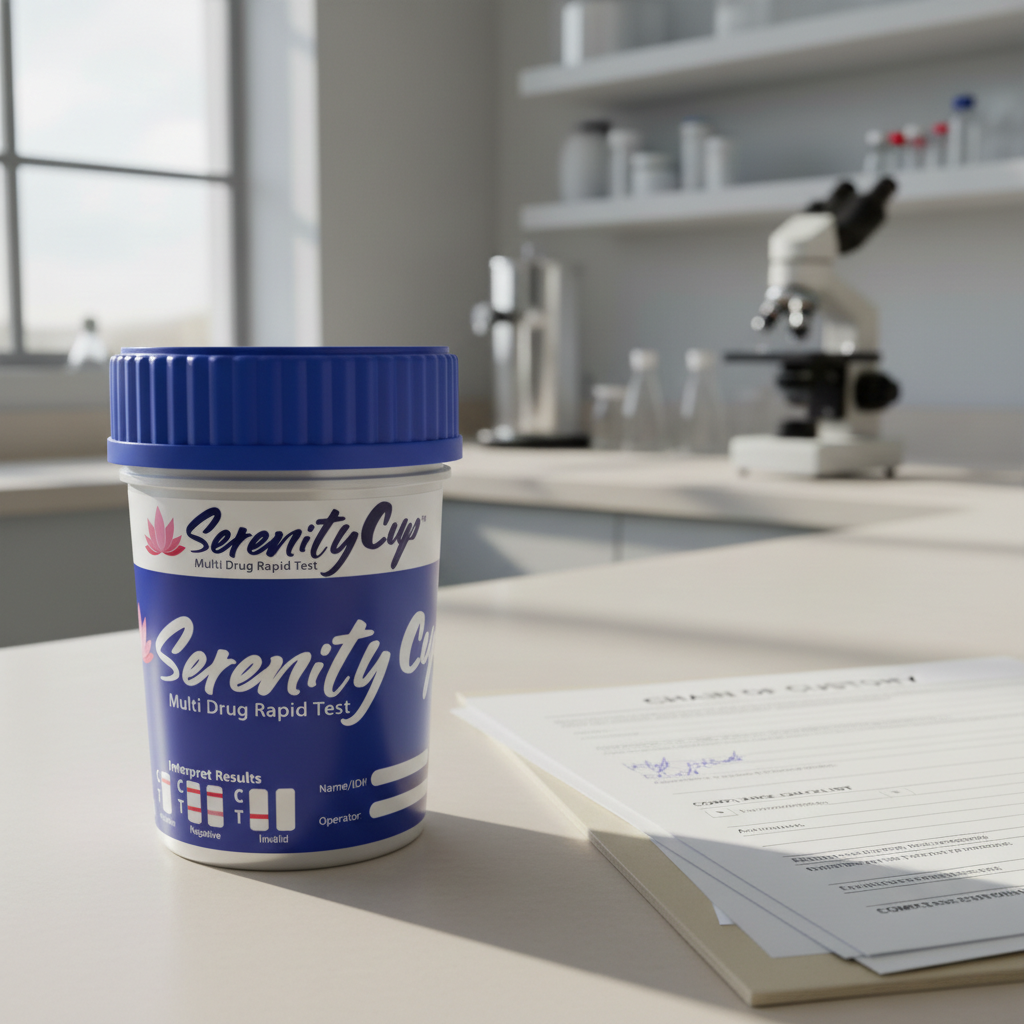
Requirements differ by setting. Clinical sites may need CLIA-waived tests and specific documentation. Workplace programs often focus on chain-of-custody, privacy, and consistent procedures across locations. Confirm what your environment requires before you choose a product.
Also build your “what happens next” plan before the first non-negative result arrives. Decide when you send specimens for confirmation, which lab you use, how disputes are handled, and what documentation is required. A defined pathway prevents last-minute decisions that create inconsistency.
8) Verify specimen collection workflow: observed vs. unobserved collection
Your workflow determines which features matter most. Unobserved workplace collections often rely heavily on temperature and adulteration checks. Observed clinical collections lean more on staff training, privacy practices, and documentation. Map the process from “hand the cup over” to “record and store results.”
If collections happen in the field, portability and packaging matter. If collections happen in a clinic restroom, labeling control and privacy steps matter. Even a strong product fails if the workflow leads to mislabeling, timing errors, or inconsistent reading practices.
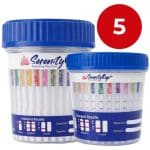
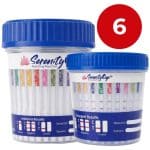
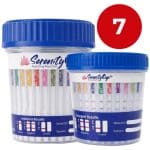
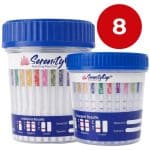
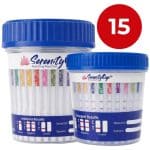
9) Verify what “15 panel” actually includes (and what it does not include)
“15 panel” is marketing shorthand, not a standardized formula. One 15-panel cup may include a different opioid mix than another. Some include EtG for alcohol; others don’t. Some include fentanyl; others leave it out. Verify the actual analyte list, not the number on the label.
Also be clear about limits. A rapid urine screen doesn’t measure impairment. It doesn’t provide a quantitative concentration that you can interpret like a lab result. It’s a screening result that helps you decide next steps.
10) Verify total cost: re-tests, follow-ups, and staff time
The unit price is only part of the cost. A cheap cup that produces unclear lines or frequent invalids gets expensive once you add re-tests, extra documentation, staff time, and disputes. The right panels and integrity checks reduce avoidable follow-up and keep your process consistent.
Estimate the real cost per completed test by including:
- Cost of the cup
- Cost of collection supplies and forms
- Staff time for collection, reading, and documentation
- Expected rate of re-tests due to errors or invalid specimens
- Cost of confirmatory testing for non-negative screens
Optional FAQ
Do I need an EtG urine test cup for alcohol monitoring?
If you need to detect alcohol exposure over a longer window than breath testing can cover, EtG is often the better fit. Match that choice to your policy or clinical protocol, and make sure staff understands what EtG does—and does not—indicate.
Should I insist on adulteration testing in the cup?
If you run workplace testing, court-related monitoring, or any program where test evasion is a realistic risk, built-in validity checks help protect the process. Even in supervised clinical settings where lab confirmation is used for key decisions, integrity checks are still useful—just make sure your policy defines how to respond to abnormal validity results.
What should I do if I get a non-negative result on a rapid cup?
Follow your written procedure. Many workplace programs send non-negative screens for confirmation at a certified lab before any action is taken. Many clinics use a non-negative screen to prompt discussion, review medications, and decide whether confirmation is appropriate. Document the result, the read time, and the chain-of-custody steps used.
Conclusion
Better outcomes come from verifying the panel list, cutoffs, specimen integrity features, readability, and compliance fit before you buy. When your test matches your policy and workflow, you reduce re-tests, prevent disputes, and keep procedures consistent across staff and sites. If you want one cup that covers a broad range of substances while supporting sample integrity at collection, 15 Panel Drug Test with Kratom, Alcohol, (ETG) Fentanyl And Adulterations, Low price $2.49 from 12 Panel Now fits that need.