Drug Test Comparison for Fentanyl, Kratom, and ETG


If you are comparing drug tests that check fentanyl, kratom, and ETG, you likely want a straightforward answer: which format gives you the best balance of accuracy, speed, and cost? This guide breaks down what to look for before you buy, what these panels actually show, and why the cup format is often the strongest choice for serious screening.
Why do fentanyl, kratom, and ETG matter in one test?
These three targets serve different purposes. Fentanyl screening helps identify a high-risk synthetic opioid. Kratom screening helps detect a substance many standard panels leave out. ETG screening helps show recent alcohol exposure, which matters in recovery, workplace monitoring, and court-ordered programs.
Many buyers start with a standard panel and only later realize it does not include one of these substances. That leads to repeat testing, added cost, and wasted time. A broader panel solves that upfront by covering common drugs along with harder-to-find targets in a single device.
What should you compare before buying a multi-panel drug test?
1. Does the panel include the substances you actually need?
This is the first thing to check. A test only helps if it screens for the drugs or alcohol markers tied to your reason for testing. If you need fentanyl, kratom, and ETG, do not assume every multi-panel cup includes all three.
Some products advertise a high panel count but leave out newer or less common targets. Always review the full panel list instead of relying on the number alone.
2. How fast are the results?
Rapid screening matters when you need to make a same-day decision. Employers, clinics, parents, and program managers usually need answers in minutes, not days. Fast results help you decide whether follow-up action or lab confirmation is needed.
For point-of-care screening, shorter wait times also make the process easier to manage. You collect the sample, read the result, and document the outcome in one session.
3. How easy is the test to use correctly?
A simple format reduces user error. Cups work well because they combine collection and testing in one unit. That cuts down on transfers, spills, and confusion about which strip goes with which sample.
Whether you test in a workplace, clinic, or at home, ease of use matters just as much as panel breadth. Complicated tests invite mistakes. A self-contained cup keeps the process clean and straightforward.
4. What is the cost per test?
Cost becomes even more important when you test repeatedly or test multiple people. A lower price per test helps employers, treatment programs, and families stay consistent. Low cost, though, only matters if the test still covers the right substances and delivers reliable screening results.
The best value is not just the lowest price tag. It is one test that checks the right substances in one step, so you do not have to buy extra strips or separate alcohol tests later.
Are cups better than dip cards or single strips?
For this type of testing, the cup format has a clear advantage. Single strips work for one target. Dip cards work for several drugs. A cup, though, creates a cleaner process because collection and screening happen in the same device.
That matters when you need to check fentanyl, kratom, ETG, and a broader drug panel at once. A cup saves time, reduces mix-ups, and is simply more practical for routine testing.
- Single strips: best for one substance only
- Dip cards: useful for basic multi-drug screening
- Multi-panel cups: best for all-in-one collection, broad screening, and quick reading
How accurate are rapid tests for fentanyl, kratom, and ETG?
Rapid drug tests are screening tools. They are designed to provide fast initial answers at the point of care. For many buyers, that is exactly what they need. A negative screen can save time and money. A non-negative result can guide the next step, which is lab confirmation when needed.
For these specific targets, panel quality matters. Fentanyl and kratom are often missing from older tests. ETG adds another layer because it screens for alcohol exposure rather than a drug itself. That makes panel selection a major buying decision, not a small detail.
If accuracy is your top concern, focus on three things:
- Whether the test includes the exact targets you need
- Whether the device is built for point-of-care screening
- Whether the instructions and readout are simple enough to reduce handling errors
The strongest option combines broad screening with a format people can use correctly every time.
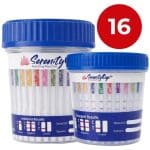
Who should choose a 16-panel cup?
A 16-panel cup makes sense for buyers who need more than a basic five-panel test. It works well for employers with safety concerns, clinics tracking recovery, probation programs, and families who want private home screening with broader coverage.
It is also a smart choice for buyers who do not want to guess which added substance might matter. Drug use patterns change, and standard panels do not always keep up. A 16-panel format gives you a wider safety net in one purchase.

What problems does a broader panel solve?
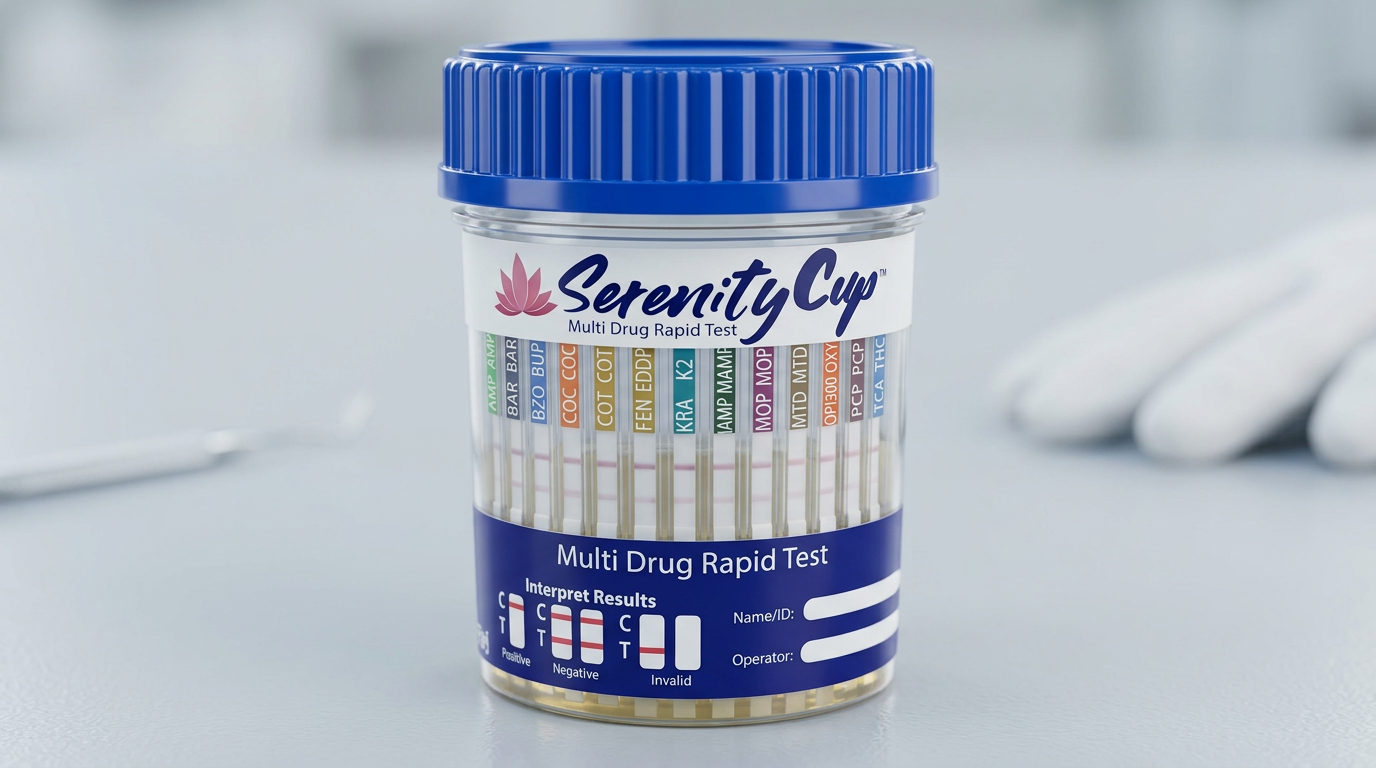
The biggest problem is missed detection. If your test leaves out fentanyl, kratom, or ETG, a negative result can create false confidence because the screen never checked the substance you were concerned about. A broader panel reduces that risk.
The second problem is test stacking. Some buyers piece together multiple products to cover alcohol markers, opioids, and newer substances. That approach costs more and takes more time. One multi-panel cup keeps the process simple.
- You collect one sample.
- You run one screening process.
- You review one result set.
- You decide whether confirmation is needed.
What should buyers ask before placing an order?
Does this test fit my setting?
If you are testing at home, you need clear instructions and easy handling. If you are testing at work or in a clinic, you need speed, consistency, and a format that supports routine use. The right cup should work well in either setting.
Will this save money over time?
If one test covers the drugs and alcohol marker you need, it usually costs less than buying separate products. That is true for recurring workplace programs and for families monitoring over time.
Will this help me act faster?
Fast screening helps you make next-step decisions right away. You can document a negative result, pause for further review, or send a non-negative sample for lab confirmation. Delays add stress and slow down action.
Best choice for buyers who want broad coverage and simple screening
When you compare multi-panel drug tests for fentanyl, kratom, and ETG, the best option is the one that covers all three in one easy-to-use cup, returns results quickly, and stays affordable enough for repeat use. That gives buyers a practical solution, not a partial one.
The 16-panel cup stands out because it avoids the usual tradeoff between broad coverage and ease of use. You do not need separate strips or a complicated process. You get one self-contained screening tool built for real-world testing.
FAQ
Is a rapid drug test enough on its own?
A rapid test works well for initial screening. If a result is non-negative and the outcome carries legal, employment, or medical consequences, lab confirmation is the right next step.
Why is ETG included with drug panels?
ETG checks for recent alcohol exposure. That makes it useful for recovery programs, workplace policies, court monitoring, and home accountability where alcohol use matters alongside drug use.
Why do buyers ask for kratom and fentanyl together?
Many standard panels do not include both. Buyers ask for them together because they want broader screening that reflects current substance concerns rather than older panel layouts.
Conclusion
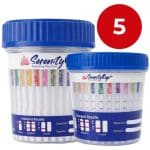
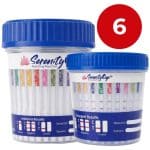
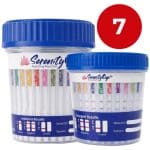
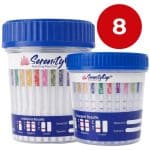
If you need a drug test that checks fentanyl, kratom, and ETG without extra steps, choose a multi-panel cup that offers broad coverage, fast results, and simple handling. For an all-in-one option, 16 Panel Drug Test, Kratom, ETG and Fentanyl, Low price $2.59 from 12 Panel Now is a strong pick.