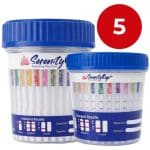
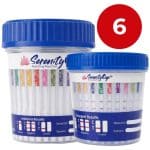
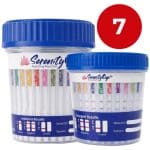
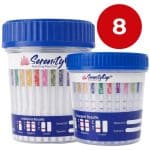
Why Choose a Drug Test Cup for Kratom, ETG, and Fentanyl?


Standard drug tests still miss substances that matter. That is why many buyers are asking a basic question: if drug use patterns have changed, why use an old panel that does not catch newer or harder-to-track substances? This article explains why a broader drug test cup is often the better choice when Kratom, ETG, and Fentanyl are part of the concern, and what to look for in a test that delivers clear results quickly.
Why do standard drug tests miss substances like Kratom, ETG, and Fentanyl?
Most standard panels were built around older categories such as cocaine, amphetamines, opiates, marijuana, and PCP. Those drugs still matter, but they do not always reflect what employers, clinics, parents, and program managers need to screen for now. If a panel does not include Kratom, ETG, or Fentanyl, it will not help much when those are the substances you actually care about.
That gap can create real risk. Someone can pass a basic screen while still having recent alcohol use, taking Kratom, or being exposed to Fentanyl. When you are making safety, care, or compliance decisions, missing that information can lead to the wrong call.
What makes Kratom worth testing for?
Kratom often creates confusion because it does not appear on many routine drug screens. Even so, people regularly want to test for it in treatment programs, family monitoring, workplace settings, and probation-related screening. If Kratom use matters in your situation, a standard cup without it does not answer the question.
A cup that includes Kratom saves time by putting that result alongside many other substances in one test. Instead of juggling separate products or wondering whether a basic panel tells the whole story, you get a more complete screen at once.
Why is ETG different from a standard alcohol test?
ETG matters because it screens for alcohol exposure in a way a standard breath test cannot. A breath test shows current alcohol presence, while ETG urine screening can identify recent alcohol use over a longer window. That is especially useful in programs where abstinence monitoring matters more than immediate intoxication.
Buyers choose ETG when they need a clearer answer to a specific question: has this person used alcohol recently, even if they are not drinking right now? A standard drug panel without ETG cannot provide that answer, which is why ETG has become an important part of many expanded cups.
Why has Fentanyl screening become such a high priority?
Fentanyl has changed the drug testing conversation. It is highly potent and can appear in situations where buyers may not expect it. Public health agencies and clinical groups have pushed for stronger awareness because missed Fentanyl exposure can have serious consequences.
For many buyers, Fentanyl screening is no longer a niche add-on. It is part of basic risk management. A cup that includes Fentanyl gives a more useful first screen in settings where overdose risk, contamination concerns, or opioid monitoring are part of the picture.
Who benefits most from an expanded drug test cup?
The short answer is anyone who needs fast answers that reflect current substance use trends. Basic panels still have their place, but expanded cups make more sense when the stakes are higher and the panel needs to match real-world concerns.
- Employers who want broader pre-employment, random, or post-incident screening
- Clinics and treatment programs that monitor recovery and substance use patterns
- Probation and legal programs that need better visibility into recent alcohol use and newer substances
- Parents and private buyers who want a more complete at-home screening option
- Safety-focused organizations that need quick on-site screening without waiting on lab turnaround
Why choose a drug test cup instead of separate test strips or lab testing first?
1. It gives faster answers
Point-of-care cups provide results in minutes. That speed matters when a decision cannot wait days for a lab report. A rapid screen helps users act quickly, whether the next step is a policy decision, clinical follow-up, or lab confirmation.
2. It keeps testing simple
A self-contained cup reduces handling and confusion. Instead of managing multiple strips for different substances, the user works with one device. That makes testing easier in workplaces, homes, and busy care settings.
3. It lowers screening costs
Lab testing is valuable, especially for confirmation, but it costs more and takes longer. Many buyers use rapid cups for the first screen and send only non-negative results for confirmation. That approach controls cost while still supporting sound decisions.

Does a broader panel improve decision-making?
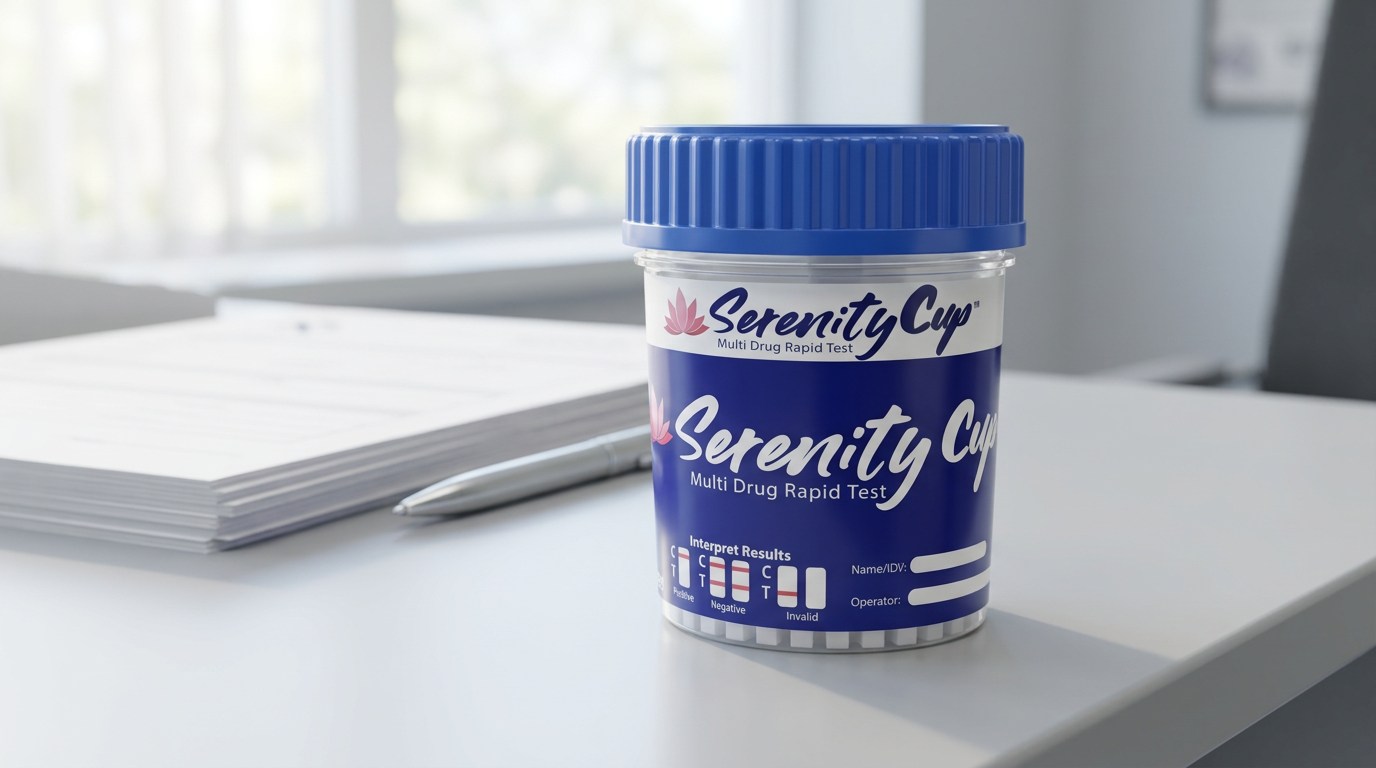
Yes, because it gives a more complete picture right away. A narrow panel can create false confidence. Someone sees a negative result and assumes there is no issue, when the test simply did not include the substance in question.
A broader cup helps prevent that mistake. When Kratom, ETG, and Fentanyl are on the panel, the result is more useful for modern screening needs. You ask one test better questions, and you get a more accurate first snapshot.
What should buyers look for in a drug test cup for emerging substances?
Focus on fit, ease of use, and speed. The right product is the one that covers the substances you care about and works well in the setting where you plan to use it.
- Panel coverage: Make sure the cup includes Kratom, ETG, and Fentanyl, not just standard drugs
- Turnaround time: Fast results support quick next steps
- Ease of use: A self-contained cup helps reduce user error
- Screening value: One cup that covers more substances can reduce the need for extra tests
- Accuracy expectations: Use rapid screening for initial answers and confirm non-negative results through a lab when needed
Is a rapid drug test cup enough on its own?
For screening, yes. For final action on a non-negative result, many settings rely on lab confirmation. That is standard practice. A rapid cup works as the first step because it is quick, practical, and cost-conscious. It helps identify when more review is needed.
That is one of the main strengths of expanded cups. They are not meant to replace every part of the testing process. They make the first step more relevant to current risks.
Why does all-in-one screening matter more now than before?
Drug use patterns have shifted. Buyers now ask about synthetic opioids, alcohol markers, and substances older panels often ignored. Screening tools should reflect that change. An all-in-one cup is a better match for what people are actually trying to detect.
That matters in everyday situations. A safety manager needs a better post-incident screen. A treatment provider wants to monitor recent alcohol use alongside other substances. A parent wants privacy and speed. A broader cup meets those needs better than an outdated standard panel.
Optional FAQ
Can a standard 5-panel test detect Kratom, ETG, or Fentanyl?
No. A standard 5-panel test usually does not include those substances. You need a panel that lists them specifically.
Why would someone choose ETG testing instead of a breath alcohol test?
ETG urine screening can identify recent alcohol use over a longer period than a breath test. That makes it useful for abstinence monitoring.
Should positive cup results be confirmed by a lab?
Yes. Rapid cups work well for screening, while non-negative results should be sent to a lab for confirmation when a final decision depends on the result.
Conclusion
Standard panels still serve a purpose, but they miss substances many buyers now need to screen for. If you want a faster, broader, and more practical first-step screen for current risks, an expanded cup is the better choice. For a smart next step, choose 12 Panel Now and consider 16 Panel Drug Test, Kratom, ETG and Fentanyl, Low price $2.59.