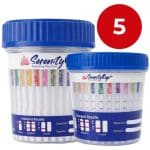
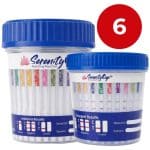
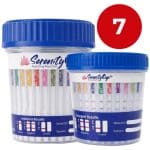
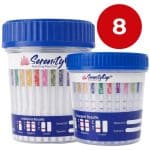
Is a Multi-Panel Cup the Smartest Low-Cost Drug Test?


If you need fast drug screening, cost matters. Coverage matters too. A cheap test is not much of a bargain if it misses the substances you actually need to detect. The real question is this: does a multi-panel cup that includes fentanyl, kratom, and EtG give you the best value, or are separate tests the better buy?
What makes a drug test a smart investment?
A smart investment keeps your per-test cost low while delivering useful answers quickly. Many buyers look at price first, but the better question is: What are you getting for that price?
If one cup can screen for a broad range of substances in a single step, you save money on repeat testing, reduce staff time, and avoid the hassle of managing multiple kits. That matters for employers, clinics, treatment programs, parents, and anyone who needs quick answers without sending every sample to a lab.
Why do fentanyl, kratom, and EtG matter so much?
These three targets can significantly change the value of a test. Standard panels often cover the usual drugs, but many buyers now need more than the basics. Fentanyl matters because of the serious safety risk it poses. Kratom matters because some programs want visibility into substances older panels do not catch. EtG matters because it helps identify recent alcohol use in settings where alcohol monitoring is just as important as drug monitoring.
If your test does not include these targets, you may have to buy separate products. That raises your actual cost, slows the process, and creates more opportunity for user error. A single cup that includes all three meets current screening needs in one purchase.
Is one multi-panel cup cheaper than buying separate tests?
In many cases, yes. Separate tests add direct cost, and they also add time. If you buy one cup for standard drugs, then tack on a fentanyl strip, a kratom test, and an alcohol marker test, the total can climb quickly. The process becomes harder to manage too.
An all-in-one cup makes the most sense when you need routine screening with broader visibility. It cuts down on the number of items you need to stock, reorder, train on, and explain. For small businesses and clinics watching every dollar, that adds up.
Where the savings usually show up
- Lower cost per screening event
- Less staff time per donor or patient
- Fewer separate kits to buy and store
- Less chance of missing an important substance
- Faster decisions after one collection
Does broad screening create too much waste if you do not need every panel?
That depends on how you plan to use it. If you only care about one drug, a single-substance strip may be the better choice. But most buyers considering a cup format are not in that situation. They need a practical screen for several possible substances using one sample and one result window.
For that kind of buyer, extra panel coverage is not waste. It is protection against blind spots. A broad cup is useful when drug use patterns are unclear, when program rules require wider screening, or when you want one standard process instead of choosing different kits each time.
How does speed affect value?
Speed matters because delays create extra costs. If results take days, the next decision gets delayed too. That can affect hiring, return-to-work decisions, compliance monitoring, or family conversations that need an answer now. A rapid cup gives you a screening result in minutes, which makes it more useful in real-world situations.
Fast results also reduce follow-up work. You collect once, wait briefly, and review the result. There is no need to track updates for every routine negative screen. For many buyers, that operational convenience matters just as much as the purchase price.

Is accuracy still good at a low price?
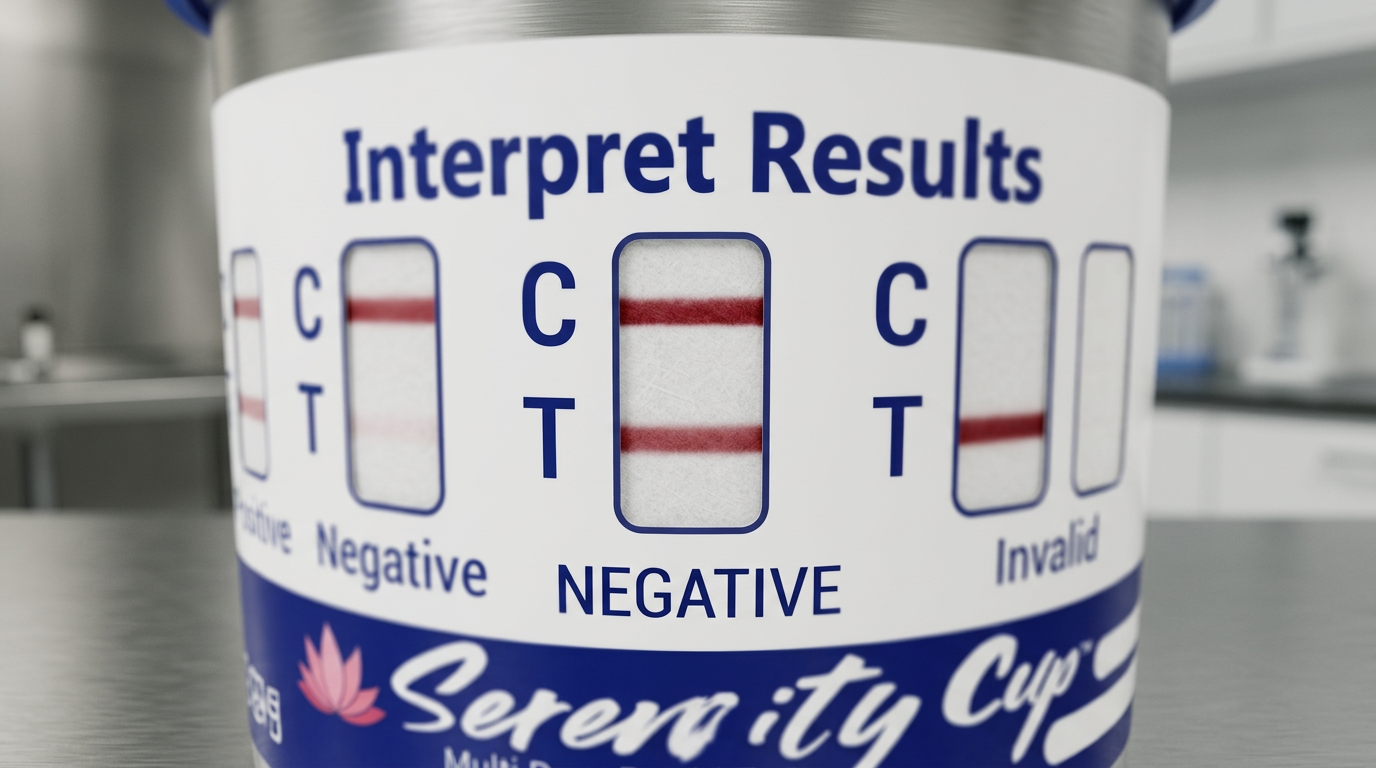
It is one of the first questions buyers should ask. A low price only helps if the test still performs well as a screening tool. Rapid cups are designed for initial screening, not final diagnosis. A non-negative result should be confirmed with lab testing, while negative screens help rule out many samples quickly.
The key point is simple: a low-cost cup still offers strong value if it delivers reliable screening performance and limits lab confirmation to the smaller number of samples that need closer review. That screening-first approach is why rapid cups are widely used in workplaces, clinics, and monitoring programs.
Who gets the most value from a broad multi-panel cup?
The best fit is any buyer who needs broad coverage, fast turnaround, and cost control. That includes employers running pre-employment or random testing, clinics tracking treatment progress, probation programs monitoring compliance, and families that want private screening at home.
The more often you test, the more useful the all-in-one format becomes. Repeat buyers notice the difference in inventory, workflow, and total cost. Even occasional buyers benefit when they do not have to guess which separate test to buy for fentanyl, alcohol markers, or kratom.
Good fit scenarios
- A small business that wants one simple testing process
- A clinic that screens for both drugs and recent alcohol use
- A monitoring program that needs broader substance visibility
- A parent or caregiver who wants one private, easy test
- A buyer trying to avoid piecing together multiple kits
What should you compare before you buy?
Do not compare panel count alone. A smart comparison looks at the full testing event. Check which substances the cup covers, how quickly results appear, whether the format is easy to use, and what the total cost becomes if you need to add specialty tests.
That last point changes a lot of buying decisions. A cheap standard cup can stop looking cheap once you add extra products. A slightly broader cup with one-step collection can end up being the lower-cost option overall.
Questions worth asking
- Does it include fentanyl, kratom, and EtG in one cup?
- How fast do results appear?
- Will I need extra tests for alcohol markers or newer substances?
- Is the process easy for staff or home users?
- What is my real per-person screening cost?
So, is a multi-panel cup detecting fentanyl, kratom, and EtG the smartest investment?
For many buyers, yes. If your goal is broad screening without buying and managing a stack of separate kits, a single cup often makes the most financial sense. It simplifies the process, covers substances that matter now, and helps you act on results faster.
The smartest purchase is not always the one with the lowest sticker price. It is the one that gives you the coverage you need in one step and prevents extra spending later. When fentanyl, kratom, and EtG are part of your screening needs, an all-in-one multi-panel cup is usually the better value.
FAQ
Should I buy separate tests if I only care about one substance?
Yes, that can make sense for a very narrow use case. But if you need broader screening or you are not fully sure which substances matter most, one multi-panel cup usually offers better value.
Is a rapid cup enough on its own?
It is enough for initial screening. If a result is non-negative, lab confirmation is the next step. That is standard practice in many testing programs.
Why does EtG matter in a drug test cup?
EtG helps screen for recent alcohol use. That matters in treatment, probation, workplace policy, and other settings where alcohol use is part of the monitoring goal.
Conclusion
A low-cost drug test only makes sense if it covers the substances you need and gives you results fast enough to be useful. For buyers who want one straightforward screening tool with broader reach, a multi-panel cup is a practical choice. If you want strong value in this category, 16 Panel Drug Test, Kratom, ETG and Fentanyl, Low price $2.59 from 12 Panel Now stands out as a solid option.