The Science of Drug Test Cut-Off Levels & Detection Windows

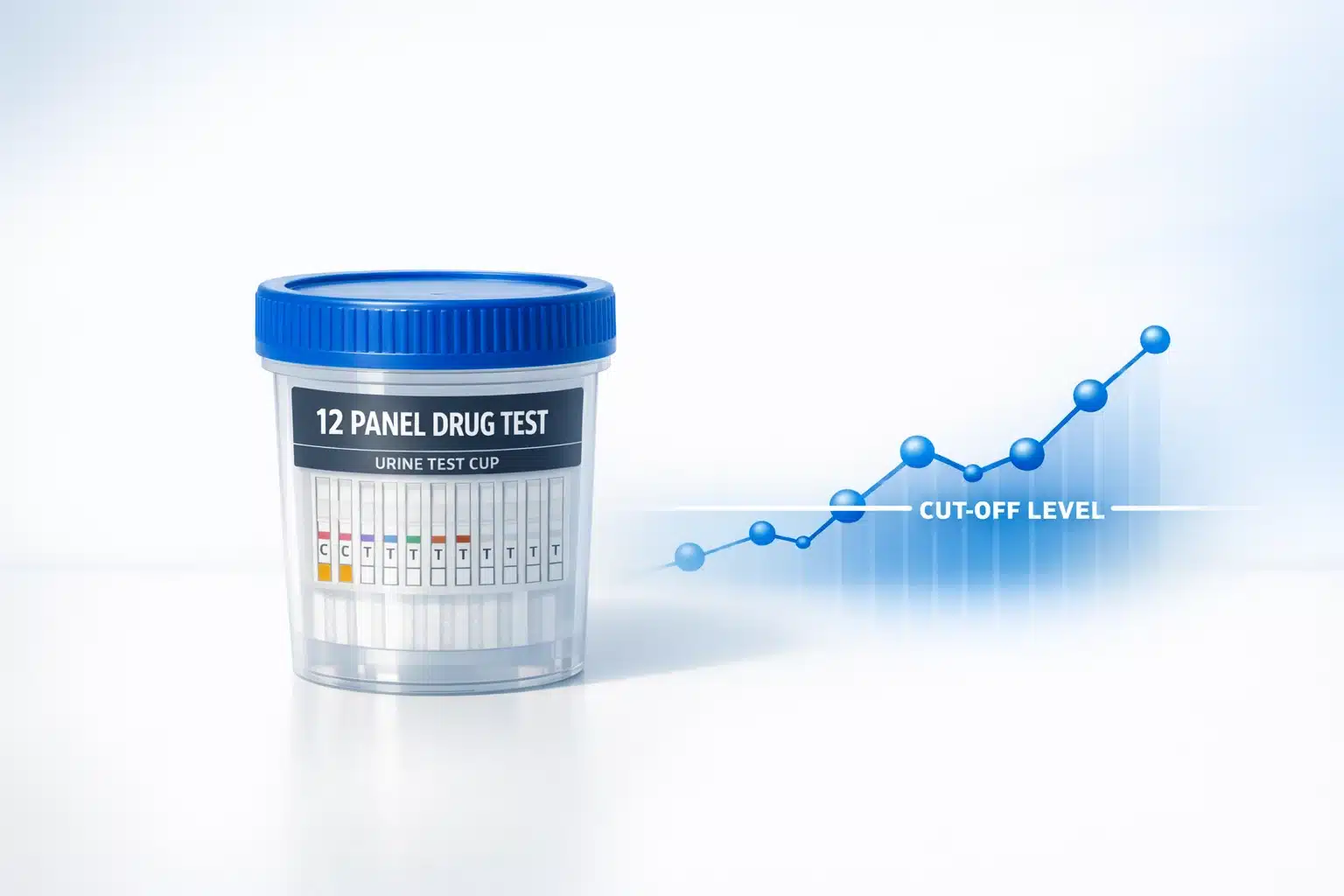
If you are managing a workplace testing program, running a clinical facility, or overseeing compliance, you already know that simply finding a chart with “how long drugs stay in your system” isn’t enough anymore. In 2026, the stakes are simply too high. You aren’t just looking for a positive or negative result—you are looking for a result that is clinically accurate, operationally reliable, and legally defensible.
The core of that defensibility lies in understanding the exact science of cut-off levels and detection windows. When an employee disputes a result, claiming they were exposed to secondhand smoke or ate a poppy seed bagel, your confidence relies entirely on the technical specifications of your testing supplies.
Let’s pull back the curtain on the physiological and analytical thresholds that dictate drug test performance, so you can evaluate and select the right testing protocols for your organization with total confidence.
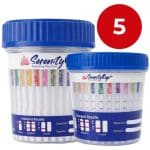
A defensibility-first snapshot of common cut-offs and detection windows—paired with 2024 regulatory context—so teams can compare thresholds before choosing a testing program.
The Bio-Chemical Clock: How Bodies Process Substances
To understand detection windows, we first have to understand solubility. The timeframe a substance remains detectable isn’t arbitrary; it is governed by how the human body metabolizes and stores different molecular structures.
Take the comparison between water-soluble and lipid-soluble (fat-soluble) substances. Water-soluble drugs, like cocaine, are flushed through the body rapidly. Their half-life is remarkably short, meaning detection windows in urine typically close within 2 to 4 days, regardless of whether the individual is a light or heavy user.
Conversely, THC is highly lipid-soluble. When someone consumes cannabis, the active compounds bind to fat cells. As the body burns fat over time, it slowly releases these stored compounds back into the bloodstream to be filtered by the kidneys. This half-life decay explains why a one-time user might clear a urine test in 3 days, but a chronic, daily user might trigger a positive result at the standard 50 ng/mL cut-off for 30 days or more.
When you select a testing product, you are buying a specific net designed to catch these specific physiological timelines.
Metabolite vs. Parent Compound: Getting Closer to the Source
One of the most critical decisions clinical and HR buyers face today is choosing between urine and oral fluid testing. The scientific difference between the two comes down to parent compounds versus metabolites.
When a person consumes a drug, their body acts as a chemical processing plant, breaking the drug down into byproducts called metabolites.
- Urine tests screen for these metabolites (for example, looking for THCCOOH rather than active THC). Because the body takes time to process the drug, metabolites show up in urine later but stay much longer, providing an excellent historical record of use.
- Oral fluid tests look for the parent compound—the actual, un-metabolized drug still residing in the saliva glands.
Because oral fluid tests detect the parent compound, they can identify drug use within 1 to 2 hours of consumption, long before metabolites ever reach the bladder. This is precisely why oral swabs have become the gold standard for “reasonable suspicion” or post-accident testing where current impairment proximity is the primary concern.
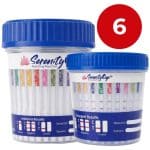
Use this matrix to match specimen type to your goal—impairment proximity, routine compliance, or investigation—while keeping defensibility requirements in view.
Sensitivity vs. Specificity: Navigating the Cut-Off Trade-Off
A cut-off level is the exact concentration of a drug or metabolite that must be present in a sample to trigger a “non-negative” result. It’s the analytical line in the sand. But setting that line involves a delicate mathematical trade-off between sensitivity (catching every possible user) and specificity (avoiding false positives).
If you choose a highly sensitive test with a very low cut-off—say, 20 ng/mL for THC—you will undoubtedly catch more recent or light use. However, you significantly increase your operational risk.
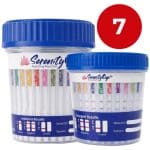
Lower cut-offs catch more use—but can raise false-positive risk. This visual frames the trade-off and when 50 ng/mL is commonly used for defensibility.
The Passive Exposure Guard
Why is the industry standard for THC screening set at 50 ng/mL? This threshold was established by SAMHSA specifically to protect organizations against the “passive exposure” defense. Scientific data confirms that passive exposure to secondhand marijuana smoke typically peaks at around 20 to 40 ng/mL in the human body. By utilizing CLIA-waived products calibrated to a 50 ng/mL cut-off, you automatically neutralize claims of secondhand smoke. The science proves that surpassing the 50 ng/mL threshold requires direct consumption.
The same logic applies to opiate cut-offs, which were raised from 300 ng/mL to 2,000 ng/mL specifically to eliminate false positives from dietary poppy seed ingestion. Understanding these thresholds is your first line of legal defense.
The 2026 Regulatory Landscape: DOT, Oral Fluids, and Compliance
Staying compliant means tracking how regulatory bodies adjust these scientific thresholds over time. We saw a major shift recently in the Department of Transportation (DOT) and SAMHSA guidelines regarding oral fluid testing.
While the DOT officially authorized oral fluid testing for transportation workers, late 2024 saw a significant logistical bottleneck: a lack of HHS-certified laboratories equipped to handle the required split-specimen testing for saliva. As we navigate through 2026, the lab infrastructure has caught up, making oral fluid testing a fully viable, legally defensible pillar of both federal and non-mandated workplace programs.
When evaluating suppliers today, ensure their products align with these current federal thresholds. High-quality, screening devices are manufactured strictly to these precise cut-offs to ensure seamless integration into compliant policies.
Building a Bulletproof Defensibility Protocol
A dependable program relies on a two-step testing protocol. Relying entirely on a rapid screen for final employment or clinical decisions leaves you vulnerable. Here is the defensibility protocol trusted by leading organizations:
- The Immunoassay Screen: You begin with a highly reliable, CLIA-waived rapid test (like a 12-panel cup or oral swab) that provides high accuracy at the SAMHSA-recommended cut-off levels. This clears the vast majority of your negative samples immediately, saving immense lab costs.
- The GC-MS Confirmation: If the initial screen yields a non-negative result, the specimen must be sent out for Gas Chromatography-Mass Spectrometry (GC-MS) or Liquid Chromatography (LC-MS) testing.
Notice that confirmation cut-offs are usually lower than screening cut-offs (e.g., screening at 50 ng/mL but confirming at 15 ng/mL). This isn’t a discrepancy; it’s by design. The screening test looks for a broad class of metabolites, while the GC-MS confirmation zeroes in on one specific molecular structure.
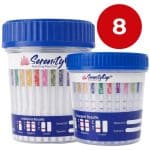
A defensibility-ready workflow that aligns policy, collection, screening, confirmation, and documentation—so results hold up under audit, disputes, and regulatory scrutiny.
Frequently Asked Questions
Can choosing a lower cut-off increase my organization’s risk of false-positive disputes?
Absolutely. While a lower cut-off (e.g., 20 ng/mL for THC) increases test sensitivity, it drastically reduces specificity. This opens the door to non-negative results triggered by passive exposure or certain over-the-counter medications, increasing your liability and HR burden during the dispute process.
Why do US and UK workplace drug testing standards differ?
The US landscape is heavily driven by federal guidelines (SAMHSA/DOT), creating a unified focus on legal defensibility and avoiding false positives. The UK market historically places more emphasis on brand-specific hardware cut-offs and localized workplace policies rather than a centralized federal standard. If you operate internationally, ensure your hardware aligns with the local region’s specific regulatory expectations.
Is oral fluid testing legally defensible compared to urine testing?
Yes. When utilizing CLIA-waived oral swabs, saliva testing is highly defensible. It is actually considered legally superior in “reasonable suspicion” or post-incident scenarios because it detects the parent compound, directly indicating recent use and closer proximity to impairment.
Next Steps: Choosing the Right Supplies for Your Program
Understanding the science behind detection windows and cut-off levels is what separates an adequate testing program from an exceptional, bulletproof one. The hardware you choose forms the foundation of that defensibility.
You need testing supplies that remove the guesswork. Sourcing CLIA-waived drug testing cups and oral swabs ensures your organization is operating precisely on the analytical lines drawn by top regulatory bodies.
By prioritizing quality hardware calibrated to defensible cut-offs, backed by a 99% reliability rate, you safeguard your organization’s compliance while keeping your operational costs lean. Focus on suppliers who value transparency and accuracy just as much as you do, so you can make critical personnel and clinical decisions with absolute certainty.