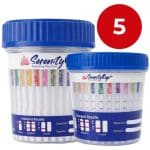
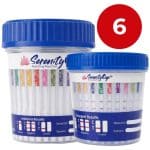
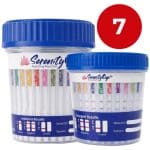
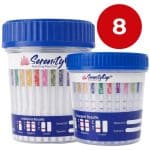
Common Drugs Detected By Each Panel


Drugs detected by panel drug tests vary depending on the type of screening used, but understanding these differences is essential for creating a safe and drug-free environment. Drug testing plays a critical role in maintaining compliance, safety, and overall health—particularly in workplaces and clinical settings. 12 Panel Now provides reliable solutions for comprehensive drug screening, helping organizations detect substance use accurately and efficiently. The National Institute on Drug Abuse (NIDA) has been instrumental in developing standardized drug testing panels, while the Mental Health Services Administration certifies laboratories and sets rigorous standards for screening. This guide explores the different drug testing panels available, including the substances detected by each, offering clear insight for employers, healthcare professionals, and anyone seeking effective drug testing solutions.
Overview Of Drug Testing Panels
Drug testing panels vary in complexity, ranging from simple 5-panel tests to comprehensive 12-panel ones. These panels are designed to screen for various substances present in urine, which is the most common specimen type used for these tests. Urine specimens are widely used in both laboratory and home test kits due to their effectiveness in detecting expanded opiates, semi-synthetic and synthetic opioids, and other substances. Home test kits and at home drug tests are also available, offering a convenient and private option for drug screening, though they may have limitations in accuracy and scope compared to laboratory testing.
The number of substances screened increases with the panel’s size, providing broader detection capabilities. Multi-panel tests can detect various drugs and different drugs, including both illicit and prescription medications, in a single urine specimen. Accurate results are essential for both workplace and home settings, ensuring organizations and individuals can make informed decisions and uphold policies and regulations related to substance use.
Hair Drug Testing
Hair drug testing is an advanced method used to detect drug use by analyzing a small hair sample, typically taken from the scalp. Unlike urine drug testing, which identifies recent drug use within a few days to a week, hair testing offers a much longer detection window—often up to 90 days—depending on the length of the hair sample collected. This makes hair drug testing a valuable tool for organizations and healthcare providers seeking a comprehensive overview of an individual’s drug use history.
The process involves collecting a hair sample, usually about 1.5 inches in length, which represents approximately three months of potential drug exposure. Because drugs and their metabolites are deposited in the hair shaft as it grows, hair testing can reveal patterns of drug use that urine testing might miss, especially in cases of intermittent or long-term substance use.
Hair drug testing is often used alongside urine testing to provide a more complete assessment, particularly in situations where ongoing drug use or compliance with substance abuse programs needs to be monitored. This method is less invasive than some other forms of drug testing and is difficult to adulterate, making it a reliable choice for employers, legal cases, and clinical settings.
By combining hair drug testing with traditional urine testing, organizations can ensure a thorough approach to drug screening, helping to maintain safety, compliance, and overall health in the workplace or clinical environment.
1. What Is A 5-Panel Drug Test?
The 5-panel drug test is a standard method commonly used for federal workplace testing, especially in compliance with DOT regulations. This basic panel is designed to detect five primary categories of drugs that pose the most significant safety risks. It specifically targets commonly abused substances and controlled substances, including both illegal drugs and certain prescription drugs, to help employers identify high-risk drug use and maintain workplace safety. A medical review officer may review and confirm positive results to ensure accuracy and fairness.
a. Common Drugs Detected
-
- Marijuana (THC): The active compound found in cannabis.
- Cocaine: Detected as benzoylecgonine, a metabolite of cocaine use.
- Opiates/Opioids: Includes substances like heroin, morphine, and codeine.
- Amphetamines: Covers amphetamine, methamphetamine, and MDMA (ecstasy).
- Phencyclidine (PCP): A dissociative drug that can impair judgment and motor skills (also known as angel dust).
The 5-panel test is designed to detect certain drugs most associated with workplace safety risks, but it can also be expanded to include other drugs as needed, such as prescription medications or synthetic substances.
This fundamental test serves as the first line of defense in workplace drug screening, offering essential safety oversight.
2. Understanding The 10-Panel Drug Test
The 10-panel test extends beyond the 5-panel, adding more substances to the screening list. In addition to illicit drugs, the 10-panel test commonly includes prescription medications and highly addictive drugs, increasing its effectiveness in detecting substance abuse and potential safety risks. This option is typically used by non-federal employers looking to enhance workplace safety while still adhering to selected guidelines. Positive results from a 10-panel test may require confirmatory testing to rule out false positives and ensure accuracy.
a. Drugs Typically Included
-
- Amphetamines: As listed in the 5-panel.
- Barbiturates: Sedatives that can lead to impairment.
- Benzodiazepines: Commonly prescribed medications like Xanax and Valium.
- Cannabinoids: Again includes THC.
- Cocaine: As previously mentioned.
- Methaqualone: A sedative-hypnotic drug commonly misused.
- Opiates: Similar to the 5-panel but may include additional synthetic opioids.
- Phencyclidine (PCP): Also included here.
- Methadone: Often used in addiction treatment.
- Propoxyphene: A pain-relief medication that has fallen out of favor due to safety concerns.
Some 10-panel tests may also screen for other substances, including alcohol, depending on employer or clinical requirements. This allows for more comprehensive drug and alcohol testing, which is important for workplace compliance and safety.
3. The 12-Panel Drug Test Explained
The 12-panel drug test is one of the most comprehensive standard tests available. It is designed to include all the substances screened in a 10-panel test while adding important synthetic drugs to enhance detection for various scenarios. This test is specifically designed to detect various drugs, including commonly abused substances and controlled substances, providing a thorough screening.
a. Comprehensive Drug Detection
This test typically detects:
-
- All drugs from the 10-panel test
- Buprenorphine: A medication used to treat addiction and pain management.
- Oxycodone: A potent opioid pain medication, frequently misused.
- Other synthetic opioids: Including but not limited to fentanyl, increasing the panel’s relevance in a landscape of emerging drug use trends.
The 12-panel test can also be further customized to include other drugs and prescription drugs relevant to specific workplace or clinical needs.
By employing a 12-panel test, organizations can ensure that they are catching a wider array of potentially troublesome drugs, enhancing workplace safety.
4. Specialized Drug Testing Panels
Specialized drug testing panels can vary greatly in utility based on the setting and requirements of the testing. These panels can be tailored to detect different drugs and are designed to provide accurate results for specific testing scenarios. It is crucial to interpret test results correctly in specialized settings to ensure reliable and meaningful outcomes.
a. Employment vs. Clinical Panels
Employment Panels: Often designed to ensure workplace safety by focusing on high-risk drugs like THC and cocaine. They provide essential compliance for businesses in safety-sensitive sectors.
Clinical Panels: Used in healthcare settings or rehabilitation programs, these panels can be customized to monitor specific treatments. Here, doctors may include additional drugs such as benzodiazepines or others pertinent to patient care and treatment plans. Clinical panels may also test for other substances and prescription drugs to monitor patient compliance and treatment effectiveness.
5. Importance Of Accurate Drug Testing
Accurate drug testing is vital for both safety and compliance across various industries. It ensures that organizations can maintain a drug-free environment, which protects not only the employees but also the integrity of the organization. Drug test results can be either negative results, indicating the absence or undetectable levels of drugs, or positive, showing the presence of drugs or their metabolites. A medical review officer may be involved in reviewing and confirming these outcomes to ensure accurate interpretation and address any potential issues such as false positives.
a. Benefits For Employers and Individuals
-
- Compliance: Helps ensure adherence to government regulations and maintains a legal standard for employers.
- Workplace Safety: Reduces the likelihood of accidents and injuries associated with drug use.
- Fair Screening: Provides a controlled measure ensuring individuals are treated fairly in hiring and employment, with a focus on delivering accurate results for all parties involved.
- Preventive Measures: Acts as a deterrent to illicit drug use in the workplace.
Both positive results and negative results from drug testing panels have specific implications for employment and compliance, helping employers make informed decisions and maintain a fair, safe workplace.
Frequently Asked Questions about Drug Testing Panels
What substances are detected in a 5-panel drug test?
A 5-panel drug test typically detects marijuana (THC), cocaine, opiates, amphetamines, and phencyclidine (PCP), making it a common choice for workplace screenings. The 5-panel drug test is the most common drug test and is considered the standard common panel for workplace screenings in the United States.
How does a 10-panel drug test differ from a 5-panel test?
A 10-panel drug test includes all substances of a 5-panel test and adds drugs like barbiturates, benzodiazepines, and methadone, providing a more comprehensive screening. It also screens for prescription medications and various drugs beyond those in the 5-panel, allowing for detection of a broader range of substances.
What additional substances are screened in a 12-panel drug test?
The 12-panel drug test encompasses all substances from the 10-panel test and adds medications like buprenorphine and oxycodone, enhancing detection for various drug abuse scenarios. This test is specifically designed to detect controlled substances, including those classified under Schedule I and II, which is important for workplace safety. Additionally, the 12-panel test can be expanded to include other substances, such as certain prescription medications or miscellaneous compounds, to provide a more comprehensive screening as needed.
Can specialized drug testing panels be tailored to specific needs?
Yes, specialized drug testing panels can be customized for employment or clinical settings to monitor specific substances relevant to workplace safety or patient care. These panels can be tailored to detect different drugs and are designed to provide accurate results for specific needs.
What are the compliance benefits of drug testing in the workplace?
Drug testing helps maintain adherence to regulations, ensures workplace safety, and promotes a fair screening process, ultimately preventing accidents related to drug use.
How often should drug testing be conducted in a workplace?
The frequency of drug testing in the workplace depends on industry standards and company policies, but regular testing can help deter drug use and enhance safety.