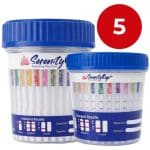
Fentanyl Testing Guide: Why Every 12 Panel Cup Needs It

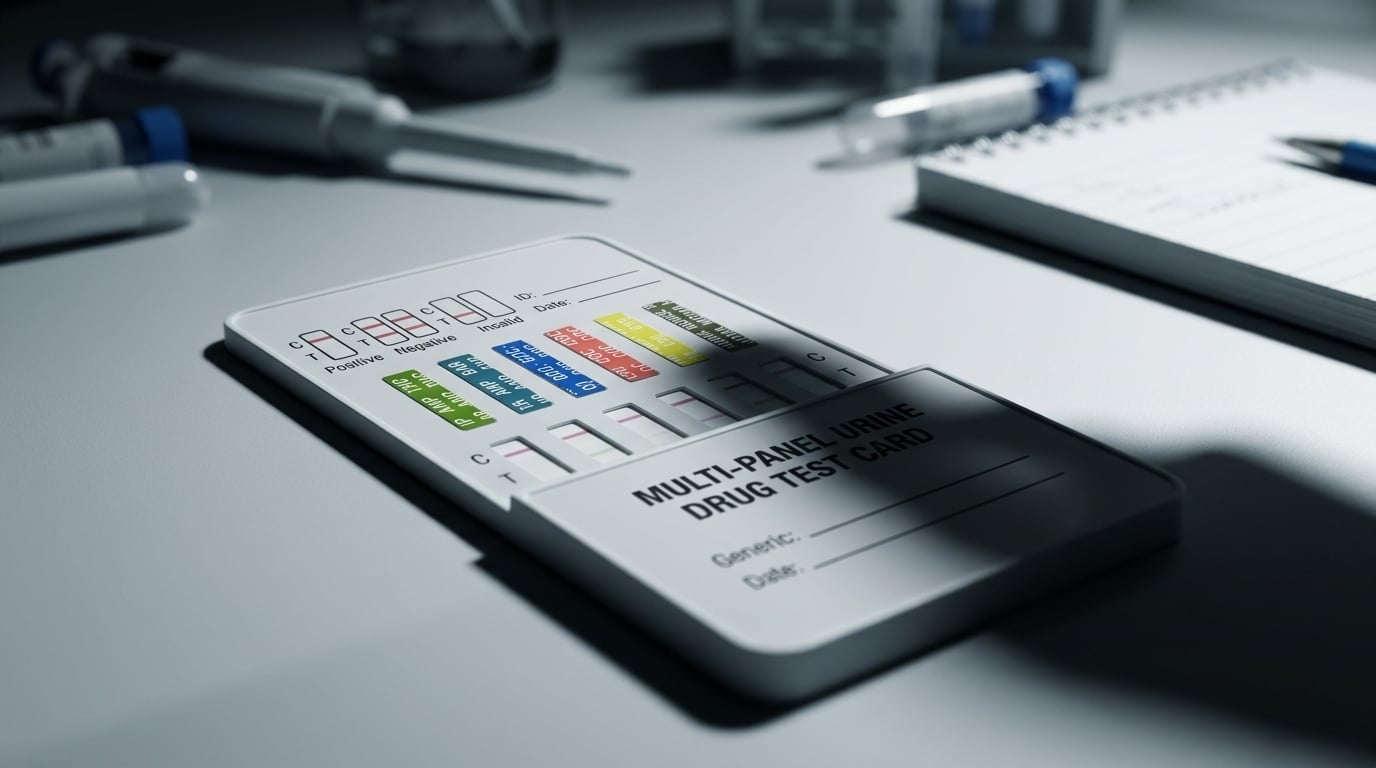
Fentanyl has changed drug screening. A standard 12 panel cup used to cover the most common substances, but that list no longer addresses one of the biggest safety risks. This guide explains why fentanyl screening matters, who should ask for it, and what buyers should check before choosing a test.
Why is fentanyl now a must-have on a 12 panel cup?
Fentanyl is one of the main reasons many buyers no longer want a panel limited to older drug categories. Someone can test negative for several expected drugs and still face a serious overdose risk if fentanyl is present but not included in the screen. That gap matters in workplaces, clinics, recovery programs, probation settings, and at home.
The issue is straightforward. Fentanyl is extremely potent, and people are often exposed when they do not expect it. Public health groups such as the CDC and NIDA have supported fentanyl test strip use as a harm reduction measure because hidden exposure creates real danger. If a 12 panel test does not include fentanyl, the screening picture is incomplete.
What changed with drug risk in the real world?
Drug screening used to focus on familiar categories like cocaine, amphetamines, opioids, THC, and PCP. That approach made sense when those categories covered the main threats. Now the risk profile has shifted. Synthetic opioids, especially fentanyl, have moved from a narrower concern to a central one.
This affects more than illicit opioid use. Fentanyl contamination has been found in street drugs sold as something else. That means a person, family, employer, or treatment provider may be dealing with a hidden risk that an older panel misses. Leaving fentanyl off the test can create false confidence, and in time-sensitive settings, that is a serious problem.
Who should care most about fentanyl on a 12 panel cup?
Short answer: almost anyone using point-of-care drug testing for safety or monitoring. Fentanyl risk is not limited to one setting or one type of user.
- Employers need screening tools that reflect current drug threats, especially in safety-sensitive jobs.
- Clinics and treatment programs need a clearer picture of patient exposure and relapse risk.
- Probation and court programs need screening that matches current public safety concerns.
- Parents and households need better answers when trying to understand possible substance use.
- Public health and harm reduction groups need fast screening tools that match current overdose realities.
All of these groups want the same thing: a test that answers the question they are actually asking. If fentanyl is part of the real-world risk, the screen should reflect that.
Does a standard opioid panel already cover fentanyl?
No, not always. This is one of the most common misunderstandings buyers have. Many standard opiate screens target a class of drugs tied to morphine-related compounds. Fentanyl does not always appear on those standard opiate assays. If a buyer assumes “opiates” includes fentanyl, they can easily end up with a panel that misses the drug they care about most.
That is why buyers should ask one direct question before purchasing: Does this panel include a specific fentanyl screen? If the answer is no, the cup or dip card may still be useful, but it does not solve the fentanyl problem.
Why does fentanyl screening matter in workplaces?
Workplace testing is about safety, policy, and risk control. Fast results help managers make immediate decisions, but speed only matters if the panel covers the right substances. If fentanyl is missing, an employer may overlook a serious hazard while believing the test was broad enough.
This matters most in transportation, construction, manufacturing, healthcare, and any role where impairment can put people at risk. A current panel should reflect current conditions. For many employers, adding fentanyl is not just another box to check. It closes a major blind spot.
Why does fentanyl screening matter in clinics and recovery settings?
In clinical care, a screen helps guide next steps. A rapid test provides same-visit information, which allows providers to respond quickly. If fentanyl is part of the local drug supply or part of the patient’s risk profile, a panel without fentanyl leaves providers with less useful information.
In recovery and monitoring programs, that missing answer also affects trust, treatment planning, and follow-up. If a patient may be exposed to fentanyl, the testing strategy should reflect current risk, not an outdated standard list.

What should buyers look for besides fentanyl inclusion?
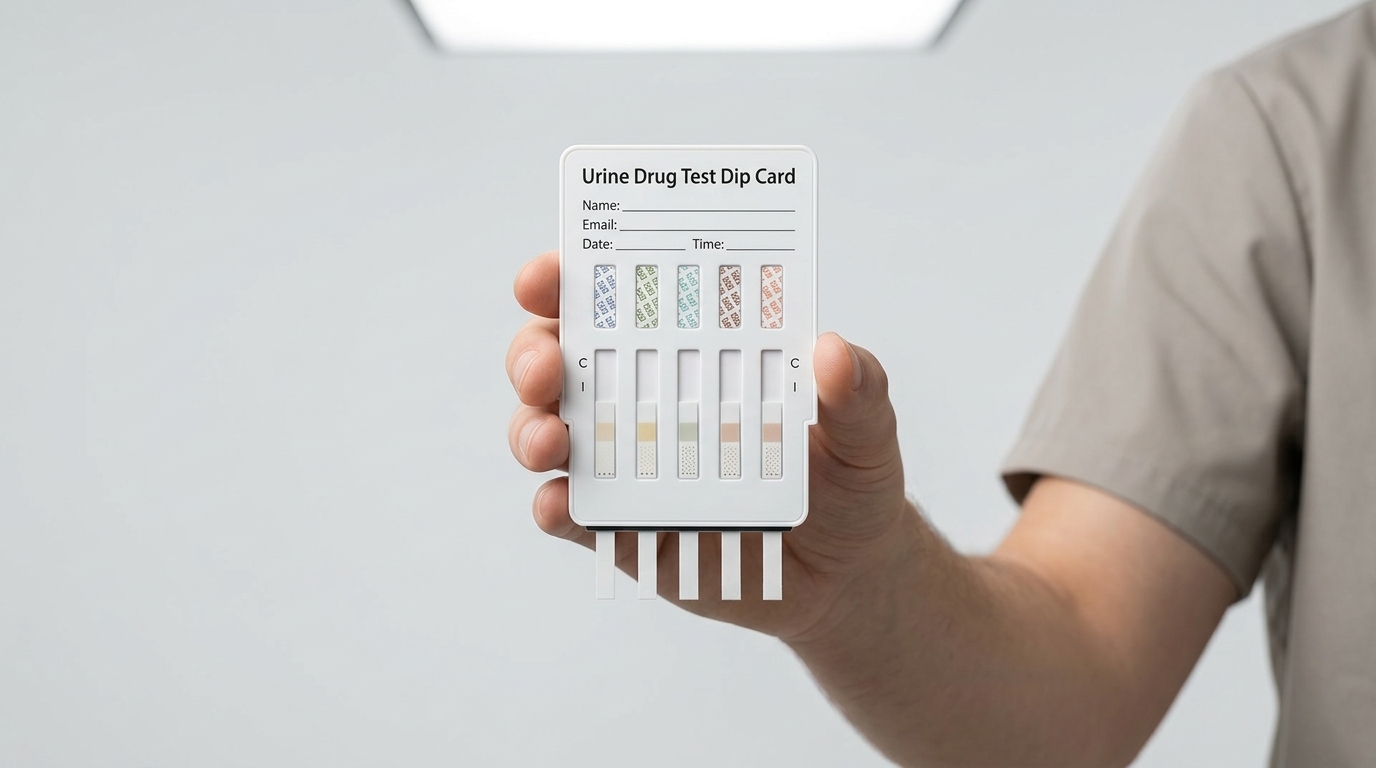
Fentanyl matters, but it is not the only factor. Buyers should also make sure the product fits the setting where it will be used. A good screening tool should deliver clear results quickly and support a simple workflow.
- Regulatory status: Many buyers prefer FDA cleared and CLIA waived options for added confidence and easier use in professional settings.
- Result time: Fast turnaround matters when decisions need to happen on the spot.
- Ease of use: Clear instructions reduce user error.
- Panel relevance: The drug menu should match the risks in your setting.
- Confirmation plan: Positive screens should have a path to lab confirmation when policy or care requires it.
A rapid test is a screening tool, not a final legal or medical ruling on its own. Still, it plays an important role by providing immediate information that helps people act faster and make better decisions.
Are rapid drug tests accurate enough to be useful?
Yes, for screening. Rapid point-of-care tests are widely used because they provide quick answers without lab equipment. Research and everyday practice show they work well as front-line screens, especially for negative results. Positive results still need lab confirmation when required for policy, clinical care, or legal use.
That screening role is exactly why panel selection matters. Even a well-made rapid test cannot detect a drug that is not on the panel. Accuracy starts with choosing the right substances, and for many users, fentanyl now belongs on that list.
Is fentanyl testing only for harm reduction programs?
No. Harm reduction programs helped bring broader attention to fentanyl detection, and for good reason. But the need now goes far beyond that space. Employers, rehab centers, pain clinics, urgent care teams, probation offices, schools, and families are asking the same question: does this test account for fentanyl risk?
The answer should come from the product itself, not from assumptions. Buyers should treat fentanyl inclusion as a direct requirement whenever hidden exposure is a concern.
How do you know if your current 12 panel test is out of date?
A simple rule helps: if your panel reflects old assumptions more than current threats, it is time to review it. Many test choices stay in place for years because the old setup still “works.” But drug risk changes faster than purchasing habits.
Ask these questions:
- Does the panel include a specific fentanyl screen?
- Does the test fit the setting where I use it now?
- Would a missed fentanyl result create safety, care, or liability problems?
If those questions raise concern, your current test setup probably needs an update.
What is the smartest way to buy now?
Buyers should stop treating a 12 panel test as a fixed format that never changes. A panel is only useful when it matches the risk in front of you. Today, fentanyl belongs in that decision. The right test should be fast, easy to use, and aligned with current screening needs.
That is why many buyers now favor products built for point-of-care use while meeting recognized standards. This is not a passing trend. It is a practical response to current risk. People want fewer blind spots, better answers, and a test they can use right away.
Does every positive fentanyl screen need lab confirmation?
Yes, if your policy, employer rules, clinical protocol, or legal setting requires confirmed results. Rapid tests are screening tools. Their job is to identify what needs follow-up.
Can a fast test still be useful for serious decisions?
Yes. A rapid screen supports immediate next steps, such as temporary removal from duty, clinical review, or added monitoring. Final decisions with legal or medical consequences should follow your confirmation process.
Why not just rely on a lab for everything?
Lab testing takes more time and usually costs more per case. Rapid screening helps rule out many negatives quickly and reserves lab confirmation for results that actually need it.
Conclusion
Fentanyl has changed what a useful drug screen needs to cover. If a 12 panel cup leaves it out, it leaves out one of today’s biggest risks. Buyers who want a more current screening option should choose a product that supports fast, clear, point-of-care use. For a practical next step, try 12 Panel Dip Test – FDA approved and CLIA waived from 12 Panel Now.