What Is Mitragynine? Understanding Kratom and How It’s Detected


Mitragynine is the main active compound in kratom, a plant native to Southeast Asia. Kratom has been traditionally used for energy, pain relief, and as an alternative to opium. Today, it’s consumed in various forms like powders, teas, and extracts, but its unregulated use raises safety concerns. Mitragynine interacts with opioid receptors in the brain, offering stimulant effects at low doses and sedative effects at higher doses. However, excessive or frequent use can lead to dependency, withdrawal symptoms, and severe health risks, especially when combined with other substances.
Testing for mitragynine is increasingly important in workplaces, healthcare, and legal settings. Standard drug tests don’t detect it, so specialized methods like LC/MS-MS or GC-MS are required. Urine tests are the most common, detecting mitragynine for 1–3 days, while blood and saliva tests are better for recent use. The lack of regulation in kratom products adds to the risks, as their strength and composition often vary.
To ensure safety, organizations can implement targeted testing programs using tools like multi-panel cups, oral swabs, or single drug strips. Each option has its advantages, with costs ranging from $0.29 to $4.29 per test. Combining proper testing methods with clear policies helps address the challenges posed by kratom use.
What Mitragynine Does and Its Effects
Chemical Makeup and Its Action
Mitragynine is a chemical that acts on many sites in the brain, mostly the mu-opioid spot. When it gets into the body, it turns into 7-hydroxymitragynine, a compound known to be even stronger. Unlike usual opioids, mitragynine works as a partial agent, meaning it triggers these spots but not as much as full opioids do. Its effect on the brain changes with how much is taken. At small doses, it can act more like a wake-up aid, while big doses are more like opioids, giving pain ease and calm. This mix of actions explains the wide range of effects it has on the body and mind.
Body and Mind Effects
Taking small bits of mitragynine can make you more awake, full of go, and easy to talk to. On the flip side, big doses bring pain ease, calm, mild joy, and sleepiness.
But, bad effects can happen. These include feeling sick, hard poop, dry mouth, and less hunger. Some might also feel dizzy or get itchy skin. With often use, you might need more over time to feel the same effects. Using it a lot might make you depend on it, with signs like sore muscles, bad mood, mood changes, a stuffy nose, and sleep troubles.
In times of very big doses or when mixed with other stuff, worse side effects have shown up. These include trouble breathing, fits, liver problems, and heart issues, sometimes needing quick help from a doctor.
Types of Kratom Products
The effects of mitragynine can also change based on the kratom type. The mitragynine in kratom isn’t always the same, as fresh leaves and dried powders have different levels of it. Kratom types are often named by the leaf vein color. For example, red vein kinds usually bring calm, while green and white vein types are more for waking up.
Stuff like strong extracts and concentrates are much more powerful than plain powders. Pills and teas, though, vary in how fast they work and when you feel the effects. Even how kratom is made and kept can change how strong it is – leaves dried fast may keep more chemicals, while heat, light, or air over time can lower their power.
The market not having strict rules adds more guesswork, making it hard to know the exact effects of a product.
Dangers, Wrong Use, and Law Rules
Risk of Getting Hooked
Kratom’s key part, mitragynine, joins with opioid spots in the body, which may cause physical need. With more use, people may need more to feel the same help. If they stop all of a sudden, they might face withdrawal signs like those seen in mild opioid withdrawal, such as sore muscles, upset moods, poor sleep, a running nose, and feeling restless.
Many use kratom many times each day just to stay away from these bad signs. This habit can mess up daily tasks and hurt how well they feel overall.
The risk of need and withdrawal goes up with bigger doses. Also, kratom goods often differ in strength, leading to more chances of using it wrong by chance. With no set rules on how much to take or product checks, people may take too much – this is even more true with strong extracts that are much stronger than the basic kratom powder.
Laws from Governments
Due to health worries, groups like the FDA have looked closely at kratom. The FDA has said that kratom is not OK for medical use and has stopped bad shipments.
The DEA once thought about making kratom a Schedule I drug – a tag for drugs seen as very likely to be misused with no accepted medical use. While not marked like this yet, the DEA still keeps an eye on how it’s used and can step in if needed.
Laws differ a lot in the U.S. Some places have total bans or rules on how old you must be to use it, while local groups have set their own laws, making a mix of legal rules.
With no one set of federal rules, problems grow. Without checks for safety, how pure it is, or right labels, kratom goods can have things in them they shouldn’t, wrong doses, and untrue claims about health gains.
Mixes with Other Drugs and Safety Issues
Kratom’s dangers grow, especially when mixed with other drugs. Mitragynine slows down the body’s drug breakdown system, which may make some drug effects stronger.
When taken with drugs for pain that come from opioids, kratom’s effects on opioid spots can dangerously lower how you breathe. There are also worries about how it works with drugs for mood and fear, which might lead to serotonin syndrome in some cases. This severe state comes with muddle, fast heart rate, high blood pressure, and hard muscles, and often needs quick care.
Kratom can also mess with drugs like blood thinners, heart medicines, and seizure medicines, which need liver systems to work well. These mixes may make these drugs work worse or become more harmful.
The unsure strength and make-up of kratom goods make these risks even less clear. Users may not know how much they are taking in, making unseen side effects or weaker effects of other medicines more likely.
Mixing booze with kratom adds more risk, as each can slow down the body’s main nerve control. This mix lifts the chance of lung issues and harm to the liver. These safety worries show why we need good tests to keep an eye on kratom use in health and work places.
How to Check for Mitragynine
Why We Need to Check for Mitragynine
As more people use kratom in the US, the need to test for mitragynine is growing. Many work safety plans test for things that can make work bad, like when workers use big machines, drive, or keep people safe. Kratom can make you slow and less sharp, so testing is key for work safety. In health care, knowing if a person uses kratom is key for making safe care plans. Also, testing for mitragynine can help in court cases or when checking if someone followed the rules on probation.
But, normal drug tests like the 5-panel or 10-panel ones do not find mitragynine. This means we need special tests that use more high-end ways to spot kratom use right.
Ways to Test
There are two main ways to check for mitragynine. The first step is often a test using antibodies that find mitragynine fast. This first result helps, but more tests are needed for legal or work reasons. The full test uses high-tech tools like LC/MS-MS or GC-MS. These tools not only find if mitragynine is there but also how much is there.
Mitragynine is one of four parts that look much alike at a tiny level. Studies show that in 28% of tests that find something, the amount of mitragynine is too small to see, with other parts making the test positive. For example, one study found a different part in most tests, but mitragynine was the big part in only 17% of them. In all, about 20% of what the test found was mitragynine, but could be as little as 5.5% or up to 53%.
With all this in the mix, the right way to test needs to sort each part well. Labs need to use good methods and right stuff to be sure the results mean what we think. This care is a must to keep places of work and health care safe. It’s also key to pick the right kind of sample, as we will talk about next.
Types of Samples and How Long They Can Find Mitragynine
Urine Testing Urine tests are most used because they can find mitragynine for a longer time and are easy to do. They can see mitragynine if used once for 1-3 days and from steady use for even longer. How much you took, how often, your body’s process, and your size change how long it shows up. With a half-life of about 24 hours, small bits of mitragynine can stay longer if used often.
Blood Testing Blood tests find very new use of mitragynine, mostly in 24–48 hours. This way is best for seeing if someone just used it. Yet, you need skilled people to take the sample, and it costs more than urine tests.
Mouth Swab Tests
Mouth swab tests fit right in the middle of pee and blood tests. They can find kratom use from 1–3 days ago, and are less of a bother than drawing blood. They work well in jobs where fast results matter, but might miss use from many days back.
It’s key to handle samples right to get true results. Pee should go into plastic jars with no added stuff and be kept in a safe place – at mild heat for short times or cold/iced for long times. Labs might set their own levels for what counts as a positive since there’s no nation-wide rule set when things like other mix-ups are there. Also, some kratom items have other bad stuff like fentanyl or heroin mixed in, so full testing matters to truly know what was taken.
sbb-itb-99fc241
How to use our Kratom Cartridge Test
Setting Up Kratom Testing Programs
Creating an effective kratom testing program is essential for maintaining workplace safety and meeting regulatory requirements. By combining reliable detection methods with thoughtful program design, organizations can address operational needs while ensuring compliance.
Choosing the Right Testing Products
Selecting the right testing tools depends on your workplace’s specific needs. Here’s a breakdown of available options:
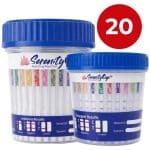
- Multi-Panel Drug Test Cups: These are ideal for workplaces requiring comprehensive testing. They can detect kratom along with other substances, provide rapid results, and include features like temperature strips to verify sample integrity and leak-proof designs for secure handling.
- Oral Swabs: A less invasive option, oral swabs are great for detecting recent kratom use. They’re particularly useful for random testing or post-incident screenings, especially when urine collection isn’t practical.
- Single Drug Test Strips: If kratom is your primary concern, single test strips allow for targeted testing. They focus solely on mitragynine detection, offering a cost-effective solution for workplaces where kratom use is a specific issue.
For high-risk roles, like those involving heavy machinery, multi-panel cups may be the best choice due to their broader detection capabilities. However, other environments might find oral swabs or single strips more suitable for their needs.
Ensuring Compliance
Compliance with federal and industry-specific guidelines is a critical aspect of any testing program. Here are some key points to consider:
- CLIA-Waived Products: These tests meet federal accuracy standards and can be administered on-site without specialized lab training, making them a practical choice for most workplaces.
- FDA-Approved Products: Using FDA-approved tests adds credibility to your program, especially during legal reviews or union-related discussions. If a positive result is challenged, FDA approval supports the reliability of your testing methods.
- Industry Regulations: Specific industries may have additional requirements. For example, transportation companies under Department of Transportation (DOT) rules should note that kratom isn’t part of standard DOT testing protocols. Meanwhile, healthcare facilities may need forensic-grade tests that meet stricter evidentiary standards.
To maintain program integrity, keep detailed records of product information, including lot numbers and expiration dates, and follow manufacturers’ storage guidelines. Regularly check expiration dates to ensure your tests remain reliable.
Comparing Testing Methods
Here’s a quick comparison of the most common testing methods to help you decide what works best for your organization:
| Testing Method | Detection Window | Cost Per Test | Ease of Use | Best For |
|---|---|---|---|---|
| Multi-Panel Cups | 1-3 days (urine) | $1.29 – $4.29 | Very Easy | Comprehensive workplace programs |
| Oral Swabs | 1-3 days (saliva) | $1.99 – $2.49 | Easy | Post-incident or random testing |
| Single Drug Strips | 1-3 days (urine) | $0.29 – $0.69 | Easy | Targeted kratom monitoring |
Multi-panel cups are the go-to for workplaces needing broad detection capabilities, such as pre-employment screenings or large-scale programs. While they cost more per test, their ability to screen for multiple substances simultaneously makes them highly efficient.
Oral swabs are a convenient choice for quick, on-the-spot testing. They reduce the need for dedicated collection areas and are especially suitable for random testing scenarios.
Single drug strips are the most budget-friendly option for workplaces focused solely on kratom detection. They’re perfect for follow-up screenings or environments where kratom use is a known concern. Ordering in bulk can further reduce costs, and same-day shipping ensures you’re always stocked.
While these testing methods are highly accurate – typically around 99% – it’s important to confirm any positive results with lab testing using LC/MS-MS methods before taking disciplinary or legal action. This step ensures fairness and accuracy in your program.
Conclusion
Grasping the role of mitragynine, the primary active compound in kratom, is essential for maintaining safety in workplaces, healthcare settings, and ensuring compliance with regulations. As kratom use becomes more widespread across the United States, organizations must adopt dependable methods to identify its presence and address associated risks effectively.
Mitragynine’s chemical properties make it detectable through a range of testing methods, whether for pre-employment screenings, routine workplace testing, or monitoring in healthcare environments. Advances in testing technology now offer reliable options, including CLIA-waived and FDA-approved products, which ensure accuracy and confidence in results. Many of these tests boast an impressive accuracy rate of around 99%, providing organizations with the tools they need for informed decision-making.
However, the legal status of kratom adds another layer of complexity. State regulations vary, and federal discussions remain ongoing, creating a shifting legal environment. This uncertainty underscores the importance of having clear policies and reliable testing protocols in place. A well-structured testing program not only ensures safety but also enables organizations to adapt quickly to any regulatory changes.
Cost considerations are equally important. Affordable solutions are available without compromising quality. Whether it’s single drug test strips priced as low as $0.29 or multi-panel cups costing up to $4.29, organizations can find options that align with their budgets. Bulk purchasing and same-day shipping further enhance the practicality and affordability of implementing a kratom testing program.
Ultimately, success depends on selecting the right testing tools and maintaining consistent procedures. Whether you choose multi-panel cups for comprehensive screening, oral swabs for convenience, or single drug strips for focused detection, an effective program relies on dependable testing methods combined with strict adherence to protocols.
FAQs
How does mitragynine interact with opioid receptors, and what does this mean for its effects and risks?
Mitragynine, the main active ingredient in kratom, interacts with opioid receptors in a way that sets it apart from traditional opioids. It works as a partial agonist at mu-opioid receptors, which means it activates these receptors, but not as strongly as full agonists like morphine. This leads to gentler opioid-like effects and may reduce the likelihood of severe side effects, such as respiratory depression or overdose.
What’s also interesting is that mitragynine seems less likely to trigger pathways like β-arrestin 2, which are often associated with many of the harmful effects linked to conventional opioids. However, while this might hint at a potentially safer profile, it doesn’t mean mitragynine is risk-free. Prolonged use or high doses can still lead to dependence and misuse.
What challenges exist in detecting mitragynine in drug testing?
Detecting mitragynine, the primary compound in kratom, can be tricky when it comes to drug testing. Standard drug panels, like the typical 5-panel test, don’t include kratom alkaloids in their screening. Even though specialized tests, such as a 10-panel urine test, can identify mitragynine for up to a week after use, these aren’t part of most routine tests.
Another challenge is the difficulty some testing methods face in distinguishing mitragynine from other compounds with a similar structure, which can make results less clear. High levels of kratom in the system can also sometimes skew results, potentially causing false positives for other substances. Blood tests, while more precise, have a shorter detection window – usually just a few days. Saliva and hair tests, on the other hand, are rarely used for detecting kratom.
Why is kratom regulation so inconsistent, and how does this affect testing for its use?
Kratom regulation across the United States is all over the map – literally. Some states have decided to ban it outright, while others permit its use but impose rules like age restrictions or specific labeling requirements. This patchwork approach makes it tough to establish consistent safety standards nationwide.
The absence of federal oversight only adds to the confusion. With regulations varying so much, ensuring product quality and safety becomes a challenge. This inconsistency also complicates efforts in workplaces and healthcare settings to create dependable testing protocols for detecting kratom use. These gaps underscore the growing need for more unified regulations to protect consumers and support reliable testing practices.