Urine Drug Test Cups vs. Oral Swabs: Choosing the Right Method

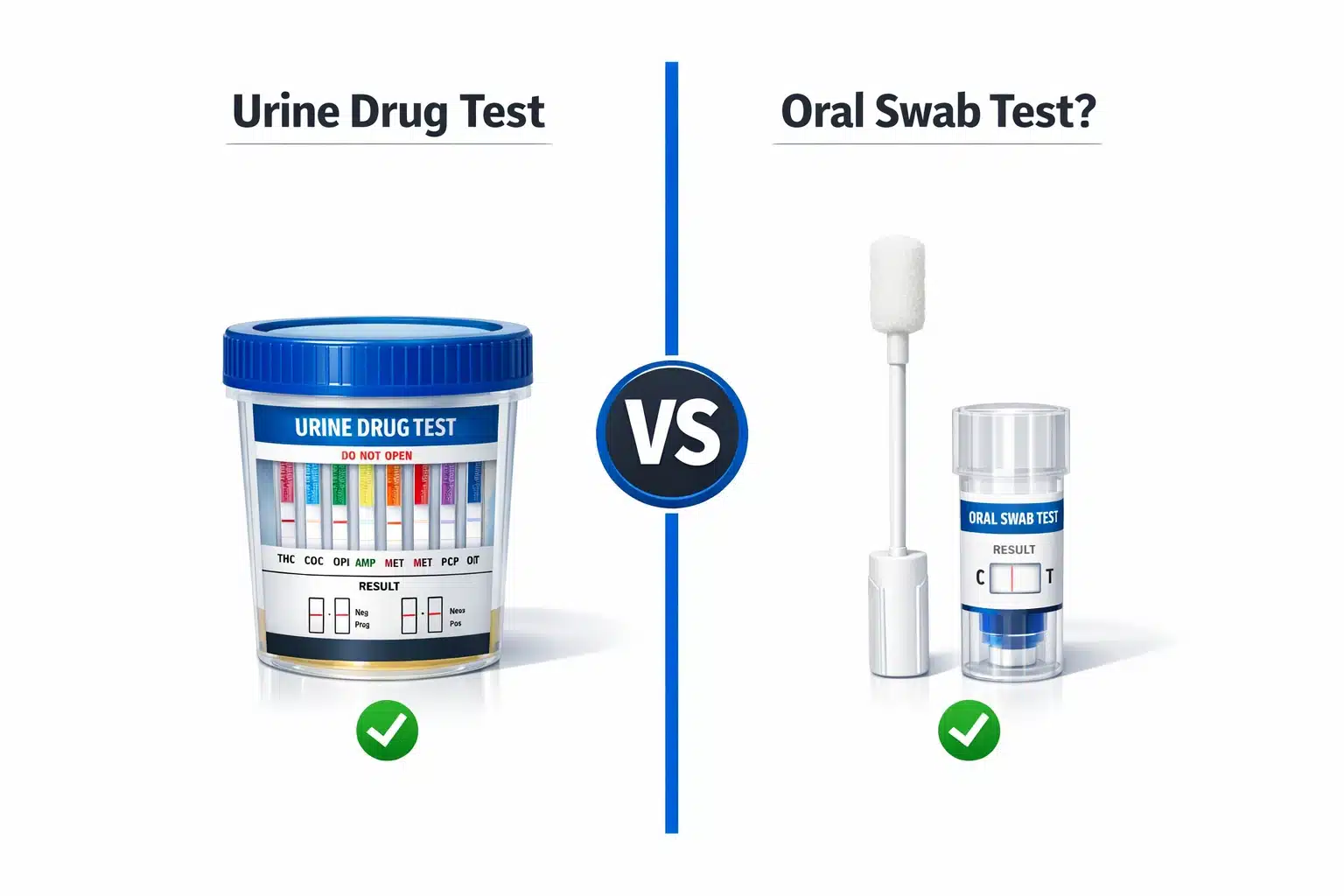
If you manage a testing program—whether for a rehabilitation center, a staffing agency, or a probation department—you’ve likely noticed a shift in the landscape. For decades, urine drug testing (UDT) has been the undisputed king of screening. It is the “gold standard” for a reason. However, recent data shows a massive surge in oral fluid testing (OFT), with adoption growing by roughly 74% over the last two years. By 2024, oral swabs are projected to account for nearly 30% of all workplace screens.
This leaves many facility directors and HR managers in a complex position. Do you stick with the deep detection capabilities of urine cups, or do you pivot to the operational efficiency of oral swabs?
The answer isn’t about which test is “better”—it’s about which test solves the specific risks your facility faces. At 12 Panel Now, we supply thousands of facilities with both solution types, giving us a unique, unbiased view of this trade-off. We aren’t here to sell you a specific format; we are here to help you build a testing protocol that is defensible, efficient, and cost-effective.
This guide breaks down the biological, operational, and financial differences between the two methods so you can make a confident decision.
The Biological Difference: Parent Drugs vs. Metabolites
To choose the right tool, you have to understand what you are actually detecting. The fundamental difference lies in biology.
Urine Drug Tests detect metabolites. When a person consumes a substance, their body breaks it down into waste products (metabolites) that are excreted through urine. This process takes time, meaning urine tests are excellent for detecting historical use. If you need to know if someone has used substances in the past few days or up to a month (for chronic marijuana use), urine is the superior choice.
Oral Fluid Swabs detect the parent drug. This is the drug itself, still present in the saliva before it has been fully metabolized. This makes oral fluid exceptional for detecting recent use—often within minutes of ingestion up to 24-48 hours.
The “Accuracy Paradox”
A common misconception is that oral swabs are “less accurate” because they yield fewer positive results. Research shows that while urine tests detect substances in roughly 3.7% of samples compared to 0.5% for oral fluid, this is often a reflection of the detection window, not the device’s reliability.
- Urine casts a wide net into the past (Lifestyle Monitoring).
- Oral Fluid shines a spotlight on the immediate present (Impairment Monitoring).
The “Cheating” Factor: Adulteration and Observation
If your facility struggles with donors attempting to subvert tests, the method of collection matters more than the chemistry.
The Vulnerability of Urine
Because urine collection requires privacy (except in specific legal or clinical scenarios), it opens the door to adulteration. “Subbing” (using synthetic urine) or dilution are common tactics. While our cups at 12 Panel Now come equipped with adulterant strips (testing for pH, Specific Gravity, Creatinine, etc.) to flag these attempts, the privacy window remains a vulnerability.
The Security of Oral Fluid
Oral fluid testing removes the privacy requirement entirely. The collection is 100% observed. You are standing right in front of the donor, watching them place the swab in their mouth. It is virtually impossible to swap a sample or introduce synthetic saliva without being caught. For environments where trust is low and the risk of cheating is high, oral swabs provide unmatched sample integrity.
Operational Realities: The Hidden Costs of “Shy Bladder”
When evaluating price, many procurement managers look strictly at the unit cost. You might see a urine cup for $1.69 and an oral swab for slightly more, and assume urine is the budget-friendly option. However, this calculation ignores operational friction.
In a high-volume hiring event or a busy clinic, time is currency.
- The Shy Bladder Issue: If a donor cannot produce a urine sample immediately, federal and general best practice guidelines often suggest a wait time—sometimes up to three hours—with fluids provided.
- The Cost: A “shy bladder” incident can add 15 to 45 minutes of labor cost per test for your staff who must monitor the donor.
- The Gender Logistics: Urine testing requires gender-specific staff or gender-neutral bathrooms, adding logistical complexity.
Oral swabs eliminate these “hidden costs.” They require no bathroom, no gender-specific staffing, and can be administered anywhere—from a construction site tailgate to a front office desk.
Strategic Decision Framework: Which Industry Fits Which Method?
Based on the biological and operational factors above, we can map specific industries to their ideal testing solution.
1. Rehabilitation, Probation, and Pain Management
Recommendation: Urine Drug Test Cups
- Why: These sectors generally require “Abstinence Monitoring.” You need to know if the individual has used drugs at all in the past few weeks, not just today.
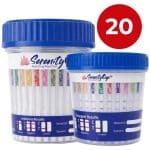
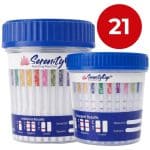
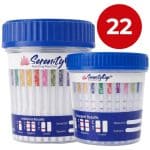
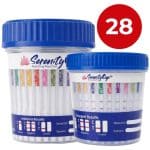
- Panel Depth: These industries often need to screen for a wide variety of substances. 12 Panel Now offers urine cups ranging from 5 to 28 panels, allowing you to test for niche substances like Fentanyl, Kratom, or EtG (alcohol) that might not be standard on basic swabs.
2. Workplace Safety, Construction, and Staffing
Recommendation: Oral Fluid Swabs
- Why: The priority here is “Impairment Safety.” You need to know if an employee is currently under the influence and poses a risk right now.
- Legal Landscape: With the 2023 DOT final rule approving oral fluid testing (pending lab certifications), the regulatory environment is validating oral fluid as a primary workplace tool. It solves the issue of legal cannabis use; you don’t want to penalize an employee for legal consumption over the weekend (which urine might catch), but you strictly prohibit use on the job (which oral catches).
3. “Dual-Method” Hybrid Approach
Many savvy facility directors are now keeping both in inventory.
- Primary Screen: Urine cups for routine, deep-dive monitoring.
- Backup/For-Cause: Oral swabs for “reasonable suspicion” tests, post-accident scenarios where immediate collection is vital, or for donors claiming “shy bladder.”
Best Practices for Administration
Regardless of the method you choose, consistency is the key to legal defensibility.
For Oral Fluid Tests:
- The 10-Minute Rule: Ensure the donor has not had anything to eat, drink (including water), or chew (gum/tobacco) for at least 10 minutes prior to testing. This prevents sample dilution.
- Saturation: Ensure the swab is fully saturated. Most devices have a color indicator that changes when enough saliva is collected.
- Observation: Maintain visual contact throughout the entire few minutes of collection.
For Urine Tests:
- Temperature Check: Immediately check the temperature strip on the cup (90°F–100°F) to verify the sample came from the donor’s body recently.
- Adulteration Check: Review the SVT (Specimen Validity Test) strips to ensure the sample hasn’t been diluted or tampered with.
The 12 Panel Now Advantage
At 12 Panel Now, we understand that your drug testing supplies are critical to your operation’s safety and compliance. Since 2017, we have focused on one mission: providing affordable, highly reliable testing solutions with the speed a busy facility demands.
We don’t just sell one type of test. We offer one of the market’s most extensive catalogs:
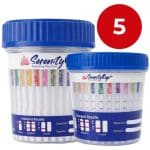
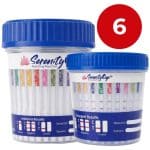
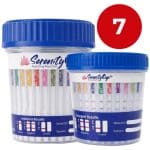
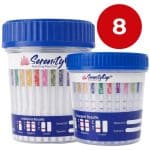
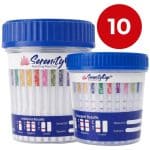
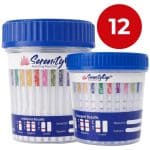
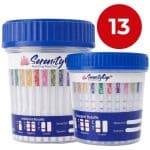
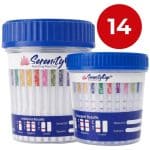
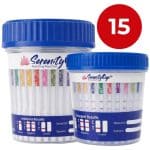
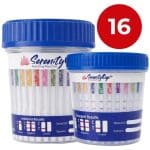
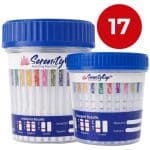
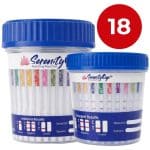
- Urine Test Cups: From standard 5-panel screens to comprehensive 28-panel configurations, available for as low as $1.69.
- Oral Fluid Swabs: High-quality, difficult-to-cheat swabs ranging from 5 to 13 panels.
Because we maintain a massive physical inventory in Boynton Beach, Florida, we offer same-day shipping on most orders. We aren’t a middleman drop-shipping from overseas; we are your domestic partner in safety.
Frequently Asked Questions
Q: Are oral swabs FDA approved?
Yes, many oral fluid devices are FDA-cleared for specific uses. 12 Panel Now stocks CLIA-waived and FDA-approved options suitable for professional medical use.
Q: Can I use oral swabs for probation drug testing?
It depends on your jurisdiction. While urine remains the standard for probation due to the longer detection window, many departments are adopting oral fluid for random checks or low-risk offenders due to the observed collection benefit. Always check your local court orders or agency policy.
Q: Which method is faster to read?
Both urine cups and oral swabs are “rapid tests,” providing results in minutes. However, urine results generally appear slightly faster (instant to 5 minutes) compared to oral swabs, which may require a few minutes for the saliva to saturate and run up the strip.
Q: Can oral swabs detect alcohol?
Yes, specific oral fluid configurations include alcohol screening. However, for long-term alcohol monitoring (up to 80 hours), the EtG urine test remains the superior choice.
Making Your Choice
Your decision between urine and oral testing shouldn’t be a guess—it should be a strategy. If you need maximum detection windows and panel variety, our Urine Drug Test Cups are the industry benchmark. If you need to eliminate cheating, reduce operational delays, and screen for recent impairment, our Oral Swabs are the modern solution.
Explore our full inventory today to find the configuration that aligns with your safety goals.