What to Look For in Rapid Testing to Avoid Bad Results


Rapid testing may seem straightforward, but one weak point can cause real problems. A test that misses the wrong substance, produces an unclear result, or fails to protect specimen integrity can lead to compliance issues, poor decisions, and wasted time. This article covers what buyers should check before choosing a rapid test, with a focus on avoiding inaccurate results and the regulatory trouble that can follow.
Why inaccurate rapid test results create regulatory risk
Inaccurate results do more than create confusion. They can affect hiring, patient care, probation monitoring, workplace safety, and internal policy enforcement. A false negative can let drug use go undetected. A false positive can lead to action against someone who should not have failed the screen.
Regulatory risk starts when an organization cannot show that its testing process was reasonable. If the panel missed a high-risk substance, the sample was mishandled, or the device was not appropriate for the setting, that gap can raise concerns for auditors, managers, legal teams, or program overseers.
Start with the panel: does the test match the real risk?
The first question is simple: What substances do you need to detect? Many buyers look at price or speed first, but the panel matters more. A fast test is not much help if it leaves out drugs that matter in your workplace, clinic, or monitoring program.
Drug patterns change. Standard panels still have value, but many programs now need broader detection. Fentanyl has clear public safety relevance. EtG matters when alcohol abstinence or recent alcohol use is part of the concern. Kratom can matter in treatment, recovery, monitoring, or employer settings where broader visibility is needed.
What to check in the panel
- Does the test include the substances tied to your policy or program?
- Does it cover newer or high-risk substances, not just older standard drugs?
- Will the panel reduce the need for multiple separate tests?
- Does the panel fit your reason for testing: workplace, clinical, legal, or personal monitoring?
A narrow panel can create a false sense of security. If your setting faces risk from fentanyl, alcohol use, or kratom exposure, a test without those targets leaves a serious gap.
Accuracy starts before the result line appears
Many buyers ask, How accurate is a rapid drug test? The better answer is that accuracy depends on both the device and how it is used. Even a strong rapid screen still requires proper handling, clear instructions, and follow-up steps for non-negative findings.
Rapid tests work best as screening tools. They support fast first-step decisions. That speed is useful in workplaces, treatment programs, and public agencies, but only when users understand the limits of screening. A rapid screen should support a sound process, not replace one.
Signs that a test supports more reliable screening
- Clear result windows that are easy to read
- Simple collection steps that reduce user error
- A panel that matches real substance risk
- Results delivered quickly enough for timely action
- A process for confirmatory lab testing when needed
If a product leaves too much room for guesswork, errors become more likely. That puts the entire testing record at risk.
Specimen integrity matters as much as panel breadth
Another common question is, What causes an inaccurate rapid drug test result? One major cause is poor specimen integrity. If the sample is diluted, substituted, contaminated, or handled improperly, the result loses value. A strong screening program does not treat specimen quality as an afterthought.
This matters in employer testing, probation work, treatment settings, and home monitoring. A clean-looking result from a compromised sample is still bad data. Once that data is used to support a decision, the problem gets bigger.
Warning signs buyers should not ignore
- Unclear collection instructions
- No process for checking timing and handling
- Overreliance on the test without reviewing specimen quality
- Staff or users with little training on reading results
Rapid testing works best when collection, timing, reading, and documentation are all consistent.
Fast results help only when the result is actionable
Speed matters because some decisions cannot wait days for a lab report. Employers need quick screening for post-incident review or pre-employment workflows. Clinics need on-site visibility during care. Families and individuals often want private answers without delay. Still, speed by itself does not solve the problem.
The real question is whether the result helps you act with confidence. A five-minute result that covers the wrong substances or creates doubt in interpretation does not protect your process. A useful rapid test gives quick answers that fit the setting and support the next step.
Know when screening is enough and when confirmation is needed
One of the biggest mistakes in rapid testing is treating every result as final. Rapid tests are screening tools. Negative results can help rule out many concerns quickly, while non-negative results usually need confirmation through laboratory methods before final action is taken.
This step protects both the organization and the person tested. It reduces the chance of acting on a screening result alone when the stakes are high. If your policy does not clearly separate screening from confirmation, you create room for avoidable disputes.
A safer testing workflow looks like this
- Choose a panel that fits your real exposure risk.
- Collect the sample using clear, repeatable steps.
- Read the result within the stated time window.
- Document the outcome and any collection concerns.
- Send non-negative or disputed results for confirmation when needed.
This kind of workflow helps reduce preventable mistakes and supports a stronger compliance record.

Ease of use is not a small detail
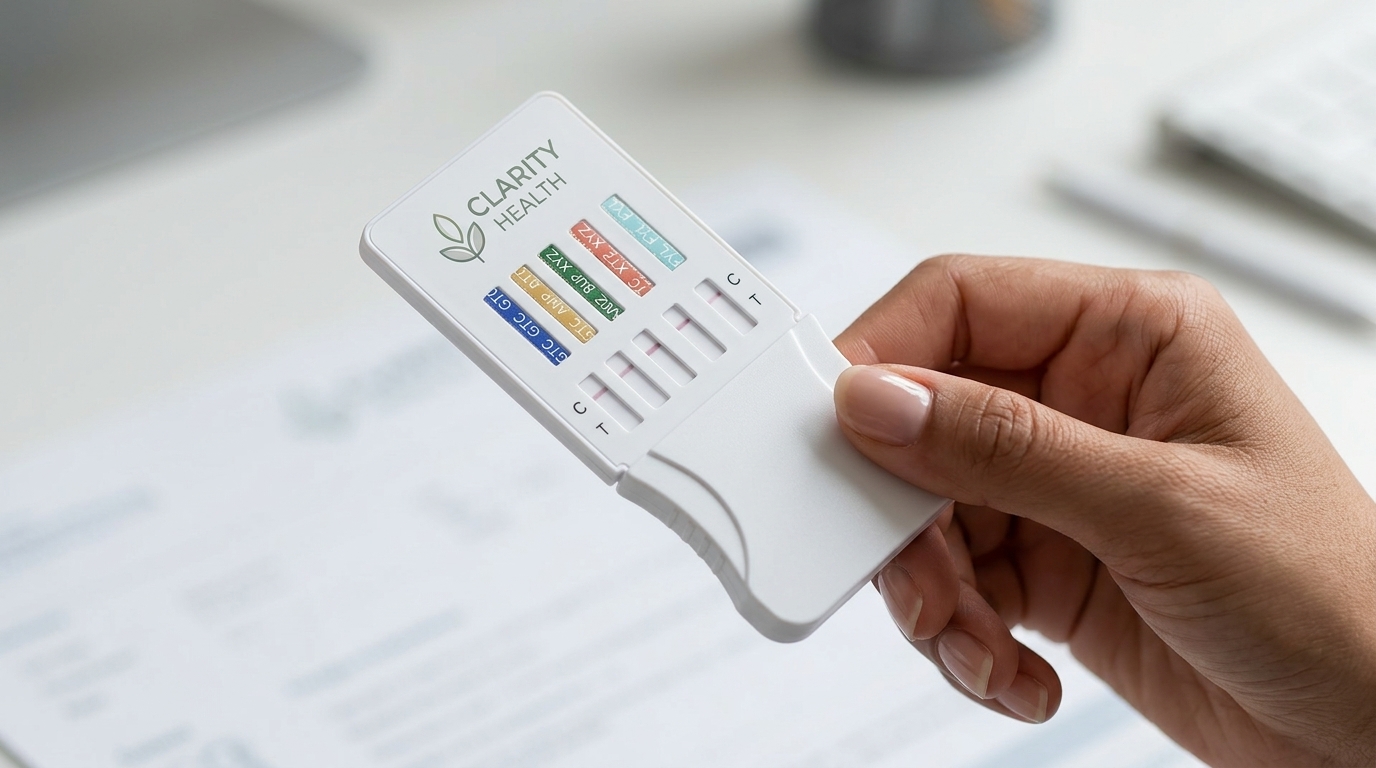
Buyers also ask, Does ease of use affect accuracy? Yes. A test that is hard to handle or difficult to read creates more user error. In real settings, testing does not happen under perfect lab conditions. It happens in offices, clinics, schools, treatment centers, and homes.
A single dip card format can help keep the process simple. Fewer steps often mean fewer mistakes. That simplicity helps busy staff and first-time users follow the procedure with less confusion.
Why broader detection matters right now
Drug use patterns do not stay fixed. Programs that rely on outdated panel assumptions can miss active risks. That is why many buyers are looking beyond basic panels. Fentanyl creates obvious overdose and safety concerns. EtG helps identify recent alcohol exposure. Kratom screening adds another layer where broader monitoring matters.
If your testing choice ignores current patterns, results can appear clean while important substances go undetected. That is exactly the kind of gap that creates policy problems later.
What buyers should ask before purchasing a rapid test
Before you buy, ask direct questions that connect the test to your actual use case. This short checklist can help prevent costly mistakes.
- Does this panel match the substances we truly need to detect?
- Will this format reduce handling mistakes?
- Can our team read and document results clearly?
- Do we have a plan for confirmatory testing?
- Will this test help us defend our process if a result is questioned?
If the answer to any of these questions is no, keep looking. A cheaper test that creates uncertainty can cost far more later in disputes, retesting, or bad decisions.
Where one product fits this need well
For buyers who need broad screening in a simple format, the right option should cover core substances and newer risk areas in one step. That helps reduce testing gaps and lowers the need to piece together multiple separate products.
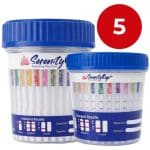
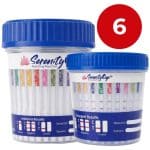
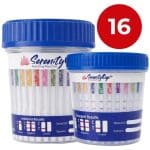
The 16 Panel Drug Test with Kratom, ETG and Fentanyl stands out because it screens for a wide range of substances while also including three targets many buyers now need to monitor closely. It also delivers results in 5 minutes, which supports quick on-site screening without dragging out the process.
FAQ
Can a rapid drug test alone support final disciplinary or legal action?
A rapid test works best as an initial screen. If the result is non-negative and the stakes are high, lab confirmation should follow before final action is taken.
Why does including fentanyl, EtG, and kratom matter?
These targets matter because many standard panels leave them out. If your setting faces risk tied to opioid exposure, recent alcohol use, or kratom use, leaving them out weakens the value of the screen.
Is a wider panel always better?
A wider panel helps only if it matches your real use case. The best panel covers the substances tied to your policy, safety concerns, or monitoring goals without leaving major gaps.
Conclusion
The best rapid test is the one that helps you avoid bad decisions before they happen. Look for a panel that matches current risk, a format that reduces user error, and a process that supports clear follow-up when results are questioned. For reliable broad screening in a simple on-site format, 16 Panel Drug Test with Kratom, ETG and Fentanyl is a smart pick from 12 Panel Now.