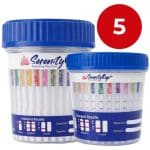
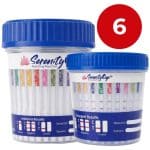
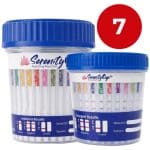
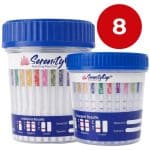
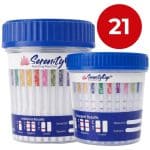
Why Would You Need a 21 Panel Drug Test?


If you’re asking this question, a basic yes-or-no screen probably isn’t enough. A 21 panel drug test makes sense when one or two substances are not the only concern. This article explains who uses this kind of test, what problems it solves, and why a broader panel matters when fast, on-site answers are needed.
What makes a 21 panel drug test different?
A 21 panel drug test screens for a wider range of substances than a basic 5-panel or 10-panel test. That broader view matters when drug use patterns are mixed, unclear, or linked to newer substances that older tests may miss.
For many buyers, the value is straightforward: one test gives a much fuller picture. Instead of ordering multiple tests or trying to guess which substances matter, you get broader screening in a single step. That saves time, cuts screening costs, and reduces the chance of missing something during the first round of testing.
Who usually needs a 21 panel drug test?
Several groups have a clear reason to choose a wider panel. Usually, it comes down to risk, accountability, or uncertainty about what needs to be screened.
- Employers who need broad workplace screening for safety-sensitive roles
- Clinics and treatment programs that monitor recovery or patient compliance
- Probation and legal programs that need frequent on-site screening
- Parents and families who want private screening at home
- Public health and harm reduction teams that need visibility into newer substances
If you fall into one of these groups, a narrow panel can leave too many gaps. A 21 panel test helps close those gaps before you decide whether a sample needs lab confirmation.
Why would someone choose 21 panels instead of a standard test?
1. You need to screen for more than the usual drugs
Standard tests focus on a shorter list of common substances. That works in some settings, but not in every situation. Drug use patterns have changed. Newer substances and mixed use now show up in workplaces, treatment settings, and personal monitoring.
If your concern includes substances like psilocybin, kratom, xylazine, K2, ketamine, fentanyl, or alcohol markers like EtG, a broader panel is usually the better fit. A 21 panel format helps when the question is not “Are they using one common drug?” but “What is actually going on here?”
2. You need faster decisions on site
Lab testing has value, but it takes time. In many settings, that delay creates problems. An employer may need to respond after an accident. A treatment provider may need same-day insight. A parent may want a private answer before a situation gets worse.
Rapid point-of-care testing addresses that first-step need. It gives you an immediate screen so you can make the next practical decision. If a result is non-negative, you can still follow up with confirmation testing.
3. You want to reduce blind spots
A short panel leaves more room for false confidence. Someone may pass a basic screen while still using substances outside that limited panel. That gap matters in safety-sensitive jobs, recovery monitoring, and family situations where trust is already strained.
A 21 panel drug test helps reduce those blind spots. It does not replace every other tool, but it gives you a stronger starting point than a narrow test.
When does a broad panel matter most?
Workplace safety
In transportation, construction, manufacturing, healthcare, and similar fields, safety depends on clear judgment and consistent performance. If an employer uses a narrow test, important substances tied to current drug trends may go undetected. A broad panel gives a better first look.
This matters even more after an incident. Post-accident screening needs speed, but it also needs range. A 21 panel test helps employers avoid relying on yesterday’s list while missing today’s risks.
Clinical and treatment monitoring
Providers in rehab, pain management, and behavioral health need regular screening that reflects real patient behavior. Some patients use prescription drugs, street drugs, alcohol, or newer synthetic substances in combination. A short panel does not always capture that pattern.
A broad panel helps clinicians and program staff monitor compliance, relapse risk, and changing substance use. It provides useful screening data at the point of care and supports better follow-up.
Probation, court, and compliance settings
Legal monitoring depends on consistent, practical testing. Offices handling probation, parole, or supervised compliance need quick answers and a solid reason to trust the sample itself. Broad screening helps identify more substances without sending every sample to a lab first.
This approach supports routine monitoring and helps staff act quickly when a result raises concern.
Home and family use
Some families want privacy and speed. They do not want to wait days for results, and they do not want to guess which test to buy. If the concern is broad or unclear, a 21 panel option often makes more sense than buying several separate tests.
For a parent or household member, the value is peace of mind based on a wider screen, not a narrow one.
Why do built-in sample checks matter?
One of the biggest concerns in urine drug screening is sample tampering. If the sample is diluted, altered, or not freshly provided, the result loses value. That is why built-in sample checks matter just as much as the drug panel.
A test cup with temperature and adulteration checks helps verify whether the sample appears valid at the point of collection. That matters in workplaces, clinics, legal settings, and home use. Without that step, even a broad drug panel can leave room for doubt.

Does a 21 panel drug test replace lab testing?
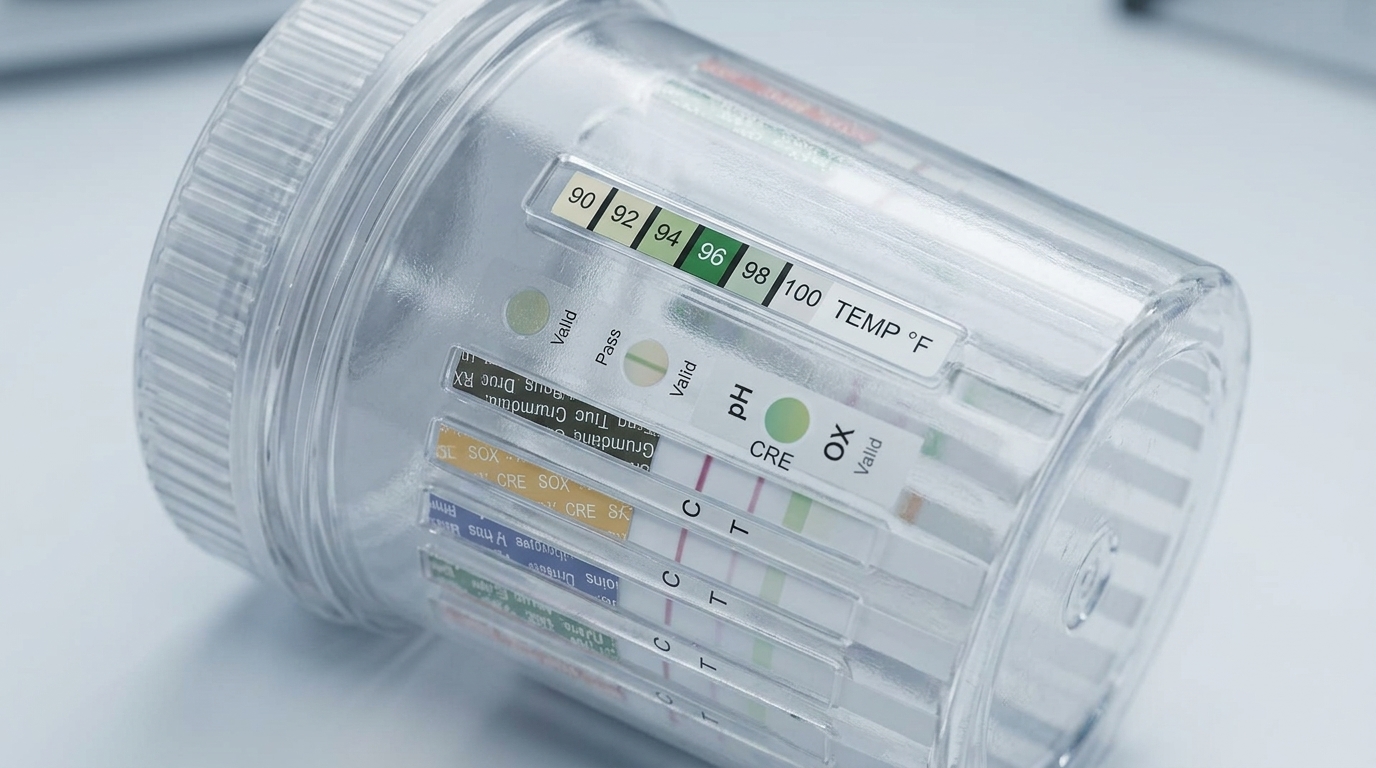
No. A rapid cup test is a screening tool, not the final word in every case. Its role is to provide fast, practical answers on site. If a result is positive or disputed, a lab confirmation test should follow.
That does not make the rapid test less useful. In many programs, screening tests save money because negative results do not need the same level of follow-up. The rapid test works as the first filter, and only the samples that raise concern move on to confirmation.
Is a 21 panel drug test worth the extra cost?
For many buyers, yes. The better question is not just the cost per cup. It is the cost of missing a substance, buying multiple tests, delaying a decision, or relying on a weak screen in a high-risk setting.
If your situation calls for broad detection, one wider panel can be the smarter buy. It can reduce repeat testing, improve first-step screening, and help you avoid the false reassurance that comes with a shorter panel.
What should you look for before buying one?
Most buyers want three things: broad substance coverage, easy on-site use, and sample validity checks. Those factors matter more than flashy marketing claims.
- Wide substance detection for current drug concerns, not just standard legacy panels
- Fast on-site screening for same-day decisions
- Temperature and adulteration checks to support sample integrity
- Simple collection format that works in real-world settings
- Reasonable price for repeat or bulk testing needs
If a product covers these basics well, it meets the real reason most people shop for a 21 panel test in the first place: they need broader answers without making the process harder.
Common buying question: when is a 21 panel test the right choice?
A 21 panel test is the right choice when a basic panel feels too limited for the risk in front of you. If you need to screen for newer substances, monitor broad patterns of use, or guard against sample tampering, a wider cup test is a better fit.
It also makes sense when speed matters. If you need a practical answer now and lab-only testing slows things down, a rapid cup test gives you a stronger first step.
FAQ
Is a 21 panel drug test only for professional use?
No. Employers, clinics, legal programs, and private individuals all use broad panel tests. The right choice depends on why you are testing and how wide a screening range you need.
Can a broad panel help with newer drug trends?
Yes. That is one of the main reasons buyers choose it. A wider panel helps address concerns that older, smaller panels may miss.
Should positive results be confirmed by a lab?
Yes. Rapid drug tests work best as screening tools. Lab confirmation helps verify any non-negative result before a final decision is made.
Conclusion
A 21 panel drug test makes sense when a basic screen leaves too much unanswered. It helps employers, clinics, legal programs, and families get faster results, broader coverage, and more confidence in the sample itself. If you want a practical broad-panel option with built-in validity checks, 21 Panel Drug Test Cup, Psilocybin, KRA, Xylazine, K2, TRA, KET, FEN, ETG & ADLTX, Low price $2.89 from 12 Panel Now is a smart place to start.