Blog

Will Alcohol Fail a Pre Employment Drug Test?

Will Alcohol Fail a Pre Employment Drug Test?

Many job applicants worry after having a few drinks the night before a hiring test and ask, “Will alcohol fail a pre employment drug test?” The answer depends entirely on what your employer ordered. Most standard pre-employment drug screens do not test for alcohol, but some employers, government agencies, and Department of Transportation (DOT) regulated positions specifically include alcohol testing.

Understanding the difference between a standard urine drug screen, an EtG alcohol test, a breath alcohol test, and DOT alcohol screening can prevent unnecessary stress and help you prepare properly.

Quick Answer

No—alcohol alone usually will not cause you to fail a standard pre-employment drug test.

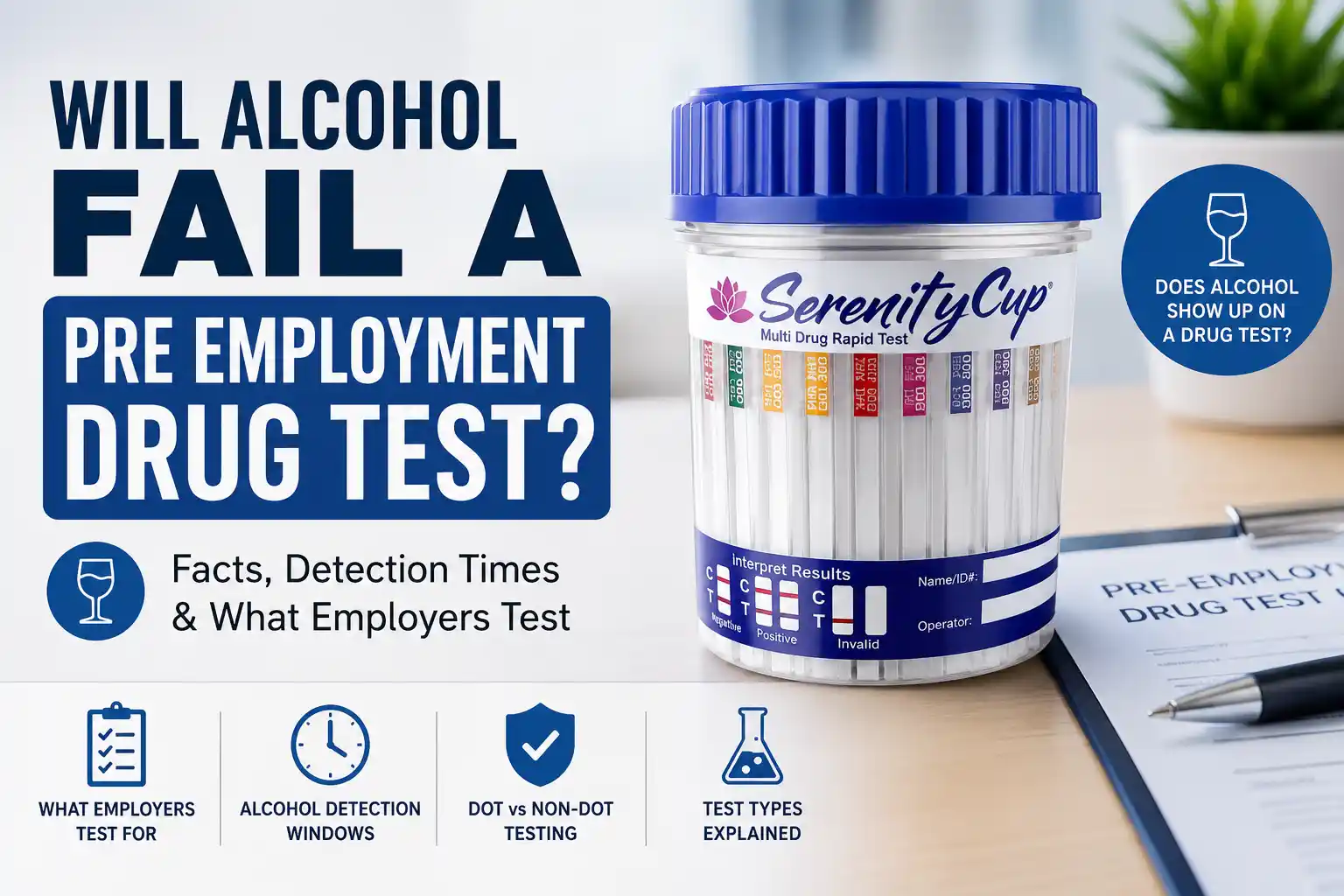
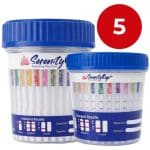
Most employers order a 5-panel, 10-panel, or 12-panel urine drug test, which screens for illegal drugs and certain prescription medications—not alcohol.

However, you can fail if:

  • Your employer specifically ordered an alcohol test
  • The company performs an EtG or EtS urine alcohol test
  • You are applying for a DOT-regulated safety-sensitive position
  • The employer has a zero-tolerance alcohol policy
  • Alcohol testing is required after an accident, reasonable suspicion, or return-to-duty examination

Simple Rule

Test Ordered Alcohol Detected?
Standard 5 Panel ❌ No
Standard 10 Panel ❌ No
Standard 12 Panel ❌ No
Urine EtG Test ✅ Yes
Urine EtS Test ✅ Yes
Breath Alcohol Test ✅ Yes
Blood Alcohol Test ✅ Yes
Hair Alcohol Test (EtG/FAEE) ✅ Yes

For most office jobs, drinking one or two alcoholic beverages the night before does not automatically cause a failed drug test, provided alcohol isn’t part of the testing panel.

Do Standard Pre Employment Drug Tests Test for Alcohol?

The vast majority of employers use standard workplace drug testing panels designed to identify commonly abused controlled substances rather than legal alcohol consumption.

A standard urine drug screen typically checks for drugs such as:

  • Marijuana (THC)
  • Cocaine
  • Amphetamines
  • Methamphetamine
  • Opiates
  • PCP
  • Benzodiazepines
  • Barbiturates
  • Oxycodone
  • Methadone
  • Buprenorphine

Notice what’s missing:

Alcohol (ethanol).

That’s because alcohol leaves the bloodstream relatively quickly and is usually evaluated using specialized testing methods rather than routine employment drug panels.

Why Alcohol Isn’t Normally Included

Employers usually care whether an applicant is:

  • Using illegal drugs
  • Misusing prescription medications
  • Violating workplace drug policies

Alcohol is legal for adults, so companies generally only test when:

  • Workplace safety is involved
  • Federal regulations require it
  • Company policy specifically includes alcohol
  • A safety incident occurred

Why Some Employers Add Alcohol Testing

Alcohol testing becomes much more common in industries involving:

  • Commercial driving
  • Aviation
  • Railroad operations
  • Construction
  • Manufacturing
  • Oil and gas
  • Healthcare
  • Emergency services
  • Law enforcement
  • Government contracts

In these workplaces, impairment creates immediate safety risks.

Does Every Employer Use the Same Drug Test?

No.

Employers choose testing panels based on:

  • Company policy
  • Industry regulations
  • State laws
  • Insurance requirements
  • Position responsibilities
  • Federal compliance

Some order only a 5-panel drug test, while others request:

  • 10-panel
  • 12-panel
  • Expanded 14-panel
  • EtG alcohol testing
  • DOT drug and alcohol testing
  • Hair drug testing

Always review the employer’s testing policy if available.

Does a 5, 10, or 12 Panel Drug Test Include Alcohol?

This is one of Google’s most searched questions.

5 Panel Drug Test

A standard 5-panel screens for:

Alcohol is not included.

10 Panel Drug Test

A 10-panel expands screening to include additional prescription medications and commonly abused drugs.

Alcohol is still not included.

12 Panel Drug Test

A 12-panel drug test typically screens for:

  • Marijuana (THC)
  • Cocaine (COC)
  • Opiates (OPI)
  • Amphetamine (AMP)
  • Methamphetamine (MET)
  • PCP
  • Benzodiazepines (BZO)
  • Barbiturates (BAR)
  • Methadone (MTD)
  • Oxycodone (OXY)
  • Buprenorphine (BUP)
  • MDMA (Ecstasy)

Again:

Alcohol is not part of the standard 12-panel drug screen.

Some employers mistakenly believe “more panels” means alcohol is included—it does not.

Alcohol requires a separate alcohol assay.

Can Alcohol Be Added to a Drug Test?

Yes.

Laboratories frequently customize testing orders.

Examples include:

  • 10 Panel + EtG
  • 12 Panel + EtG
  • 12 Panel + EtG + EtS
  • DOT Drug + Breath Alcohol
  • Forensic alcohol testing

Always read the laboratory requisition form or employer instructions.

When Do Employers Test for Alcohol?

Although routine hiring drug screens usually exclude alcohol, employers may specifically request alcohol testing under certain circumstances.

Common situations include:

Pre-Employment Screening

Some employers require alcohol screening before hiring, particularly for:

  • CDL drivers
  • Pilots
  • Railroad workers
  • Heavy equipment operators
  • Public transportation employees

Random Testing

Companies with strict drug-free workplace policies may randomly screen employees for:

  • Drugs
  • Alcohol
  • Both

Random testing discourages workplace impairment.

Reasonable Suspicion Testing

If a supervisor observes signs such as:

  • Slurred speech
  • Alcohol odor
  • Poor coordination
  • Confusion
  • Erratic behavior
  • Impaired judgment

they may order immediate alcohol testing.

Post-Accident Testing

After workplace accidents, employers often investigate whether impairment contributed.

Testing may include:

  • Drug screening
  • Breath alcohol testing
  • Blood alcohol testing
  • Urine alcohol testing

Return-to-Duty Testing

Employees returning after substance abuse treatment may need:

  • Negative drug test
  • Negative alcohol test
  • Follow-up testing

This is common under DOT regulations.

DOT vs Non-DOT Alcohol Testing

The rules differ significantly depending on whether the position falls under Department of Transportation (DOT) regulations.

Feature DOT Testing Non-DOT Testing
Alcohol Screening Frequently Required Employer Choice
Breath Alcohol Test Standard Optional
Pre-Employment Drug Test Required Usually Required
Random Alcohol Testing Yes (certain safety-sensitive roles) Depends on employer
Federal Regulations Yes No
Medical Review Officer (MRO) Yes Often

DOT-Regulated Positions

DOT alcohol testing applies to many safety-sensitive transportation jobs regulated by agencies such as:

  • FMCSA
  • FAA
  • FRA
  • FTA
  • PHMSA
  • USCG

These employees may undergo:

  • Random alcohol testing
  • Post-accident testing
  • Reasonable suspicion testing
  • Return-to-duty testing
  • Follow-up testing

DOT alcohol testing generally uses breath alcohol testing devices administered by qualified Breath Alcohol Technicians (BATs).

Non-DOT Employers

Private employers outside DOT regulations decide whether alcohol testing is included.

Policies vary widely based on:

  • Industry
  • State law
  • Company risk tolerance
  • Insurance requirements

Many office positions never include alcohol testing during hiring.

Types of Alcohol Tests

Alcohol can be measured in several different ways depending on whether the goal is to identify current impairment or recent alcohol consumption.

Each testing method has a different detection window, specimen type, and purpose.

Breath Alcohol Test

A breath alcohol test measures breath alcohol concentration (BrAC) using a calibrated breathalyzer.

It is commonly used for:

  • DOT testing
  • Roadside testing
  • Workplace reasonable suspicion testing
  • Post-accident investigations

Detects

  • Current impairment
  • Recent drinking
  • Blood alcohol concentration (BAC) estimate

Advantages

  • Immediate results
  • Non-invasive
  • Widely accepted
  • Suitable for workplace testing

Limitations

It cannot determine alcohol use from several days ago because ethanol leaves the breath relatively quickly.

Urine EtG Test

An EtG (Ethyl Glucuronide) test does not measure alcohol itself.

Instead, it detects Ethyl Glucuronide, a metabolite produced after the body processes ethanol.

EtG testing is commonly ordered when employers need evidence of recent alcohol consumption, even after alcohol has left the bloodstream.

Common uses include:

  • Court monitoring
  • Probation
  • Professional licensing
  • Recovery programs
  • Healthcare monitoring
  • Some workplace alcohol programs

Urine EtS Test

EtS stands for Ethyl Sulfate, another alcohol metabolite.

Many laboratories measure:

  • EtG
  • EtS

together because using both markers improves confidence in the results and reduces interpretation errors.

EtS supports confirmation of recent alcohol exposure when EtG findings need additional verification.
Blood Alcohol Test

A blood alcohol test (BAC test) measures the actual concentration of ethanol in the bloodstream. Unlike urine metabolite tests that detect past alcohol consumption, a blood test determines whether alcohol is present in your blood at the time of collection.

Blood alcohol testing is most commonly used for:

  • Emergency departments
  • Workplace accidents
  • Law enforcement investigations
  • DUI cases
  • Medical evaluations
  • Some post-incident workplace investigations

What It Measures

Blood tests measure:

  • Blood Alcohol Concentration (BAC)
  • Current intoxication
  • Recent alcohol consumption

Unlike EtG testing, blood tests cannot detect alcohol several days later because ethanol is rapidly metabolized by the liver.

Hair Alcohol Test

Hair testing for alcohol is very different from standard hair drug testing.

Instead of detecting ethanol itself, laboratories look for long-term biomarkers such as:

  • EtG (Ethyl Glucuronide)
  • FAEE (Fatty Acid Ethyl Esters)

These markers help determine chronic or repeated alcohol consumption rather than whether someone drank last night.

Hair alcohol testing is commonly used for:

  • Family court cases
  • Child custody evaluations
  • Professional monitoring
  • Substance abuse treatment
  • Long-term abstinence programs

Hair testing is rarely used for routine pre-employment screening because it is expensive and intended for long-term alcohol use assessment.

How Long Does Alcohol Stay Detectable?

The amount of time alcohol remains detectable depends entirely on the testing method rather than how long you feel intoxicated.

Several factors influence detection time, including:

  • Amount consumed
  • Frequency of drinking
  • Body weight
  • Age
  • Sex
  • Liver function
  • Hydration
  • Metabolism
  • Overall health
  • Time since last drink

Alcohol Detection Windows

Test Type What It Detects Typical Detection Window
Breath Test Current alcohol Up to 12–24 hours
Blood Test Ethanol About 6–12 hours
Urine Ethanol Alcohol About 12–24 hours
Urine EtG Alcohol metabolite Up to 80 hours (sometimes longer after heavy drinking)
Urine EtS Alcohol metabolite Up to 80 hours
Saliva Test Ethanol Approximately 12–24 hours
Hair EtG Long-term alcohol use Up to 90 days

Important: Detection windows are estimates—not guarantees. Individual metabolism and drinking patterns vary.

Can Drinking the Night Before Make You Fail?

This is the question most job applicants want answered.

If You’re Taking a Standard Pre-Employment Drug Test

Usually, no.

If your employer ordered only a standard:

then alcohol is generally not part of the testing panel.

Having a few drinks the evening before typically will not cause a failed drug test if alcohol is not being screened.

When Drinking the Night Before Can Matter

You could test positive if:

  • An EtG alcohol test was ordered
  • An EtS test was included
  • You are taking a DOT alcohol test
  • Your employer requires breath alcohol testing
  • You are tested after a workplace accident
  • Your employer has a zero-tolerance alcohol policy

Heavy drinking the night before can still produce detectable alcohol metabolites during an EtG or EtS test.

What About Heavy Drinking?

Binge drinking increases:

  • EtG concentration
  • EtS concentration
  • Detection time
  • Chance of a positive alcohol screen

The more alcohol consumed, the longer metabolites remain detectable.

Can Alcohol Affect a Drug Test Sample?

Alcohol usually does not interfere with standard drug testing chemistry, but excessive alcohol consumption can indirectly affect the urine specimen.

Possible effects include:

Dehydration

Alcohol is a diuretic.

Heavy drinking may cause:

  • Concentrated urine
  • Dark urine
  • Elevated specific gravity

These findings do not automatically fail a drug test but may prompt specimen validity review.

Overhydration

Some applicants try to “flush” alcohol by drinking excessive water.

This can produce:

  • Dilute urine
  • Low creatinine
  • Low specific gravity

Diluted specimens often require:

  • Repeat collection
  • Recollection under observation
  • Additional laboratory review

Drinking large amounts of water is not recommended.

Specimen Validity Testing (SVT)

Many workplace laboratories automatically evaluate:

  • Temperature
  • Creatinine
  • Specific gravity
  • pH
  • Oxidants
  • Adulterants

These checks verify that the specimen is authentic and has not been tampered with.

Does Alcohol Cause False Positives?

Generally, no.

Alcohol itself does not cause a positive result for drugs like THC, cocaine, amphetamines, or opioids on properly validated laboratory tests.

Modern immunoassay screening uses antibodies designed to recognize specific drug metabolites.

Can Alcohol Trigger a Positive THC Test?

No.

Alcohol cannot create THC metabolites.

Can Alcohol Cause a Positive Cocaine Test?

No.

Alcohol does not metabolize into cocaine.

However, drinking alcohol while using cocaine produces cocaethylene, a unique metabolite formed in the liver. This occurs only when both substances are used together.

Can Alcohol Cause False Positives on EtG Tests?

Occasionally.

Very sensitive EtG testing may detect incidental exposure from products containing alcohol, including:

  • Alcohol-based mouthwash
  • Hand sanitizer (frequent use)
  • Some cough syrups
  • Certain liquid medications
  • Fermented foods in rare cases

For this reason, laboratories use established cutoff concentrations to reduce false positives from everyday exposure.

When results are unexpected, confirmatory testing helps distinguish incidental exposure from beverage alcohol consumption.

What Happens If Alcohol Is Detected?

The outcome depends on why the test was ordered.

Standard Employment Drug Test

If alcohol was not included, alcohol has no effect because it was never tested.

Employer Requested Alcohol Test

If alcohol testing was ordered:

Possible outcomes include:

  • Passing the test
  • Positive alcohol result
  • Retesting
  • Delayed hiring
  • Withdrawal of the job offer
  • Requirement for additional evaluation

Employer policies vary significantly.

DOT-Regulated Employees

DOT alcohol regulations are much stricter.

A confirmed alcohol violation may result in:

  • Immediate removal from safety-sensitive duties
  • Evaluation by a Substance Abuse Professional (SAP)
  • Completion of recommended treatment
  • Return-to-duty testing
  • Follow-up testing program

Medical Review Officer (MRO)

Many workplace drug testing programs involve a Medical Review Officer (MRO).

The MRO may:

  • Review laboratory findings
  • Verify prescriptions when applicable
  • Explain unexpected results
  • Coordinate confirmation testing
  • Issue the final verified report to the employer

Best Practices Before a Pre Employment Drug Test

The safest approach is simple: arrive healthy, hydrated, and honest.

Before Your Test

✔ Read your employer’s testing instructions.

✔ Ask whether alcohol testing is included if the policy is unclear.

✔ Avoid heavy drinking for at least 24–48 hours before the test—especially if alcohol screening is possible.

✔ Get adequate sleep the night before.

✔ Eat a normal meal.

✔ Drink normal amounts of water; avoid intentional overhydration.

✔ Bring valid identification and any required paperwork.

✔ Disclose prescription medications when requested.

✔ Never attempt to substitute, adulterate, or dilute your urine sample.

✔ Follow all collection procedures and chain-of-custody instructions.

Frequently Asked Questions

Will alcohol fail a pre-employment drug test?

Not usually. Standard pre-employment drug tests do not screen for alcohol unless your employer specifically requests an alcohol test such as a breathalyzer, urine EtG, or urine EtS test.

Does a 12-panel drug test include alcohol?

No. A standard 12-panel drug test screens for controlled substances such as THC, cocaine, opioids, amphetamines, benzodiazepines, and other drugs. Alcohol is not included unless a separate alcohol test is ordered.

Can I drink the night before a pre-employment drug test?

If your employer is only performing a standard drug screen, moderate drinking the night before is unlikely to affect the results. However, if alcohol testing is part of the screening, alcohol metabolites may still be detectable depending on the test used.

How long before a drug test should I stop drinking alcohol?

If you’re unsure whether alcohol testing will be included, avoiding alcohol for 24 to 48 hours before your appointment is the safest choice. For EtG testing, longer abstinence may be advisable after heavy drinking.

Does alcohol show up on a urine drug test?

A routine urine drug test does not detect alcohol. Alcohol can only be identified if the laboratory performs a urine ethanol, EtG, or EtS alcohol test.

Can an employer test for alcohol during pre-employment screening?

Yes. Private employers may request alcohol testing if permitted by company policy and applicable state law. DOT-regulated employers follow separate federal rules for alcohol testing in safety-sensitive positions.

Can mouthwash or hand sanitizer cause a positive EtG test?

Frequent exposure to alcohol-containing products may produce trace EtG levels in highly sensitive tests. Accredited laboratories use cutoff values and, when necessary, confirmatory testing to reduce the risk of false positives.

Can alcohol make my urine sample invalid?

Alcohol itself does not invalidate a urine specimen. However, excessive water intake after drinking can dilute urine, which may result in an invalid or dilute sample that requires recollection.

Will failing an alcohol test cost me the job?

It depends on the employer’s policy. Some companies may rescind a job offer, while others may require additional evaluation or a repeat test. For DOT-regulated positions, positive alcohol tests can trigger mandatory federal return-to-duty procedures.

What’s the difference between an EtG test and a standard drug test?

A standard drug test looks for illegal or controlled substances such as marijuana, cocaine, opioids, and amphetamines. An EtG test specifically detects ethyl glucuronide, a metabolite produced after alcohol consumption, making it a dedicated alcohol screening test.