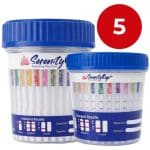
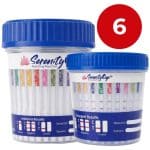
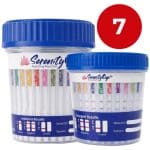
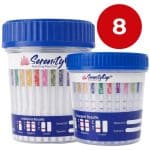
Choosing the Right Multi-Panel Drug Test: A Comparative Guide for Businesses & Clinics

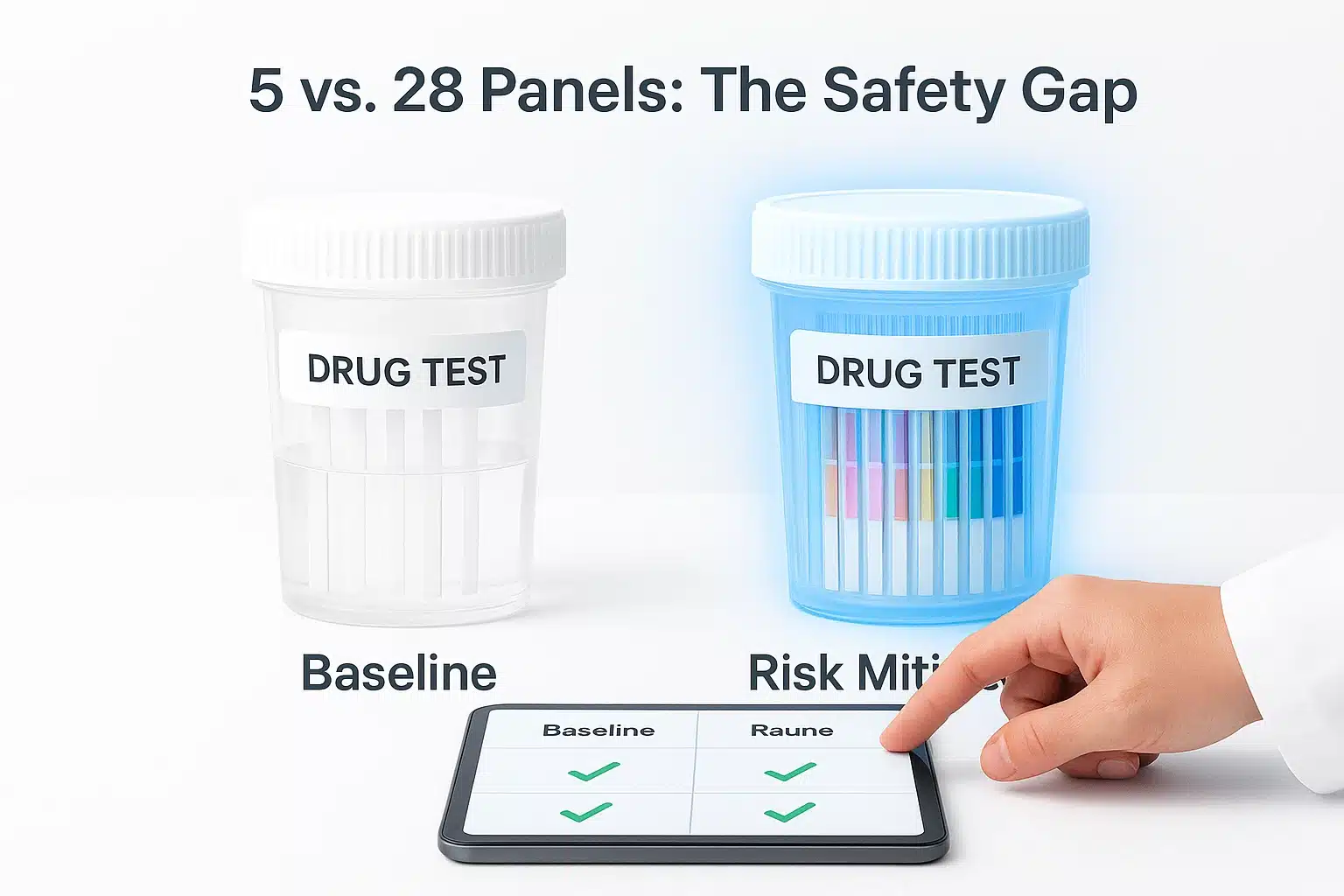
A few years ago, a 5-panel screen was sufficient for most workplace compliance, and a 12-panel cup was considered comprehensive for clinical settings. Today, however, the rapid evolution of synthetic opioids, the emergence of “gas station heroin” (Tianeptine), and the widespread presence of Xylazine have rendered many traditional testing protocols obsolete.
You aren’t just shopping for plastic cups; you are evaluating a risk mitigation strategy. Whether you manage a high-volume staffing agency, a dedicated treatment center, or a probation department, the decision between a 12-panel and a 28-panel test isn’t just about cost—it’s about the liability of what you might be missing.
This guide provides the framework you need to evaluate your options, compare panel counts against your specific risk profile, and select a testing solution that offers genuine “safe harbor” in 2024.
The New Risk Landscape: Why Standard Panels Are Failing
Before we look at the specific panel configurations, we need to address why the market is pivoting toward higher-panel counts. According to 2024 data from Quest Diagnostics, the drug testing industry is facing a 600% surge in substituted specimens and the highest rate of invalid specimens in 30 years.
Put simply: people are cheating more often, and they are using substances that standard tests were never designed to catch.
If your current testing protocol stops at the standard 5-panel NIDA list (Marijuana, Cocaine, Opiates, Amphetamines, PCP), you are effectively blind to the modern drug epidemic. You are missing the prescription pill abuse, the Fentanyl crisis, and the synthetic compounds that are currently driving the highest accident and relapse rates.
To mitigate this, organizations are moving up the “Panel Ladder.”
Understanding Multi-Panel Drug Tests: What Do They Screen For?
The term “panel” simply refers to the specific drug or class of drugs a test is configured to detect. As you evaluate vendors, you will generally find three distinct tiers of coverage. Understanding these tiers helps you avoid paying for coverage you don’t need while ensuring you have the coverage you do.
1. The Baseline Compliance Tier (5-Panel)
The 5-panel drug test remains the federal standard for DOT (Department of Transportation) and many government positions. It covers the “SAMHSA 5”:
-
- THC (Marijuana)
- COC (Cocaine)
- OPI (Opiates like Heroin/Codeine)
- AMP (Amphetamines)
- PCP (Phencyclidine)
Best for: General labor positions, federally regulated industries, and low-liability pre-employment screening.
2. The Professional Standard Tier (10 to 12-Panel)
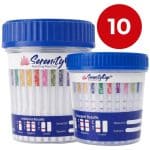
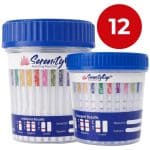
This is where most modern businesses and basic healthcare providers operate. By expanding to a 10-panel or 12-panel drug test, you cast a wider net that includes widely abused prescription medications. This tier adds detection for:
-
- Benzodiazepines (Xanax, Valium)
- Barbiturates
- Methadone
- Oxycodone
- MDMA (Ecstasy)
- Buprenorphine (Suboxone)
Best for: Corporate office environments, healthcare staffing, and standard probation monitoring.
3. The “Risk Mitigation” Tier (18 to 28-Panel)
This is the fastest-growing segment in the industry, yet many vendors stop their inventory at 12 or 14 panels. This creates a “Complexity Gap” for clinics and high-liability employers who need to detect modern street drugs.
Ultra-comprehensive options, like the 18-panel and 28-panel cups, are designed to detect the substances that evade standard tests, including:
-
- Fentanyl (often undetectable on standard opiate panels)
- K2/Spice (Synthetic Marijuana)
- Tramadol
- EtG (Alcohol metabolites)
- Kratom
- Tianeptine (Gas Station Heroin)
- Xylazine (The “Zombie Drug”)
Best for: Addiction treatment centers, pain management clinics, heavy machinery operators, and zero-tolerance environments.
Drug Test Cut-Off Levels Explained: What Do the Numbers Mean?
When you look at a product specification sheet, you will see numbers listed next to each drug abbreviation, such as “THC 50ng/mL” or “OPI 2000ng/mL.” These are the cut-off levels.
Understanding cut-offs is crucial for avoiding false positives. A test is not a simple “yes/no” switch; it measures the concentration of metabolites in the urine.
-
- The Threshold Science: If a substance is present but below the cut-off level (e.g., 20ng/mL of THC when the test is set to 50ng/mL), the result will show as negative.
- Balancing Sensitivity: Lower cut-off levels are more sensitive but can sometimes pick up residual usage from weeks prior. Higher cut-off levels indicate more recent or heavier usage.
CLIA-waived tests use standardized cut-offs determined by the FDA to ensure accuracy (99% reliability) and consistency. This standardization allows non-laboratory personnel to read results confidently without needing to interpret complex toxicology data.
The Tampering Epidemic: Why Adulteration Checks Matter
As mentioned in the executive summary, we are witnessing a 600% increase in substituted specimens. Donors are becoming sophisticated, utilizing synthetic urine and chemical additives to mask drug use.
If you are buying a generic cup without built-in adulteration strips, you are essentially relying on the honor system.
Modern testing solutions integrate specimen validity testing (SVT) directly into the cup. When you peel back the label to read the drug results, you should also be checking the SVT strip for:
-
- pH Levels: Is it consistent with human urine?
- Specific Gravity: Is the sample diluted?
- Oxidants/PCC: Has bleach or hydrogen peroxide been added?
- Temperature: Does the built-in strip read between 90°F–100°F?
By using cups with these built-in safeguards, you reduce the need for expensive lab confirmations on invalid samples and maintain the integrity of your testing program.
The Evolution: From Single-Panel to Comprehensive Screening
The drug testing market is projected to grow to over $4 billion by 2033, driven largely by the need for “preventive screening measures.” This growth is fueling a technological evolution.
Previously, if you wanted to test for 20+ substances, you had to send a sample to a lab, pay high fees, and wait 3-5 days for results. Today, CLIA-waived technology allows for 28-panel point-of-care testing that delivers results in minutes.
This shift creates a massive economic advantage for businesses.
-
- Reduced Liability: An accident caused by an employee on Xylazine or Tramadol (which a 5-panel misses) can cost a company millions in legal fees and insurance hikes.
- Cost Efficiency: With bulk pricing often lowering the cost per unit to under $2.00, the cost difference between a basic test and a comprehensive test is negligible compared to the risk coverage gained.
Industry Blueprints: Which Test Fits Your Organization?
Selecting the right test often depends on your specific industry vertical. Here is a quick framework to guide your selection process.
1. Construction, Manufacturing & Warehousing
Priority: Safety and Insurance Compliance.
Recommendation: [12-panel drug test cups] or [18-panel drug test cups].
Why: You need to cover the standard 5, plus opioids (Oxycodone) and muscle relaxers/benzodiazepines that impair machine operation.
2. Addiction Treatment & Sober Living
Priority: Total Abstinence Monitoring.
Recommendation: [28-panel drug test cups].
Why: Your residents know exactly what standard tests miss. You need to screen for Kratom, Fentanyl, Spice, and EtG (Alcohol) to ensure a truly recovery-focused environment.
3. Staffing Agencies & HR
Priority: Speed and Cost-Effectiveness.
Recommendation: [5-panel drug test cups] or [10-panel drug test cups].
Why: For high-turnover roles, you need a balance of speed and baseline screening. CLIA-waived cups allow for immediate hiring decisions without lab delays.
4. Probation & Family Law
Priority: Broad Detection Spectrum.
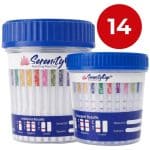
Recommendation: [14-panel drug test cups] to [21-panel options].
Why: Courts often require screening for specific abused prescription medications and alcohol metabolites that general workplace tests ignore.
Making the Decision
The goal of your drug testing program is not just to find positive results; it is to create a safe, compliant, and productive environment. In a world where substance abuse trends shift monthly, relying on outdated testing methods is a liability you cannot afford.
Whether you need the economic efficiency of a 5-panel test or the comprehensive security of a 28-panel solution, the technology is now available to tailor your defense exactly to your risks. By partnering with a supplier that offers FDA-approved, CLIA-waived options with same-day shipping, you ensure that your safety protocol never lags behind the reality of the streets.
Frequently Asked Questions
Q: Is a 28-panel cup significantly more expensive than a 12-panel?
A: Not necessarily. When purchased in bulk, the price difference is often nominal. Considering the “Value-per-Substance,” high-panel cups offer significantly better ROI by consolidating multiple tests into one unit.
Q: Are these tests difficult to read for non-medical staff?
A: No. These products are CLIA-waived, meaning they are deemed simple enough for use in non-laboratory settings. Results appear as clear lines within 5 minutes.
Q: Can I customize the panels?
A: Yes. For organizations with specific needs, custom configurations are available to target the exact substances prevalent in your region or industry.