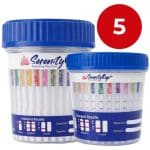
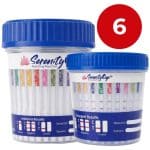
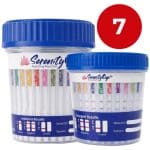
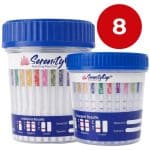
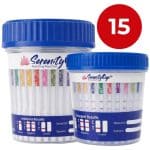
What Are Drug Test Dip Cards and How Do They Work?


Drug test dip cards are single-use tools for detecting drugs in urine. They’re simple, fast, and often used in workplaces, healthcare, law enforcement, and at home. These cards use test strips to identify specific substances and provide results in 3–8 minutes. They are FDA-cleared, CLIA-waived, and can detect a range of drugs, from marijuana to synthetic opioids.
Key Points:
- How They Work: Dip the card into a urine sample, wait a few minutes, and read the results using control and test lines.
- Accuracy: Up to 99% when used correctly.
- Common Uses: Pre-employment screening, patient monitoring, and personal drug testing.
- Configurations: Available as single-panel (one drug) or multi-panel (up to 28 drugs).
Drug test dip cards are reliable, cost-effective, and easy to use, making them a popular choice for various drug screening needs.
How to Use Urine Drug Test Dip Cards
How Drug Test Dip Cards Work
Knowing how drug test dip cards function is key to using them correctly and ensuring reliable results. These cards rely on immunoassay technology, which detects specific drug metabolites in a urine sample through a chemical reaction.
Parts of a Dip Card
A drug test dip card is made up of several essential parts, each playing a role in delivering accurate results. The plastic housing protects the internal components and provides an easy-to-handle structure. Inside, the test strips are equipped with detection technology, with each strip designed to identify a specific substance.
One of the most important elements is the reagent system, which includes antibodies that react with drug metabolites. This reaction triggers a visible response, making the results easy to interpret. Each strip also features a control line to confirm that the test is working properly.
At the base of the card, an absorbent pad pulls the urine sample up through the test strips using capillary action. This design makes the testing process straightforward, eliminating the need for precise measurements or complicated steps. Understanding these components helps simplify the testing procedure.
How to Use a Dip Card
Start with a fresh urine sample at room temperature, as extreme temperatures can interfere with the test’s accuracy.
Take the dip card out of its sealed packaging just before testing to keep the reagents intact. Submerge the absorbent end of the card into the urine up to the marked fill line. Hold it steady for the time specified by the manufacturer to ensure proper absorption.
After removing the card, place it on a flat, non-absorbent surface and wait the recommended time before checking the results. Avoid moving or touching the card during this period to prevent disrupting the chemical reaction.
How to Read Results
Reading the results is straightforward once the test is complete. Most dip cards use a line-based system for interpretation. Each drug panel includes a control line (C) and a test line (T). The control line must always appear; its absence means the test is invalid.
- Negative Result: Both the control line and test line are visible. Even a faint test line indicates a negative result, meaning the drug concentration is below the detection limit.
- Positive Result: Only the control line appears. This indicates the drug concentration meets or exceeds the cutoff level.
- Invalid Result: If the control line does not appear, the test is invalid, regardless of whether a test line is visible. This could be due to expired reagents, improper storage, or user error. A new test with a fresh sample is required.
In some cases, you might see a very faint test line, which can lead to uncertainty. In workplace or legal settings, this often calls for confirmatory testing, such as gas chromatography-mass spectrometry (GC-MS), to provide a definitive result.
Manufacturers set specific cutoff thresholds for each substance, which explains why occasional light use may not produce a positive result, while more frequent or heavy use is more likely to be detected. These thresholds vary by product, so it’s worth checking the details for the specific test you’re using.
What Substances Dip Cards Detect
Dip cards are designed to screen for a variety of substances, depending on the panel configuration selected. This flexibility makes them useful tools in healthcare, workplace, and personal testing scenarios. The specific substances detected vary based on the chosen configuration, ranging from single-drug tests to multi-panel screenings that can identify multiple drugs and their metabolites.
Common Drug Types Tested
Dip cards are widely used in workplace and clinical testing to detect a range of substances. Here’s a closer look at the drugs commonly targeted:
- Marijuana (THC): Detectable for up to 30 days in heavy users.
- Cocaine: Typically detectable for 2–4 days.
- Amphetamines: Includes methamphetamine and MDMA, usually detectable for 1–3 days and often part of multi-panel tests.
- Opiates: Covers both prescription painkillers and illicit drugs like heroin, with some tests distinguishing between different opioid classes.
- Benzodiazepines: Includes drugs like Xanax, Valium, and Ativan, which may remain detectable for several days to weeks, depending on usage patterns.
- Phencyclidine (PCP) and Barbiturates: Though less common in modern testing, these are still included in some panels.
In response to emerging trends, newer panels now test for synthetic drugs. For example, synthetic cannabinoids (like K2/Spice) and synthetic opioids (such as fentanyl and tramadol) are increasingly included. Some specialized dip cards also detect alcohol metabolites, nicotine, or prescription medications like buprenorphine and methadone, which are particularly relevant in addiction treatment settings.
Single-Panel vs. Multi-Panel Options
Dip cards come in two main configurations: single-panel and multi-panel. Single-panel cards test for just one substance, making them ideal for focused testing. Multi-panel cards, on the other hand, can screen for multiple substances simultaneously using a single urine sample.
For example:
- 5-panel tests: These typically include THC, cocaine, amphetamines, opiates, and PCP, covering most workplace drug testing needs and aligning with federal standards.
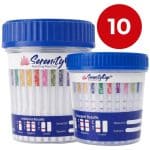
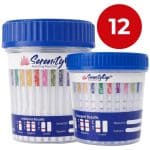
- 10- and 12-panel tests: These add substances like benzodiazepines, barbiturates, and methadone, making them suitable for healthcare settings, rehabilitation programs, or more comprehensive workplace testing.
- Higher panel counts (up to 28 substances): These provide a thorough assessment of substance use, often used in clinical evaluations, legal cases, or in-depth substance abuse monitoring.
The table below outlines common panel configurations and their use cases:
| Panel Count | Core Substances | Additional Substances | Best Use Cases |
|---|---|---|---|
| 5-Panel | THC, Cocaine, Amphetamines, Opiates, PCP | – | Workplace testing, DOT compliance |
| 10-Panel | 5-Panel substances | Benzodiazepines, Barbiturates, Methadone | Comprehensive workplace testing |
| 12-Panel | 10-Panel substances | MDMA, Oxycodone | Healthcare settings, detailed screening |
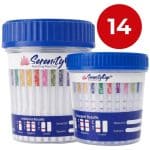
| 14-Panel | 12-Panel substances | Tramadol, Fentanyl | Pain management monitoring, addiction treatment |
Many organizations start with 5-panel testing and expand to broader configurations as their needs evolve. Importantly, cutoff levels for detecting substances typically remain consistent across different panel types, ensuring reliable results regardless of the configuration.
sbb-itb-99fc241
Accuracy and Compliance
Dip card drug tests stand out not just for their simplicity but also for their alignment with strict regulatory and procedural standards. While these tests can provide dependable results, their reliability hinges on correct usage and adherence to established guidelines.
Getting Accurate Results
Accurate results start with careful attention to sample handling and timing. Always follow the manufacturer’s instructions for sample collection, including verifying the sample’s temperature to ensure it meets the required conditions. Testing must occur within the recommended timeframe to maintain reliability.
Timing is critical when reading results. Check the results within the specified window – reading them too early or too late can lead to errors. When procedures are followed correctly, accuracy rates can reach up to 99%. However, factors like diluted samples, certain medications, or improper storage can compromise the outcome.
To maintain the integrity of the tests, store dip cards at room temperature in a dry environment. Exposure to extreme heat, cold, or moisture can interfere with the chemical reactions necessary for accurate results.
Meeting Regulatory Requirements
For professional use, dip card drug tests must comply with specific regulatory standards. Many of these tests have FDA 510(K) clearance and CLIA-waived status, ensuring they are both reliable and legally acceptable for use in workplaces and healthcare settings without requiring extensive laboratory facilities.
This level of compliance makes the tests suitable for critical applications, such as employment decisions, healthcare evaluations, and legal cases. For example, federal agencies like the Department of Transportation (DOT) mandate that testing products meet these standards for safety-sensitive roles.
When to Confirm Results with Lab Testing
Despite the rigorous standards, positive screening results should always be followed by laboratory confirmation in important situations. Lab tests, such as gas chromatography-mass spectrometry (GC-MS), can pinpoint specific drug metabolites and their concentrations. This distinction is crucial for differentiating between prescribed medications and illicit drug use.
In workplace settings, confirmation testing is often required before taking disciplinary action, offering protection to both employers and employees. In legal contexts, certified lab results with proper chain-of-custody documentation are necessary, as dip card results alone may not meet evidentiary requirements. Similarly, in healthcare, lab confirmation provides the most reliable data to guide treatment decisions effectively.
Best Practices for Using Dip Cards
Using drug test dip cards correctly is critical for obtaining accurate and reliable results. By following the right procedures, you can minimize errors and ensure the integrity of both your samples and testing equipment.
Step-by-Step Instructions
Begin by collecting the urine sample in a clean, dry container. Make sure the sample is at body temperature, ideally between 90°F and 100°F, before proceeding with the test.
Take the dip card out of its sealed foil pouch just before testing. Inspect the packaging to confirm it hasn’t been damaged or compromised. When ready, hold the card by the designated area and immerse the test strips in the sample for 15 seconds.
Be cautious not to dip the card beyond the indicated level, as over-submerging can flood the test chambers and invalidate results. After dipping, place the card on a flat, dry surface and allow it to process for the time specified by the manufacturer – usually 5 to 10 minutes.
Tips for Reliable Testing
Even with proper procedures, a few extra precautions can further ensure dependable results.
- Temperature Matters: Always confirm that the sample temperature is within the acceptable range of 90°F to 100°F. Samples that are too hot or cold can cause inaccurate readings.
- Avoid Cross-Contamination: Use a fresh collection cup for each test. Handle only one dip card at a time, and never reuse containers or allow samples to come into contact with shared surfaces.
- Timing Is Key: Read results within the recommended 5 to 10-minute window. Checking too early might yield incomplete reactions, while waiting too long could lead to false positives due to evaporation lines or color smudging.
- Interpreting Results: Use good lighting to examine the test panels. A positive result often shows no line or a faint line in the test region, while negative results display clear lines in both the control and test areas.
Storage and Handling
Proper storage and handling are essential to maintain the effectiveness of dip cards. Store them at room temperature – between 59°F and 86°F (15-30°C) – and keep them away from direct sunlight, heat, and humidity.
Dip cards should remain in their sterile, individually sealed pouches until you are ready to use them. This protects the reactive chemicals from environmental exposure and ensures hygiene.
Always check the expiration date before testing. With proper storage, most dip cards remain effective for up to 18 months from their manufacturing date.
Handle each card carefully, as they are designed for single-use only. Once testing is complete and results are recorded, dispose of the used dip cards according to your facility’s biohazard waste protocols.
Conclusion: Reliable Drug Testing with Dip Cards
Drug test dip cards are a dependable and budget-friendly option for drug screening in various environments, including workplace safety programs and healthcare settings. When used according to proper protocols, these cards deliver results you can trust, meeting professional standards while offering a more affordable alternative to lab-based testing.
The key to achieving consistent, reliable results lies in strictly following established procedures. By doing so, dip cards can maintain their impressive 99% accuracy rate, making them a reliable choice for drug screening programs.
At 12PanelNow, we provide a wide range of drug testing solutions designed to meet diverse needs. Our products are available in multiple configurations and are both CLIA-waived and FDA-approved, ensuring they meet regulatory standards. Additional features like expedited shipping, bulk purchasing options, and easy-to-use designs simplify the process of managing supplies without compromising the integrity of the tests.
For organizations looking to implement drug testing protocols, dip cards offer the ideal combination of precision, cost-effectiveness, and convenience. Whether you need to test for a few substances or require comprehensive 28-panel screening, these tools deliver the reliability necessary for making informed decisions in workplace safety, healthcare monitoring, and compliance efforts. Dip cards remain an essential resource for efficient and accurate drug testing.
FAQs
How accurate and reliable are drug test dip cards compared to lab-based drug testing?
Drug test dip cards provide a quick and cost-effective way to perform initial drug screenings, delivering results within minutes. They are known for their reliability, with sensitivity and specificity rates hovering around 99%, which helps reduce the likelihood of false positives or negatives. That said, their accuracy can be influenced by factors like proper usage and storage.
On the other hand, lab-based drug testing is widely regarded as the most reliable method available. These tests can identify a wider range of substances and offer more comprehensive results. They are frequently used to confirm results from dip cards, particularly in workplace or legal situations where accuracy is of utmost importance.
What should I do if my drug test dip card shows an invalid result?
If your drug test dip card shows an invalid result, it’s essential to discard it and start fresh with a new test. Invalid results can happen for several reasons, like not following the proper testing steps or using a faulty test strip. To get accurate results, make sure to carefully follow the instructions that come with the dip card. Also, be mindful to keep the sample and test area clean and uncontaminated.
Can drug test dip cards detect newer synthetic drugs accurately?
Drug test dip cards are used to spot specific substances and their metabolites, including amphetamines, benzodiazepines, cocaine, and opiates. However, when it comes to newer synthetic drugs, their detection depends on whether the test panel includes those substances or their distinct metabolites.
To reliably detect emerging synthetic drugs, it’s essential to use dip cards tailored for those specific substances. Regularly updating testing panels ensures they stay effective as new drugs are discovered.
Related Blog Posts
- Drug Testing FAQs: Common Questions Answered
- How to Choose Multi-Panel Drug Tests: Complete Guide
- Common Drugs Detected by Sweat Patches
- Saliva Test Kits Explained: How They Work and What They Detect