Complete Guide to DOT Drug Testing Procedures


Did you know that a single positive drug test can sideline a transportation worker from their job on the spot? The Department of Transportation holds strict testing standards that impact millions of employees every year. Understanding how DOT regulations work helps organizations avoid costly penalties and keeps everyone on the road, rails, or in the air much safer. This guide breaks down DOT drug testing rules, the types of tests required, the step-by-step process, and essential compliance tips.
Table of Contents
- Defining DOT Drug Testing Regulations
- Types of DOT Drug Tests Explained
- Step-by-Step DOT Testing Process
- Legal Requirements and Compliance Standards
- Common Mistakes and How to Avoid Them
Key Takeaways
| Point | Details |
|---|---|
| DOT Regulations | The DOT drug testing regulations ensure safety in transportation by standardizing testing protocols for safety-sensitive employees. |
| Types of Testing | Various types of drug tests, including pre-employment and random testing, are mandated to monitor substance use effectively. |
| Testing Process | A structured DOT testing process encompasses notification, specimen collection, analysis, and reporting to maintain integrity and safety. |
| Compliance Responsibilities | Employers are accountable for thorough compliance with DOT regulations to avoid legal penalties and ensure workplace safety. |
Defining DOT Drug Testing Regulations
The Department of Transportation (DOT) drug testing regulations represent a critical framework designed to ensure safety across transportation industries. According to the Federal Motor Carrier Safety Administration, these regulations originated from the Omnibus Transportation Employee Testing Act of 1991, which mandated comprehensive drug and alcohol testing protocols for safety-sensitive transportation employees.
Under these regulations, transportation agencies must implement standardized testing procedures that cover multiple critical aspects of drug screening. The guidelines outlined in 49 CFR Part 40 establish precise protocols for conducting tests, managing results, and determining employee eligibility for safety-sensitive positions.
Key components of these regulations include:
- Pre-employment screening
- Random workplace testing
- Post-accident drug assessments
- Reasonable suspicion evaluations
- Return-to-duty examinations after documented substance violations
The Office of Drug and Alcohol Policy and Compliance (ODAPC) plays a pivotal role in overseeing these regulations, providing official interpretations and guidance for implementing drug testing across various transportation sectors. Their comprehensive approach ensures consistent standards that prioritize workplace safety and employee accountability.
By establishing clear, uniform testing procedures, DOT drug testing regulations create a structured mechanism for identifying and addressing potential substance abuse risks in safety-critical transportation roles. These guidelines not only protect individual employees but also safeguard the broader public by maintaining rigorous screening standards for professionals operating vehicles, aircraft, trains, and other transportation infrastructure.
Types of DOT Drug Tests Explained
The Department of Transportation (DOT) mandates a comprehensive set of drug testing protocols that cover multiple scenarios to ensure workplace safety across transportation industries. Federal Motor Carrier Safety Administration regulations specify precise testing requirements for safety-sensitive employees, focusing on five primary drug classes and specific testing scenarios.
According to Transportation Department Guidelines, DOT drug tests are designed to detect the following substances:
- Marijuana metabolites
- Cocaine metabolites
- Amphetamines
- Opioids
- Phencyclidine (PCP)
The DOT recognizes several distinct types of drug testing to comprehensively monitor employee substance use:
Here’s a comparison of the main types of DOT drug tests:
| Test Type | Purpose | When Performed |
|---|---|---|
| Pre-Employment | Ensure eligibility before duty | Before safety-sensitive work |
| Random | Deter on-the-job substance use | Unannounced, at any time |
| Post-Accident | Assess substance involvement in incidents | After accidents or incidents |
| Reasonable Suspicion | Investigate observed behavioral concerns | When suspicion arises |
| Return-to-Duty | Confirm readiness post-violation | After substance violation |
- Pre-Employment Testing: Mandatory screening before an employee begins safety-sensitive duties
- Random Testing: Unannounced screenings to deter ongoing substance abuse
- Post-Accident Testing: Required after workplace incidents or accidents
- Reasonable Suspicion Testing: Conducted when supervisors observe potential substance-related behavior
- Return-to-Duty Testing: Screening required after an employee has violated substance abuse policies
Additionally, alcohol testing is a critical component, with DOT standards requiring identification of alcohol concentrations of 0.02 and greater. These rigorous testing procedures ensure that transportation professionals maintain the highest standards of safety and performance, protecting both employees and the general public from potential risks associated with substance abuse.
Step-by-Step DOT Testing Process
The DOT drug testing process is a meticulously structured procedure designed to ensure safety and compliance across transportation industries. Federal Motor Carrier Safety Administration regulations outline comprehensive guidelines detailed in 49 CFR Part 40, which provide a systematic approach to drug and alcohol screening.
According to the Transportation Department’s Employer Handbook, the DOT testing process typically involves the following critical steps:
- Notification and Consent
- Employee receives written notice of testing
- Provides informed consent
- Understands potential consequences of refusal
- Specimen Collection
- Conducted in a controlled, private environment
- Strict chain of custody protocols followed
- Urine or breath samples collected by certified professionals
- Laboratory Analysis
- Samples sent to DOT-certified laboratories
- Comprehensive screening for specific drug metabolites
- Initial and confirmatory testing procedures
- Medical Review
- Qualified Medical Review Officer (MRO) evaluates results
- Reviews potential medical explanations for positive findings
- Contacts employee to discuss potential prescription medications
- Reporting and Consequences
- Employers notified of test results
- Positive results may trigger removal from safety-sensitive duties
- Potential requirement for substance abuse evaluation and treatment
Each step in the DOT testing process is designed with precision to maintain workplace safety, protect employee rights, and ensure fair and consistent screening across transportation sectors.
The rigorous methodology helps identify potential substance abuse risks while providing a structured path for employee rehabilitation and continued professional development.
Legal Requirements and Compliance Standards
DOT drug testing compliance represents a complex framework of legal obligations that transportation employers must meticulously navigate. Federal Motor Carrier Safety Administration regulations explicitly state that employers bear comprehensive responsibility for implementing and maintaining drug testing protocols across their entire organization.
Key legal requirements for DOT drug testing compliance include:
- Comprehensive Employer Accountability
- Responsibility for actions of employees, representatives, and agents
- Strict adherence to 49 CFR Part 40 and Part 382 regulations
- Implementing standardized testing procedures
- Laboratory Certification Standards
- Transportation Department mandates drug testing through certified laboratories
- Specimens must undergo rigorous validity testing
- Detection of potential sample adulteration or substitution
The legal landscape of DOT drug testing demands multiple layers of procedural compliance. Employers must develop comprehensive programs that not only meet federal guidelines but also protect both organizational integrity and employee rights. This includes maintaining detailed documentation, ensuring confidentiality, and establishing clear communication channels about testing procedures.
Failure to comply with DOT drug testing regulations can result in significant penalties, including potential fines, suspension of operational licenses, and legal liability. Organizations must therefore implement robust screening processes that balance regulatory requirements with fair and consistent employee treatment, creating a safe and transparent workplace environment.
Common Mistakes and How to Avoid Them
DOT drug testing procedures involve numerous potential pitfalls that can compromise compliance and workplace safety. Federal Motor Carrier Safety Administration guidelines highlight the critical importance of understanding and avoiding common errors in drug testing implementation.
Based on the Transportation Department’s Employer Handbook, here are the most frequent mistakes organizations make:
- Documentation Errors
- Incomplete or inaccurate record-keeping
- Failing to maintain proper chain of custody forms
- Inadequate documentation of testing procedures
- Procedural Non-Compliance
- Inconsistent testing protocols
- Improper specimen collection methods
- Failure to follow strict DOT testing guidelines
- Communication Breakdowns
- Unclear communication about testing requirements
- Insufficient employee training on drug testing policies
- Lack of transparency in testing processes
To mitigate these risks, organizations must implement a comprehensive approach to DOT drug testing. This includes developing robust training programs, establishing clear communication channels, and maintaining meticulous documentation. Regular internal audits and continuous staff education can help prevent costly compliance mistakes that could result in significant legal and operational consequences.
Ultimately, successful DOT drug testing requires a proactive and systematic approach. By anticipating potential errors and implementing stringent quality control measures, transportation organizations can create a safer, more compliant workplace environment that protects both employees and the broader public.
Simplify Your DOT Drug Testing Compliance with Trusted Supplies
Navigating the complex DOT drug testing procedures outlined in this guide demands precise tools and reliable resources. Whether you face challenges like maintaining strict chain of custody, ensuring accurate specimen collection, or adhering to rigorous documentation and testing protocols, having the right testing supplies is essential for success. With terms like pre-employment, random, and post-accident testing, accuracy and consistency in your drug screening process cannot be compromised.
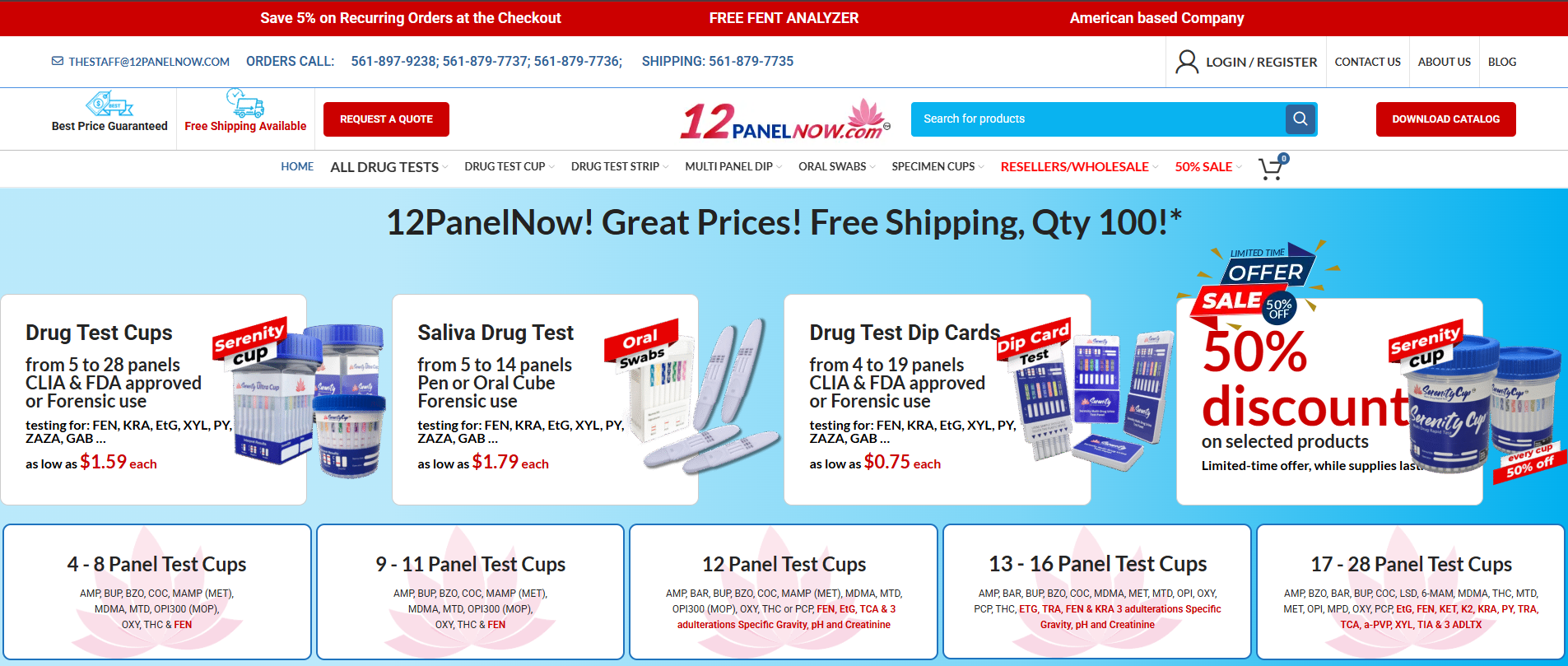
Take control of your DOT compliance today by equipping your organization with high-quality drug testing supplies from 12 Panel Now. Our trusted products help you meet federal standards while reducing the risk of procedural errors that can cost time and money. Explore our offerings and get ready to confidently implement the stringent DOT drug testing procedures discussed in this article. Visit 12 Panel Now now and ensure your workplace safety initiatives stand on a solid foundation.
Frequently Asked Questions
What are the main types of DOT drug tests?
DOT drug tests primarily include pre-employment testing, random testing, post-accident testing, reasonable suspicion testing, and return-to-duty testing.
What substances are commonly tested in DOT drug screenings?
DOT drug screenings are designed to detect five primary substances: marijuana metabolites, cocaine metabolites, amphetamines, opioids, and phencyclidine (PCP).
How does the DOT drug testing process work?
The DOT drug testing process includes several steps: notification and consent, specimen collection, laboratory analysis, medical review, and reporting of results. Each step is regulated to ensure fairness and accuracy.
What are the legal requirements for DOT drug testing compliance?
Employers must adhere to comprehensive regulations including responsibility for employee actions, use of certified labs for testing, maintenance of accurate documentation, and strict following of outlined testing procedures.
Recommended
- DOT Drug Panels vs. Non-DOT Panels – 12PanelNow | 12 Panel Drug Test | Free Shipping
- Workplace Drug Testing Checklist: 8 Essential Steps – 12PanelNow | 12 Panel Drug Test | Free Shipping
- Drug Testing FAQs: Common Questions Answered – 12PanelNow | 12 Panel Drug Test | Free Shipping
- 7 Best Practices for Drug Testing Every Organization Should Know – 12PanelNow | 12 Panel Drug Test | Free Shipping
- Department of Transportation Substance Abuse Provider
- Understanding DUI Arrest Procedures: A Comprehensive Guide – DUI Defense Finder