Complete Guide to Synthetic Urine in Drug Testing


Synthetic urine is a laboratory-formulated solution made to resemble human urine in appearance and key chemistry, including pH, specific gravity, and compounds such as urea and creatinine. It has legitimate uses in equipment calibration and training, but it is also marketed for drug testing scenarios, which raises legal and workplace policy risks in the United States.
Modern testing programs often use specimen validity testing (SVT), temperature checks, and chain of custody procedures that can identify substituted or adulterated specimens. If you are an employer, collector, or program manager, the key question is not only what synthetic urine contains, but how labs and collection sites detect non-human samples. This guide explains how synthetic urine is made, what labs look for, and how U.S. regulations and workplace policies typically handle suspected substitution.
Table of Contents
Key Takeaways
| Point | Details |
|---|---|
| It mimics real urine | It replicates human urine’s chemical composition, pH levels, and other properties for various applications in testing and education. |
| Legality and ethical concerns | Using it to bypass drug tests is illegal and can result in severe professional and legal consequences. |
| Detection methods and risks | Advanced testing methods can identify it, focusing on criteria like temperature, chemical composition, and specific gravity. |
| Product variety | Products vary in preparation methods, including powdered kits and ready-to-use liquids, catering to different testing needs. |
Defining Its Purpose
It is a sophisticated laboratory-created chemical solution meticulously designed to replicate the complex composition of authentic human urine. According to cmm.com.au, this specialized liquid contains precise chemical compounds that mimic critical components like urea, creatinine, and uric acid, alongside a carefully balanced mixture of other elements such as ammonia, sulphates, phosphates, potassium, and chlorides.
The primary purpose extends beyond mere scientific simulation. While initially developed for calibration of urinalysis equipment and laboratory testing protocols, it has become a significant tool in various contexts including drug testing preparation, equipment testing, and educational demonstrations. Manufacturers carefully craft these solutions to match the chemical properties, pH levels, and visual characteristics of natural human urine, ensuring an extremely close replication that can pass standard screening procedures.
Interestingly its applications are diverse and not limited to professional testing scenarios. As evidenced by en.wikipedia.org, some products have been marketed for unconventional purposes, ranging from medical training simulations to more controversial applications like attempting to circumvent drug screenings. However, it is crucial to understand that using such ways to manipulate drug test results is unethical and often illegal, potentially resulting in serious professional and legal consequences.
Key characteristics typically include:
-
- Exact chemical composition matching human urine
- Consistent pH levels
- Appropriate specific gravity
- Balanced electrolyte content
- Temperature simulation capabilities
- Lack of biological contaminants
Professional drug testing facilities and laboratories are increasingly sophisticated in detecting samples, making attempts to substitute or manipulate specimens increasingly risky and ineffective.
Synthetic urine is formulated to match the physical characteristics and core chemistry that routine urinalysis and drug testing panels expect to see, including pH, specific gravity, and creatinine. In legitimate settings, labs and training programs use it to check analyzer performance and quality processes, especially when human specimens are not practical to obtain or store.
In workplace drug testing, screening usually starts with immunoassay, and non-negative results can be confirmed with GC-MS or LC-MS/MS depending on the program. Separate from drug findings, specimen validity testing (SVT) evaluates whether the sample is consistent with normal human urine or shows dilution, adulteration, or substitution. In many U.S. employment programs, a Medical Review Officer (MRO) may be involved when results require medical interpretation or policy review.
Different Types of Products
Such products have evolved significantly, offering a range of solutions designed for various testing scenarios and professional applications. According to srhs.org, there are multiple top-tier products in the market, each with unique characteristics and intended uses. These include powdered urine kits, liquid, and premixed solutions, catering to different testing environments and user requirements.
Here’s a comparison of the main types:
| Type | Preparation | Key Features |
|---|---|---|
| Powdered Urine Kit | Mix powder with water | Customizable Long shelf life Stable |
| Liquid | Pre-mixed, ready to use | Convenient Fast application Portable |
| Premixed Solution | Pre-mixed, ready to use | Easy storage No prep needed Reliable |
| Advanced Kits | Pre-mixed or powder | Temp control Stabilizers Realistic |
The most common types can be categorized based on their preparation and delivery method. Powdered urine kits require users to mix the synthetic powder with water, providing a more customizable approach. It comes pre-mixed and ready to use, offering convenience for quick testing scenarios. Some advanced products even include temperature control mechanisms and additional chemical stabilizers to enhance authenticity and reduce detection risks.
When evaluating professionals typically consider several critical factors:
-
- Chemical composition accuracy
- Temperature maintenance capabilities
- Shelf life and storage requirements
- Complexity of preparation
- Compatibility with various testing protocols
For those interested in understanding the nuances of different options, our FAQs About Kits provide comprehensive insights into safety, storage, and practical use cases. While such products serve legitimate scientific and calibration purposes, it’s crucial to emphasize that attempting to manipulate drug tests is unethical and potentially illegal.
Professional-grade products like Quick Fix, Quick Luck, Sub Solutions, and UPass offer varying levels of sophistication. These are primarily designed for equipment calibration, research purposes, and educational demonstrations, not for circumventing drug screening processes. Each features unique formulation strategies aimed at mimicking authentic human urine with remarkable precision.
How It Mimics Real Urine
It represents a remarkable scientific achievement in biochemical replication, meticulously engineered to mirror the complex chemical composition of human urine. According to cmm.com.au, these sophisticated solutions are crafted with precise chemical compounds that mimic critical components like urea, creatinine, and uric acid, alongside a complex mixture of other essential elements including ammonia, sulphates, phosphates, potassium, and chlorides.
The most critical aspect of its design is its ability to precisely replicate the physical and chemical characteristics of authentic human urine. Manufacturers invest significant research into developing formulations that can withstand rigorous laboratory scrutiny. As noted by kirklandreporter.com, advanced products like the Urinator are engineered to simulate natural urine characteristics, including maintaining optimal temperature for extended periods.
Key chemical and physical parameters that must accurately reproduce include:
-
- Precise pH levels (typically between 4.5-8)
- Specific gravity matching human urine
- Correct protein and enzyme concentrations
- Accurate color and clarity
- Thermal stability matching body temperature
- Consistent electrolyte balance
To better understand the complexities of drug testing methodologies, readers might find our guide on adulterants in drug testing particularly illuminating. While this represents an impressive scientific achievement, it’s crucial to emphasize that attempting to manipulate drug tests is unethical and potentially illegal, with significant professional and legal consequences.
Legal Status and Regulations in the U.S.
The legal landscape surrounding this is complex and increasingly stringent across the United States. Various states have implemented specific laws targeting the manufacture, sale, and use of such products designed to circumvent drug testing protocols. These regulations emerged in response to widespread attempts to manipulate drug screening processes in professional and legal settings.
Notable legal precedents have highlighted the serious consequences of its misuse. As documented by en.wikipedia.org, high-profile cases like the suspension of Onterrio Smith, a former Minnesota Vikings running back, in 2005 after being caught with a device at the Minneapolis-St. Paul International Airport, demonstrate the significant professional and legal risks associated with such attempts. Devices have since become a focal point for legal scrutiny in drug testing environments.
Key legal considerations for products include:
-
- Potential criminal charges for fraudulent test manipulation
- Professional disciplinary actions
- Civil penalties and fines
- Potential termination of employment
- Loss of professional licenses
- Potential criminal misdemeanor or felony charges
To gain deeper insights into the complexities of drug testing regulations, readers might find our guide on debunking drug test myths particularly informative. It’s crucial to understand that while such products may have legitimate scientific and calibration purposes, using them to deliberately circumvent drug tests is illegal and unethical, potentially resulting in severe personal and professional consequences.
Risks, Limitations, and Detection Methods
In U.S. workplace and clinical testing, labs don’t typically report “synthetic urine detected.” Instead, the report often uses specimen validity language. Common categories include:
- Adulterated specimen: the urine contains a substance (or shows chemistry) that indicates it has been tampered with.
- Substituted specimen: the sample’s characteristics are not consistent with human urine, suggesting it is not a genuine human specimen.
- Invalid specimen: results are inconclusive due to unusual chemistry that prevents a reliable interpretation.
- Dilute specimen: the sample is unusually diluted, which can reduce detection and may trigger a recollection under certain workplace policies.
What happens next depends on the testing program (DOT vs non-DOT), employer policy, and the Medical Review Officer (MRO) process. In many workplace settings, an invalid/adulterated/substituted result can lead to a recollection, sometimes under direct observation, and may have employment consequences under the employer’s written policy.
To gain deeper insights into emerging drug testing technologies, readers might find our guide on future trends in oral fluid testing particularly illuminating. While such products continue to evolve, professional drug testing methodologies are simultaneously advancing, creating an increasingly sophisticated technological arms race that ultimately favors rigorous scientific testing protocols.
Equip Your Team with Reliable Drug Testing Supplies Today
Understanding the sophisticated nature of it and the challenges it poses in drug testing means your organization needs tools you can trust. Whether you represent healthcare facilities, law enforcement, or workplace testing programs, combating precise samples requires high-quality testing supplies designed for accuracy and efficiency. Key concerns such as detecting correct pH levels, specific gravity, and temperature must be paired with dependable equipment you can count on.
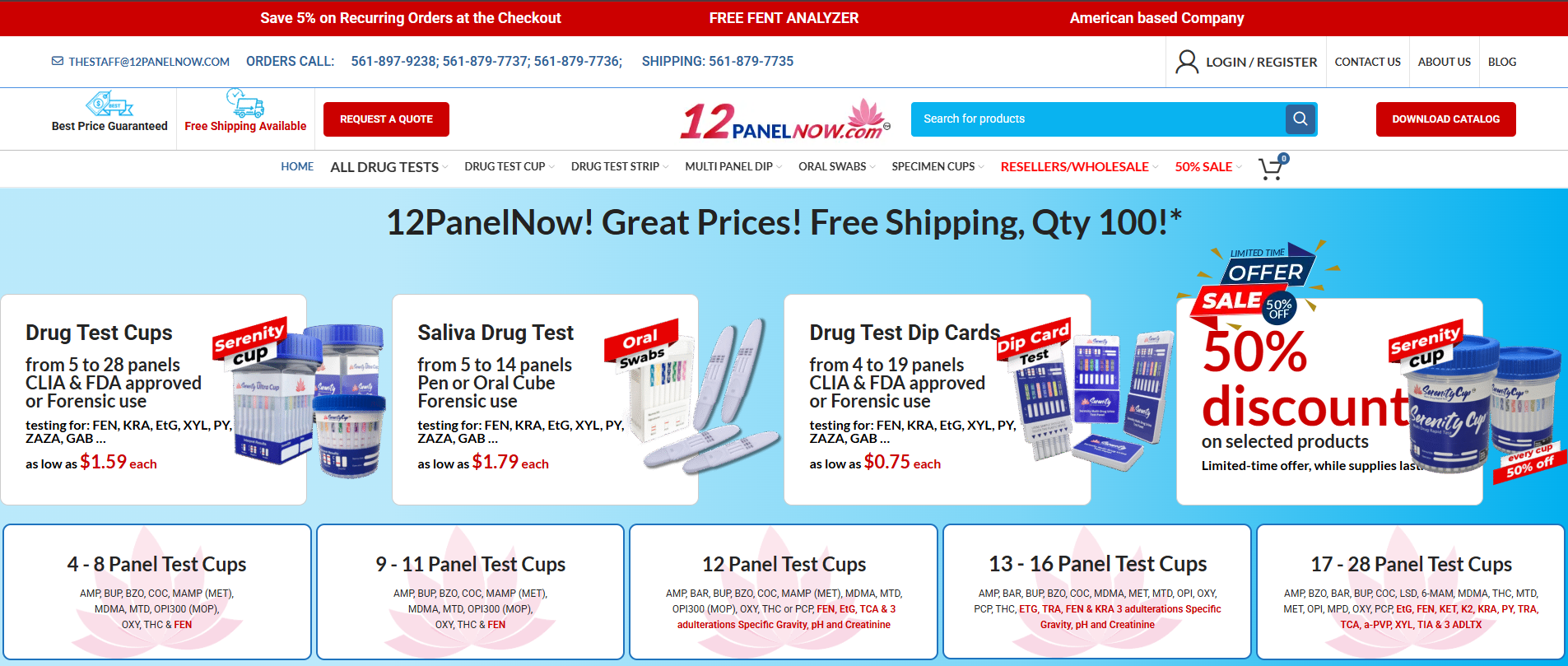
Stay one step ahead of testing challenges with 12 Panel Now. Our premium selection ensures you have the right resources to maintain integrity and reliability in your drug screening processes. Don’t let it or tricky adulterants undermine your testing efforts. Visit 12 Panel Now now to explore trusted drug testing solutions and safeguard your organization today.
Frequently Asked Questions
What is synthetic urine and what is its purpose?
Basically it is a laboratory created solution designed to replicate the composition of real human urine. Its primary purpose includes calibrating urinalysis equipment, preparing for drug tests, and serving in educational demonstrations.
How does it mimic real?
It mimics real urine by using precise chemical compounds that replicate key components like urea, creatinine, and uric acid. It also maintains accurate pH levels, specific gravity, and other physical and chemical characteristics of human urine.
What are the different types of products available?
It products vary and include powdered urine kits, liquid, and premixed solutions. Each type offers unique features such as convenience, customization, and storage ease, catering to different user needs and testing scenarios.
What are the risks and limitations of using it in drug testing?
The use of it carries the risks of detection by modern drug testing methodologies, which include temperature verification, chemical composition analysis, and assessments of creatinine levels. Attempting to manipulate drug tests can also result in serious professional and legal consequences.
Recommended
-
- FAQs About Kits: Safety, Storage, and Use Cases – 12PanelNow | 12 Panel Drug Test | Free Shipping
- Drug Testing FAQs: Common Questions Answered – 12PanelNow | 12 Panel Drug Test | Free Shipping
- 7 Best Practices for Drug Testing Every Organization Should Know – 12PanelNow | 12 Panel Drug Test | Free Shipping
- Top 7 Drug Testing Supplies for Healthcare Facilities – 12PanelNow | 12 Panel Drug Test | Free Shipping