Essential Ecstasy Testing Guide – Protect Patients & Clinics


Test for Ecstasy is now more crucial than ever, as most american clinics now face rising challenges with designer drugs, yet few substances spark as much confusion as ecstasy. Nearly half the tablets sold as ecstasy in the United States contain additives or substitute chemicals that can put patients at risk. Misunderstandings about MDMA’s purity and safety persist, making it harder for professionals to offer sound guidance and treatment. Unpacking these misconceptions can help both clinicians and individuals make safer choices and recognize the true risks behind this widely misunderstood drug.
Table of Contents
- Defining Ecstasy And Its Common Misconceptions
- Detection Methods And Testing Technologies
- Legal Regulations For MDMA Testing In The US
- Risks Of Untested Ecstasy Use In Clinics
- Comparing Testing With Alternative Approaches
Key Takeaways
| Point | Details |
|---|---|
| Understanding Ecstasy’s Composition | Ecstasy is often adulterated with unexpected substances, making comprehensive testing crucial for assessing health risks. |
| Advanced Detection Methods | Technologies like LC-MS-MS and NIR spectroscopy enhance the sensitivity and accuracy of MDMA detection in clinical settings. |
| Legal Implications | MDMA is classified as a Schedule I controlled substance, necessitating strict compliance with testing and documentation protocols. |
| Risks of Untested Substances | Using untested ecstasy can lead to severe health complications, emphasizing the need for robust screening protocols in healthcare. |
Defining Ecstasy and Its Common Misconceptions
Ecstasy, scientifically known as MDMA (3,4-methylenedioxymethamphetamine), is a synthetic psychoactive drug that has been widely misunderstood in both clinical and recreational contexts. According to NIDA, this substance is a complex compound with both stimulant and hallucinogenic properties, challenging the simplistic perceptions many people hold about its composition and effects.
One of the most significant misconceptions surrounding ecstasy is the belief that all tablets contain pure MDMA. Research from the National Center for Biotechnology Information reveals that these tablets are frequently adulterated with various substances, creating significant health risks. Some ecstasy tablets may contain a mix of unexpected chemicals, including other psychoactive compounds with poorly understood pharmacological profiles.
Key misconceptions about ecstasy include:
- Believing all ecstasy is pure MDMA
- Assuming the drug is “safe” because it is synthetic
- Thinking all tablets have consistent chemical compositions
- Underestimating potential long-term neurological impacts
Clinical professionals must understand that ecstasy is not a uniform substance. Its chemical variability means that each tablet can produce dramatically different physiological responses. These variations make comprehensive testing crucial for accurately assessing potential health risks and individual patient responses.
12 Panel Now offers MDMA test strips that can help healthcare providers quickly identify the specific chemical components present in these complex substances.
Detection Methods and Testing Technologies
Detecting ecstasy in clinical and forensic settings requires sophisticated and precise technological approaches. PubMed research highlights liquid chromatography-tandem mass spectrometry (LC-MS-MS) as a cutting-edge method for direct screening of MDMA and its metabolites in urine samples. This advanced technique provides exceptional sensitivity and specificity, allowing healthcare professionals to identify drug presence with remarkable accuracy.
Multiplex immunoassay technologies have also revolutionized ecstasy detection. According to PubMed research, cloned enzyme donor immunoassay (CEDIA) technology enables comprehensive screening for amphetamine-class substances. These advanced tests exhibit minimal cross-reactivity with structurally similar over-the-counter medications, making them reliable for both qualitative screening and semiquantitative measurements.
Key detection methods for ecstasy include:
- Liquid Chromatography-Tandem Mass Spectrometry (LC-MS-MS)
- Cloned Enzyme Donor Immunoassay (CEDIA)
- Enzyme Multiplied Immunoassay Technique (EMIT)
- Gas Chromatography-Mass Spectrometry (GC-MS)
Clinical professionals can enhance their drug screening protocols by understanding these sophisticated technologies. 7 types of laboratory drug screens offer comprehensive insights into modern testing methodologies, enabling more accurate and reliable detection of ecstasy and related substances. By leveraging these advanced techniques, healthcare providers can make informed decisions about patient treatment and potential substance abuse interventions.
Legal Regulations for MDMA Testing in the US
Navigating the legal landscape of MDMA testing requires a comprehensive understanding of federal regulations and controlled substance protocols. According to the Drug Enforcement Administration, MDMA is classified as a Schedule I controlled substance, which imposes strict legal constraints on its testing, possession, and handling across medical and research environments.
The Schedule I classification carries significant legal implications for healthcare providers and testing facilities. This designation means MDMA is considered to have no accepted medical use and a high potential for abuse, subjecting it to the most stringent federal control mechanisms. Institutions conducting MDMA testing must maintain meticulous documentation, implement rigorous chain-of-custody procedures, and comply with extensive federal and state regulatory requirements.
Key legal considerations for MDMA testing include:
- Strict federal oversight and monitoring
- Mandatory documentation of testing procedures
- Comprehensive chain-of-custody protocols
- Potential criminal penalties for unauthorized handling
- State-specific supplementary regulations
Healthcare professionals can enhance their understanding of complex testing requirements by consulting MDMA-specific drug testing resources. By staying informed about current legal frameworks, medical facilities can ensure compliant and ethical approaches to MDMA screening and analysis, protecting both institutional integrity and patient rights.
Risks of Untested Ecstasy Use in Clinics
The potential dangers of untested ecstasy use represent a significant medical challenge for healthcare providers. PubMed research reveals a complex array of acute and post-intoxication effects that can pose substantial risks to patient health. Untested MDMA frequently contains unpredictable adulterants, which dramatically increase the potential for severe medical complications, including hyperthermia, dehydration, and neurological disruptions.
Neurotoxic consequences of unverified ecstasy use are particularly alarming. According to PubMed research, MDMA can cause significant damage to serotonergic neurons, leading to long-term impacts on memory, mood regulation, and overall neurological functioning. The lack of standardized treatment strategies for both acute intoxication and prolonged use further compounds the medical risks associated with unscreened substances.
Key risks of untested ecstasy include:
- Unpredictable chemical composition
- Potential neurological damage
- Increased risk of severe physiological reactions
- Compromised patient treatment protocols
- Higher likelihood of unexpected drug interactions
Clinics can mitigate these risks by implementing comprehensive screening protocols. Understanding the potential for false positive MDMA test results becomes crucial in developing robust and accurate testing methodologies. By prioritizing thorough substance identification and analysis, healthcare providers can protect patient safety and develop more effective intervention strategies.
Comparing Testing with Alternative Approaches
Advances in drug detection technologies have expanded the landscape of potential screening methodologies for MDMA identification. PubMed research highlights the emergence of portable near-infrared (NIR) spectroscopy as a promising alternative to traditional laboratory-based testing methods. This innovative approach enables rapid on-site detection of MDMA, offering healthcare and forensic professionals unprecedented speed and flexibility in substance identification.
Chemiluminescence techniques represent another sophisticated alternative to conventional drug testing protocols. According to PubMed research, tris(2,2’-bipyridine)ruthenium(II) chemiluminescence provides remarkable selectivity in detecting MDMA, significantly reducing the probability of false positive results compared to traditional UV-absorbance methods. This advanced technique offers enhanced accuracy and specificity in confirmatory analysis of drug samples.
Key comparative testing approaches include:
- Portable near-infrared (NIR) spectroscopy
- Chemiluminescence detection techniques
- Traditional immunoassay screening
- Mass spectrometry analysis
- Advanced chromatographic methods
Healthcare professionals can gain deeper insights into testing methodologies by exploring comparative drug testing approaches. Understanding the strengths and limitations of various detection techniques allows clinics to develop more comprehensive and accurate screening protocols, ultimately enhancing patient safety and diagnostic precision.
Ensure Accurate Ecstasy Testing with Trusted Supplies
Clinics face a critical challenge with ecstasy due to its variable chemical makeup and the risks of untested use. The article highlights the importance of precise screening methods and understanding legal regulations to protect patients. If you want to avoid uncertain results and prevent false positives while navigating complex testing technologies like LC-MS-MS or immunoassays, having reliable drug testing supplies is essential.
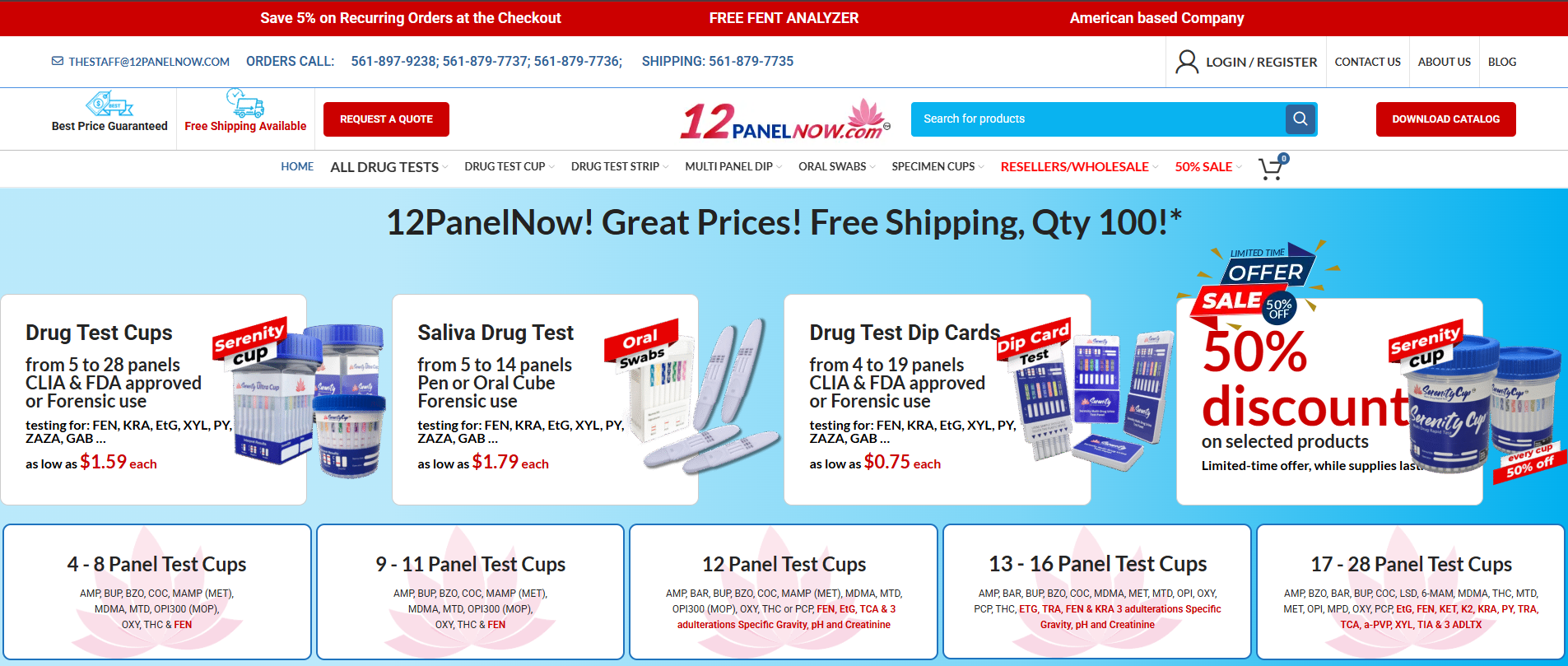
Take control of your clinic’s screening process today by choosing trusted tools designed for accuracy and compliance. Explore Drug Testing FAQs: Unravel the Mysteries about Drug Testing to deepen your knowledge, browse high-quality selections at Drug Test – 12PanelNow | 12 Panel Drug Test | Free Shipping, and secure your supplies now from 12 Panel Now. Don’t let unpredictability put patient safety at risk—act now to equip your clinic with the best testing solutions.
Frequently Asked Questions
What is ecstasy and why is it important to test for it?
Ecstasy, scientifically known as MDMA, is a synthetic psychoactive drug with both stimulant and hallucinogenic properties. Testing for ecstasy is crucial due to the unpredictable chemical composition of tablets, which can contain harmful adulterants, posing significant health risks.
How do testing methods differ for detecting ecstasy in clinical settings?
Testing methods such as Liquid Chromatography-Tandem Mass Spectrometry (LC-MS-MS) provide high sensitivity and specificity for detecting MDMA and its metabolites, while alternative methods like cloned enzyme donor immunoassay (CEDIA) enable rapid screening for amphetamines with minimal cross-reactivity.
What are the risks associated with untested ecstasy use in clinics?
Untested ecstasy can lead to severe medical complications, including unpredictable chemical reactions, neurological damage, and increased likelihood of adverse drug interactions. Ensuring rigorous testing protocols can help mitigate these risks effectively.
What are the legal regulations surrounding MDMA testing in the United States?
MDMA is classified as a Schedule I controlled substance, meaning it has no accepted medical use and high potential for abuse. This classification entails strict federal oversight, mandatory documentation, and rigorous chain-of-custody protocols for testing and handling MDMA.