Regulatory Compliance Pitfalls in Multi Panel Drug Test Cups

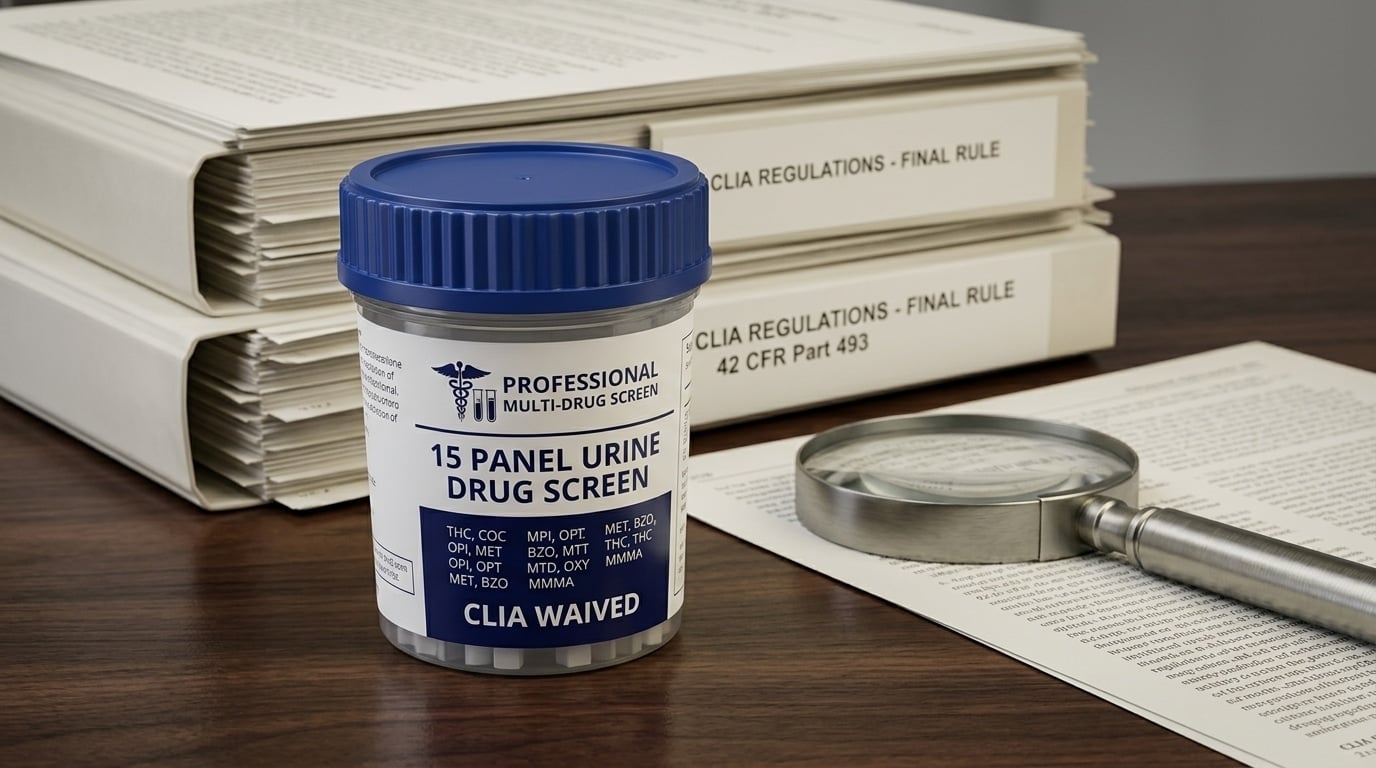
Multi panel drug test cups may look straightforward, but compliance issues often begin with small oversights. The wrong device, weak documentation, or inconsistent collection steps can create problems quickly. This guide covers the details that commonly trip up employers, clinics, and agencies, and explains how to reduce risk when using multi panel cups in actual screening programs.
Why do small compliance details matter so much?
Drug testing programs depend on consistent, repeatable steps. When one part of the process breaks down, the result may lose value for workplace decisions, clinical records, or legal review. Many buyers focus on panel count and turnaround time, but compliance usually comes down to the fine print around handling, documentation, use, and follow-up.
A multi panel cup is a screening tool, not a substitute for policy. You still need the right test for the setting, the right chain of custody procedures, and a clear confirmation path for non-negative results. That is where many preventable mistakes begin.
What buyers miss when they choose a drug test cup?
1. The difference between screening and confirmation
A rapid urine cup provides a screening result. That distinction matters because a non-negative screen does not carry the same weight as a confirmed laboratory result. If your policy or regulatory framework requires confirmation testing, that process should be in place before the first sample is collected.
This causes problems in both workplace and clinical settings. Teams act on a cup result alone, then realize later that their own policy required lab confirmation. That gap can lead to disputes, delays, and unnecessary exposure.
2. The meaning of CLIA waiver
Many buyers see “CLIA Waived” and assume it covers every possible use case. It does not. A CLIA-waived device supports use in qualified professional settings under the rules that apply to waived testing. It does not remove training requirements, documentation responsibilities, or state-specific obligations.
You also need to match the device to your site workflow. A waived product can simplify testing, but staff still have to follow the instructions exactly and document results consistently.
3. Panel selection that does not fit the real risk
Some programs buy the cheapest broad panel available. Others stick with a narrow panel based on outdated substance trends. Both approaches create risk. A poor panel match can leave out a drug that matters to your patient population, workplace risk profile, or monitoring program.
This is especially relevant with substances like fentanyl. If your testing program needs visibility into current use patterns, the panel has to reflect current reality.
Which collection details create the most compliance problems?
Temperature checks
Urine sample integrity starts at collection. A built-in temperature strip helps staff identify samples that fall outside the expected range soon after collection. When staff skip that check or fail to document it, they weaken the screening record.
That matters most when results are challenged. A result carries more weight when the collection record shows the specimen passed basic integrity checks at the time of testing.
Timing and result reading windows
Rapid tests depend on proper timing. If a user reads the cup too early or too late, the result may be unreliable. This is one of the most common operational mistakes because busy sites tend to rush the process.
Every program should train staff on a single timing standard based on the product instructions. Results should be entered into the record at the proper time, not reconstructed later from memory.
Incomplete donor identification steps
A test result loses value if the sample cannot be clearly tied to the correct donor. It sounds basic, but it still causes problems in high-volume settings. Staff need a simple, repeatable identity check before collection and again before result logging.
- Confirm donor identity using your approved method.
- Label or link the specimen at the time of collection.
- Record the date, time, collector name, and result promptly.
- Store all paperwork in one secure record trail.
How do policy gaps lead to trouble with multi panel cups?
Many compliance failures start before anyone opens the box. They begin with vague policies. If your written program does not explain when to test, who reviews results, when to send confirmation, and how to handle refusals or invalid samples, staff will fill in the blanks themselves.
That leads to inconsistency. One supervisor handles a non-negative result one way, while another does something entirely different. A strong product helps, but a weak policy still creates risk.
Questions your policy should answer
- Who is authorized to collect and read the test?
- What substances must the panel include?
- When is lab confirmation required?
- How do you document sample integrity checks?
- What happens after an invalid or non-negative screen?
- How long are records retained?
Do industry setting and use case change the compliance standard?
Yes. A workplace pre-employment screen, a treatment program monitor, and a probation setting do not carry the same operational requirements. The product may work across settings, but the rules around use, documentation, and result handling can differ.
That is why buyers should avoid one-size-fits-all decisions. A cup that fits a clinic workflow may still require different forms, review steps, or confirmation procedures in a workplace or government program.
Examples of setting-specific risk
Employers need testing that aligns with internal policy and any applicable labor or safety rules. Clinics need clear result documentation in patient records and a plan for follow-up care. Government and judicial settings need strict chain of custody and disciplined recordkeeping because results are subject to greater scrutiny.
The product matters, but the process around the product matters just as much.

What should you check before buying a multi panel drug test cup?
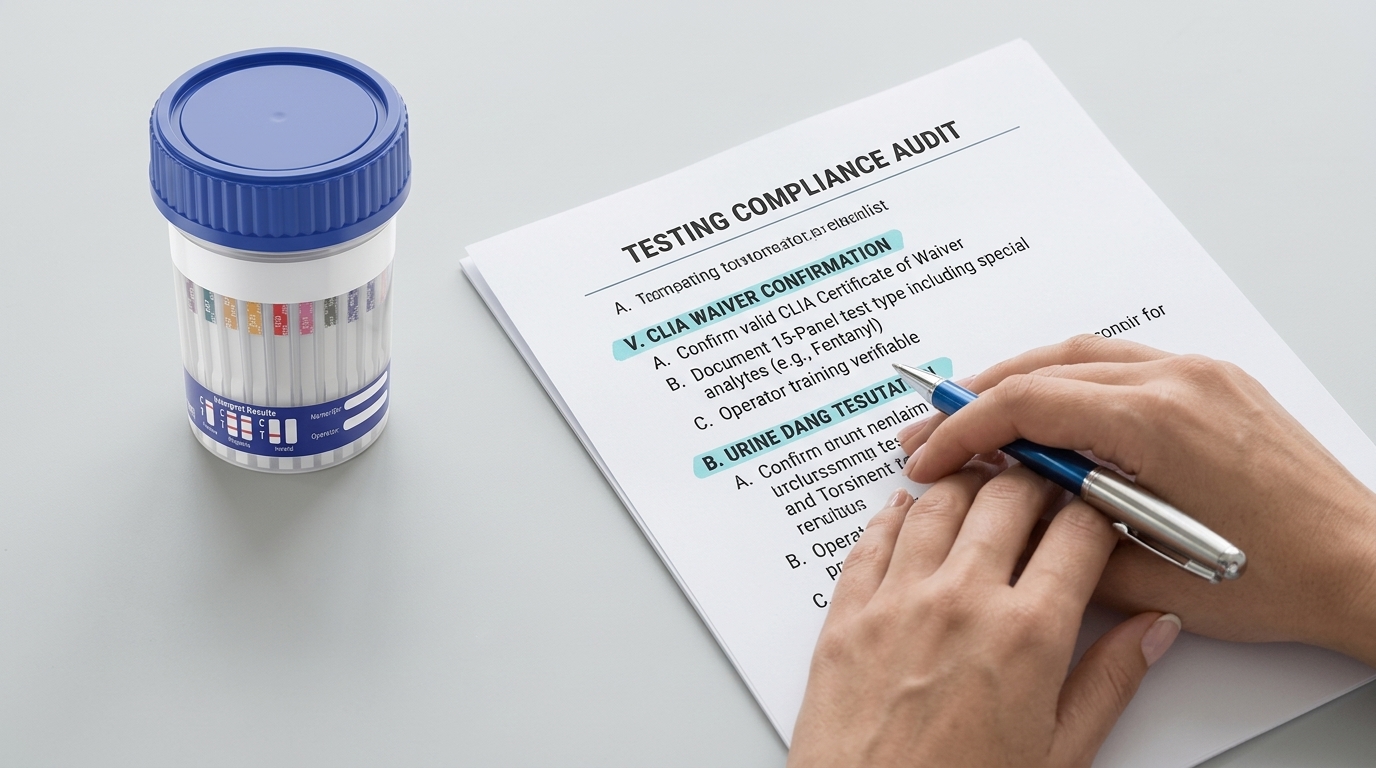
Buyers should slow down and review the operational details, not just the headline claims. A cup should match the substances you need to screen for, the staff skill level at your site, and the documentation demands of your program.
- Confirm the panel matches your testing purpose.
- Check whether the test supports your professional use requirements.
- Review the instructions for collection, timing, and interpretation.
- Make sure staff can follow the process the same way every time.
- Set a clear path for confirmation testing when needed.
- Choose a format that supports specimen integrity checks.
How do you reduce compliance risk after purchase?
Start with standard work. Train every collector and reader on the same steps. Use a single result form. Audit random records. Correct weak spots quickly. Most compliance problems do not come from one dramatic failure. They come from repeated small misses that build up over time.
You should also review your panel choice on a regular schedule. Drug trends change, and your testing tool should continue to match your real screening needs. If your current cup leaves out a substance that matters to your program, that gap can become a costly blind spot.
Why broad panel coverage matters more now
Substance use patterns have changed, and many older testing programs have not kept up. A cup that screens a wide range of drugs in one step helps reduce missed risks and cuts down on the need for multiple devices. That matters in busy workplaces, clinics, and monitoring programs where time and consistency count.
Coverage matters even more when fentanyl is part of the risk picture. Buyers who still rely on outdated panels can end up with a process that appears compliant on paper while missing a serious real-world threat.
When is a 15 panel cup the better choice?
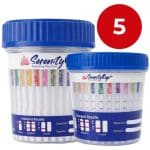
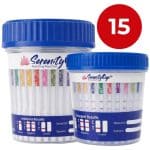
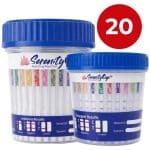
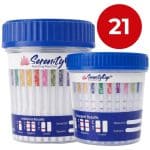
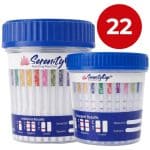
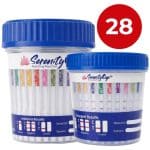
A 15 panel cup makes sense when your program needs broader screening without adding extra steps. It works well for sites that need quick answers, specimen integrity support, and a streamlined collection workflow in one device.
That is where the right product choice reduces friction. A single cup with broad screening support can simplify training, reduce handling errors, and create a clearer routine for staff.
FAQ: Can I rely on a rapid cup result alone?
You can rely on it as a screening result if your policy and setting allow that use. For non-negative findings, many programs require lab confirmation before final action.
FAQ: Does CLIA-waived status remove training needs?
No. Staff still need to follow the instructions, time the test correctly, document the result, and handle records consistently.
FAQ: What is the most overlooked detail during collection?
Sample integrity checks are near the top of the list. Teams skip temperature review, delay result reading, or fail to document collection clearly. Those small misses can weaken the entire process.
Conclusion
Compliance problems with multi panel drug test cups rarely begin with one major error. They usually start with small gaps in panel selection, collection steps, timing, documentation, and confirmation policy. If you want a cleaner process with broad screening support and specimen integrity checks in one workflow, CLIA Waived 15 Panel Urine Drug Test Cup is a practical option from 12 Panel Now.