Tailoring Urinalysis Programs for Industry-Specific Requirements

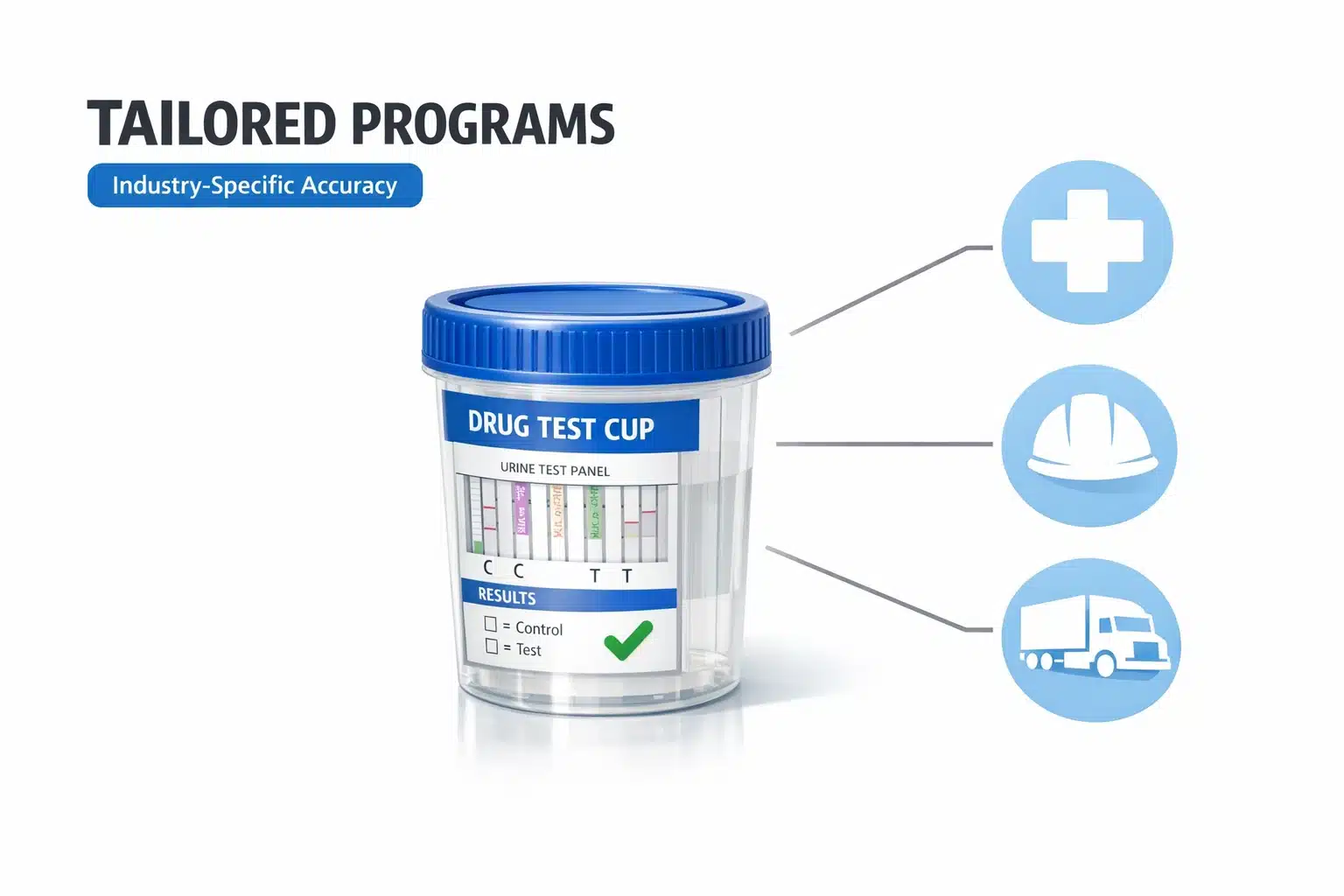
If you manage human resources or safety protocols for a diverse workforce, you already know that a one-size-fits-all drug testing policy is a liability waiting to happen. You’re likely juggling federal mandates for some employees while trying to establish private, company-specific policies for everyone else.
In 2026, simply asking “What’s the difference between DOT and Non-DOT testing?” barely scratches the surface. Generic 5-panel testing programs leave dangerous blind spots, while over-testing low-risk employees drains your budget. The real challenge—and the sign of a truly mature safety program—is learning how to tailor your drug screening panels based on industry-specific risk profiles while managing it all under one cohesive hybrid policy.
Let’s cut through the generic compliance definitions and build a decision framework that protects your people, meets federal standards, and optimizes your testing spend.

A side-by-side view of what’s fixed under DOT rules vs what you can tailor under company policy—plus a simple hybrid structure for organizations with both DOT and non-DOT staff.
The “DOT vs. Non-DOT” Dilemma: Building a Hybrid Foundation
The search landscape for industrial drug testing is dominated by rigid comparisons between Department of Transportation (DOT) and non-DOT rules. But in practice, you aren’t choosing one or the other—you’re managing both.
DOT guidelines, strictly governed by 49 CFR Part 40, offer zero wiggle room. For example, the FMCSA random drug testing rate for safety-sensitive commercial drivers remains stubbornly at 50% in 2026. Why? Because the positive testing rate hit the 1% threshold back in 2020 and hasn’t significantly dipped since. If you employ CDL drivers, you test them according to the FMCSA Clearinghouse rules—period.
The strategic vacuum occurs with your Non-DOT workforce. Many companies default to mirroring DOT regulations for their non-regulated staff because it feels safer. This is a mistake. A warehouse floor manager faces entirely different proximity risks than a cross-country freight driver or an emergency room nurse.
By building a Hybrid Program Management approach, you lock in your non-negotiable federal requirements while surgically tailoring your private policies using highly accurate, CLIA-waived urinalysis solutions.
Industry-Specific Tailoring: Matching Panels to Risk
To cover your liabilities without overspending on unnecessary tests, you need to match your panel configuration to the specific hazards of the job.

Use this matrix to match panel depth to real exposure risk—so healthcare, construction, and manufacturing teams can cover liability without over-testing low-risk roles.
Healthcare: Managing Proximity Risk
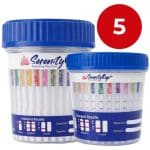
In the healthcare sector, the primary threat isn’t just impairment—it’s diversion. Medical professionals have direct proximity to highly addictive pharmaceuticals. Relying on a standard 5-panel test (which typically covers THC, Cocaine, Opiates, PCP, and Amphetamines) leaves you completely blind to the abuse of synthetic opioids and tranquilizers.
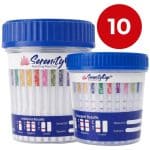
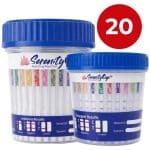
- The Recommendation: A customized 9-panel or 10-panel cup that specifically targets Benzodiazepines, Oxycodone, and Buprenorphine. At less than $2.00 a cup for reliable FDA-approved supplies, upgrading your panel depth is an incredibly cost-effective insurance policy against malpractice and diversion liabilities.
Construction & Heavy Machinery: The “Exxon Panel” Standard
The construction industry routinely deals with heavy machinery and high-fatality-risk environments. Standard panels often miss a rising threat on job sites: synthetic drugs.
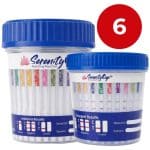
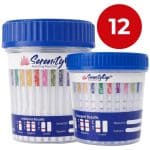
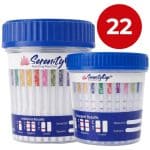
- The Recommendation: For crane operators, heavy equipment drivers, and scaffolding workers, the industry gold standard has shifted toward the 10-panel configuration plus synthetic additions—often referred to in safety circles as the “Exxon Panel.” Testing for synthetic cannabinoids (K2/Spice) is critical here, as these substances are specifically designed to evade standard workplace screening while causing severe motor impairment.
Manufacturing: The Machinery Risk Baseline
Factory floors combine the repetitive motion of assembly lines with the dangers of heavy, automated machinery.
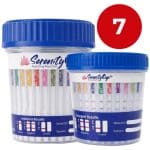
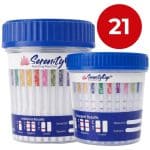
- The Recommendation: A comprehensive 10-panel configuration acts as the ideal baseline. It casts a wide enough net to catch both illicit street drugs and commonly abused prescription medications, ensuring a drug-free workplace without the specialized costs associated with extensive synthetic testing.
Urinalysis vs. Oral Fluid: Navigating the 2026 Regulatory Reality
The landscape shifted significantly when the DOT’s final rule officially allowing oral fluid testing took root in late 2024. Now fully integrated into 2026 testing workflows, many administrators are confused about when to use which method.
The decision comes down to the Window of Detection.

A practical way to choose: urinalysis for longer detection windows, oral fluid for newer-use sensitivity—mapped to common workplace testing scenarios.
- Oral Fluid (Saliva): Best used for “Recent Use” and “Post-Accident” scenarios. Saliva testing excels at detecting drugs consumed within the last few hours, making it ideal when you need to prove immediate impairment on a job site.
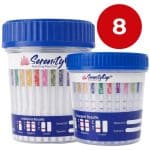
- Urinalysis (The Long-Term Standard): Urine testing remains the undisputed standard for Pre-Employment, Random, and Return-to-Duty testing. It offers a much wider detection window (up to 30 days for some substances). When you are trying to establish a pattern of behavior or a baseline of safety for a new hire, the 99% reliability of a CLIA-waived multi-panel urine cup is unmatched.
Your Implementation Roadmap for Hybrid Programs
Transitioning from a generic program to a highly tailored, industry-specific testing protocol doesn’t have to be overwhelming. Follow this roadmap to implement a hybrid system that works.

Show stakeholders a clear rollout plan—then use the hybrid policy template to standardize roles, panels, and documentation across DOT and non-DOT teams.
- Audit Your Workforce: Clearly delineate your DOT-regulated “safety-sensitive” roles from your non-regulated staff.
- Define the Risk Profiles: Group your non-DOT staff by their daily hazards (e.g., healthcare proximity, machinery operation, desk work).
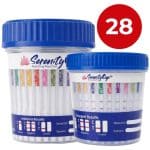
- Assign the Appropriate Panel: Match your risk groups to the right multi-panel cup. (Use a 12-panel or 10-panel for high risk, and a standard 5-panel for low risk).
- Update Policy Documentation: Use a hybrid policy template to ensure your written rules reflect your actual testing practices, taking care to respect local state laws regarding marijuana.
- Standardize Your Supply Chain: Sourcing your testing supplies directly from a dedicated, reliable supplier ensures you get consistent, FDA-approved quality without paying massive markup fees to third-party laboratories.
Frequently Asked Questions
Are larger panel sizes significantly more expensive?
They shouldn’t be. When you source directly from a dedicated supplier rather than routing everything through a Third Party Administrator’s marked-up catalog, you can secure highly reliable 10-panel or 12-panel cups for under $2.00 each. The slight increase in unit price is vastly outweighed by the liability coverage it provides.
Can we use instant urine cups for DOT testing?
No. DOT regulations currently mandate lab-based testing. However, for your non-DOT workforce, instant CLIA-waived and FDA-approved multi-panel cups are the most efficient way to conduct pre-employment and random screenings, boasting a 99% reliability rate. You only need to send non-negative results to a lab for confirmation.
How do state marijuana laws impact our tailored program?
In 2026, managing marijuana screening is entirely dependent on your industry and location. While DOT drivers are federally mandated to test negative for THC, non-DOT employers in many legalized states are removing THC from their pre-employment panels to widen their hiring pool, opting instead to test for it only in post-accident scenarios. This makes customizable dip cards and specific panel configurations more valuable than ever.
Elevate Your Testing Strategy Today
Building an industry-specific drug testing program isn’t just about regulatory compliance—it’s a strategic move to protect your workforce, streamline your hiring process, and reduce overhead.
Stop compromising with generic, overpriced testing methods. By partnering directly with a trusted, family-operated supplier, you gain access to the highest quality FDA-approved and CLIA-waived drug testing supplies on the market, backed by exceptional customer service and bulk pricing that scales with your business.
Ready to secure your workplace with confidence? Browse our full selection of highly accurate multi-panel drug test cups and tailored screening supplies today to find the exact configuration your industry demands.