



Step-by-Step Guide to Workplace Drug Screening Success


Over 50 percent of U.S. employers now use drug screening as part of their workplace safety strategy. Getting drug screening right is about more than just compliance. Laws and expectations keep shifting, and even a small oversight can create legal risks or damage employee trust. By following clear steps for setting up your program, you can protect your organization, safeguard your employees, and create a safer, more productive work environment.
Table of Contents
- Step 1: Assess Drug Screening Requirements And Policies
- Step 2: Select And Set Up Appropriate Testing Supplies
- Step 3: Train Staff On Test Administration Procedures
- Step 4: Conduct Workplace Drug Screening Efficiently
- Step 5: Verify Results And Maintain Compliance Documentation
Quick Summary
| Key Point | Explanation |
|---|---|
| 1. Understand drug screening laws | Knowing federal and state regulations is essential for creating a compliant drug testing policy. |
| 2. Select quality testing supplies | Choose certified labs and reliable testing materials to ensure accurate results and easy administration. |
| 3. Train staff thoroughly | Comprehensive training for personnel ensures proper test administration and adherence to legal protocols. |
| 4. Establish efficient screening procedures | Implement structured and discreet workflows to maintain accuracy and confidentiality during drug tests. |
| 5. Verify results and document activities | Thoroughly review results and maintain secure, organized records to support compliance and employee privacy. |
Step 1: Assess drug screening requirements and policies
Understanding the legal landscape of workplace drug screening is crucial for protecting both your organization and employees. This step will help you develop a comprehensive approach to drug testing that meets federal guidelines and protects your workplace.
According to SAMHSA, employers must navigate complex regulations like the Drug-Free Workplace Act of 1988 and consider important legal protections outlined in the Americans with Disabilities Act (ADA) and Family and Medical Leave Act (FMLA). Start by reviewing federal and state laws specific to drug screening in your industry. Key considerations include determining which employees will be tested, establishing clear testing protocols, and defining consequences for policy violations.
For federal contractors or organizations receiving grants over $100,000, SAMHSA mandates developing a formal drug-free workplace policy. This means creating a comprehensive awareness program that communicates testing procedures, potential consequences, and resources for employees struggling with substance use. Be sure your policy is written clearly, consistently applied, and provides appropriate support mechanisms.
Pro Tip: Consult with legal counsel to ensure your drug screening policy complies with all current federal and state regulations.
Once you have drafted your initial policy, prepare to move on to the next step of developing specific testing procedures that align with your organizational needs and legal requirements.
Step 2: Select and set up appropriate testing supplies
Selecting the right drug testing supplies is a critical step in creating an effective workplace screening program. Your goal is to choose reliable testing materials that meet federal standards and provide accurate results.
SAMHSA recommends using Health and Human Services (HHS) certified laboratories and carefully determining the specific substances you want to test for. When selecting testing supplies, consider factors like the type of test (urine, oral fluid), the panel of drugs to be screened, and the specific needs of your organization. Look for multi panel drug tests that can detect a comprehensive range of substances while ensuring ease of use and accuracy.
Implementing a robust testing protocol involves more than just purchasing supplies.
SAMHSA advises employers to ensure proper training for personnel who will administer the tests and establish secure procedures for handling and storing testing materials. This includes maintaining strict confidentiality of test results and creating a clear chain of custody for sample collection and processing.
Pro Tip: Invest in training for your testing personnel to ensure consistent and accurate test administration.
With your testing supplies selected and protocols established, you are now ready to move forward to the next critical step of implementing your workplace drug screening program.
Step 3: Train staff on test administration procedures
Training your staff on proper drug test administration is crucial for creating a successful and legally compliant workplace screening program. Your objective is to ensure every team member understands the procedures, legal requirements, and best practices for conducting drug tests.
SAMHSA emphasizes the critical importance of comprehensive training for supervisors and staff involved in drug testing. This training should cover detecting potential substance misuse, understanding the legal implications of testing, and maintaining strict confidentiality throughout the process. Develop a structured training program that includes detailed protocols for test collection, handling, and documentation.
SAMHSA recommends creating a comprehensive training curriculum that goes beyond basic procedures. This should include recognizing signs of substance use, understanding federal regulations, and learning the proper chain of custody for test samples. Staff should be trained to handle testing materials with precision, respect employee privacy, and follow standardized procedures that ensure accurate and fair testing.
Pro Tip: Conduct regular refresher training sessions to keep staff updated on the latest drug testing protocols and legal requirements.
Once your team is fully trained, you will be prepared to move forward with implementing your workplace drug screening program with confidence and professionalism.
Step 4: Conduct workplace drug screening efficiently
Conducting an efficient workplace drug screening requires careful planning, precise execution, and adherence to established protocols. Your goal is to implement a systematic approach that ensures accuracy, maintains employee privacy, and supports workplace safety.
SAMHSA provides comprehensive guidelines for executing drug tests with maximum efficiency. This includes selecting certified laboratories, establishing clear testing protocols, and determining appropriate testing frequencies. During the screening process, create a structured workflow that minimizes disruptions while maintaining professionalism. Ensure that your testing procedure follows a consistent sequence: notification, sample collection, documentation, and secure transportation of samples to the certified laboratory.
SAMHSA emphasizes the importance of maintaining confidentiality and integrity throughout the drug screening process. Train your staff to handle each stage with discretion, from initial employee communication to final result reporting. Develop a standardized approach that treats all employees fairly and respects individual privacy while meeting organizational safety standards.
Pro Tip: Establish a clear communication protocol for handling test results to ensure transparency and legal compliance.
With your drug screening process complete, you are now prepared to interpret and manage the results effectively.
Step 5: Verify results and maintain compliance documentation
Verifying drug test results and maintaining meticulous documentation is a critical final step in your workplace drug screening process. Your objective is to ensure accuracy, legal compliance, and create a comprehensive record of all testing activities.
SAMHSA emphasizes the importance of result verification through certified laboratories. When you receive test results, implement a thorough review process that includes cross-checking samples with certified laboratory reports, confirming the chain of custody, and ensuring all documentation meets federal regulatory standards. This means carefully examining each test result for accuracy, potential errors, and maintaining strict confidentiality throughout the verification process.
SAMHSA recommends creating a comprehensive documentation system that tracks every aspect of your drug testing program. This includes maintaining secure records of test results, training sessions, policy communications, and any follow-up actions. Develop a secure filing system that protects employee privacy while providing a clear audit trail for potential legal or compliance reviews. Organize documents in a way that allows for quick retrieval and demonstrates your organizations commitment to a drug-free workplace.
Pro Tip: Implement a digital record-keeping system with encrypted storage to ensure maximum security and easy access to compliance documentation.
With your results verified and documentation complete, you have successfully implemented a comprehensive workplace drug screening program that prioritizes safety, compliance, and professionalism.
Strengthen Your Workplace Drug Screening with Trusted Supplies
Navigating the complexities of workplace drug screening means facing challenges like selecting accurate testing supplies, maintaining strict protocols, and ensuring compliance every step of the way. If these responsibilities feel overwhelming, you are not alone. Many organizations struggle with obtaining reliable, certified testing tools that support your goal of a safe and drug-free workplace. With emphasis on detailed testing procedures and secure sample handling, having the right equipment is essential for your success.
Discover how 12 Panel Now can be your partner in this journey. We supply high-quality drug testing materials designed to fit the needs outlined in the Complete Drug Test Knowledge Base – 12 Panel Now. From multi panel drug tests to essential training resources, you can depend on our offerings to complement your workplace screening efforts.
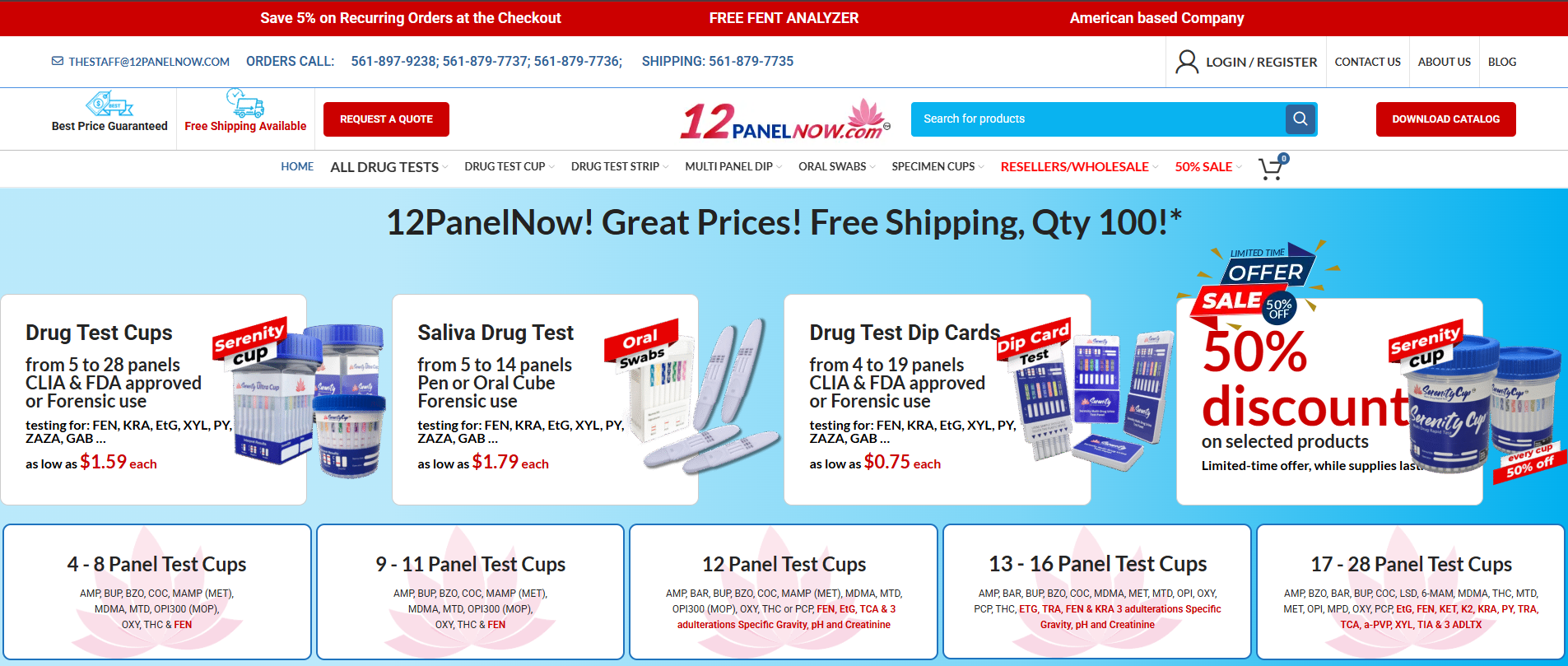
Ready to take control of your workplace drug screening program? Explore our drug test selection for dependable supplies that match your protocol requirements. If you have questions about the best solutions for your needs, visit our Drug Testing FAQs to get expert answers. Act now and equip your organization to meet federal regulations while fostering a safe environment with confidence.
Frequently Asked Questions
How do I assess drug screening requirements for my workplace?
Understanding drug screening requirements involves reviewing federal and state regulations, including the Drug-Free Workplace Act. Start by determining which employees you want to test and establish clear protocols for testing procedures.
What are the steps to select the appropriate testing supplies for drug screening?
Begin by choosing testing supplies that are certified and meet federal standards. Evaluate the type of test—like urine or oral fluid—and ensure the selected materials can detect a comprehensive range of substances.
How should I train my staff on drug test administration?
Develop a structured training program that covers everything from understanding legal implications to conducting tests properly. Ensure staff are well-versed in recognizing signs of substance use and maintaining confidentiality during the testing process.
What should I do to conduct workplace drug screening efficiently?
Create a systematic approach by establishing clear workflows and testing protocols. Aim to minimize disruptions during the testing process while ensuring all steps, from sample collection to lab transportation, are consistently followed.
How do I verify and maintain compliance documentation for test results?
Implement a thorough review process where you cross-check test results against certified laboratory reports. Maintain secure records of all testing activities to ensure compliance and create an easy-to-access documentation system that can be audited.
What are best practices for communicating test results to employees?
Establish a clear communication protocol to inform employees about their test results confidentially and professionally. Ensure that all communications are transparent, adhering to both legal standards and organizational policies.
Recommended
- Workplace Drug Testing Checklist: 8 Essential Steps – 12PanelNow | 12 Panel Drug Test | Free Shipping
- Substance Abuse vs. Workplace Productivity: Key Insights – 12PanelNow | 12 Panel Drug Test | Free Shipping
- 7 Best Practices for Drug Testing Every Organization Should Know – 12PanelNow | 12 Panel Drug Test | Free Shipping
- Ultimate Guide to Custom Drug Panels – 12PanelNow | 12 Panel Drug Test | Free Shipping
- Staff Health Screening Guide for Restaurants and Schools 2025 – Probe IT