




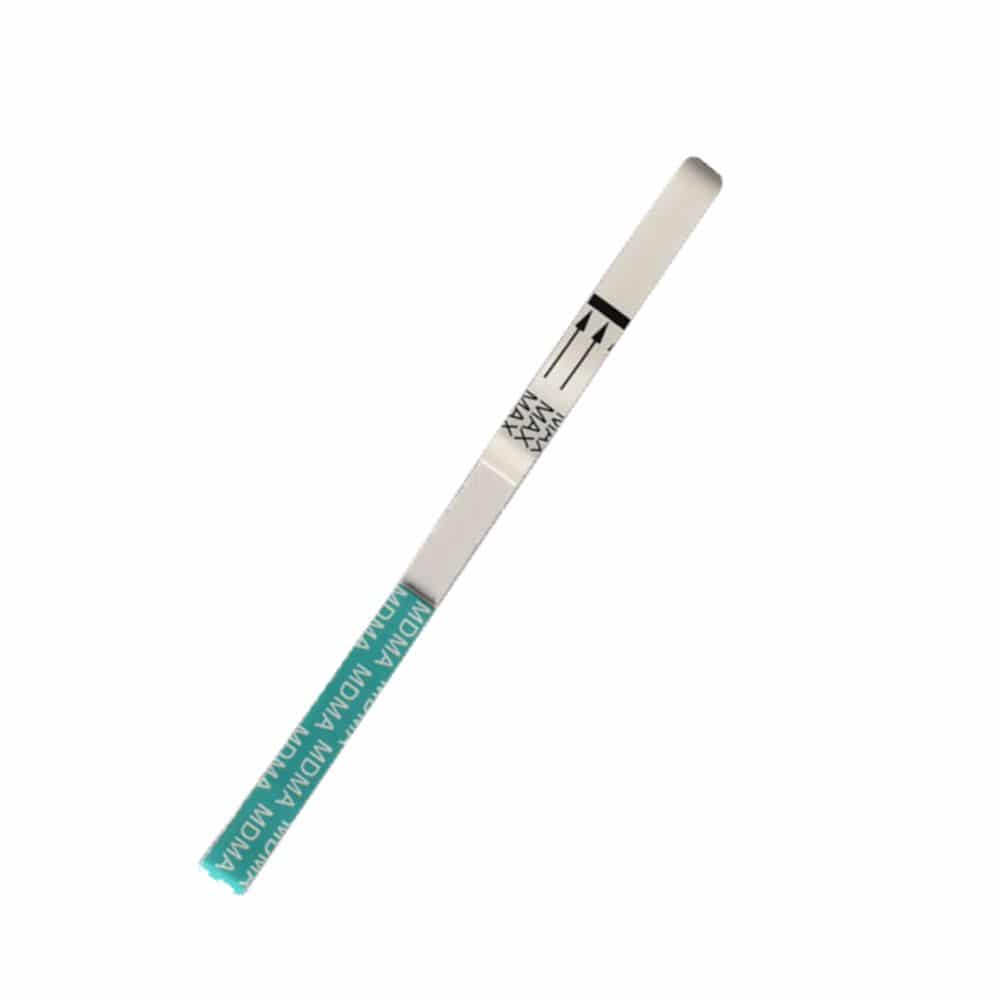




MDMA (Ecstasy/ Molly) Test Strips As low as $0.25
$0.25 - $0.69
| Forensic use Drug Test | |
| 3,4-Methylenedioxymethamphetamine HCl | |
| 500 ng/ml | |
Choose quantity option
| Quantity | Price per strip |
MDMA Ecstasy/Molly Test Strips
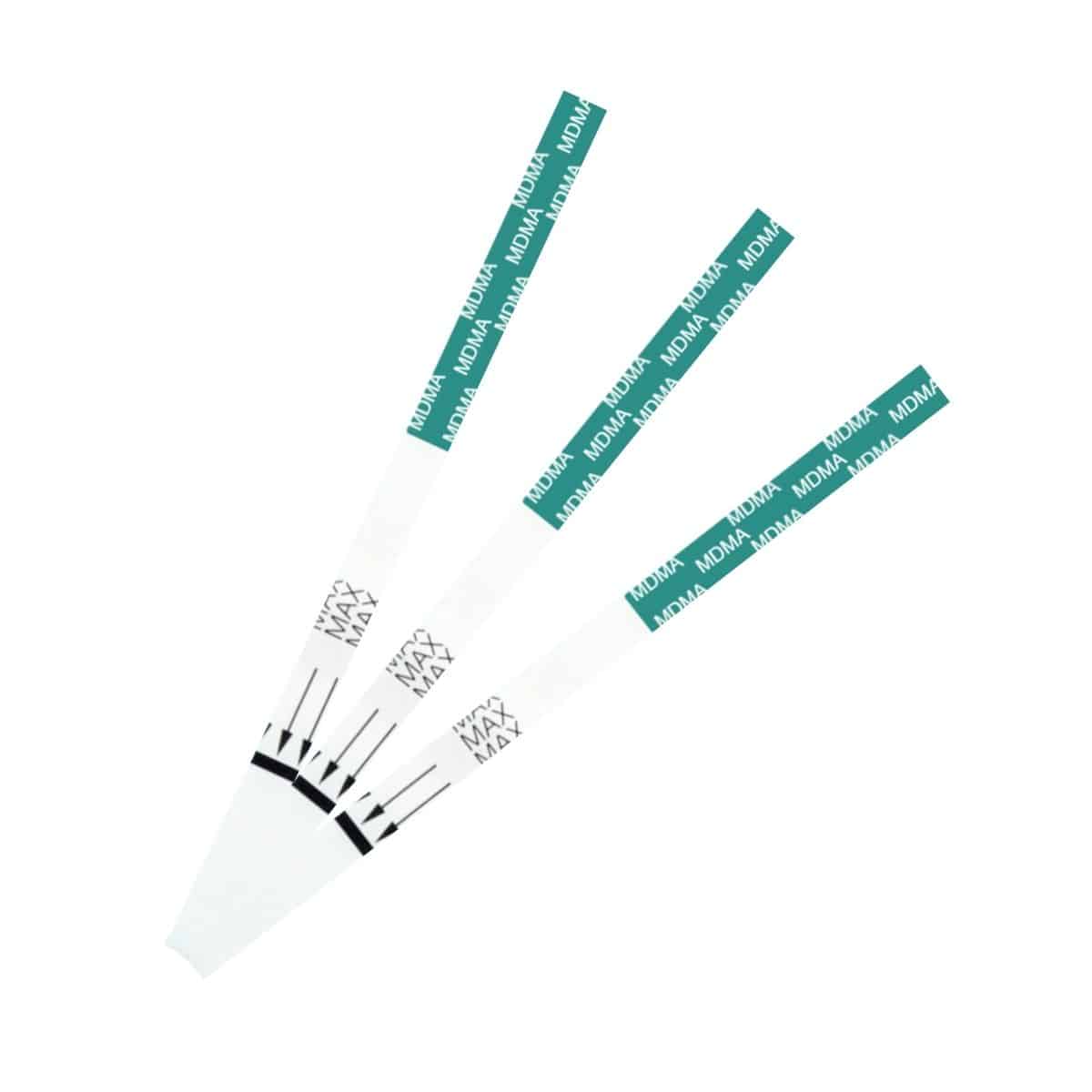
The MDMA Ecstasy/Molly Test Strips are a simple and effective tool for detecting MDMA presence in urine. Designed for educational institutions, rehabilitation centers, law enforcement agencies, and individual use, these strips provide reliable test results for informed decision-making.
Key Features:
- Reliable Detection: Utilizes a lateral flow test to determine MDMA presence at a cut-off level of 500 ng/mL.
- Easy to Use: Streamlined testing with clear instructions for convenient use.
- Quick Results: Obtain accurate readings within five minutes.
- Comprehensive MDMA Ecstasy/Molly Test Kit: Includes 25 testing strips in each container.
- Expert Confirmation: Preliminary results can be further verified with Gas Chromatography/Mass Spectrometry (GC/MS).
MDMA Urine Test Cutoff Level (500 ng/mL): What It Means
This MDMA urine test strip uses a 500 ng/mL cutoff level. A cutoff level is the concentration point used to report a screening result as positive or negative on an immunoassay. A negative result means the urine concentration is below 500 ng/mL at the time of testing; it does not rule out earlier use or lower-level exposure.
A positive result is a preliminary screening result and is commonly confirmed by Gas Chromatography/Mass Spectrometry (GC/MS) when results may affect employment, probation, or clinical decisions. Detection time depends on dose, frequency of use, hydration, and metabolism, so results should be interpreted with the full context.
What is MDMA?
MDMA, commonly known as Ecstasy or Molly, is a psychoactive synthetic drug that affects users’ emotions. MDMA enters the brain cells and causes a serotonin release overdrive. Despite being the world’s most popular entactogen, MDMA remains a Schedule I drug under the DEA’s classification due to its high potential for abuse and lack of recognized medical use.
MDMA (3,4-methylenedioxymethamphetamine) is a psychoactive synthetic drug often sold as Ecstasy or Molly. In the brain, MDMA increases serotonin activity and also affects dopamine and norepinephrine, which is linked with mood changes, stimulation, and altered perception. Because MDMA is a Schedule I drug under the DEA’s classification, it is frequently included in workplace testing and other drug screening programs. After use, the body breaks MDMA down into metabolites that can be detected in urine using an immunoassay screening strip. A urine test strip provides a preliminary screen; confirmatory testing such as Gas Chromatography/Mass Spectrometry (GC/MS) is used when a definitive result is required.
Importance of A MDMA Ecstasy/Molly Test
Why test for MDMA Ecstasy/Molly Test? Neurologically speaking, Ecstasy tickles all the right spots of your brain. Testing for MDMA is crucial to address concerns regarding its abuse, which can lead to severe side effects, including impulsiveness, anxiety, depression, and life-threatening temperature spikes affecting vital organs like the heart, lungs, liver, and kidneys.
Side Effects of MDMA
Ecstasy abuse can lead to the following side effects:
- impulsiveness and anxiety
- irritability and aggression
- depression and sleep problems
- memory and attention problems
- decreased appetite
- decreased interest in and pleasure from sex
- temperature spikes
Alarmingly, temperature spikes can cause the heart, lungs, liver and kidneys to fail. This can lead to fatal consequences.
Common USA Use Cases for MDMA Urine Test Strips
MDMA urine test strips are commonly used in USA workplace testing programs, court-ordered testing, probation, and monitoring in treatment settings such as detox centers, rehabilitation centers, and sober living homes. Many clinics and facilities choose CLIA waived tests for point-of-care screening because they support quick decisions while still allowing confirmation by GC/MS when needed. In pain clinics and behavioral health settings, screening may be part of a broader risk and safety workflow rather than a standalone judgment about a patient. If you are purchasing for an organization, consider how results will be documented, how urine specimens will be stored, and when confirmation testing is required. For bulk ordering, clearly define how many tests you need per month and whether you want single dip test packaging for easier distribution.
How to Use a MDMA Ecstasy/Molly Test:
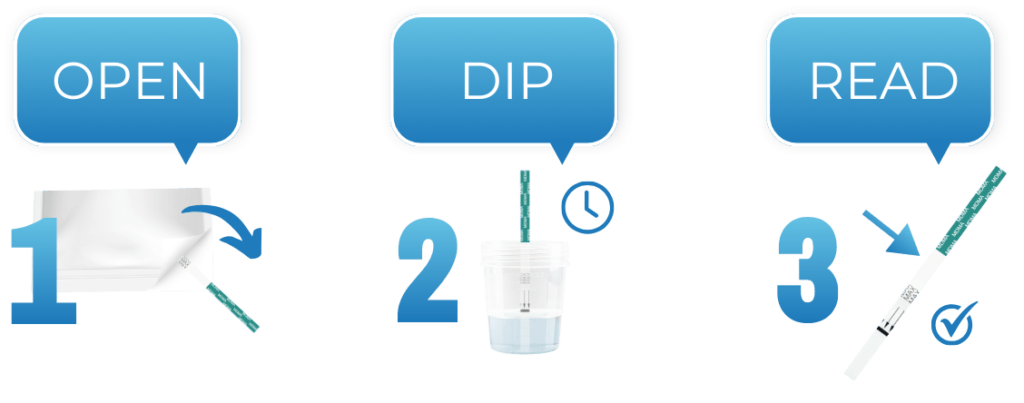
MDMA Ecstasy/Molly Test Strips Procedure:
- First, remove the Ecstasy drug test strip from the sealed pouch and use it within one hour.
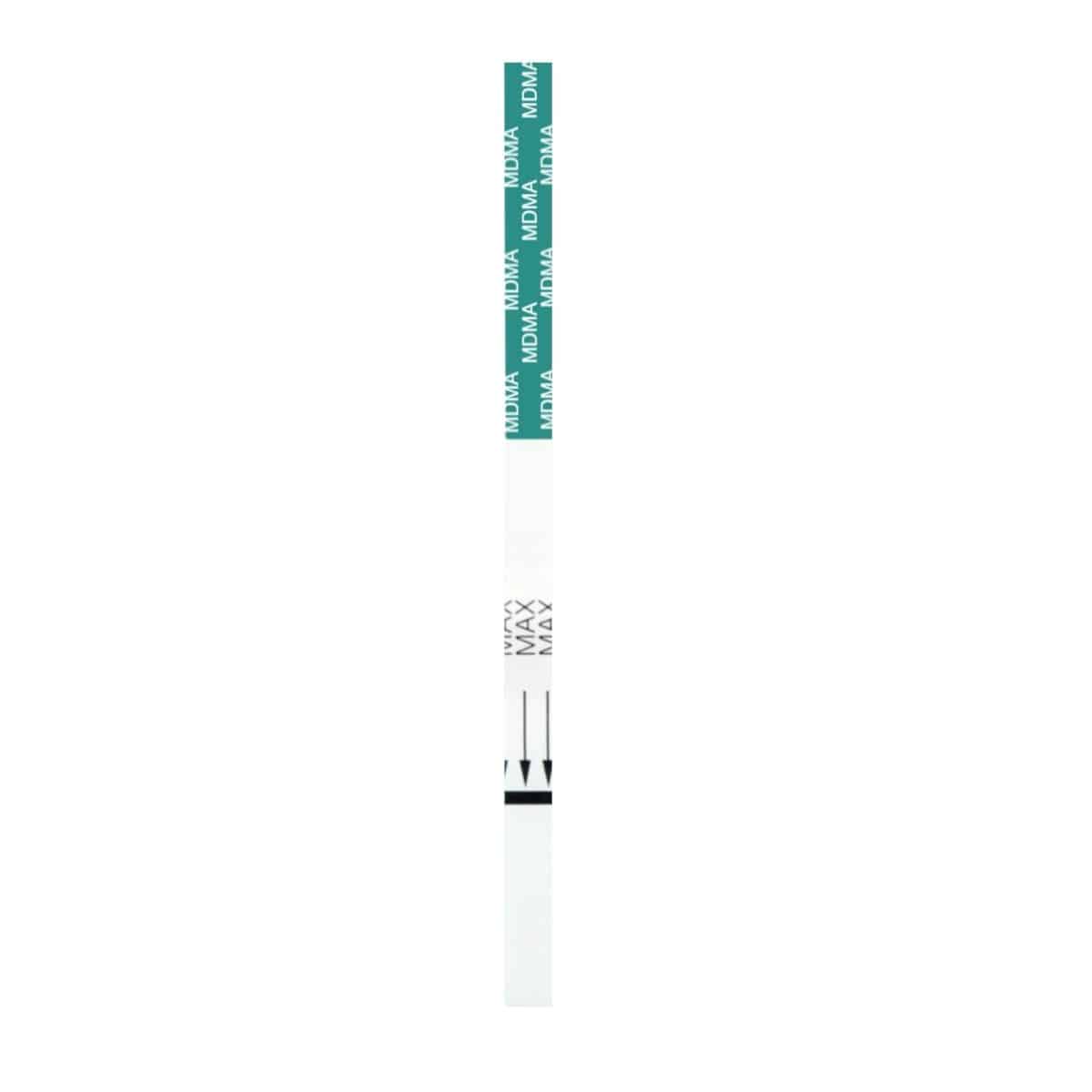
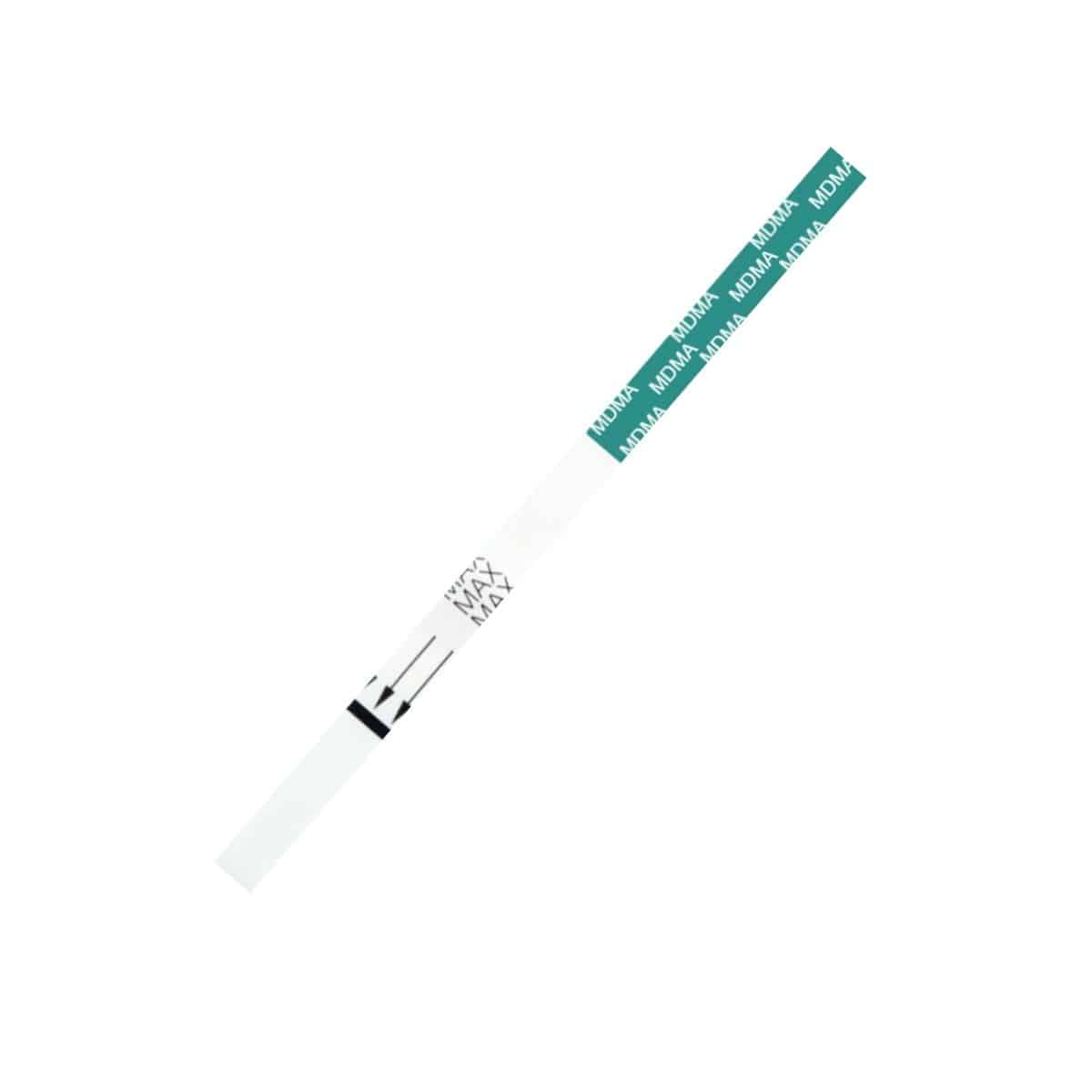
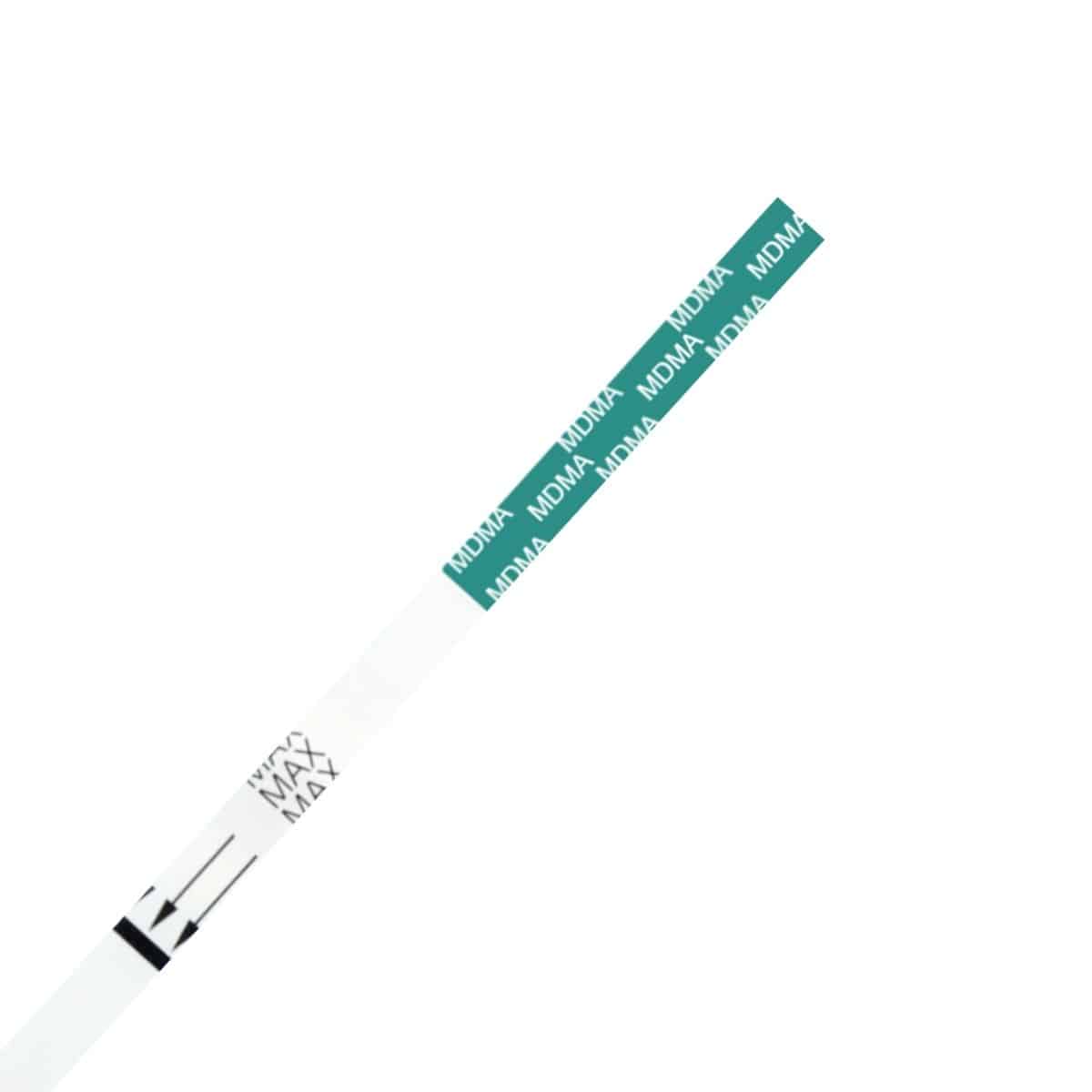
- Second, immerse the strip into the urine with the arrow pointing towards the urine.
- Third, take the strip out after 15 seconds and lay the strip flat on a clean, dry, non-absorbent surface.
- Finally, read the result in 5 minutes.
How to Read A MDMA Ecstasy/Molly Test?

Positive
Only one colored band appears, in the control region (C). No apparent colored band appears in the test region (T)

Negative
Two colored bands appear on the membrane. One brand appears in the control regions (C) and another band appears in the test region (T).

Invalid
Control band fails to appear. Results from any test which has not produced a control band at the specified read time must be discarded. Please review the procedure and repeat with a new test. If the problems persist, discontinue using the kit immediately and contact your local distributor.
What Does MDMA Stand For On A MDMA Ecstasy/Molly Test?
MDMA stands for 3,4-methylenedioxymethamphetamine, a synthetic drug known for its stimulant and psychedelic properties. It typically appears on drug tests as MDMA or sometimes under its street names, Ecstasy or Molly. MDMA, due to its psychoactive effects and potential for misuse, is a substance often tested for in various drug screening processes.
Drug tests aim to detect the presence of specific substances in the body. For MDMA, this involves identifying traces of the drug’s metabolites. These metabolites are chemicals produced as the body processes MDMA, which linger in the system, offering a window into recent drug use.
How Long Does MDMA Stay In Your System?
The duration that MDMA stays in your system can vary based on several factors. Primarily, it depends on the individual’s metabolism, the amount of MDMA taken, frequency of use, and the user’s overall health.
Generally, MDMA can be detected by a MDMA Ecstasy/Molly Test in urine for about 1 to 3 days post-ingestion. However, for frequent users, this period could extend.
What Does MDMA Do To Your Brain?
Understanding what MDMA does to the brain is crucial to grasping why it is tested so often. MDMA influences the activity of neurotransmitters—chemical messengers responsible for transmitting signals in the brain. Key neurotransmitters affected by MDMA include serotonin, dopamine, and norepinephrine.
Serotonin, which affects mood, appetite, and sleep, is released in high amounts when MDMA is consumed. This excess release contributes to the mood-enhancing effects associated with MDMA use. Simultaneously, dopamine and norepinephrine involvement accounts for the heightened energy and alertness users experience. However, these short-term benefits come with risks, such as altering the brain’s natural chemical balance and potentially leading to mood disorders or cognitive impairment over time.
Understanding the MDMA Ecstasy/Molly Test and its role in screening processes is essential, especially for those in environments where drug use is a concern. The presence of MDMA can be monitored accurately with the correct testing protocols.
Does MDMA Show Up On A Drug Test?
Yes, MDMA can indeed show up on a drug test. Most standard drug tests, like the 12-panel drug test, explicitly test for the presence of MDMA. Such tests are typically conducted using urine samples, as MDMA and its metabolites are efficiently excreted through urine.
Urine tests are common for detecting MDMA due to their ease of administration and the quick results they offer. Depending on usage, MDMA can be detected in urine for 1 to 3 days after use. Some advanced tests might even extend this detection window slightly, especially if the user is a chronic consumer.
MDMA Urine Test Limitations (Cross-Reactivity, False Results, and Confirmation)
Like other immunoassay MDMA urine test strips, this test provides a preliminary result and can be affected by cross-reactivity or specimen issues. A false negative can happen if the urine concentration is below the cutoff level, if the specimen is overly diluted, or if testing occurs outside the typical detection window
A false positive can occur when other substances trigger a similar antibody response, which is why confirmatory testing with Gas Chromatography/Mass Spectrometry (GC/MS) is used when results must be definitive. Do not interpret a single result in isolation when decisions involve workplace testing, probation, or clinical care. If a result is unexpected, retest using a new strip and follow confirmation procedures.
Can You Overdose On MDMA?
Yes, it is possible to overdose on MDMA. While fatal overdoses are relatively rare, the risk is significant. An overdose can occur if too much MDMA is taken or if it’s mixed with other substances, intentionally or unintentionally.
Overdose symptoms could include high blood pressure, faintness, panic attacks, and in severe cases, a loss of consciousness. Hyperthermia, or overheating, is a critical concern during an MDMA overdose. If not properly managed, it can lead to severe organ damage or, worse, be fatal.
Is MDMA A Psychedelic?
MDMA is often associated with both stimulant and psychedelic effects. While it’s predominantly considered a synthetic stimulant due to its methamphetamine-like structure, it possesses mild psychedelic properties that alter perception and cognitive processing.
These psychedelic effects are generally subtler compared to other hallucinogens like LSD. Users may experience slight alterations in time perception, increased empathy, and a heightened sensory awareness, making MDMA a unique blend of both stimulant and psychedelic experiences.
Is MDMA A Stimulant?
Yes, MDMA is classified as a stimulant. It shares chemical similarities with both amphetamines and mescaline, a hallucinogen. The stimulant properties of MDMA lead to increased energy, sociability, and a sense of euphoria.
Synonymous with the energetic boosts provided by other stimulants like caffeine or methamphetamines, MDMA’s stimulant effects can be intense. They can lead to extended wakefulness and increased physical activity, which can strain the user’s cardiovascular system and overall physical health.
Is MDMA Addictive?
MDMA is known to have addictive potential. While it is not as addictive as other substances like nicotine or opioids, repeated use can lead to dependency. This is particularly prevalent among individuals who use it frequently in social settings like clubs or parties.
The addiction risk ties back to its effects on neurotransmitters. The significant increase in serotonin and dopamine during MDMA use can result in users seeking these feelings repeatedly, leading to habitual use and eventually, dependency.
Utilizing a MDMA Ecstasy/Molly Test is beneficial for employers and institutions aiming to maintain drug-free environments. With an increasing emphasis on safety and accountability, staying informed about how the MDMA Ecstasy/Molly Test functions and its advancements in analytical accuracy becomes imperative for both organizations and users alike.
Read more about the MDMA Ecstasy/Molly Test
Why Choose 12 Panel Now For Bulk MDMA Ecstasy/Molly Test Purchase?
Choosing 12 Panel Now provides customers with a comprehensive and cutting-edge solution for drug testing needs. As industry leaders in developing reliable testing products, we ensure that our test kits meet the highest standards for accuracy and efficacy. Our products provide competitive advantages such as a broad spectrum detection range that accommodates multiple substances, including MDMA, ensuring users have access to versatile and high-performance testing solutions. We prioritize customer satisfaction by offering exceptional support and detailed guidance throughout the testing process, making us a trusted partner for individuals, educational institutions, rehabilitation centers, and law enforcement agencies.
By choosing 12 Panel Now, customers not only invest in advanced technology but also foster safer, informed environments that empower proactive decision-making regarding substance use.
Buy Your MDMA Ecstasy/Molly Test Strips Today!
Invest in MDMA Ecstasy/Molly Test Strips for a straightforward and effective solution to monitor MDMA usage. Equip your institution or family with the tools needed to stay informed and proactive in addressing substance use. Contact us today if you have any questions about bulk ordering your test kit or would like more information.
1. FORENSIC USE ONLY PRODUCTS
Products labeled FORENSIC USE ONLY (FUO) are not intended to be used or represented as FDA-cleared clinical diagnostic devices when they do not possess such clearance.
FUO devices are intended for appropriate forensic drugs-of-abuse testing applications.
Appropriate users and settings may include:
- Court systems
- Police departments
- Law-enforcement agencies
- Probation departments
- Parole departments
- Juvenile detention facilities
- Prisons
- Jails
- Correctional facilities
- Appropriate governmental agencies
- Forensic laboratories
- Laboratories conducting appropriate forensic testing
- Other establishments performing forensic testing on behalf of qualifying law-enforcement, correctional, judicial or governmental entities
Products designated Forensic Use Only should be used only in accordance with their applicable labeling and intended use.
2. NOT FOR CLINICAL DIAGNOSIS
A product designated Forensic Use Only is not intended to diagnose, treat, prevent, monitor or identify a disease, illness, medical condition or drug dependency.
An FUO designation must not be represented by a purchaser, reseller or distributor as equivalent to FDA clearance for clinical diagnostic use.
3. AT-HOME AND OVER-THE-COUNTER USE
Unless the particular device is specifically cleared, authorized and labeled for home or Over-the-Counter use, a product labeled Forensic Use Only is not intended to be marketed or sold as a consumer At-Home or OTC diagnostic product in the United States or its territories.
Customers, distributors and resellers are responsible for maintaining the intended-use designation when advertising or redistributing these products.
4. EMPLOYMENT & INSURANCE PRODUCTS
Certain drugs-of-abuse testing devices may be specifically labeled for Employment & Insurance testing.
Where permitted by the specific product’s labeling and regulatory status, Employment & Insurance applications may include certain:
- Pre-employment testing
- Workplace testing
- Random workplace testing
- Reasonable-suspicion or reasonable-cause testing
- Post-accident testing
- Return-to-duty workplace testing
- Insurance-related screening
An Employment & Insurance designation does not automatically apply to every FUO product or every drug-testing product sold by 12 Panel Now.
The specific labeling and intended use of the individual product controls.
5. FEDERAL DRUG-TESTING PROGRAMS
Employment & Insurance products must not automatically be assumed to satisfy the requirements of federally regulated drug-testing programs.
Unless the particular product and testing methodology are authorized for the applicable program, customers must not assume that a general Employment & Insurance drug test is appropriate for federally regulated programs including those involving:
- S. Department of Transportation (DOT)
- Substance Abuse and Mental Health Services Administration (SAMHSA)
- S. Military
- Other federal drug-testing programs having specific regulatory requirements
Customers performing federally regulated testing are responsible for ensuring that the specimen type, collection process, chain-of-custody procedures, laboratory testing, confirmatory testing, Medical Review Officer requirements, reporting and other elements of the testing program comply with applicable federal requirements.
6. SPECIALTY AND EMERGING DRUG TESTS
12 Panel Now carries standard and specialty drug-testing configurations.
Depending upon the particular product, labeling, configuration and regulatory status, products testing for certain specialty or emerging analytes may be designated Forensic Use Only or possess another restricted intended use.
Examples may include products screening for:
- Fentanyl (FEN)
- Xylazine (XYL)
- Tianeptine / ZaZa (TIA)
- Kratom (KRA)
- Synthetic Marijuana / K2 / Spice
- Ethyl Glucuronide / EtG
- Alcohol (ALC)
- Cotinine (COT)
- Ketamine (KET)
- Lysergic Acid Diethylamide (LSD)
- Methaqualone (MQL)
- MDPV / certain synthetic cathinones sometimes referred to as Bath Salts
- Psilocybin / mushroom-related screening configurations
- Other emerging or non-standard drug analytes
The appearance of an analyte on this list does not mean that every test containing that analyte is automatically classified as Forensic Use Only.
Different products testing for the same substance may possess different regulatory classifications.
Always follow the regulatory designation and intended-use labeling of the specific product.
7. FENTANYL PRODUCTS
Fentanyl testing products are available in different formats and may possess different intended uses and regulatory classifications.
Customers should therefore not assume that all fentanyl test strips, cups, dip cards, cartridges or other fentanyl-testing devices have the same regulatory status simply because they detect fentanyl.
The designation applicable to the particular product controls.
8. ORAL FLUID AND SALIVA TESTING
Certain oral-fluid or saliva drug-testing devices and configurations may be designated Forensic Use Only or have other intended-use restrictions.
The regulatory status of a urine-testing device must not be assumed to apply to an oral-fluid device, or vice versa, merely because both devices test for similar substances.
Customers should verify the designation applicable to the specific oral-fluid product.
9. RAPID TESTS PROVIDE SCREENING RESULTS
Unless the applicable product labeling expressly provides otherwise, rapid drugs-of-abuse tests are screening devices.
A preliminary positive, presumptive positive or non-negative screening result should not automatically be regarded as a definitive laboratory-confirmed result.
Where confirmation is required by law, regulation, employer policy, court procedure, correctional policy, insurance program or other applicable standard, confirmatory laboratory testing should be performed using an appropriate confirmatory methodology.
10. COLLECTION AND CHAIN OF CUSTODY
Organizations using drug-testing devices are responsible for implementing collection and handling procedures appropriate for their program.
Depending upon the application, this may include:
- Donor identification
- Specimen integrity procedures
- Chain-of-custody documentation
- Secure specimen handling
- Result documentation
- Laboratory confirmation
- Medical Review Officer review
- Record retention
- Confidentiality
- Reporting procedures
12 Panel Now supplies testing products but does not control the customer’s testing program or individual testing procedures.
11. PRODUCT INSTRUCTIONS CONTROL
Customers must follow all applicable manufacturer instructions, package inserts, cutoff information, warnings, limitations and interpretation requirements.
Website descriptions and general educational information do not replace the official labeling and instructions applicable to the individual device.
12. NO MEDICAL DIAGNOSIS
Rapid screening products should not be used as substitutes for medical diagnosis, clinical evaluation or appropriate laboratory confirmation where such services are necessary.
12 Panel Now does not diagnose medical conditions, substance-use disorders or drug dependency through the sale of a testing device.
13. CUSTOMER RESPONSIBILITY
The purchaser and user are responsible for determining whether the particular product is appropriate and lawful for:
- The intended application
- The intended testing program
- The intended end user
- The applicable jurisdiction
- The type of specimen being tested
- The purpose for which results will be used
Drug-testing requirements can vary based upon federal law, state law, local law, employment rules, correctional requirements, court procedures and other regulatory requirements.
14. DISTRIBUTORS AND RESELLERS
Customers who distribute or resell products purchased from 12 Panel Now are responsible for accurately communicating each product’s intended use and regulatory classification.
Resellers and distributors may not knowingly:
- Remove or conceal an FUO designation
- Represent FUO merchandise as FDA cleared for clinical use when it is not
- Market an FUO product for unauthorized consumer home use
- Make unsupported medical or diagnostic claims
- Change or misrepresent the intended use
- Make regulatory claims not authorized by the applicable product labeling
Resellers remain responsible for independent claims or representations they make to their customers.
15. REGULATORY STATUS MAY DIFFER BETWEEN PRODUCTS
12 Panel Now carries many different configurations, specimen types, panel combinations, specialty analytes and manufacturers.
For this reason, customers should never assume regulatory status based solely upon:
- The number of panels
- Analytes detected
- Product appearance
- Product name
- Cup design
- Test format
- Similarity to another product
The specific product’s regulatory status and labeling controls.
16. PRODUCT PAGE DESIGNATIONS
12 Panel Now makes reasonable efforts to identify relevant product classifications and intended-use restrictions on product pages and/or product documentation.
Customers who believe there is conflicting information between a website description and official product labeling should contact 12 Panel Now before using the product.
Official regulatory labeling applicable to the device takes precedence over general website marketing copy.
17. CUSTOMER ACKNOWLEDGEMENT
By purchasing, receiving, distributing, reselling or using a product designated FORENSIC USE ONLY, EMPLOYMENT & INSURANCE, or otherwise subject to an intended-use restriction, the customer acknowledges and agrees that:
The customer has reviewed or will review the applicable product labeling and intended-use designation.
The customer is responsible for determining whether the product is appropriate for its intended application.
The customer will not knowingly use, advertise, distribute or resell a product in a manner inconsistent with its designated intended use.
The customer is responsible for complying with applicable federal, state and local requirements.
The customer understands that availability for purchase from 12 Panel Now does not mean that every product may be legally used for every application.
The customer understands that similar drug tests may possess different regulatory classifications.
The customer will seek clarification from 12 Panel Now before purchasing or using a product if its intended-use designation is unclear.
18. QUESTIONS REGARDING REGULATORY CLASSIFICATION
If you are uncertain whether a particular product is:
FDA Cleared
CLIA Waived
Forensic Use Only
Employment & Insurance
Professional Use
or subject to another regulatory or intended-use designation, please contact 12 Panel Now before purchasing, distributing, reselling or using the product.
19. CONTACT 12 PANEL NOW
12 Panel Now
801 N Congress Ave., Suite 101
Boynton Beach, FL 33426
Telephone: 561-897-9238
General Customer Service:
[email protected]
Product Classification / Regulatory Questions:
[email protected]
IMPORTANT CUSTOMER NOTICE
A PRODUCT’S SPECIFIC LABELING AND INTENDED-USE DESIGNATION CONTROLS.
Do not assume that one drug-testing device has the same regulatory classification as another device merely because it screens for the same drug or drugs.
By purchasing or using a product labeled Forensic Use Only, Employment & Insurance, or otherwise subject to an intended-use restriction, the purchaser acknowledges responsibility for using and distributing the product consistently with its applicable labeling and applicable law.
FORENSIC USE ONLY (FUO), EMPLOYMENT & INSURANCE USE
CUSTOMER ACKNOWLEDGEMENT & STATEMENT OF INTENDED USE
Effective Date: August 29, 2026
Last Updated: August 29, 2026
12 Panel Now offers a wide range of drug and alcohol screening devices with different regulatory classifications and intended uses.
Some products and configurations are designated FORENSIC USE ONLY (FUO). Other products may be designated for Employment & Insurance (E&I) applications.
Still other products sold by 12 Panel Now may be FDA Cleared, CLIA Waived, intended for professional use, or possess another regulatory designation.
Not every drug test sold by 12 Panel Now has the same regulatory status. The purchaser and end user are responsible for reviewing the product page, package labeling, instructions for use, package insert and intended-use designation applicable to the specific product being purchased.
| Weight | 0.1 lbs |
|---|---|
| Dimensions | 3 × 2 × 1 in |
| Drug tested | MDMA |
| As low As | As low As |
| Price | $0.25 |
| Status | Forensic Use |
You must be logged in to post a review.


All Orders Will Be Shipped the Same Day If Placed Before 3:00 PM EST.
Next-day Shipments Will Not Be Delivered on Weekends, and That the Time Taken on Air Shipments Should Be Counted as Business Days.
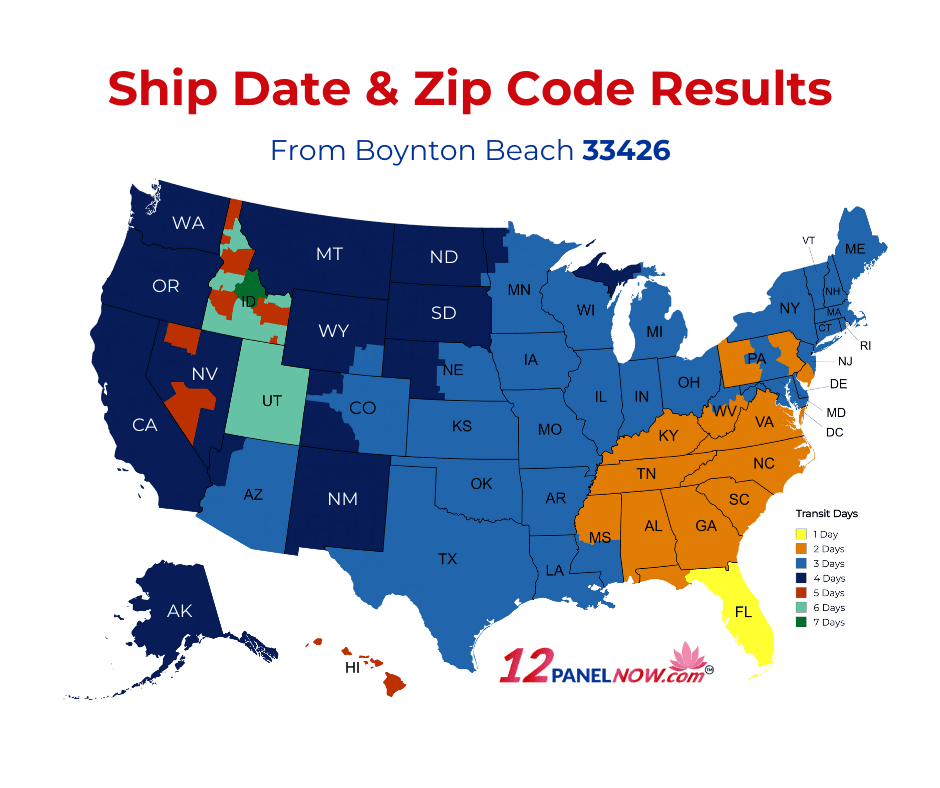
Why Does My Tracking Info Still Say "Label Created, Not yet in the System" When I Placed It X Days Ago?
If your order was placed via USPS, sometimes your label might not show up in their system even 1-3 days after they have received the package. The same can happen for UPS orders, although they almost always show up in their system the night which they are shipped. If you have any questions regarding the status of your order, please contact us and we will investigate the matter.
If I Pay for a next Day Air Delivery, Am I Guaranteed to Receive It the next Day?
Air deliveries performed by UPS are counted via business days, so you will receive your package the business day after it has been shipped. We also do not ship orders placed after 4 pm EST on the same day, so Next Day orders placed after 4 pm will be shipped the following business day.
Why Can't I Check the Tracking of My Package?
After you place your order, an email will be sent to you with the tracking number within a business day. If you did not receive this email, it's possible that the e-mail was entered incorrectly, sent to your spam folder, or blocked. If you did not receive this email, please call or email us and we'll be happy to give you the status of your shipment.
I Placed My Order but I No Longer Need It. Can I Return It and Get a Refund?
We accept returns for unused items as long as they are placed within 30 days after the day they are purchased. Although shipping is free upon order, we still incur a cost for every order that is shipped, and you will be refunded the amount of your order once we receive the returned goods, minus the cost of shipping.
Related products
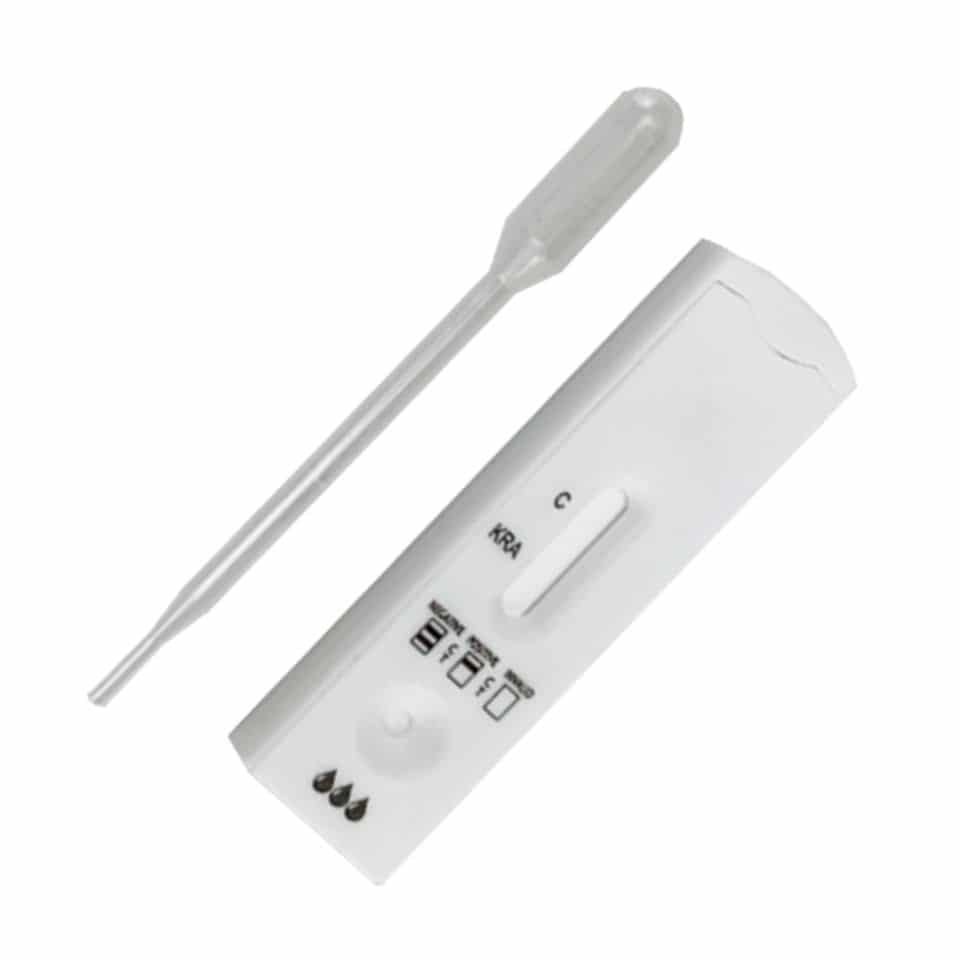
Kratom Drug Test Cartridge with Pipette, Detecting Kratom 500ng. 12 Panel Now
KRAForensic UseAs low As$0.28 $0.28 - $0.69
Adulteration Test Strips As low as $0.25
ADLTXForensic UseAs low As$0.25 $0.25 - $0.69
Clonazepam Drug Test Strips- Instant Drug Test, AS Low as $0.25 Each test
CLONForensic UseAs low As$0.25 $0.25 - $0.69
Fentanyl Urine Test, CLIA Waived, 1ng/mL – Instant Drug Test Strip, As Low As $0.29 Per Test
FEN, FEN 1ng/mlCLIA WAIVEDAs low As$0.29 $0.29 - $0.79
Fentanyl Test strip 20 ng/ml – Individual Pouch, As low as $0.19
FENForensic UseAs low As$0.19 $0.19 - $0.69
Dip Card FEN/20, Detecting Fentanyl. Serenity Single-Panel Urine Drug Test As low as $0.29
FENForensic UseAs low As$0.29 $0.29 - $0.59
Dip Strip KRA, Detecting Kratom – Single Urine Drug Dip Kit – 12 Panel Now as Low as $0.25
KRAForensic UseAs low As$0.25 $0.25 - $0.69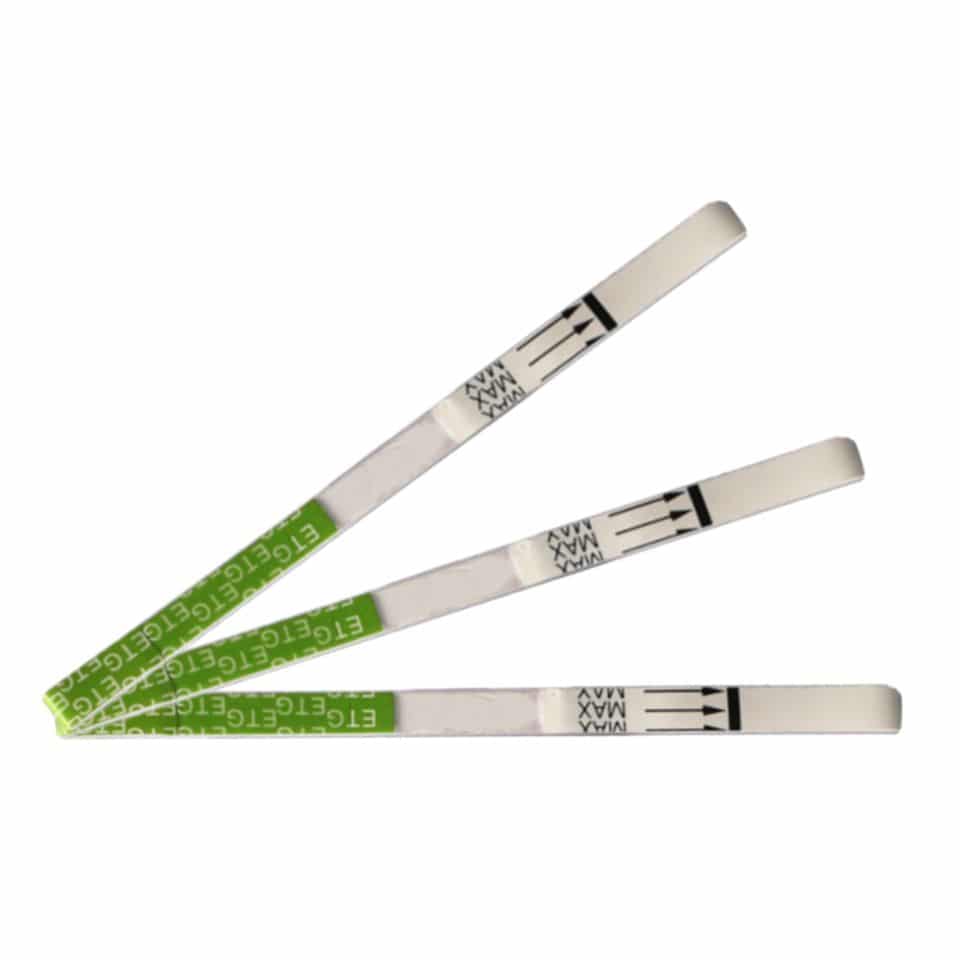
ETG Test Strip, Urine Alcohol Test — Detect Alcohol Use for Up to 80 Hours After Consumption, As Low AS $0.25 Per test
EtGForensic UseAs low As$0.25 $0.19 - $0.69


Reviews
There are no reviews yet.