Drug Test Panel Selection Guide for Clinics and Centers


Drug Test Panel selection can be challenging, as over half of all American medical facilities report confusion when choosing the right drug testing panels. The rules and regulations can be complicated, leaving many administrators uncertain about how to meet legal standards while keeping their patients or employees safe. Knowing exactly which tests to use, how to match them to your unique needs, and how to ensure accuracy can make all the difference in building an effective and compliant drug screening program.
Table of Contents
- Step 1: Assess Testing Requirements For Your Facility
- Step 2: Identify Relevant Drug Panels And Substances
- Step 3: Match Panel Types To Client And Regulatory Needs
- Step 4: Verify Product Quality And Certification
- Step 5: Implement And Review Panel Selection Process
Quick Summary
| Key Takeaway | Explanation |
|---|---|
| 1. Assess testing requirements thoroughly | Analyze your facility’s needs and local laws for effective drug testing. |
| 2. Choose drug panels based on context | Select panels tailored to specific patient populations and potential drug use. |
| 3. Match panels with regulatory needs | Ensure selected drug tests comply with legal standards and meet specific client requirements. |
| 4. Verify quality of testing supplies | Check certifications and performance characteristics of drug testing products. |
| 5. Implement a systematic review process | Create a dynamic evaluation strategy for ongoing assessment and improvement of testing protocols. |
Step 1: Assess Testing Requirements for Your Facility
Navigating drug testing requirements for medical facilities demands a strategic approach that balances legal compliance with organizational needs. According to the Substance Abuse and Mental Health Services Administration, understanding comprehensive drug testing protocols is crucial for creating an effective screening program.
Start by conducting a thorough review of your facility’s specific testing needs. This involves analyzing the types of patients or employees you serve, the potential risks associated with your work environment, and the specific substances most relevant to your medical context. A detailed content analysis of U.S. state laws from PMC highlights that urine drug testing regulations can vary significantly by state, making it essential to research local legal requirements before implementing any testing protocol.
Key considerations for your assessment should include determining the appropriate panel size, understanding the detection windows for different substances, and establishing clear protocols for both initial and confirmatory testing procedures. Consulting with legal counsel and compliance experts can help ensure your drug testing approach meets all regulatory standards while protecting both your organization and the individuals being tested. By taking a comprehensive and methodical approach, you can develop a robust drug testing strategy that supports the safety and integrity of your medical facility.
Step 2: Identify Relevant Drug Panels and Substances
Selecting the right drug test panel is a critical decision that requires careful consideration of your specific clinical or organizational needs. SAMHSA’s guidelines emphasize that no single drug panel is universal, and testing strategies must be tailored to specific monitoring objectives and patient populations.
To identify the most appropriate drug panels, start by conducting a comprehensive assessment of the substances most relevant to your environment. This involves examining the potential drugs of abuse in your specific context, whether youre managing a pain management clinic, rehabilitation center, or workplace screening program. Consider factors such as the detection window for different substances, the sensitivity of the tests, and the potential for cross reactivity. Learn more about multi-panel drug test selection with our comprehensive guide on choosing drug tests.
Key considerations include evaluating the typical substance use patterns in your patient or employee population, understanding the specific legal and medical requirements of your facility, and selecting panels that provide the most comprehensive screening with the least invasive testing methodology. Some standard panels might include tests for opioids, cocaine, marijuana, amphetamines, and benzodiazepines, but the exact configuration will depend on your unique needs. Always consult with medical and legal professionals to ensure your drug testing approach is both effective and compliant with current regulations.
Step 3: Match Panel Types to Client and Regulatory Needs
Matching drug test panels to specific client requirements and regulatory standards demands a nuanced approach that balances precision, compliance, and operational efficiency. The complexity of this task requires a strategic methodology that considers multiple interconnected factors.
Begin by thoroughly analyzing the specific regulatory landscape relevant to your facility. This involves examining both federal and state level requirements for drug testing, which can vary significantly across different healthcare settings and industries. Explore our comprehensive guide to understanding drug test panel variations to gain deeper insights into panel selection strategies. Different environments such as pain management clinics, rehabilitation centers, and workplace screening programs will have unique testing needs that demand customized panel configurations.
Carefully evaluate the specific characteristics of your client population, including potential substance abuse patterns, demographic factors, and the primary objectives of your drug testing program. Some critical considerations include selecting panels with appropriate detection windows, understanding the sensitivity and specificity of different test methods, and ensuring the chosen panels provide comprehensive screening while minimizing unnecessary testing. Consider creating a matrix that maps client needs against available panel types, which can help you systematically identify the most appropriate testing approach. Remember that a one size fits all strategy rarely works effective drug testing requires a tailored, thoughtful approach that respects both regulatory requirements and individual privacy considerations.
Step 4: Verify Product Quality and Certification
Ensuring the reliability and accuracy of drug testing supplies requires a meticulous approach to verifying product quality and certification. Good Laboratory Practice (GLP) regulations established by the FDA provide critical standards for maintaining data quality and integrity in laboratory testing environments.
When verifying product quality, start by examining the comprehensive certification documentation for your drug testing supplies. Learn more about our ultimate guide to custom drug panels to understand the key factors in selecting high quality testing materials. Look for certifications from recognized bodies such as the Clinical Laboratory Improvement Amendments (CLIA), which validate the accuracy and reliability of testing equipment. Pay special attention to the manufacturer’s quality control processes, including lot number tracking, expiration dates, storage requirements, and documented performance validation studies.
Carefully review the specific performance characteristics of each drug test panel, including sensitivity levels, cross reactivity potentials, and detection windows. Request and thoroughly examine certificates of analysis from manufacturers, which provide detailed information about test accuracy, specificity, and potential limitations. Remember that product quality verification is not a one time task but an ongoing process that requires regular monitoring and periodic recertification to maintain the highest standards of testing precision and reliability.
Step 5: Implement and Review Panel Selection Process
Implementing an effective drug test panel selection process requires a systematic approach that balances organizational needs with regulatory compliance. SAMHSA’s model plan for a drug-free workplace provides critical guidance on developing documented procedures that ensure consistent and reliable testing protocols.
Begin by creating a comprehensive implementation strategy that outlines clear procedures for panel selection, testing protocols, and result management. Discover more about customizing drug test panels with our detailed guide to help refine your approach. Establish a review committee responsible for periodic assessment of your drug testing program, including regular evaluations of panel effectiveness, changing substance abuse trends, and emerging testing technologies. This committee should conduct quarterly reviews to ensure your testing approach remains current, accurate, and aligned with both organizational objectives and regulatory requirements.
Document every aspect of your panel selection and implementation process, including the rationale behind panel choices, performance metrics, and any modifications made over time. Create a feedback loop that allows for continuous improvement, incorporating insights from medical professionals, legal experts, and frontline staff. Remember that an effective drug testing program is not a static system but a dynamic process that requires ongoing attention, adaptation, and refinement to maintain its effectiveness and relevance.
Simplify Your Drug Test Panel Selection with Trusted Supplies
Choosing the right drug test panels for your clinic or center can feel overwhelming. This guide highlighted the challenges of meeting regulatory requirements, balancing comprehensive screening, and ensuring high-quality testing products. With concerns about legal compliance, sensitivity, and ongoing review pressing on your mind, finding reliable drug testing supplies is critical to your success.
At 12 Panel Now, we understand how essential it is to have access to dependable, certified drug testing materials tailored to your unique needs. Whether you need to customize panel types or ensure accuracy across a range of substances, our extensive selection supports healthcare providers striving for precise and compliant screening programs. Experience the confidence of using products aligned with guidelines and backed by detailed quality certifications.
Explore our Complete Drug Test Knowledge Base – 12 Panel Now to deepen your understanding and find the perfect panels for your facility.
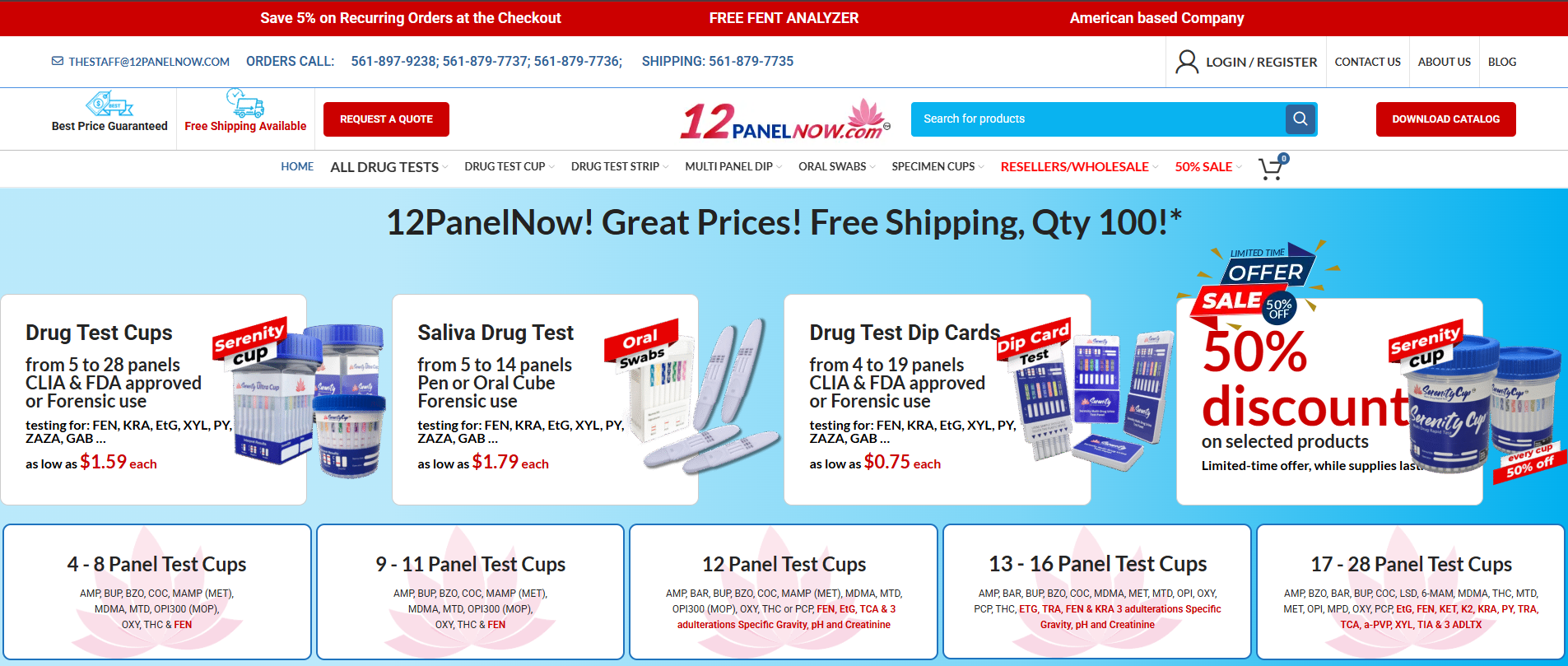
Take control of your drug testing process today by visiting 12 Panel Now to browse our premium supplies. Need answers before choosing? Find clarity in our Drug Testing FAQs: Unravel the Mysteries about Drug Testing. Act now to equip your clinic with trusted tools that safeguard integrity, uphold compliance, and ensure peace of mind.
Frequently Asked Questions
How do I assess drug testing requirements for my clinic or center?
To assess drug testing requirements, conduct a thorough review of your facility’s specific needs, including the types of patients or employees you serve and the potential risks of substance use in your setting. Analyze local laws and guidelines to ensure compliance, and consider consulting with legal experts to refine your assessment.
What factors should I consider when selecting drug panels for testing?
When selecting drug panels, evaluate the substances most relevant to your clinical environment and the detection windows for those substances. Assess the sensitivity of various test methods and choose panels that align with the specific monitoring objectives of your program.
How can I ensure the drug tests I use meet compliance standards?
To ensure compliance, verify product quality and certification by examining documentation from reputable manufacturers. Check for certifications indicating the tests meet Good Laboratory Practice (GLP) and other regulatory requirements, and review performance characteristics to ensure they are appropriate for your testing needs.
What is the process for implementing a drug test panel selection strategy?
Implementing a drug test panel selection strategy involves creating a comprehensive plan that outlines procedures for choosing panels, testing protocols, and result management. Form a review committee to regularly assess the effectiveness of your testing program and document modifications as necessary to maintain compliance and relevance.
How often should I review and update my drug testing protocols?
It is recommended to review and update your drug testing protocols at least quarterly. This helps ensure the protocols remain accurate and aligned with any changes in regulatory requirements, substance abuse trends, or testing technologies.
Recommended
- How to Choose Multi-Panel Drug Tests: Complete Guide – 12PanelNow | 12 Panel Drug Test | Free Shipping
- DOT Drug Panels vs. Non-DOT Panels – 12PanelNow | 12 Panel Drug Test | Free Shipping
- 12 Panel Drug Test: Everything You Need to Know – 12PanelNow | 12 Panel Drug Test | Free Shipping
- Complete Guide to Types of Drug Test Panels – 12PanelNow | 12 Panel Drug Test | Free Shipping