Tailoring Your Screening: When and How to Utilize Custom Panel Drug Test Cups

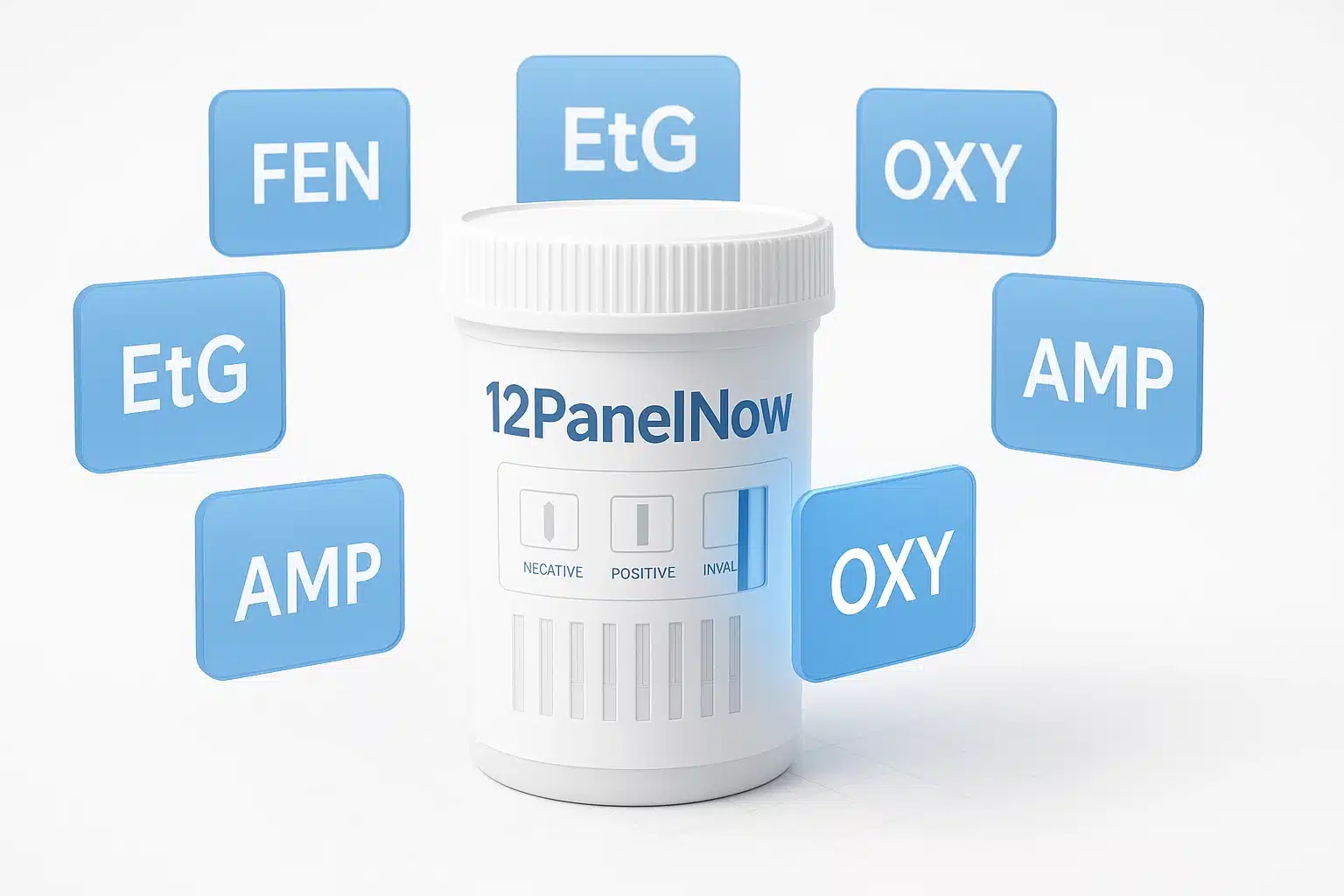
For years, the standard 12-panel urine cup has been the “set it and forget it” standard for workplace safety and clinical compliance. It covers the basics—marijuana, cocaine, basic opiates, and amphetamines. But if you are managing a safety-sensitive workforce or a rehabilitation program in today’s volatile substance custom panel drug test cups landscape, “the basics” may no longer be enough.
You aren’t just looking for positive results; you are looking for relevant data that mitigates risk.
The drug testing market has shifted from broad discovery to targeted optimization. With the rise of synthetic opioids and novel psychoactive substances, relying solely on off-the-shelf configurations can leave your organization exposed to what industry analysts call the “Fentanyl Blindspot” or the “Gabapentin Gap.”
This guide is designed to help you evaluate whether a custom configuration is the right strategic move for your testing program. We will walk through the logic of building a panel that fits your specific environment, ensuring you aren’t paying for tests you don’t need while capturing the substances you absolutely cannot miss.
The Standard Panel Trap: Why Generic Solutions Create Blindspots
The strongest argument for customization isn’t preference; it’s data.
According to the 2024 Drug Testing Index by Quest Diagnostics, positivity rates for specific high-risk substances like Fentanyl are significantly higher in random testing scenarios than in pre-employment screens. This suggests that while employees might clean up for a scheduled test, usage persists once they are on the job.
If your current standard panel doesn’t include synthetic opioids, your testing program is technically compliant but functionally blind to one of the leading causes of workplace overdose.
Furthermore, we are seeing a massive surge in test tampering. Substituted specimens rose over 600% in 2023. A standard cup might test for drugs, but if it lacks a robust adulteration strip (testing for pH, Specific Gravity, and Creatinine), you might be getting a “clean” result from a sample that isn’t even human urine.
Customization allows you to move from a reactive stance to a proactive one. It’s about auditing your local drug trends and aligning your testing tool to match reality.
The Economics of Precision: Analyzing the ROI of Customization
A common misconception is that custom drug test cups are inherently more expensive than standard bulk options. When viewed through a “cost-per-relevant-screen” lens, however, customization often drives higher ROI.
Consider this scenario: You are purchasing a standard 14-panel cup because you need to screen for Tramadol. However, that 14-panel cup also includes screens for substances that have zero prevalence in your demographic or region. You are effectively paying for waste.
By utilizing a supplier like 12 Panel Now, which offers a menu of over 54 drugs to choose from, you can engineer a lean, high-precision tool. You might build a 9-panel cup that excludes low-risk substances but adds crucial screens for Kratom, Fentanyl, and EtG (alcohol).
This approach achieves two financial goals:
-
- Budget Efficiency: You stop paying for “filler” panels.
- Liability Reduction: You catch the actual threats that lead to accidents and compensation claims.
Designing Your Defense: A Blueprint for Industry-Specific Risks
There is no such thing as a “universal” drug test because there is no such thing as a universal workplace. Different industries attract different substance abuse profiles. Your testing configuration should reflect the daily reality of your operations.
For Construction and Heavy Machinery
The primary risks here are impairment and pain management abuse. A standard marijuana/cocaine screen is insufficient. A custom configuration for this sector should heavily weight Opioids (OXY, MOP) and Muscle Relaxants (SOMA), while strictly including Fentanyl due to the high risk of injury-related prescription abuse.
For Maritime and Aviation (Safety-Sensitive)
While federal regulations dictate specific testing for DOT roles, non-regulated safety positions often fall into a gray area. Here, you should consider a “DOT-Standard Plus” configuration. This takes the federally mandated 5-panel baseline and layers on safety-critical synthetics that federal guidelines may lag behind on, ensuring your pilots and deckhands aren’t slipping through regulatory cracks.
For Healthcare and Clinics
Accessibility creates temptation. Nurses and staff with access to medication require panels that screen for diverted pharmaceuticals. A custom panel here must look beyond street drugs to identify Buprenorphine, Tramadol, and Benzodiazepines.
This is where the flexibility of Understanding Specific Drug Cut-Off Levels becomes critical. You aren’t just picking drugs; you are picking the sensitivity required to detect recent use versus historical use.
The “Lead Time” Weapon: Solving the Logistics of Custom Orders
If you have explored custom options with other vendors, you have likely encountered the “120-Day Wait.” Many competitors list extensive custom menus but require massive minimum orders and shipping lead times that stretch three to four months. In a fast-moving industry, you cannot predict your inventory needs a quarter of a year in advance.
This is a critical differentiation point in your vendor evaluation.
At 12 Panel Now, the philosophy is different. As a family-owned business, we understand that operational agility is key to your success. By maintaining substantial inventory and streamlining the customization process, we aim to drastically reduce the friction between “identifying a need” and “holding the solution.”
When evaluating a partner for custom configurations, ask these three questions:
-
- Is the menu truly flexible? (Can I choose from over 54 drugs, or just pre-set bundles?)
- What is the lead time? (Will I wait months for a product I need next week?)
- Are the tests valid? (Are these custom configurations CLIA waived and FDA approved?)
Reliability isn’t just about the cup’s accuracy—it’s about the supplier’s consistency.
Taking the Next Step
The decision to customize your drug testing program is a decision to prioritize data quality over convenience. In an environment where substance abuse trends evolve faster than standard product catalogs, having the ability to build your own defense is a massive strategic advantage.
You don’t need to settle for a “good enough” screening process. With options ranging from single-panel strips to comprehensive 28-panel cups and over 54 substances to choose from, you can construct a testing protocol that is as unique as your organization.
Explore the custom configuration options on our product pages today, or reach out to our team to discuss how we can build a solution that meets your specific safety and budgetary goals.
Frequently Asked Questions
Is it expensive to switch from standard to custom cups?
Not necessarily. While the per-unit cost of a highly complex cup may differ from a basic 5-panel, you often save money by eliminating panels you don’t need and avoiding the costs associated with “false negatives” (missed drug use). Additionally, bulk pricing models can make custom configurations highly competitive.
Can I include alcohol testing in a urine drug cup?
Yes. EtG (Ethyl Glucuronide) can be added to custom panels. This detects the presence of alcohol metabolites for up to 80 hours after consumption, bridging the gap between breathalyzers and long-term hair testing.
How do I know which cut-off levels to choose?
Cut-off levels determine the “sensitivity” of the test. For federally regulated industries, these are set by law. For private employers or clinical settings, you have more flexibility. Lower cut-offs detect usage further back in time but may result in more false positives from incidental exposure. Higher cut-offs are more lenient but definitive. Our team can guide you through these technical nuances.