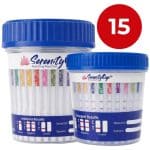
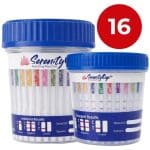
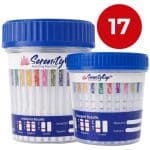
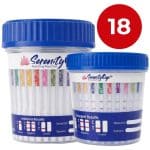
Are combination ETG and Fentanyl rapid tests reliable?

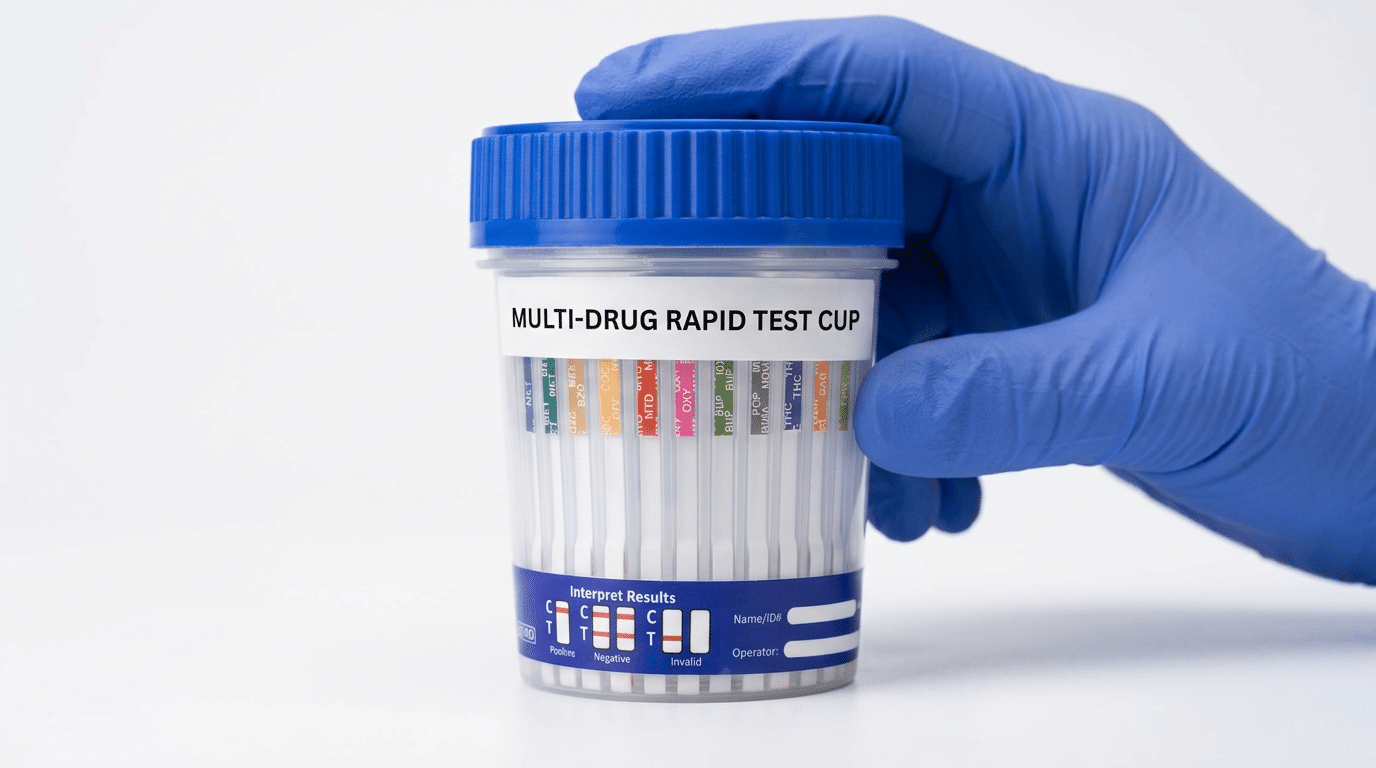
You want a fast answer you can trust—that’s the promise of a combination EtG (alcohol metabolite) and fentanyl rapid test. Whether it’s “reliable” depends on the decision you’re about to make, how the sample is collected, and whether the result is read correctly. Here’s what these tests do well, where they fall short, and how to use the results responsibly within minutes.
What “reliable” really means for rapid ETG + fentanyl testing
Most rapid urine cups are screening tests. They sort results into “negative” or “presumptive positive” using a cutoff level. That distinction matters: a screening result does not carry the same weight as a confirmatory lab result.
A reliable rapid test does two things consistently:
- Catches most true positives at or above the cutoff (good sensitivity).
- Clears most true negatives below the cutoff (good specificity).
In day-to-day use, the ability to clear negatives quickly is what keeps workplaces, clinics, treatment programs, and home monitoring on track.
How combination cups compare to single-analyte tests
It’s common to assume that adding panels makes results less trustworthy. In reality, a combination cup contains separate test strips inside one device. Each panel reacts to its own target drug class or metabolite. You’re getting one collection and one read time—not chemistry that “mixes” EtG and fentanyl together.
The bigger reliability risks usually come from human factors:
- Poor collection technique or tampering
- Reading results too early or too late
- Misreading faint lines
- Expired tests or tests stored improperly
EtG reliability: what it detects, and what it does not
EtG (ethyl glucuronide) is a metabolite your body produces after alcohol use. A urine EtG screen answers one focused question: Did alcohol enter the body recently enough to leave measurable EtG?
How far back can EtG show alcohol use?
You’ll often hear “up to 80 hours.” That can be true in some cases, but the window depends on the person, how much they drank, hydration, and the cutoff used by the test. In practical terms:
- Heavier drinking usually extends the detection window.
- Light drinking tends to clear faster.
- High fluid intake can dilute urine and lower EtG levels.
EtG is helpful for monitoring recent alcohol exposure, but it can’t pinpoint the exact time someone drank.
Can incidental alcohol trigger a positive EtG?
It can. EtG is intentionally sensitive, which is why people worry about things like hand sanitizer, mouthwash, and certain hygiene products. The real-world risk depends on exposure level and the test cutoff. If you’re about to take meaningful action based on a single rapid EtG result, treat a positive as a reason to confirm, not a final verdict.
What causes false negatives on EtG?
Most false negatives come down to timing and dilution. If drinking happened outside the effective detection window, EtG may be below the cutoff. If the urine is diluted, the concentration can drop below the cutoff even with recent use. That doesn’t mean the test is broken—it means the answer to “Is EtG above the cutoff right now?” is simply “no.”
Fentanyl reliability: strong screening value, but know the limits
Fentanyl raises the stakes because it’s potent and shows up in many contexts. A rapid fentanyl urine screen is designed to answer: Is fentanyl (or a related compound the assay detects) present above the cutoff?
Is fentanyl detection straightforward?
It’s straightforward when fentanyl (or the markers the test targets) are above the cutoff. Still, rapid fentanyl testing has practical limitations:
- Timing matters. Very recent use or use far back in time can be missed.
- Analogs vary. Not every fentanyl-like compound reacts the same way on every rapid test.
- Urine concentration varies. Dilution and low-dose exposure can push levels below the cutoff.
Even with those limits, fentanyl screening has real value for immediate next steps, such as deciding whether to escalate to confirmation or temporarily pause a safety-sensitive task while results are verified.
What about false positives for fentanyl?
Rapid immunoassays can cross-react. A presumptive positive does not prove fentanyl use on its own. If the outcome affects employment, legal status, or custody, confirmation through a certified lab method (commonly GC/MS or LC/MS/MS) should follow your policy.
What you can decide immediately—and what you should not
A rapid combination cup earns its place when you need a fast screen to guide what happens next.
Good immediate uses for a combination EtG + fentanyl cup
- Rule-out screening for multiple substances at once, especially when a negative changes your next step.
- Same-visit monitoring in outpatient settings, where results are needed during the appointment.
- Workplace or program workflow decisions like “send for confirmation” or “document negative and move on.”
- Home accountability testing where patterns over time matter more than a single snapshot.
Decisions you should not make from one rapid result
- Final disciplinary action without confirmation, especially if policy or local rules require lab proof.
- Medical diagnosis without clinical evaluation and lab support.
- Exact timing claims like “you drank at 9 pm” or “use happened yesterday at noon.”
Rapid tests provide quick direction. They don’t replace due process or clinical judgment.

How to get the most reliable result in real life
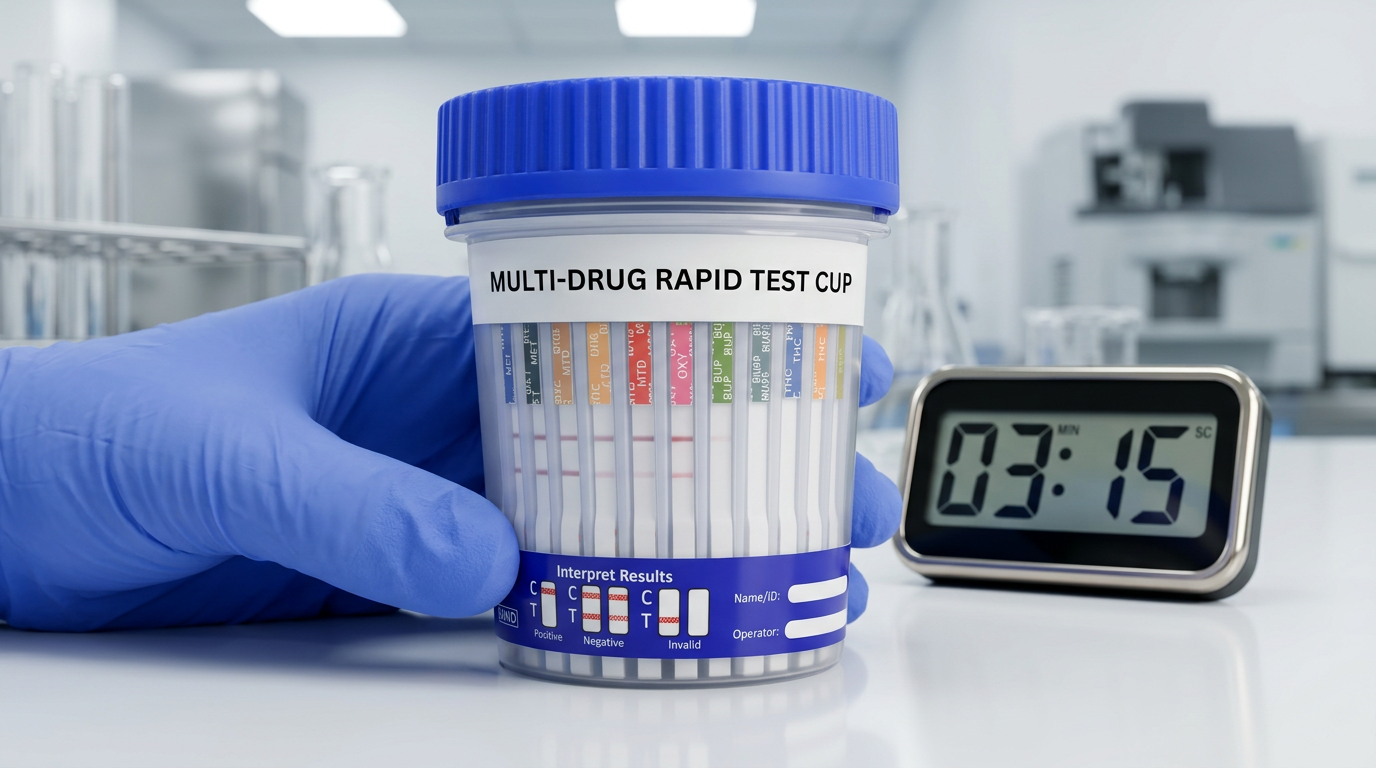
Most problems trace back to process, not the test itself. Consistency is what makes results more dependable.
Collection steps that protect accuracy
- Check the expiration date and confirm the package is sealed and undamaged.
- Collect a clean sample and fill to the marked level.
- Check temperature promptly if the cup includes a temperature strip; fresh urine should fall within a normal range soon after collection.
- Set a timer and read results only within the stated window.
- Document immediately with notes or a photo if your policy allows.
How to read faint lines without second-guessing
On many urine immunoassays, any visible test line counts as negative for that panel—even if it’s faint. Faint lines are easy to misread, especially in dim light. Use bright lighting and follow the included instructions exactly.
Do combination ETG + fentanyl cups miss things a lab would catch?
Yes. Lab confirmation can identify specific compounds and quantify levels with much higher precision. That’s why many programs use a two-step approach:
- Step 1: Rapid screen for speed and cost control.
- Step 2: Lab confirmation for positives or disputed results.
This setup is common in professional testing programs: screening tests act as gatekeepers, and confirmation resolves the high-impact calls.
Who benefits most from a combination ETG and fentanyl rapid cup?
A combination cup makes sense when alcohol exposure and fentanyl risk both matter—and you’d rather not run separate tests.
These groups typically get the most value:
- Employers with safety-sensitive roles who need quick screening before shifts or after incidents.
- Treatment and recovery programs that monitor alcohol and opioids closely.
- Probation and compliance settings where same-day decisions depend on quick results.
- Families who want a private, structured way to monitor patterns over time.
FAQ: quick answers people ask before buying
Is a positive result on EtG or fentanyl “proof”?
No. A rapid cup reports a presumptive positive. If the outcome affects employment, legal standing, custody, or medical care, confirm through a certified laboratory method.
What if someone drinks a lot of water before testing?
Dilution can lower concentrations and push a true positive below the cutoff. Use consistent collection rules and pay attention to any validity checks the cup provides, if included.
Can I trust a negative result for immediate action?
Often, yes—negatives are typically useful for rapid rule-out screening when timing and collection match the situation. If exposure could be very recent or risk is high, plan a repeat test or confirmatory testing.
Conclusion
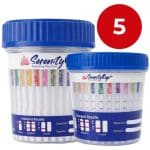
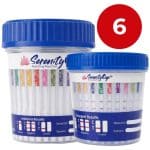
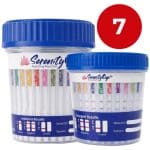
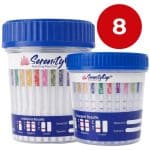
Combination EtG and fentanyl rapid tests are best used as fast screens, not final judgments. Reliability improves when collection is consistent, results are read in the correct time window, and any presumptive positive with serious consequences is confirmed through a lab. If you want a single urine cup that screens broadly while keeping EtG and fentanyl in view, 12 Panel ETG & FEN Cup from 12 Panel Now covers that need in one straightforward step.