Multi-Substance Test Kits: What to Look For for Best Value

If you’re shopping for a multi-substance test kit, you’re usually after two things: wide coverage and results you can rely on. Where people get tripped up is the fine print—panels, cutoffs, timing, and what you actually plan to do with the result. Here’s how to think about “best value” so you can choose the right kit and avoid expensive do-overs.
Start with the real goal: screening, not final proof
Most multi-substance urine tests are screening tools. Screening answers one practical question: “Is this sample likely negative or likely positive at the stated cutoff?” That’s different from a lab-confirmed result, which is what typically holds up for legal or clinical decisions.
You’ll get the best value when the kit matches the decision you need to make. For quick guidance—monitoring, workplace safety checks, or personal peace of mind—a broad multi-panel kit is a good fit. If you need defensible documentation for court, employment disputes, or medical determinations, treat rapid results as step one and confirm any non-negative result through a certified lab (GC/MS or LC/MS).
Panel breadth: “More panels” only helps if they match today’s risks
Panel count is easy to market, but panel relevance is what makes a kit worth buying. A broad-spectrum kit pays off when it covers the common categories and the substances that slip past older 5-panel or 10-panel setups.
When you compare multi-substance test kits, ask one question: What are the realistic exposures I need to screen for? Some buyers only need typical workplace categories. Others—especially families, recovery programs, and harm-reduction settings—need coverage for substances that show up in everyday life but aren’t included in basic panels.
What “broad-spectrum” usually means in practice
Broad-spectrum screening usually includes:
- Stimulants (such as amphetamine-type drugs)
- Cocaine
- Opiates and opioid-related drugs
- Benzodiazepines
- Cannabis (THC) in many, but not all, settings
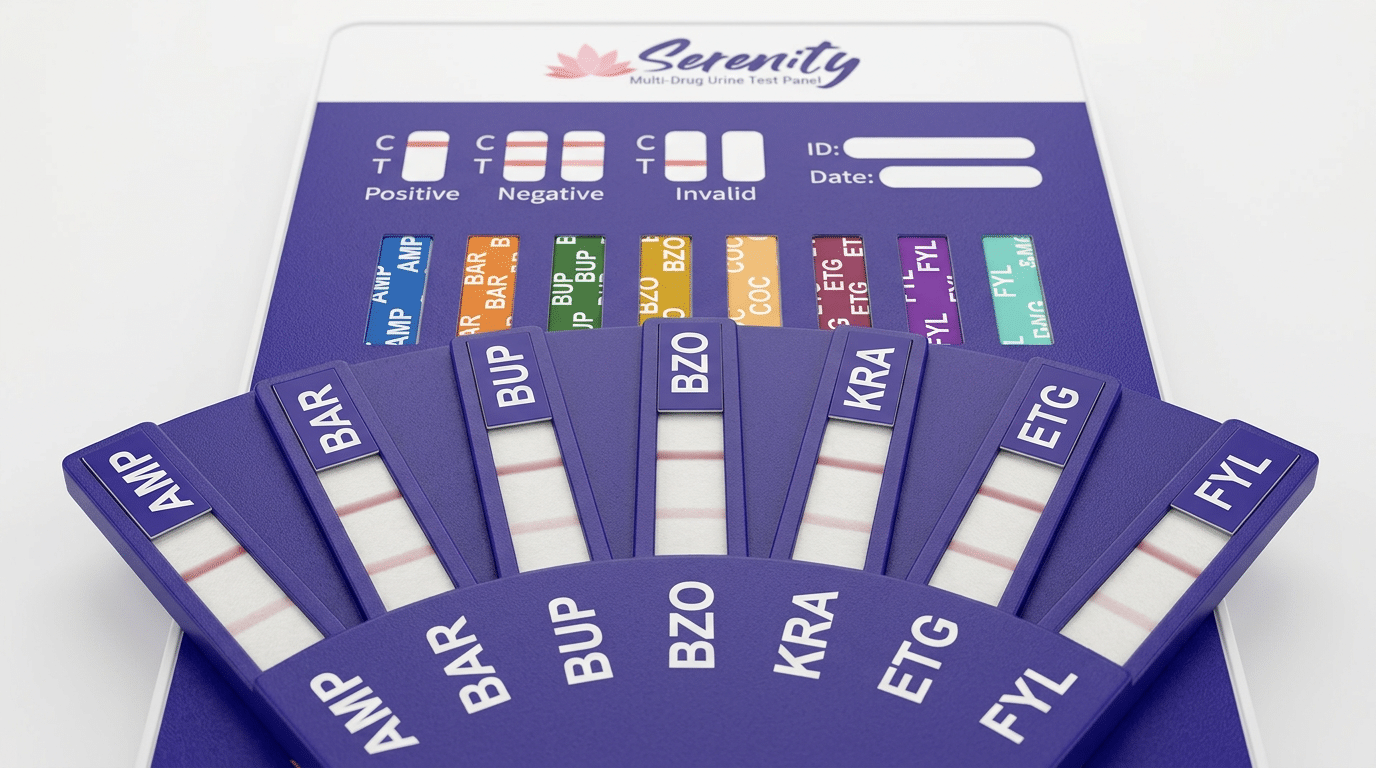
The best-value kits go further by adding panels that can change the meaning of a “clean” basic screen. Two examples that matter in many communities are fentanyl exposure concerns and alcohol use monitoring that a standard breath check can miss after the fact.
Don’t skip the cutoff conversation (it changes the result)
Cutoffs determine what the test reports as positive versus negative. Two kits can test for the same substance and still disagree simply because they use different cutoffs. This is easy to miss because it’s often buried in package inserts or small text on product pages.
Choose cutoffs that fit your purpose. Workplace programs often follow established standards. Family monitoring may prioritize practical clarity over regulatory alignment. Clinical programs follow their own protocols. If you’re unsure which cutoff you need, ask the employer, clinic, program, or supervising authority that will rely on the outcome.
Why cutoffs matter for “best value”
A kit can look like a bargain until it creates confusing results that force retesting. If you buy the wrong cutoff, you often pay twice: once for the kit and again in follow-up calls, repeat tests, and unplanned confirmations.
- A higher cutoff can reduce positives from low-level exposure, but it may miss light use or earlier use.
- A lower cutoff can pick up smaller amounts, but it can also increase non-negative screens that require confirmation.
Look at timing: result window, detection window, and your test schedule
Timing gets mixed up all the time, and it leads to bad purchases. There are three separate issues:
- Result window: how quickly the test shows a readable result (rapid tests are usually readable in minutes).
- Detection window: how long after use a substance can be detected in urine (this varies by substance, dose, frequency, and metabolism).
- Test schedule: how often you plan to test (random, weekly, post-incident, or follow-up).
Value improves when the kit fits your routine. If you test frequently, pick a format that stays simple and consistent across repeated use. If you test after a specific incident, prioritize broad coverage for the substances most likely to matter in that situation.
EtG matters if alcohol monitoring matters
Many people assume “alcohol testing” means a breath test or a quick saliva test. Those are useful when the question is immediate impairment. But some monitoring situations need a urine marker that can detect alcohol use after the drinking episode has passed. That’s where EtG comes in.
If you’re focused on sobriety monitoring, compliance programs, or accountability plans, treat EtG as a core feature—not a bonus panel. It helps avoid a situation where a standard drug panel looks fine while the real concern goes unmeasured.
Specimen integrity: the cheapest test becomes expensive when tampering enters
“Best value” depends on whether the sample reflects real urine collected at the right time. In professional settings, collection is supervised. At home, it often isn’t. That difference is why specimen integrity checks—and solid collection habits—matter.
Even if your kit doesn’t include built-in adulteration testing, you can still protect the usefulness of the result by controlling the basics: use a clean cup, follow timing instructions, and keep the sample in normal conditions. For workplace or clinical programs, consider formats that support stronger collection controls and documented procedures.
Simple collection practices that improve reliability
- Use a clean collection cup and avoid soap residue.
- Test within the recommended time after collection.
- Read results within the stated reading window and don’t interpret late changes.
- Store tests as instructed to avoid heat and humidity damage.
Accuracy expectations: what rapid tests do well (and what they don’t)
Rapid immunoassay tests are effective screening tools, especially for ruling out negatives at the stated cutoff. But no screen eliminates uncertainty. Cross-reactivity, user error, and samples near the cutoff can produce non-negative screens that don’t hold up on confirmation.
That doesn’t make rapid tests unreliable—it means you should use them with a sensible process:
- Screen with a broad multi-panel kit.
- Confirm non-negative results through a lab when the decision has real consequences.
- Document the test date, lot number (if available), and reading time when you need records.
Ease of use drives value more than most people admit
It’s tempting to focus on panel count and price per test, but usability is what determines whether you’ll get consistent, repeatable results. If the process is confusing, people misread lines, skip steps, or put off testing—value drops fast.
Many buyers like dip card formats because the steps are straightforward: collect urine, dip to the line, wait, then read. Still, make sure the instructions fit your setting. Clinics need speed and consistency. Parents need clarity. Businesses need repeatability across different supervisors.
Quick checklist: usability questions to ask before you buy
- Do the instructions include clear visuals for line interpretation?
- Does the format fit your setting (home, clinic, job site)?
- Can you store it at room conditions without damage?
- Can different people follow the same steps and get consistent readings?
Which “extra panels” actually pay off? Focus on fentanyl, kratom, and EtG
Some add-on panels are nice to have but won’t change your decisions. Others close real gaps. For many buyers, the highest-value expanded panels cover substances that standard kits skip or don’t detect well.
Fentanyl screening: value rises when risk rises
Fentanyl is a concern in many communities because small amounts can cause severe harm. If opioid exposure risk is on the table, a kit that includes fentanyl screening can reduce uncertainty and point you toward the right next step.
For safety-sensitive workplaces, recovery monitoring, and harm-reduction support, fentanyl coverage can be the difference between guessing and acting on clearer information.
Kratom screening: value depends on your rules
Kratom is a common source of confusion. Some people treat it as a supplement. Some programs restrict it. Some employers and treatment plans test for it because of policy or risk concerns.
Check the rules you’re working under before you buy. If your workplace, clinic, or monitoring agreement flags kratom use, then kratom screening adds real value by covering a blind spot standard panels often leave open.
EtG screening: value depends on the question you ask
If the question is “Is this person impaired right now?” EtG won’t answer that by itself. If the question is “Has this person used alcohol recently?” EtG is a practical tool for monitoring. That one distinction should drive whether EtG belongs in your panel set.
How to compare costs the right way (without falling for price-per-test traps)
Best value isn’t always the lowest price per test. It’s the lowest total cost for a result you can actually use. When you compare kits, include the hidden costs that show up after an incomplete or confusing screen:
- Retest costs when the kit doesn’t include a substance you care about
- Confirmation costs after unexpected non-negative results
- Time costs when staff struggle with steps or interpretation
- Program costs when your panel set doesn’t match your policy
A well-chosen broad panel often reduces retesting because it answers more questions in one pass. That can be the better deal even if the upfront price is slightly higher than a basic kit.
Who benefits most from broad-spectrum multi-panel dip cards?
Broad-spectrum dip cards are a strong fit for anyone who needs fast screening without lab equipment, including:
- Employers running quick pre-employment or post-incident screening
- Clinics and treatment programs doing routine patient monitoring
- Parents and families who want clear at-home screening
- Probation and compliance programs that require frequent checks
If you need strict chain-of-custody and formal documentation, pair rapid screening with a defined lab confirmation process. That keeps decisions consistent and reduces disputes.
Optional FAQ
How many panels do I really need in a multi-substance test kit?
You need enough panels to match what your policy or situation cares about. If fentanyl, alcohol monitoring (EtG), or kratom matters in your setting, choose a kit that includes them instead of relying on a basic panel.
If a rapid test shows a non-negative result, what should I do next?
Treat it as a screen. If the outcome affects employment, legal status, custody, or medical care, confirm through a certified lab. Also follow the test’s reading window and document the details you may need later.
Do multi-substance urine tests detect alcohol use?
Some multi-panel kits include EtG, a urine marker used in alcohol monitoring programs. A standard drug panel without EtG doesn’t answer the same question.
Conclusion
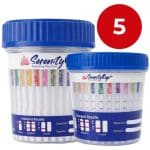
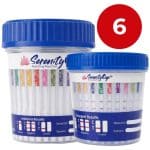
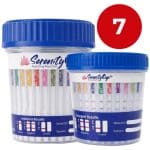
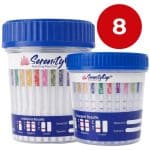
Best value comes from matching panel coverage to real-world risk, choosing cutoffs that fit your rules, and having a clear plan for handling non-negative screens. Broad-spectrum screening can save time and cut down on repeat testing when it covers substances that basic panels miss. If you want a single wide-coverage option that includes kratom, EtG, and fentanyl, consider the 16 Panel Drug Test with Kratom, ETG and Fentanyl from 12 Panel Now.