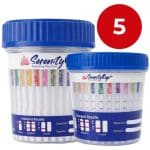
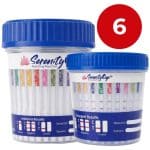
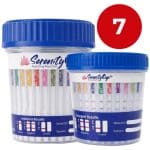
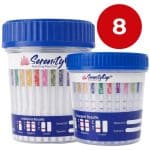
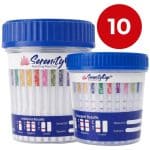
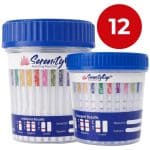
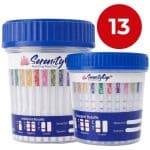
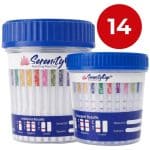
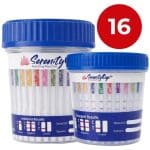
Rapid Harm Reduction Tool for Fentanyl, Kratom, and ETG


If you need answers quickly, waiting days for a lab result is rarely practical. A rapid multi-substance cup offers a fast screen for fentanyl, kratom, ETG, and other substances in one step. This guide covers what buyers usually want to know before choosing one, how these cups work, who uses them, and what makes one option easier and more practical to buy.
Why do people want fentanyl, kratom, and ETG in one test cup?
The reason is straightforward: drug use patterns have changed, and many standard panels no longer cover the substances people are most concerned about. Fentanyl raises immediate safety concerns. Kratom comes up in recovery, treatment, and family monitoring. ETG helps detect recent alcohol use, which matters in sobriety programs, workplace policies, and court-related testing.
When one cup checks all three, the process becomes much simpler. You collect one urine sample, run one screen, and review one result window. That saves time and reduces the chance of mix-ups. For buyers, it also means fewer products to manage and a less confusing process for the person being tested.
What problem does a rapid multi-substance cup solve?
The biggest issue is delay. Lab testing is valuable for confirmation, but shipping and processing take time. In many settings, that wait adds stress and slows decisions. A rapid cup gives you an initial answer within minutes, helping employers, clinics, families, and public health teams respond faster.
It also helps control cost. Sending every sample to a lab is more expensive than using a quick screen first. Many buyers use rapid cups as the first step: if the screen is negative, they save time and money; if it is positive, they send the sample for confirmation.
- Employers use them for quick workplace screening.
- Clinics use them for patient monitoring.
- Recovery programs use them for routine check-ins.
- Families use them for private, at-home screening.
- Harm reduction groups use them for fast risk checks.
How does a user-friendly test cup make harm reduction more practical?
Harm reduction works best when the tool is simple enough to use on the spot. A multi-substance cup combines collection and screening in one device, which matters when people are already dealing with a stressful situation.
A user-friendly cup helps in three main ways. It reduces handling steps, makes results easier to read, and cuts down on the training needed for staff or home users. If a product feels confusing, people avoid it or make mistakes. If it feels clear and straightforward, they are more likely to use it correctly and consistently.
Why ease of use matters so much
Ease of use is not just about convenience. It affects accuracy in real-world settings. A simple cup reduces user error during collection, timing, and result reading. That matters in clinics, job sites, probation offices, and homes, where experience levels can vary widely.
It also makes repeat testing more realistic. If screening needs to happen more than once, a cup that is clear and fast is easier to keep in regular use.
How fast are results, and is that fast enough to trust?
For most buyers, speed matters because decisions often cannot wait. A rapid cup that delivers results in about 5 minutes fits the needs of on-site screening and is quick enough for the collector to stay with the process from start to finish.
Trust depends on using the test correctly and understanding what it can and cannot do. A rapid cup is a screening tool, not the final word in every case. Negative screens can rule out many concerns quickly. Positive screens should be confirmed by a lab if the result could affect employment, treatment, legal status, or a major personal decision.
What does a screening result really mean?
A negative result means the test did not detect the substance at the set cutoff. A positive result means the screen detected enough of that substance to trigger the test response, depending on the cup format. That is why experienced buyers use rapid cups as the first step in a clear testing process.
This matches the way many workplaces and clinics already handle screening: test first, confirm when necessary.
Who should buy a multi-substance cup with fentanyl, kratom, and ETG?
The short answer is anyone who needs quick, broad screening in one device. The best fit depends on the setting. Employers like broader panels because one test covers more potential risk. Clinics value them for treatment monitoring. Parents and private buyers appreciate the privacy and speed.
This type of cup also makes sense in public health and harm reduction work. Fentanyl has made fast detection more urgent. ETG adds alcohol monitoring. Kratom fills a gap many older panels still miss. A single cup that includes all three keeps buyers better aligned with current screening needs.
- Employers: for pre-employment, random, and post-incident screening.
- Clinics: for treatment plans and patient check-ins.
- Probation and legal settings: for quick compliance screening.
- Families: for private monitoring at home.
- Public health teams: for practical harm reduction support.

What should you check before buying one?
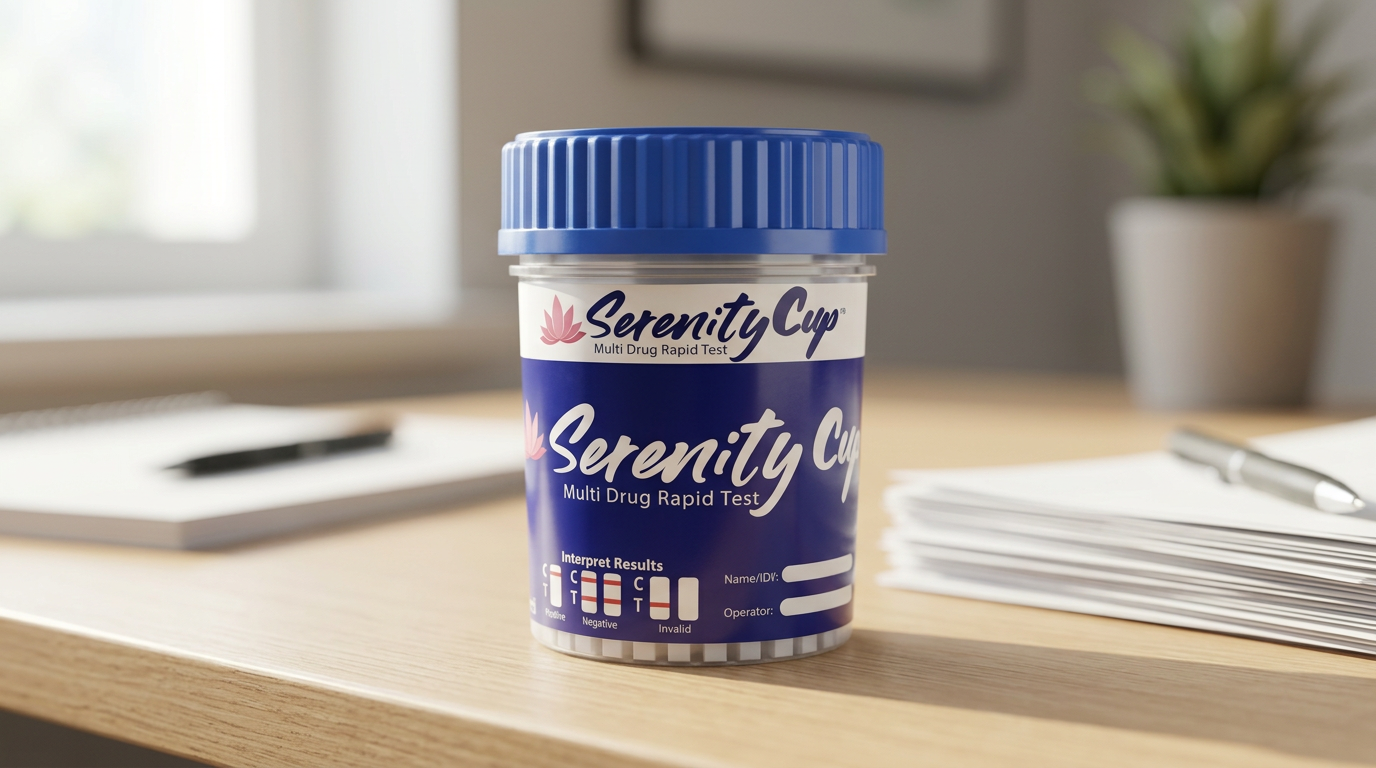
Most buyers start with the substance list, and that is the right place to begin. If you need fentanyl, kratom, and ETG, make sure all three are included in the same cup. After that, look at result speed, ease of use, and price. Those factors determine how well the product holds up in everyday use.
You should also think about the setting. If multiple staff members will be using the product, a simple all-in-one cup makes training easier. If you are buying for home use, clear instructions and a self-contained format matter even more.
Smart buying checklist
- Does the cup include fentanyl, kratom, and ETG?
- How long do results take?
- Is the cup simple enough for first-time users?
- Does the price support repeat testing?
- Will you use it as a screen and confirm positives when needed?
Is one all-in-one cup better than buying separate tests?
In many cases, yes. Separate tests add steps, cost, and more chances for error. You need more inventory, more handling, and more time. One all-in-one cup keeps the process tighter and easier to manage.
That matters even more when regular screening is involved. A single-cup workflow is easier to repeat, easier to explain, and easier to track. It also feels less overwhelming for the person being tested, which can make the whole process go more smoothly.
What makes a strong option for budget-conscious buyers?
Price matters because many buyers are not testing just once. Employers buy in volume. Clinics reorder. Families may need to test more than once during a stressful period. A lower per-test cost makes it easier to stick with a screening plan instead of cutting corners.
Still, price only matters if the cup covers the substances you actually need. A cheap test that misses fentanyl, kratom, or ETG does not solve the problem. Better value comes from a cup that combines broad coverage, quick results, and simple use at a price that makes repeat ordering realistic.
Optional FAQ
Can this type of test replace a lab test?
No. A rapid cup works best as an on-site screen. If a result is positive and the outcome matters for work, treatment, or legal action, a lab should confirm it.
Is a 5-minute result useful in real settings?
Yes. A 5-minute screen helps people make faster first decisions, keep the testing process on-site, and reduce the delay that comes with lab-only screening.
Why do buyers care about kratom and ETG now?
Because standard panels do not always include them. Kratom matters in treatment and home monitoring. ETG matters when recent alcohol use is part of the concern.
Conclusion
A rapid multi-substance cup is a practical choice when you need quick screening for fentanyl, kratom, and ETG without adding extra steps. The best option offers broad coverage, simple use, fast results, and a price that makes repeat testing manageable. For a clear, affordable option, 16 Panel Drug Test, Kratom, ETG and Fentanyl, Low price $2.59 from 12 Panel Now stands out as a strong pick.