How to Screen for Fentanyl and Recent Alcohol Use Fast


If you need quick answers about fentanyl exposure and recent alcohol use, the test format matters. Many buyers want to know what a multi-panel cup checks, how ETG works, and whether one test can cover both concerns at once. This guide explains what to look for, what results mean, and how to choose a screening tool with confidence.
Why people want fentanyl and alcohol screening in one test
Most buyers have a simple goal: get fast, useful answers without sending every sample to a lab first. That comes up in workplaces, clinics, recovery programs, probation settings, and home use. A single cup that checks multiple substances saves time and keeps the process straightforward.
Fentanyl and alcohol are different kinds of concerns on a standard panel. Fentanyl is a high-risk synthetic opioid. Recent alcohol use requires a different marker, which is why buyers look for ETG in the product name. When both are built into one test, you can screen for two important risks in one step.
What does ETG mean on a drug test cup?
ETG stands for Ethyl Glucuronide. It is a marker of recent alcohol use. Buyers choose ETG screening when they need a broader view of recent drinking than a breath test can provide. In this product category, ETG is used to screen for alcohol consumption over a longer recent-use window.
For shoppers, the benefit is clear: ETG answers a question that standard drug panels do not. A basic drug cup will not show much about recent alcohol use unless it includes a dedicated alcohol marker. That is why ETG matters in treatment, monitoring, and compliance settings.
How far back does ETG screening look?
The product information here states that ETG can screen for recent alcohol consumption up to 80 hours prior. That is useful when you need to check drinking activity beyond the same day. It gives you a wider window than a short-term alcohol test.
Why fentanyl needs its own panel
Many buyers assume every opioid test checks for fentanyl. That is a common and expensive mistake. Fentanyl does not always appear on a basic opiate screen, which is why a dedicated FEN panel matters. If fentanyl is part of the concern, look for it by name on the product.
This is one reason buyers move from general panels to newer multi-panel cups. Drug use patterns have changed, and screening tools have had to keep up. A cup with a fentanyl panel lets you ask a direct question instead of relying on a standard opioid line to catch it.
Who should use a multi-panel cup with ETG and FEN?
This kind of test fits buyers who need broad screening with added attention to alcohol and fentanyl. That includes employers, treatment programs, probation offices, healthcare teams, and families who want private screening at home. The main advantages are speed, privacy, and one-step collection.
If your setting needs quick first-pass results before any lab follow-up, a multi-panel cup offers a practical solution. It also works well when repeated testing is part of the routine. One sample, one cup, and one clear process reduce confusion.
- Employers who need fast on-site screening
- Clinics and recovery programs tracking recent alcohol use
- Probation or court-related monitoring programs
- Parents or family members who want private home screening
- Organizations concerned about fentanyl exposure
What should buyers check before choosing a fentanyl and ETG test?
Most buyers ask the same questions before ordering. Does the cup include fentanyl by name? Does it include ETG by name? How many total substances does it screen for? Can the user collect and read the test without extra equipment? Those details matter more than flashy marketing.
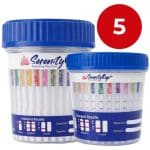
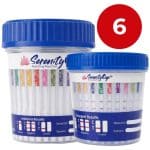
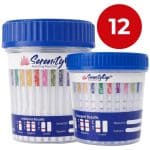
Here, the product name answers the key question right away. The 12 Panel ETG & FEN Cup is designed to screen 12 substances and includes dedicated panels for ETG and FEN. Clear labeling helps buyers avoid guesswork.
Use this short checklist
- Confirm that ETG is listed for recent alcohol screening
- Confirm that FEN is listed for fentanyl screening
- Check the total panel count if you need broader substance coverage
- Choose a cup format if you want collection and screening in one device
- Plan for lab confirmation if a result is positive or disputed

How accurate are rapid screening cups?
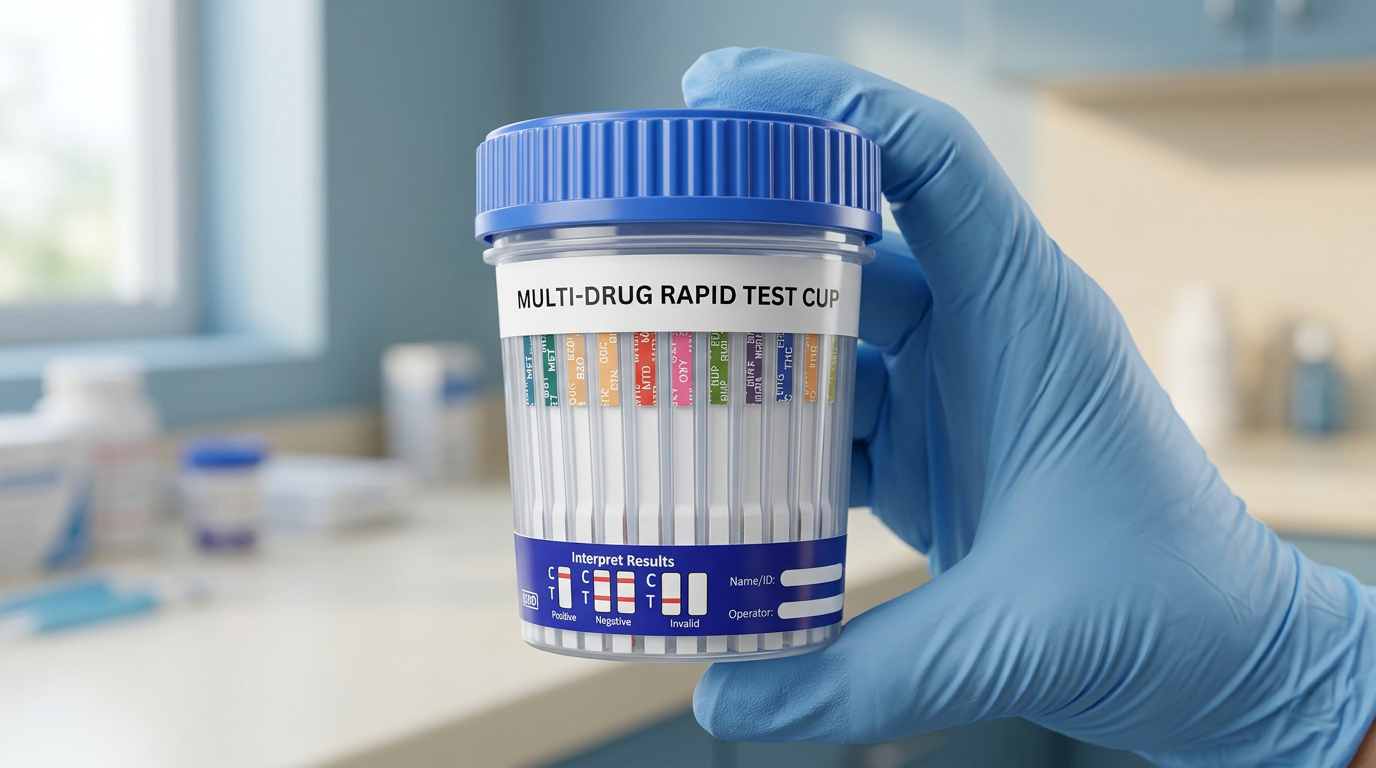
Rapid test cups work best as screening tools. They provide a quick first answer, which is helpful when timing matters. Many professional settings use them to separate negative samples from those that need closer review. That keeps costs under control and helps the process move faster.
Buyers should also understand the limits of any rapid screen. A positive result is not the final word in a disputed case. Lab confirmation is still the standard next step when legal, employment, or medical decisions depend on the outcome. That does not make rapid cups less useful. It defines their role: fast screening first, confirmation second when needed.
What makes a cup format easier than other test formats?
A cup format combines collection and screening in one product. That reduces handling steps. For many buyers, it means fewer mistakes and a cleaner process. In busy settings, that matters.
At home, a cup often feels easier to manage than separate collection supplies and test strips. In workplaces and clinics, staff can move from collection to reading with less delay. When speed and simplicity matter, the cup format is often the better option.
What questions should you ask about recent alcohol and fentanyl screening?
Before buying, be clear about the problem you need to solve. Are you checking for broad substance use with two higher-risk concerns added in? Are you focused on recent drinking in a monitoring program? Are you trying to avoid the gap that comes with a panel that does not list fentanyl?
Your answer should shape the purchase. If fentanyl and recent alcohol use both matter, a standard panel without ETG and FEN leaves a blind spot. If those are the exact risks you need to monitor, choose a test that names them clearly.
When is a 12-panel option the better choice?
A 12-panel cup works well for buyers who need a wider screen than a narrow, single-purpose test can provide. It offers broader visibility while still covering recent alcohol use through ETG and fentanyl through FEN. That balance is useful in real-world settings where one concern rarely appears by itself.
For example, an employer may need a general substance screen but also want visibility into fentanyl because of local risk patterns. A treatment program may track sobriety and need ETG for alcohol while still watching other substances. In those cases, a wider panel makes more sense than a single-substance test.
Optional FAQ
Does a standard opioid panel always detect fentanyl?
No. Do not assume a basic opioid screen includes fentanyl. If fentanyl matters, choose a test that lists FEN by name.
Why is ETG better than a same-day alcohol check for some programs?
ETG can screen for recent alcohol use over a longer window. That makes it useful when the goal is to review drinking activity from the past few days, not just the last few hours.
Should a positive rapid result go to a lab?
Yes. In any setting where the result affects medical, legal, or employment decisions, a positive screen should be confirmed by a lab.
Conclusion
If you need fast screening for fentanyl and recent alcohol use, choose a product that clearly names both panels and keeps the process simple. A cup with ETG and FEN helps answer two urgent questions in one step while still providing broader substance coverage. For quick, practical screening, 12 Panel ETG & FEN Cup from 12 Panel Now is a strong place to start.