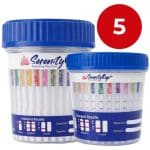
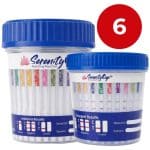
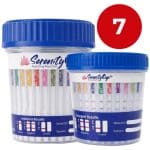
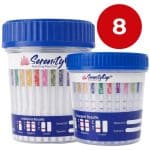
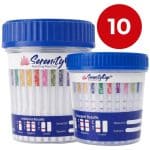
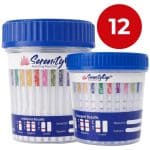
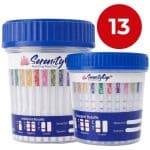
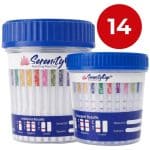
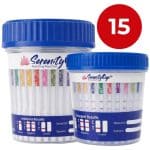
Validated 12-Drug Tests With ETG Alcohol and Fentanyl


If you need fast drug screening, a long panel list is not enough. You need a test that covers today’s real risks, delivers clear results, and helps you make decisions quickly. This article explains why validated 12-drug tests with ETG alcohol and fentanyl matter, who benefits most from them, and what to look for before buying.
Why do ETG alcohol and fentanyl panels matter so much?
Many buyers start with the same question: why not use a standard multi-drug cup? Because standard panels do not always include the substances that create the biggest gaps in screening. For many programs, alcohol and fentanyl are two of those gaps.
ETG helps screen for recent alcohol use over a longer window than basic alcohol tests. Fentanyl matters because it is highly potent and remains a serious concern in workplaces, treatment programs, court monitoring, and home oversight. A 12-drug cup that includes both gives you a broader picture of current substance use concerns in one test.
What does “validated” mean when you buy a drug test cup?
When buyers look for a validated test, they are looking for more than convenience. They want a screening tool built for reliable performance. In practical terms, validation means the test format is designed to support consistent results when used as directed.
That matters because a screening cup is often the first step in a larger decision process. Negative screens can save time and money. Non-negative screens show when it is time to move to confirmation testing. A validated cup supports that process and helps reduce poor screening decisions caused by weak performance or an incomplete panel.
Who benefits most from a 12-drug test with ETG and fentanyl?
This kind of test is a strong fit for people and organizations that need broad screening in one step. It works especially well in settings where speed matters and where alcohol or fentanyl use is a real concern.
- Employers who need pre-employment, random, or post-incident screening
- Clinics and treatment programs monitoring recovery and compliance
- Probation and court programs that need fast on-site screening
- Parents and families who want private home monitoring
- Pain management and behavioral health providers tracking substance use patterns
The biggest advantage is simplicity. Instead of using one test for common drugs and another for alcohol or fentanyl, you can use one cup that covers all of it at once.
How is ETG different from a standard alcohol test?
This comes up often because many buyers assume all alcohol testing works the same way. It does not. Standard breath or saliva alcohol tests focus on very recent alcohol presence. ETG looks for a metabolite linked to alcohol use, which gives a longer window for detecting recent consumption.
That longer window is especially useful in monitoring programs. If your goal is to screen for recent drinking behavior rather than only immediate impairment, ETG gives you more useful information. For employers, treatment providers, and families, it helps close a gap that basic alcohol tests can miss.
Why is fentanyl screening now a priority?
Fentanyl screening has gone from a specialized need to a routine concern. Buyers ask for it because fentanyl is now part of the risk picture in many communities and workplaces. A drug test cup without fentanyl may leave out one of the substances people are most concerned about.
For treatment centers and justice programs, fentanyl screening supports closer monitoring. For employers, it strengthens workplace safety efforts. For families, it adds another layer of awareness when opioid exposure is a concern. A 12-drug cup with fentanyl reflects how substance use risks have changed.

What should you look for before buying?
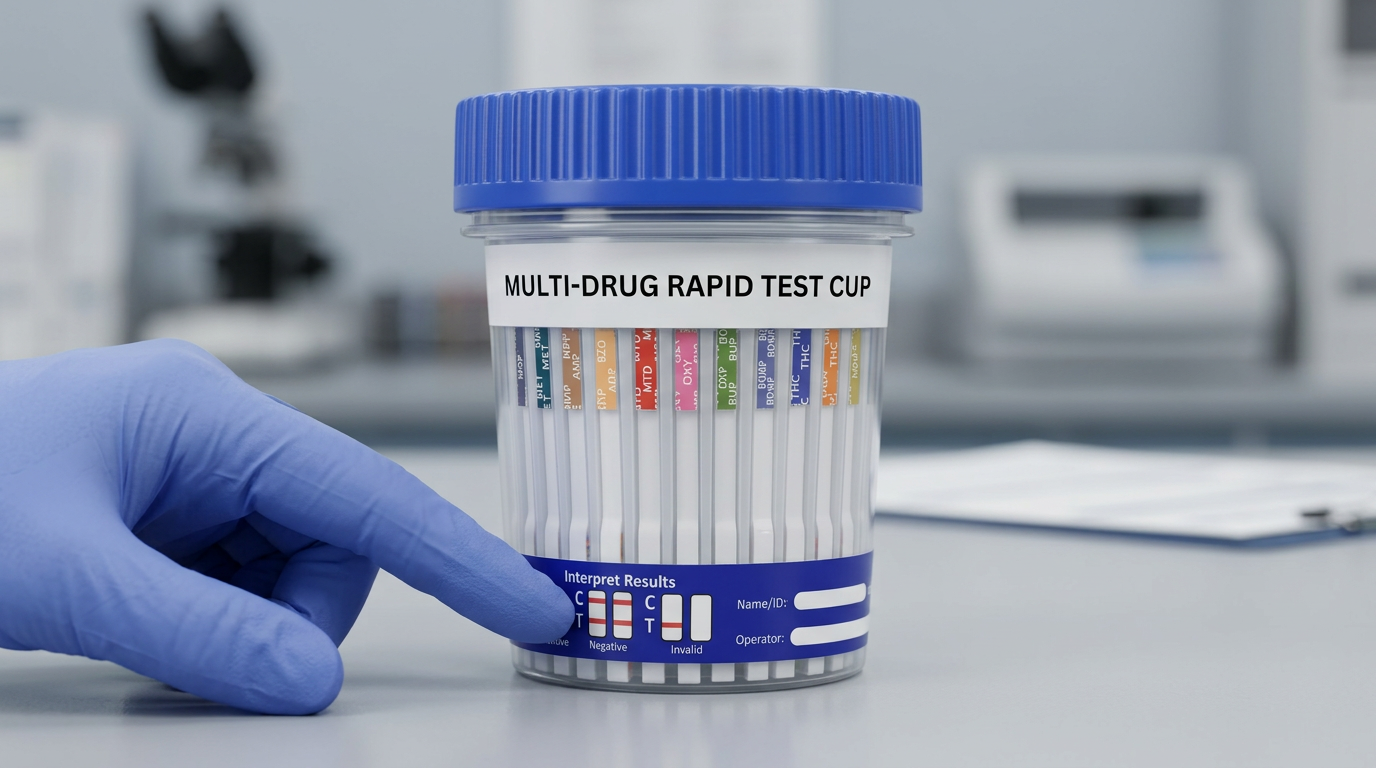
Focus on fit, clarity, and ease of use. Even a broad panel is not helpful if it misses your main concerns or slows down the testing process. Start with your specific monitoring goal.
- Panel mix: Make sure the cup includes the substances you need, with ETG and fentanyl clearly listed
- Use setting: Choose a format that works for home, workplace, clinic, or probation use
- Speed: Rapid screening matters when decisions need to be made quickly
- Ease of reading: Clear result windows help reduce confusion
- Cost per test: A broader cup can cut the need for separate alcohol or fentanyl tests
If you test regularly, consistency matters just as much as convenience. Buyers should look for a product that supports repeat use without adding complexity.
Is a rapid cup enough on its own?
For screening, yes. For final confirmation of a non-negative result, lab testing still matters. That distinction is important. A rapid cup gives you an immediate screening result so you can act quickly. If the result is non-negative and you need a confirmed answer, the next step is lab confirmation.
That two-step approach is one reason rapid cups are so practical. They clear many negative results right away, saving time and money. Then they identify the smaller number of cases that need further review. For most buyers, that is the most efficient process.
How does one 12-panel cup save time and money?
Using separate tests creates extra work. You have to manage more inventory, train people on multiple products, and often spend more per testing event. A single cup that includes standard drug screening plus ETG alcohol and fentanyl streamlines that process.
That makes a difference in busy settings. HR teams need faster workflows. Clinics want smoother intake and monitoring. Families want straightforward at-home use. A broader single-cup screen cuts delays and makes repeat testing easier to manage.
When is this type of test the right choice?
This is the right choice when your needs go beyond a basic drug screen. If alcohol monitoring matters, ETG adds value. If opioid risk matters, fentanyl adds value. If both matter, a combined cup is a smart choice because it covers those concerns without extra testing steps.
It also makes sense for buyers who want a more current panel strategy. Substance use risks have changed, and testing needs have changed with them. A test cup that reflects those realities gives you better screening coverage than an older panel that leaves out alcohol metabolites or fentanyl.
Optional FAQ
Can a 12-drug cup with ETG and fentanyl work for home use?
Yes. It is a solid option for home use when you want private, fast screening with broader coverage than a basic panel provides.
Does ETG screen for recent alcohol use longer than basic alcohol tests?
Yes. ETG is used to screen for recent alcohol consumption over a longer window than simple immediate alcohol checks.
Should a positive screen be confirmed by a lab?
Yes. Rapid cups are screening tools. A non-negative result should be confirmed by a lab when a definitive answer is needed.
Conclusion
A validated 12-drug test with ETG alcohol and fentanyl gives you a better answer when standard screening leaves key questions open. It helps employers, clinics, monitoring programs, and families screen with more confidence in a single step. For a practical option that fits these needs, 12 Panel ETG & FEN Cup from 12 Panel Now is a strong place to start.