5-Minute Drug Test Results vs Lab Delays

Waiting days for drug test results can slow hiring, postpone treatment decisions, and leave safety concerns unresolved. Fast on-site screening changes that. This article compares 5-minute drug testing with lab turnaround times, explains where on-site testing works best, where lab testing still belongs, and how to build a practical setup for faster, better decisions.
Why speed matters in drug testing
Drug testing usually supports a decision that needs to happen quickly. An employer may need to move a candidate through hiring. A clinic may need current information before adjusting care. A probation office may need an answer the same day. When results take several days, there is a gap between the test and the action that follows.
That gap comes with real costs. Teams spend time tracking samples, following up with vendors, and rescheduling next steps. In many cases, a quick negative screen lets staff move forward immediately. Fast answers keep the process moving and reduce the bottlenecks common in lab-only workflows.
What 5-minute on-site testing does better than lab-only testing
It supports immediate action
The biggest advantage of on-site testing is simple: it delivers a result while the person is still there. That matters in pre-employment screening, random workplace testing, intake assessments, and routine monitoring. Staff do not have to wait for a report before deciding what comes next.
For many programs, that speed also improves consistency. A manager can complete the process in one sitting. A clinician can document the screen during the visit. A parent or individual using a home test gets clarity in minutes instead of waiting days.
It reduces workflow friction
Lab testing adds shipping, chain-of-custody steps, processing time, and report delivery. Each step adds time and creates another place where delays can happen. On-site testing removes much of that friction during the initial screening stage.
- No waiting for a specimen to reach a lab before screening begins
- No need to hold every decision until a report comes back
- No extra staff time spent checking result status for routine negatives
That simpler workflow helps busy teams stay organized. It also helps smaller organizations that do not have extra staff to manage outside testing logistics.
Are rapid drug tests accurate enough?
This is one of the first questions buyers ask, and for good reason. A rapid test is a screening tool. Its role is to identify likely negative samples quickly and flag non-negative results for follow-up when needed. In practice, that means on-site tests help sort routine cases fast, while labs remain available for confirmation.
For many buyers, this approach makes sense because most screening programs need speed first and confirmation only in a smaller number of cases. A reliable on-site cup provides clear visual results, supports specimen integrity checks, and helps staff make prompt screening decisions with confidence.
When lab testing still makes sense
Fast on-site testing does not replace every lab function. A laboratory still matters when a non-negative result needs confirmation, when policy requires confirmatory testing, or when legal and regulatory standards call for deeper analysis.
The best approach is not choosing one over the other. It is using both in the right order. Use on-site screening for speed and day-to-day efficiency. Use lab confirmation when the result or policy requires it. That saves time without giving up the extra verification certain cases need.
How on-site drug testing saves money
Cost matters whether the buyer is running a clinic, a business, or a household budget. Sending every sample to a lab can get expensive quickly. On-site screening helps control those costs by handling the first step in-house and limiting lab use to the smaller number of results that need additional review.
The savings go beyond the per-test price. Faster results also cut indirect costs:
- Less staff time spent on follow-up
- Fewer delays in onboarding or case management
- Less downtime between collection and next action
- Lower shipping and processing costs for routine screens
That cost structure is one reason point-of-care testing has become a practical option across workplaces, treatment settings, and personal use.
What buyers should look for in an on-site solution
All-in-one collection and screening
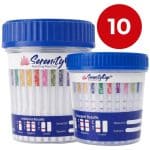
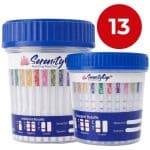
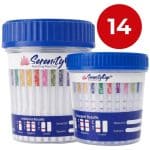
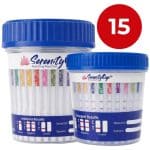
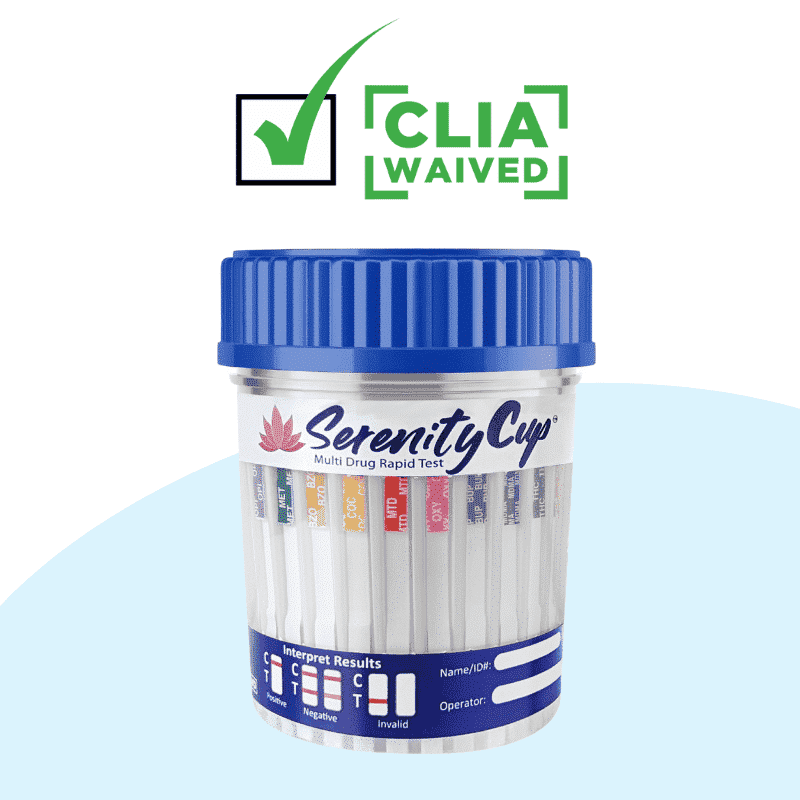
A single-step cup keeps the process straightforward. Staff collect the sample and read the screen from one device. That reduces handling, lowers the chance of mix-ups, and makes training easier for teams that need a repeatable process.
Built-in specimen integrity checks
Fast results matter, but so does sample validity. A temperature strip helps confirm that the sample falls within the expected range shortly after collection. That extra check builds confidence in the process and helps staff spot problems early.
A broad panel when more coverage matters
Many buyers want one test that screens for multiple substances at the same time. A broader panel helps reduce blind spots and avoids the hassle of running several separate tests. This is especially useful for workplaces, clinics, and monitoring programs that need a wider view from a single sample.
Who benefits most from 5-minute on-site results?
Several groups see clear value from rapid screening:
- Employers: Faster hiring decisions, smoother random testing, and quicker post-incident screening
- Clinics and treatment programs: Same-visit insight that supports documentation and care decisions
- Probation and legal monitoring: Immediate screening information during scheduled check-ins
- Families and individuals: Quick, private answers without waiting for a lab report
In each case, the benefit is the same: the person collecting the sample gets useful screening information right away and can act on it without losing time.
What are the trade-offs between on-site tests and lab tests?
The trade-off is straightforward. On-site testing offers speed, convenience, and lower routine screening costs. Lab testing provides confirmatory analysis and more detailed reporting when a case requires it. Buyers get the best results when they match the tool to the decision.
If the question is, “Do I need a fast initial screen right now?” on-site testing is a strong fit. If the question is, “Do I need confirmation of a non-negative result for policy or legal reasons?” then a lab is still the next step. Most programs work best when they use both tools together.
How to maximize efficiency with a better on-site process
Efficiency is not just about speed. It comes from a process staff can repeat with minimal confusion. If you want better results from on-site testing, keep the workflow simple and consistent.
- Use one cup that combines collection and screening
- Train staff on timing and how to read results
- Check specimen temperature immediately after collection
- Document results right away
- Send only non-negative screens for confirmation when policy requires it
This process helps teams avoid wasted time and keeps the test useful in real working conditions. A clean, consistent system also gives buyers better value from every test they use.
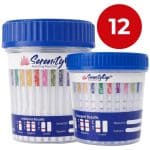
Why a 12-panel cup makes practical sense
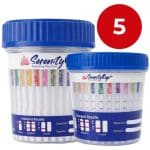
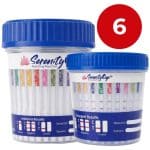
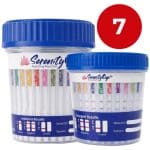
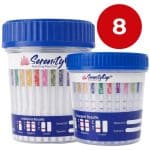
A wider panel helps buyers who do not want to manage several separate tests. One cup, one sample, and one reading window make the process easier to run. That matters in high-volume settings, but it also matters for small offices and home users who want a clear answer without extra steps.
A cup that includes PCP adds coverage for programs that need it. Combined with an integrated temperature strip and a fast read time, this type of product supports a simple screening workflow that balances speed, confidence, and convenience.
FAQ
Are 5-minute drug tests good for workplace screening?
Yes. They work well for initial workplace screening because they provide quick answers, support same-day decisions, and reduce delays tied to shipping and lab processing. Employers can still use lab confirmation when a non-negative result needs further review.
Do rapid drug test cups replace the lab?
No. They serve a different purpose. Rapid cups handle the first screening step on-site. Labs handle confirmation and deeper analysis when policy, legal requirements, or a non-negative result calls for it.
What makes an on-site drug test cup easier to trust?
Buyers should look for a simple one-step format, clear result windows, broad panel coverage, and a built-in temperature strip. These features support a smoother collection process and stronger confidence in the sample.
Conclusion
5-minute on-site drug testing solves a clear problem: delay. It helps employers, clinics, monitoring programs, and families get screening answers while the moment still matters. Lab testing still has an important role in confirmation, but fast on-site screening gives most programs a smarter first step. For a simpler screening workflow with fast results, choose 12 Panel Drug Test Cup with PCP from 12 Panel Now.